Understanding Getting Life Insurance with Cholesterol at 220
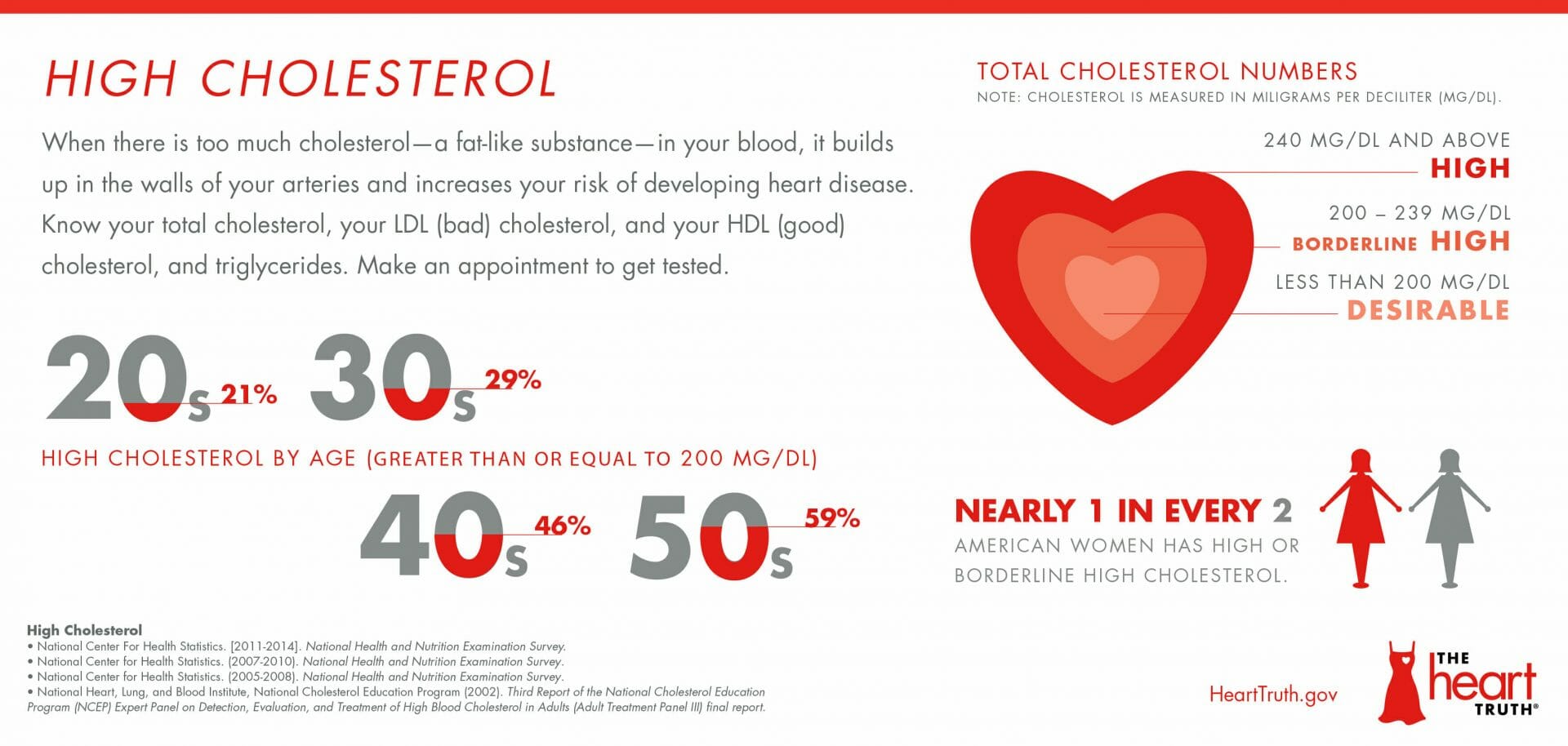
Obtaining life insurance with a total cholesterol level of 220 mg/dL is generally achievable, as this figure falls only slightly above the standard medical threshold of 200 mg/dL. Insurers view cholesterol not as an isolated number, bu...
Obtaining life insurance with a total cholesterol level of 220 mg/dL is generally achievable, as this figure falls only slightly above the standard medical threshold of 200 mg/dL. Insurers view cholesterol not as an isolated number, but as one variable in a broader risk profile that includes your age, blood pressure, family history, and lifestyle factors.
Contents
The Significance of a 220 Cholesterol Reading in Underwriting
When you apply for life insurance, the underwriting process is designed to assess your mortality risk. Underwriters look at laboratory results from your paramedical exam to determine how likely you are to develop cardiovascular complications. A total cholesterol reading of 220 mg/dL is typically categorized as "borderline high."
In the actuarial world, this is rarely a deal-breaker. Most life insurance companies utilize a build and health table that correlates various biometrics. While an "ideal" cholesterol level is usually considered to be below 200 mg/dL, a reading of 220 is common enough that most carriers have specific protocols to handle it without automatically declining coverage or imposing prohibitive ratings. The impact of this number on your premium will depend heavily on the other health data points collected during your application.
Why Cholesterol Ratios Matter More Than Total Numbers
While 220 is the total count, life insurance medical directors place significant weight on your cholesterol ratio—specifically, the ratio of total cholesterol to high-density lipoprotein (HDL), often referred to as "good" cholesterol.
If your total cholesterol is 220, but your HDL is high (e.g., 70 or 80 mg/dL), your ratio remains favorable, indicating a lower risk of heart disease. Conversely, if your 220 total cholesterol consists primarily of low-density lipoprotein (LDL or "bad" cholesterol) and very low levels of HDL, the risk profile appears much more significant to the insurer. During the underwriting process, they will calculate this ratio to understand the composition of your lipids. If you have copies of recent blood work from your physician, it is highly beneficial to provide these to your broker, as they can sometimes advocate for your "build" or health classification based on these deeper metrics.
Factors That Mitigate or Exacerbate the Risk
A 220 cholesterol reading does not exist in a vacuum. Underwriters are essentially looking for signs of potential atherosclerosis or heart disease. The following factors will determine if your 220 reading results in a standard rate or a "table rating" (a surcharge on your premium):
- Blood Pressure: If your cholesterol is 220 and your blood pressure is consistently in the hypertensive range (e.g., 140/90 or higher), the risk of cardiovascular events increases exponentially in the eyes of an insurer.
- Smoking Status: Tobacco use combined with elevated cholesterol is a major red flag. If you are a smoker with 220 cholesterol, you will almost certainly be placed in a higher-risk category.
- Presence of Medication: Being on a statin or other cholesterol-lowering medication is not necessarily a negative. In fact, if you take medication and your levels are controlled at 220, some underwriters view this positively, as it demonstrates that you are proactively managing your health and working with a physician.
- Family History: A strong family history of premature heart disease (parents or siblings having heart attacks before age 60) will cause an underwriter to look at that 220 reading with much more scrutiny.
Comparison of Potential Underwriting Outcomes
The following table illustrates how different health profiles combined with a total cholesterol of 220 might affect the life insurance underwriting class. Note that these are generalized expectations for the 2026 market and are subject to the specific guidelines of individual insurance carriers.
| Additional Factor | Typical Rating Impact | Potential Premium Category |
|---|---|---|
| Non-smoker, healthy blood pressure, no medications | Minimal to None | Preferred or Standard Plus |
| Non-smoker, controlled with statins | Minimal | Standard |
| Smoker | Moderate increase | Table B to D |
| Elevated blood pressure + high BMI | Moderate to High | Table C or higher |
Steps to Take Before Applying
If you know your cholesterol is 220, preparation is your best tool to ensure you secure the most competitive rate.
- Consult Your Primary Physician: Before submitting an application, speak with your doctor. If you are not on medication, ask if lifestyle changes might lower your number naturally in the short term. If you are on medication, ensure you are compliant with your dosage.
- Gather Records: Request a copy of your recent lipid panels. Having a history of stable results is more convincing to an insurer than a single, potentially anomalous blood test from an insurance exam.
- Work with an Independent Broker: Independent brokers represent multiple carriers. They understand which insurance companies are more "cholesterol-friendly" and which might be more conservative. They can perform a "pre-screen" or informal inquiry with underwriters before you officially apply.
- Schedule the Exam Strategically: If you are permitted to choose the time for your paramedical exam, ensure you are well-hydrated and have fasted for the recommended 8 to 12 hours. Do not engage in strenuous exercise the day before the exam, as this can temporarily skew certain blood markers.
Dealing with "Table Ratings"
If the insurer determines that your 220 cholesterol, combined with other minor health factors, warrants a higher risk classification, they may issue your policy with a "Table Rating." This is a surcharge, typically expressed as a percentage increase over the standard premium (e.g., Table A is usually a 25% increase, Table B is 50%, and so on).
It is important to remember that these ratings are not permanent. If you improve your health, lower your cholesterol through diet or medication, and maintain those results for a year or more, you can often request a "reconsideration" or a "new underwriting" review. Many insurers will allow you to submit updated medical evidence to potentially remove the table rating and reduce your annual premium.
FAQ: Common Questions on Insurance and Cholesterol
Does a 220 cholesterol level automatically mean I will be denied life insurance? No. It is extremely rare for a cholesterol reading of 220 to result in an outright denial of coverage. Denials are typically reserved for individuals with severe, uncontrolled health conditions or significant comorbidities. A reading of 220 is considered mild and is routinely accepted by almost all major life insurance companies.
Should I try to lower my cholesterol right before the insurance medical exam? While you should always follow a healthy lifestyle, trying to "crash diet" or drastically change your exercise habits for two days before an exam is not recommended. It can lead to dehydration or skewed results in other areas, such as elevated liver enzymes or abnormal protein markers. Stick to your normal routine and focus on long-term management.
Is it better to take medication for cholesterol before applying? In many cases, yes. If your physician has recommended a statin to help manage your cholesterol, taking it as prescribed shows the insurer that you are managing your health. Underwriters generally prefer a "controlled" condition (even if it requires medication) over an "uncontrolled" condition that is left to worsen.
Does "Preferred" pricing remain an option with a 220 cholesterol level? Some insurance carriers have "Preferred" or "Super Preferred" health classes that have strict cholesterol caps (often 200 or 210 mg/dL). With a 220 reading, you may not qualify for the absolute "best" tier. However, you can still secure "Standard Plus" or "Standard" rates, which are often very affordable.
Can I get life insurance without a medical exam if I have high cholesterol? Yes, there are "no-medical-exam" policies or "simplified issue" policies. However, be aware that these products often have higher premiums to account for the lack of detailed health data. If you are in otherwise good health, it is almost always more cost-effective to undergo a traditional medical exam and demonstrate that your 220 cholesterol is the only minor health factor present.
Final Recommendation
Do not let a cholesterol reading of 220 deter you from seeking coverage. In 2026, life insurance underwriting is a sophisticated process that values the "whole person" rather than a single lab result. Your best path forward is to gather your recent medical records, consult with your doctor to ensure your levels are managed, and partner with an independent broker who can navigate the specific niches of various insurance carriers to find the policy that best fits your profile.
Image Gallery