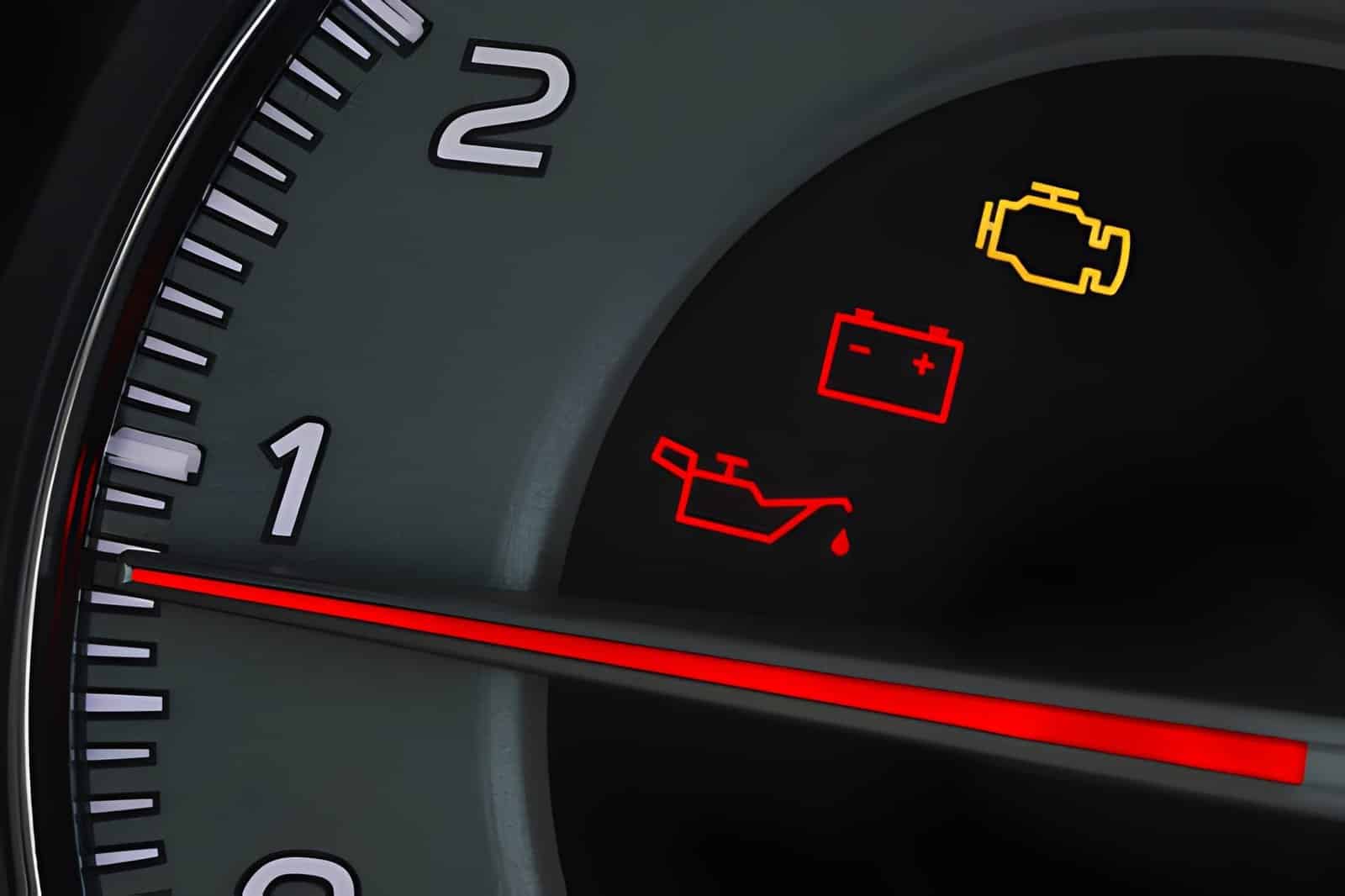
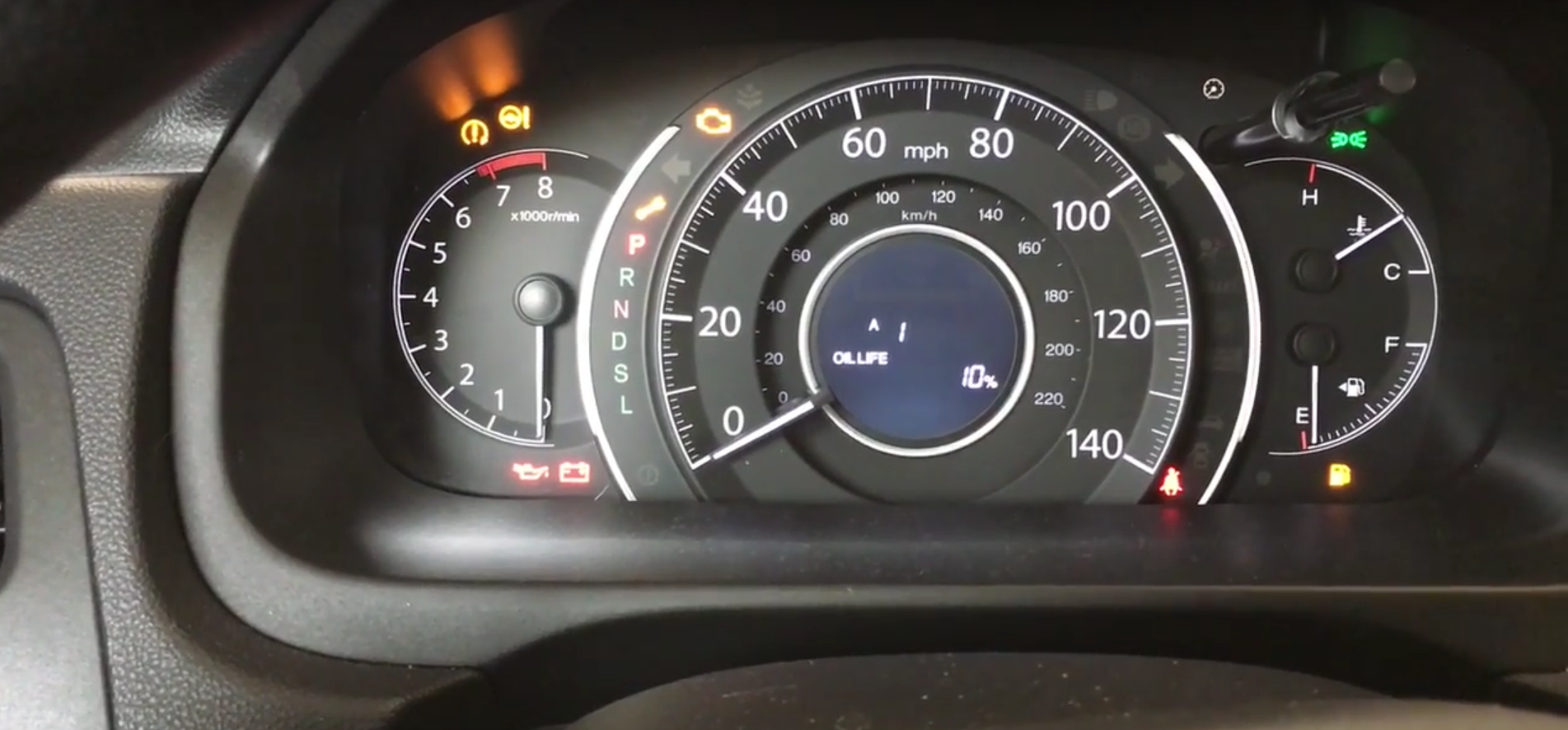
Understanding the Honda CR-V Engine Light Flashing: Causes and Urgent Solutions
A flashing check engine light on your Honda CR-V indicates a severe engine misfire that requires immediate attention. Unlike a solid light, which signifies a non-emergency fault, a flashing light means unburned fuel is entering the exh...
A flashing check engine light on your Honda CR-V indicates a severe engine misfire that requires immediate attention. Unlike a solid light, which signifies a non-emergency fault, a flashing light means unburned fuel is entering the exhaust system, posing a risk of catastrophic damage to the catalytic converter and engine components.
Contents
The Honda CR-V has long been a benchmark for reliability in the compact SUV segment. However, like any mechanical system, it is equipped with sophisticated On-Board Diagnostics (OBD-II) designed to protect the powertrain from terminal failure. When the "Check Engine" or "Malfunction Indicator Lamp" (MIL) begins to flash while you are driving, the vehicle's computer has detected a condition so severe that continued operation could lead to a fire or thousands of dollars in repair costs. In 2026, as Honda continues to transition its fleet toward hybrid and turbocharged powertrains, understanding these signals remains vital for every CR-V owner.
The Critical Difference Between Solid and Flashing Lights
The OBD-II system uses the engine light to communicate two distinct levels of priority. It is essential for drivers to distinguish between them to avoid unnecessary panic or, conversely, dangerous negligence.
The Solid Check Engine Light
A solid light indicates that the Engine Control Unit (ECU) has detected a problem that is not immediately life-threatening to the vehicle. This could be something as simple as a loose gas cap, a failing oxygen sensor, or a minor evaporation (EVAP) leak. While a solid light should be addressed promptly to maintain fuel efficiency and pass emissions testing, it does not typically require you to pull over immediately.
The Flashing Check Engine Light
A flashing light is a "Priority 1" emergency. It specifically denotes a Class A misfire. During this state, one or more cylinders are not firing correctly, allowing raw, unburned gasoline to exit the combustion chamber and flow into the exhaust manifold. Because the catalytic converter operates at extremely high temperatures, this raw fuel can ignite inside the converter, causing it to melt internally and clog the exhaust system.
Immediate Actions to Take When Your CR-V Light Flashes
If you are driving your Honda CR-V and the engine light starts blinking, follow these steps to minimize damage:
- Reduce Speed Immediately: Lowering the engine's RPM reduces the frequency of the misfire and the amount of fuel being pumped into the exhaust.
- Avoid Heavy Loads: Do not attempt to tow a trailer or carry heavy cargo while the light is flashing. Avoid hard acceleration or steep inclines.
- Find a Safe Spot to Pull Over: As soon as it is safe to do so, move to the shoulder or a parking lot.
- Shut Off the Engine: Once stopped, turn the vehicle off. Continuing to idle a vehicle with a flashing engine light can still lead to catalytic converter overheating.
- Arrange for a Tow: In 2026, most Honda Roadside Assistance programs and insurance policies cover towing for engine-critical failures. Driving even a few miles with a flashing light can turn a $200 spark plug repair into a $2,500 catalytic converter replacement.
Leading Causes of a Flashing Engine Light in a Honda CR-V
While many issues can trigger a diagnostic code, a flashing light is almost always tied to the ignition or fuel delivery systems.
Ignition System Failures
The ignition system is the most frequent culprit. In the Honda CR-V, particularly models equipped with the 2.4L K-series or the 1.5L Turbocharged engines, the following components often fail:
- Ignition Coils: Modern CR-Vs use a "coil-on-plug" system. If a single coil fails, that cylinder will cease to fire. Honda ignition coils generally last between 100,000 and 150,000 miles, but heat and vibration can cause premature failure.
- Spark Plugs: Fouled or worn spark plugs cannot create the arc necessary to ignite the air-fuel mixture. Honda recommends replacing iridium spark plugs every 100,000 miles, but direct-injection engines can sometimes lead to carbon buildup that shortens this lifespan.
- Worn Spark Plug Wires: While older CR-Vs (pre-2002) used traditional wires, modern versions rely on the wiring harness connecting to the coils. Rodent damage or heat-related fraying in this harness can interrupt the signal to the spark plugs.
Fuel System Issues
If the engine is not getting the correct amount of fuel, or if the fuel is not atomizing correctly, a misfire will occur.
- Faulty Fuel Injectors: This is a documented issue in mid-2010s to early-2020s Honda CR-Vs with direct injection. Clogged or leaking injectors can cause an "over-rich" or "lean" condition, leading to the dreaded flashing light.
- Fuel Pump Failure: If the fuel pump cannot maintain adequate pressure, the engine will starve for fuel under load, causing multiple cylinders to misfire simultaneously.
Mechanical and Sensor Failures
Less common but more serious causes include:
- VCM Issues: In certain Honda engines equipped with Variable Cylinder Management (though more common in the Pilot and Odyssey, some CR-V iterations have experimented with cylinder deactivation), the transition between 3 and 4 cylinders can sometimes cause spark plug fouling.
- MAF or MAP Sensor Malfunction: The Mass Air Flow sensor measures the air entering the engine. If it provides wildly inaccurate data, the ECU may inject too much fuel, causing a misfire.
Diagnostic Codes: Deciphering the P0300 Series
When a technician connects an OBD-II scanner to your CR-V, they will look for "P-codes." For a flashing engine light, the codes will almost always fall into the P0300 to P0306 range.
| Diagnostic Code | Meaning | Common Cause in Honda CR-V |
|---|---|---|
| P0300 | Random or Multiple Cylinder Misfire | Vacuum leaks, low fuel pressure, or bad fuel. |
| P0301 - P0304 | Misfire Detected in Specific Cylinder | Faulty ignition coil or spark plug on that specific cylinder. |
| P0171 / P0172 | System Too Lean / Too Rich | Often accompanies misfires caused by fuel injectors or MAF sensors. |
| P0420 | Catalytic Converter Efficiency Below Threshold | Often the result of driving too long with a flashing light. |
| P0340 | Camshaft Position Sensor Circuit Malfunction | Timing issues that can lead to severe misfiring and engine stalling. |
Repair Costs and Estimation for 2026
Repair costs vary significantly based on whether the issue was caught early or if the catalytic converter was damaged in the process. As of 2026, labor rates at certified Honda dealerships typically range from $160 to $230 per hour depending on the region.
Common Repair Estimates
- Spark Plug Replacement: Replacing a set of four iridium plugs usually costs between $200 and $350, including labor. This is the most common and least expensive fix.
- Ignition Coil Replacement: Replacing a single coil often costs $250 to $400. If one has failed, it is often recommended to replace all four, which can exceed $800.
- Fuel Injector Replacement: In direct-injection Honda engines, this is a more labor-intensive job. Expect to pay between $1,000 and $1,500 for a full set of injectors and the necessary gaskets.
- Catalytic Converter Replacement: If the light was ignored, this repair can range from $1,800 to $3,000. Because of the precious metals used in converters, the parts themselves are extremely expensive.
Long-Term Prevention and Maintenance
To avoid the stress of a flashing engine light, CR-V owners should adhere strictly to the Honda Maintenance Minder system.
- Use High-Quality Fuel: Top Tier gas contains detergents that prevent carbon buildup on fuel injectors and valves, a common cause of misfires in Honda's Earth Dreams engines.
- Monitor Oil Levels: Honda's 1.5L Turbo engines have historically been sensitive to oil dilution in cold climates. Ensure you follow the updated oil change intervals to maintain internal engine health.
- Replace Plugs Early: If you primarily drive in "Severe" conditions (short trips, extreme heat, or idling), consider replacing spark plugs every 75,000 miles rather than the standard 100,000.
- Inspect the Battery: Modern Hondas are sensitive to voltage drops. A weak battery can cause the ECU to malfunction, occasionally throwing "ghost" misfire codes or causing erratic sensor readings.
Frequently Asked Questions
Can a loose gas cap cause the engine light to flash?
No. A loose or damaged gas cap causes an EVAP system leak, which will trigger a solid check engine light. It does not cause the engine misfire required to trigger a flashing light. If your light is flashing, the issue is significantly more serious than a gas cap.
Is it safe to drive my CR-V if the light stops flashing and stays solid?
While the immediate danger of melting your catalytic converter may have subsided if the light stops flashing, the ECU has still stored a "Hard Code." This means the engine is still malfunctioning. You should drive directly to a service center at moderate speeds. The transition from flashing to solid often means the misfire is now "intermittent" rather than "constant," but it will return.
Does Honda's warranty cover a flashing engine light?
If your CR-V is within the 5-year/60,000-mile powertrain warranty (or the extended warranties offered on certain 2020s models for oil dilution or fuel injectors), the repair may be covered. However, damage caused by continuing to drive after the light began flashing (such as a melted catalytic converter) may be denied coverage due to owner negligence. Refer to the National Highway Traffic Safety Administration (NHTSA) to check for any active recalls related to your VIN.
Can I use a cheap OBD-II scanner to clear the flashing light?
You can use a scanner to read the codes, which is helpful for DIY diagnosis. However, clearing the code does not fix the problem. If the underlying misfire is still present, the light will begin flashing again within seconds of starting the engine. Attempting to "mask" a flashing light is dangerous and ineffective.
Practical Recommendation
The moment you see a flashing engine light in your Honda CR-V, treat it as a mechanical emergency. Safely pull over and turn off the ignition. The cost of a tow truck is a fraction of the cost of an engine rebuild or a new catalytic converter. By addressing the root cause—likely an ignition coil or spark plug—you can ensure your CR-V remains the reliable vehicle it was designed to be.
Image Gallery