Mike Wolfe: The Professional Picker’s Journey and the Business of American History
Mike Wolfe is the creator, executive producer, and lead star of the History Channel’s long-running hit series American Pickers. As of 2026, he remains a central figure in the world of antique collecting and "rust restoration," having s...
Mike Wolfe is the creator, executive producer, and lead star of the History Channel’s long-running hit series American Pickers. As of 2026, he remains a central figure in the world of antique collecting and "rust restoration," having successfully transitioned from a local Iowa scavenger to a global brand ambassador for American heritage and small-town revitalization.
Contents
The career of Mike Wolfe, often referred to simply as "The Picker," is a study in persistence, branding, and the commodification of nostalgia. While many viewers know him for his energetic negotiations on camera, his influence extends far beyond the television screen. He is an entrepreneur, a historic preservationist, and a real estate developer who has used his platform to breathe new life into forgotten corners of the United States. To understand the impact of Mike Wolfe is to understand the modern evolution of the antique industry and the enduring appeal of the "treasure in the trash."
The Early Life and Foundations of a Professional Picker
Mike Wolfe’s journey did not begin with a television contract; it began in the alleyways of Joliet, Illinois, and later, Bettendorf, Iowa. Born in 1964, Wolfe was raised by a single mother in a household where financial resources were often slim. This environment fostered a "waste not, want not" mentality that would eventually define his professional life.
Wolfe’s first significant "pick" occurred at the age of four when he found a discarded bicycle in the trash. After cleaning it up, he realized that items others considered worthless still held intrinsic value. This epiphany set the trajectory for his youth. By his teenage years, Wolfe was actively scouting neighborhood barns and sheds, developing an eye for the quality of materials and the rarity of mechanical parts.
Before becoming a household name, Wolfe was a competitive bicycle racer. This period of his life was crucial, as it allowed him to travel extensively across the Midwest. He would often use his racing trips as scouting expeditions, spotting old barns and overgrown properties that might house vintage motorcycles or advertising signage. His deep knowledge of bicycle mechanics and early 20th-century engineering provided the technical foundation necessary to authenticate high-value items later in his career.
The Genesis of American Pickers
The path to television was not immediate. Wolfe spent nearly five years pitching the concept of a show centered on the "hunt" for antiques before the History Channel finally greenlit the project. His vision was distinct: he didn't want a show about experts sitting behind a desk evaluating items (like Antiques Roadshow); he wanted to show the grit, the dirt, and the stories behind the people who collected these items.
Launch and Cultural Impact
When American Pickers premiered on January 18, 2010, it was an immediate sensation. It brought the term "picking" into the mainstream vernacular. The show’s premise—Wolfe and his former partner Frank Fritz traveling the backroads of America in a white Mercedes-Benz Sprinter van—tapped into a collective curiosity about what lies hidden in the nation's basements and barns.
The success of the show created what industry insiders call the "Pickers Effect." Suddenly, the value of "rust"—untouched, un-restored antiques—skyrocketed. Wolfe championed the idea that an item's "patina" (the wear and tear of age) was often more valuable than a shiny, refurbished finish. This shifted the entire antique market toward a preference for industrial folk art and original-condition mechanical items.
Evolution of the Cast and Show Dynamics
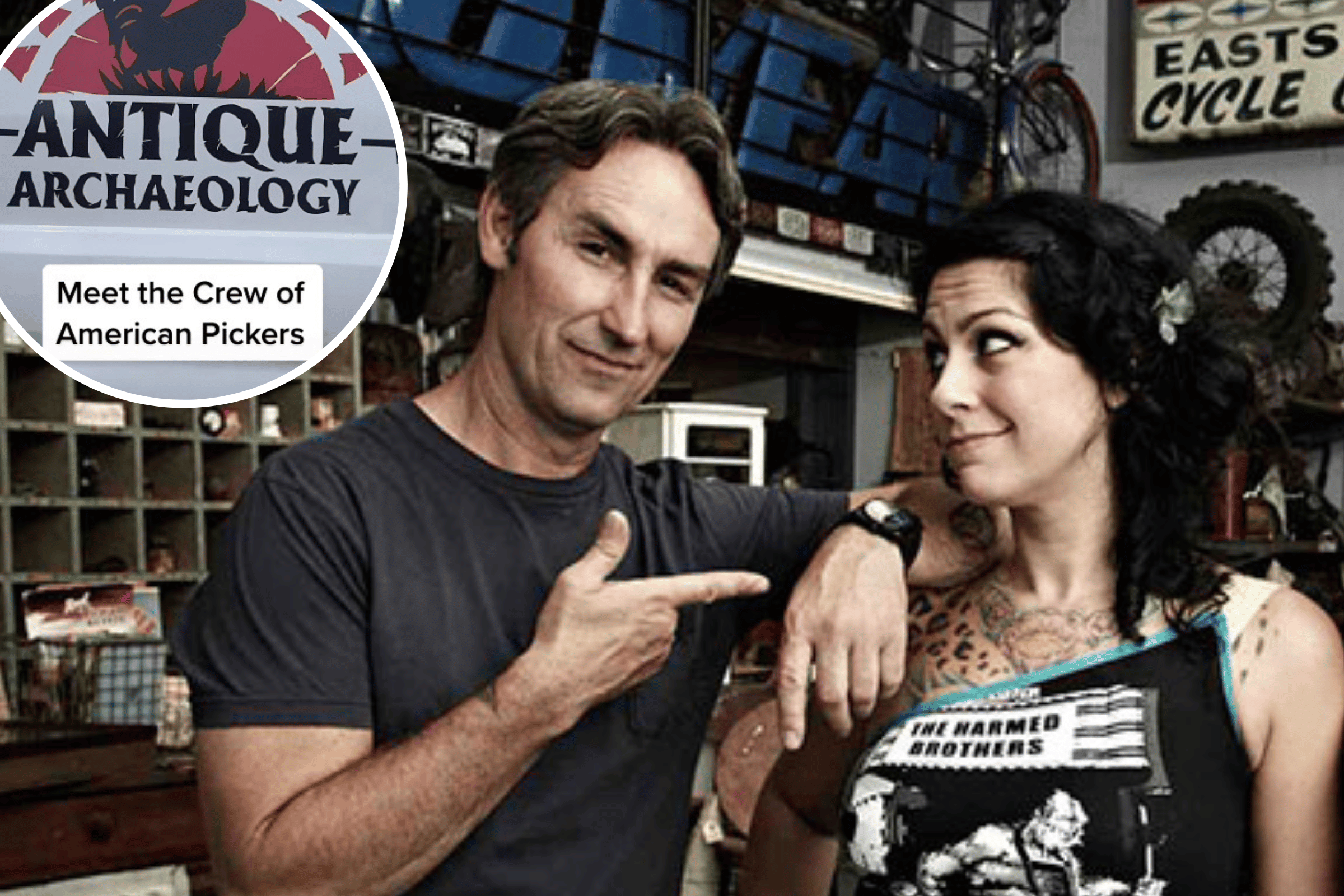
Over more than 25 seasons, the show has evolved. Following the departure and subsequent passing of Frank Fritz in late 2024, the show integrated Mike’s brother, Robbie Wolfe, into a more prominent role. Throughout these transitions, Mike Wolfe has remained the visionary lead, focusing on the historical narrative of each find. His chemistry with shop manager Danielle Colby has also remained a cornerstone of the brand, representing the logistical heart of his business, Antique Archaeology.
The Antique Archaeology Business Empire
Mike Wolfe’s primary business entity is Antique Archaeology, which serves as both a working antique shop and a retail destination for fans. The business model is a hybrid of high-end antique dealership and lifestyle branding.
| Business Branch | Location | Primary Focus | Role in the Brand |
|---|---|---|---|
| Antique Archaeology (HQ) | Le Claire, Iowa | Original shop & museum | The "home base" featured in early seasons; focuses on regional Midwestern finds. |
| Antique Archaeology Nashville | Nashville, Tennessee | Retail & Gallery | Located in the Marathon Motor Works building; targets high-traffic tourism and interior designers. |
| Two Lane Co. | E-commerce / Global | Apparel & Lifestyle | A brand focused on "the road less traveled," selling clothing, gear, and travel guides. |
| Two Lane Guest House | Columbia, Tennessee | Hospitality | A vacation rental that allows fans to stay in a space curated with Wolfe's "picks." |
Small Town Revitalization
Wolfe has parlayed his fame into significant real estate investments, particularly in Le Claire, Iowa, and Columbia, Tennessee. He is a vocal advocate for "Main Street" businesses, often purchasing dilapidated historic buildings and restoring them to house local shops or his own ventures. This work has positioned him as more than just a television personality; he is an active participant in the economic development of the American rural landscape.
The Philosophy of "The Hunt"
To Mike Wolfe, picking is not merely about buying low and selling high. It is a form of archaeological preservation. He often speaks about being a "temporary steward" of history. His primary interests include:
- Transportation History: Early motorcycles (specifically Indian and Harley-Davidson), vintage bicycles, and micro-cars.
- Petroliana: Vintage gas pumps, oil cans, and porcelain dealership signs.
- Industrial Folk Art: Hand-painted signs, architectural elements, and unique "one-off" inventions.
Wolfe’s approach is heavily focused on the relationship with the "hoarder" or collector. He emphasizes the importance of the "story" behind the object. In his view, a 1930s sign is worth more if the history of the general store it hung on is preserved alongside it. This narrative-driven approach has made him a respected figure among serious historians and museum curators, despite the commercial nature of his television show.
Technical Requirements for Successful Picking
While the show makes picking look like a casual road trip, the professional reality requires a specific set of skills and tools. Wolfe has often highlighted the "invisible" work that goes into a successful pick.
- Authentication Skills: The ability to distinguish a 1910 motorcycle frame from a 1920s reproduction is vital. This requires decades of studying catalogs, patent marks, and manufacturing techniques.
- Logistical Planning: Large-scale picks involve moving heavy industrial equipment. Wolfe’s team must manage specialized trailers, winches, and climate-controlled storage.
- Negotiation Tactics: Professional picking requires a high degree of emotional intelligence. Many sellers are emotionally attached to their items. Wolfe utilizes a "fair-market" approach where he explains his overhead costs (restoration, transport, retail space) to reach a price that respects the seller while allowing for a business profit.
Common Misconceptions About Mike Wolfe
Despite his transparency, several myths persist regarding Wolfe’s work:
- "The show is scripted": While the locations are scouted in advance for safety and filming permissions, the negotiations and the items found are genuine. Wolfe frequently buys items that never make it to air.
- "He keeps everything": While Wolfe has a private collection, he is a dealer first. The health of Antique Archaeology depends on a high turnover of inventory.
- "Picking is easy money": The overhead of traveling, maintaining a film crew, and the risks of buying "duds" make professional picking a high-risk enterprise.
Frequently Asked Questions
How can I get Mike Wolfe to come pick my collection?
To have your collection considered for American Pickers, you must contact the show's production company, Cineflix Media, or the "Got A Pick" hotline. They typically look for large, private collections with unique items in barns, sheds, or warehouses. They generally do not visit retail shops, flea markets, or museums.
Is Mike Wolfe still active in 2026?
Yes. As of 2026, Mike Wolfe continues to lead the American Pickers franchise and manage his Antique Archaeology stores. He has also expanded his focus toward historic preservation and public speaking regarding the importance of small-town economies.
What is the most expensive item Mike Wolfe has ever bought?
While prices fluctuate, one of his most significant investments was a collection of rare, four-cylinder motorcycles (such as Aces and Hendersons) found in a single location. These individual bikes can command prices well into the six-figure range, though Wolfe often buys them as part of larger "package deals."
Where is the best place to visit his shops?
The Nashville, Tennessee location is the most accessible for tourists, located in the historic Marathon Village. However, for the most authentic experience, fans often travel to the original Le Claire, Iowa shop, which overlooks the Mississippi River and captures the rural essence of the show's early years.
How does Mike Wolfe determine the value of a pick?
Value is determined by a combination of rarity, condition, and "cross-collectibility" (how many different types of collectors would want the item). He also factors in the cost of "bringing it to market," which includes cleaning, light restoration, and the square footage the item will occupy in his store.
Recommendation for Aspiring Collectors
If you are inspired by Mike Wolfe’s career to start your own picking journey, focus on specialization. Rather than trying to know everything about all antiques, master one niche—such as vintage tools, mid-century lighting, or regional advertising. Use official price guides and auction results from reputable houses to calibrate your "eye" for value. Most importantly, follow Wolfe’s lead in building relationships; the best items are rarely found on a shelf, but rather in the stories shared by the people who have kept them for decades.
Image Gallery