The Mechanics and Strategic Value of Celebrity Commercials in Modern Advertising
Celebrity commercials function as high-stakes marketing instruments designed to bridge the gap between consumer sentiment and brand recognition. By leveraging the existing equity, social proof, and cultural resonance of a public figure...
Celebrity commercials function as high-stakes marketing instruments designed to bridge the gap between consumer sentiment and brand recognition. By leveraging the existing equity, social proof, and cultural resonance of a public figure, companies attempt to bypass traditional advertising fatigue, hoping to convert a celebrity’s audience trust into tangible product adoption and long-term brand loyalty.
Contents
The Evolution of the Celebrity Endorsement
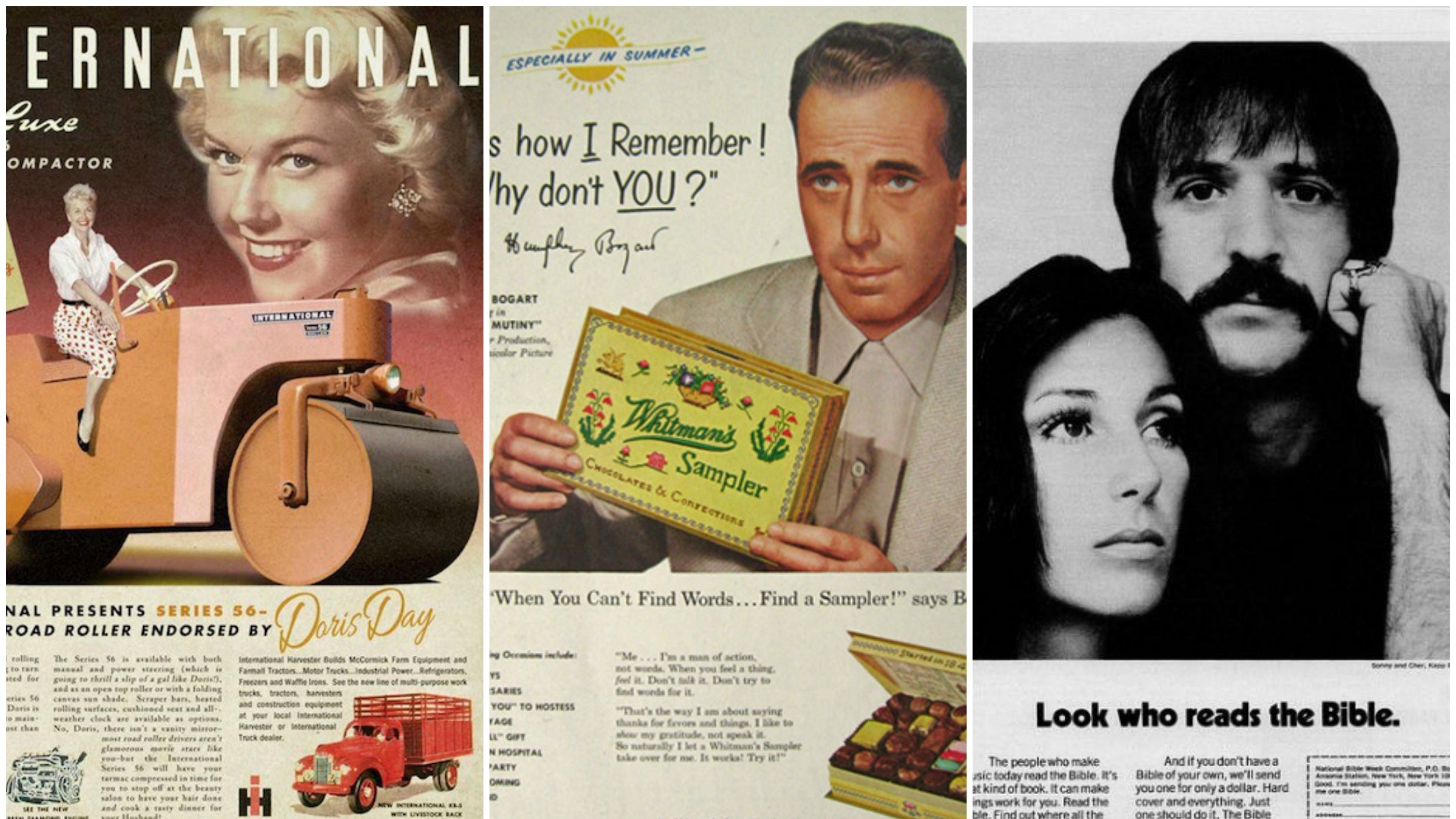
The history of celebrity commercials is deeply rooted in the concept of aspirational marketing. In the early to mid-20th century, these collaborations were often limited to print advertisements or radio spots featuring actors of the "Golden Age." As television became the dominant medium, the format shifted toward the "pitchman" model, where a recognizable face provided a testimonial for everything from household goods to consumer electronics.
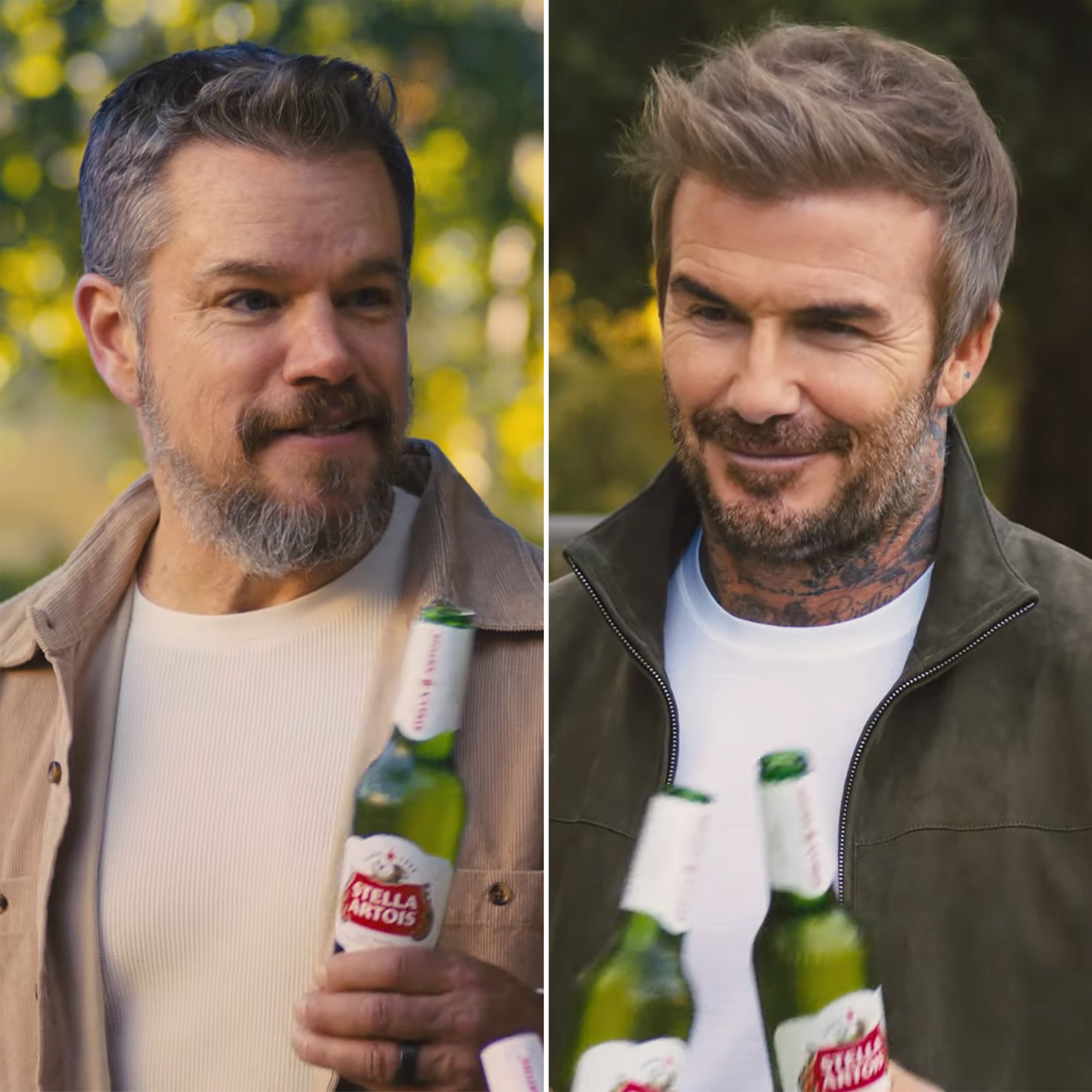
By the 2020s, the landscape underwent a structural shift. While the high-production, multi-million-dollar Super Bowl commercial remains the zenith of this strategy, the rise of social media and influencer culture has redefined what constitutes a "celebrity." Today, the term encompasses not only traditional film and music stars but also professional athletes, digital-native creators, and viral personalities. This fragmentation means that brands now choose celebrities based on granular demographic alignment rather than mere mass-market reach.
How Brands Select Talent
The selection process is governed by a rigorous analytical framework. Marketing agencies and brand managers evaluate potential partners based on three primary metrics: Relevance, Authenticity, and Marketability.
- Relevance: Does the celebrity’s personal brand align with the core values or the functional utility of the product? For instance, a luxury watch brand seeks out figures associated with prestige, heritage, and high performance.
- Authenticity: The "credibility gap" is a primary risk. Consumers are increasingly adept at identifying disingenuous partnerships. A celebrity who uses the product in their actual life is more likely to drive conversions than one whose involvement is clearly a performative paycheck.
- Marketability: This involves quantitative analysis of social media engagement rates, search interest trends, and the target audience’s purchasing power. In 2026, data analytics tools allow brands to predict whether a particular celebrity’s fan base overlaps with the core target customer of the enterprise.
Financial Structures and Contractual Obligations
The compensation for celebrity commercials ranges from flat-fee contracts to complex performance-based incentive structures. Contracts typically delineate the exact scope of the usage rights, which can vary significantly by territory, duration, and medium.
- Flat Fees: Common for one-off spots where the celebrity provides a set number of filming hours and voiceover sessions.
- Equity Partnerships: Increasingly common in the beverage and technology sectors, where the celebrity accepts a portion of their compensation in the form of company stock, aligning their long-term interests with the brand’s success.
- Usage Rights and Exclusivity: A critical component of any agreement is the "exclusivity clause." A brand will pay a premium to ensure that the celebrity does not appear in commercials for direct competitors within a specified category for the duration of the contract.
| Commercial Type | Strategic Intent | Target Audience | Key Metric |
|---|---|---|---|
| Super Bowl Spot | Brand Awareness | Mass Market | Total Impressions |
| Digital/Social Ad | Direct Conversion | Niche/Demographic | Click-Through Rate |
| Testimonial | Trust/Credibility | Existing Customers | Retention Rate |
| Brand Ambassador | Long-term Association | Brand Loyalists | Lifetime Value |
Operational Risks and Mitigation
While celebrity commercials offer massive potential for visibility, they are inherently linked to the reputation of the individual. "Crisis management" is an essential component of modern marketing contracts.
When a celebrity experiences a public scandal, a brand must decide between two paths: immediate disassociation to protect the brand’s image, or standing by the individual, which risks alienating a portion of the consumer base. Most modern contracts include "morality clauses" that grant the company the right to terminate the relationship and cease all advertising efforts if the celebrity engages in behavior that is deemed harmful to the company’s brand identity.
Execution and Production Requirements
The production of a high-quality commercial requires a synthesis of creative direction and logistical planning. Prerequisites for a successful shoot include:
- Creative Brief: A foundational document outlining the tone, the key product benefit, and the specific "call to action" (CTA) intended for the viewer.
- Regulatory Compliance: Advertisements must adhere to the Federal Trade Commission (FTC) guidelines (in the United States) regarding "truth in advertising." Celebrities must disclose if they are being compensated for their endorsement, and any claims made about a product’s efficacy must be backed by verifiable data.
- Media Buy Strategy: Producing the commercial is only half the battle. The media buy—where and when the ad appears—determines the ROI. This involves selecting time slots during high-traffic events, streaming service placements, or targeted social media distribution.
Frequently Asked Questions
Are celebrities legally responsible for the claims they make in commercials? Yes. Under FTC guidelines, celebrities can be held liable for their endorsements. If they claim a product performs a specific function, they must reasonably believe that the claim is true and that the product has been tested. They cannot make factual claims that the company itself would be prohibited from making.
How do companies measure the success of a celebrity-led campaign? Success is measured through a combination of "lift" analysis—comparing sales performance during the campaign period versus a control period—and digital metrics such as sentiment analysis on social platforms, website referral traffic, and brand search volume growth.
Why do brands use celebrities instead of professional actors? The choice depends on the intent. A professional actor is hired for their ability to play a role convincingly, while a celebrity is hired for their "pre-built" audience and existing emotional connection with the public. Celebrities bring an existing fan base that can lower the "Customer Acquisition Cost" (CAC) by generating immediate interest.
What happens if a celebrity’s popularity declines during an active campaign? Most brands hedge this risk by signing shorter contracts or focusing on multi-channel campaigns where the celebrity is one of several assets. If the brand is concerned about the volatility of a celebrity’s fame, they may opt for performance-based bonuses rather than large, upfront guaranteed payments.
Can small businesses afford celebrity commercials? While the traditional image of a celebrity commercial involves Fortune 500 companies, the rise of micro-influencer marketing has made "celebrity-style" endorsements accessible to smaller businesses. These entities often partner with local celebrities or niche creators who possess deep influence over a specific, manageable audience segment.
Final Recommendation
For brands considering a celebrity commercial, the first step is to conduct an internal audit of the core marketing goal. If the objective is broad awareness, prioritize talent with high reach and general appeal. If the goal is technical adoption or product education, seek a subject-matter expert or a celebrity who is genuinely known for using that specific product category. Ensure all contractual agreements are vetted by legal counsel to include robust morality clauses and clearly defined usage rights to protect the enterprise from future reputational or legal exposure.
Image Gallery