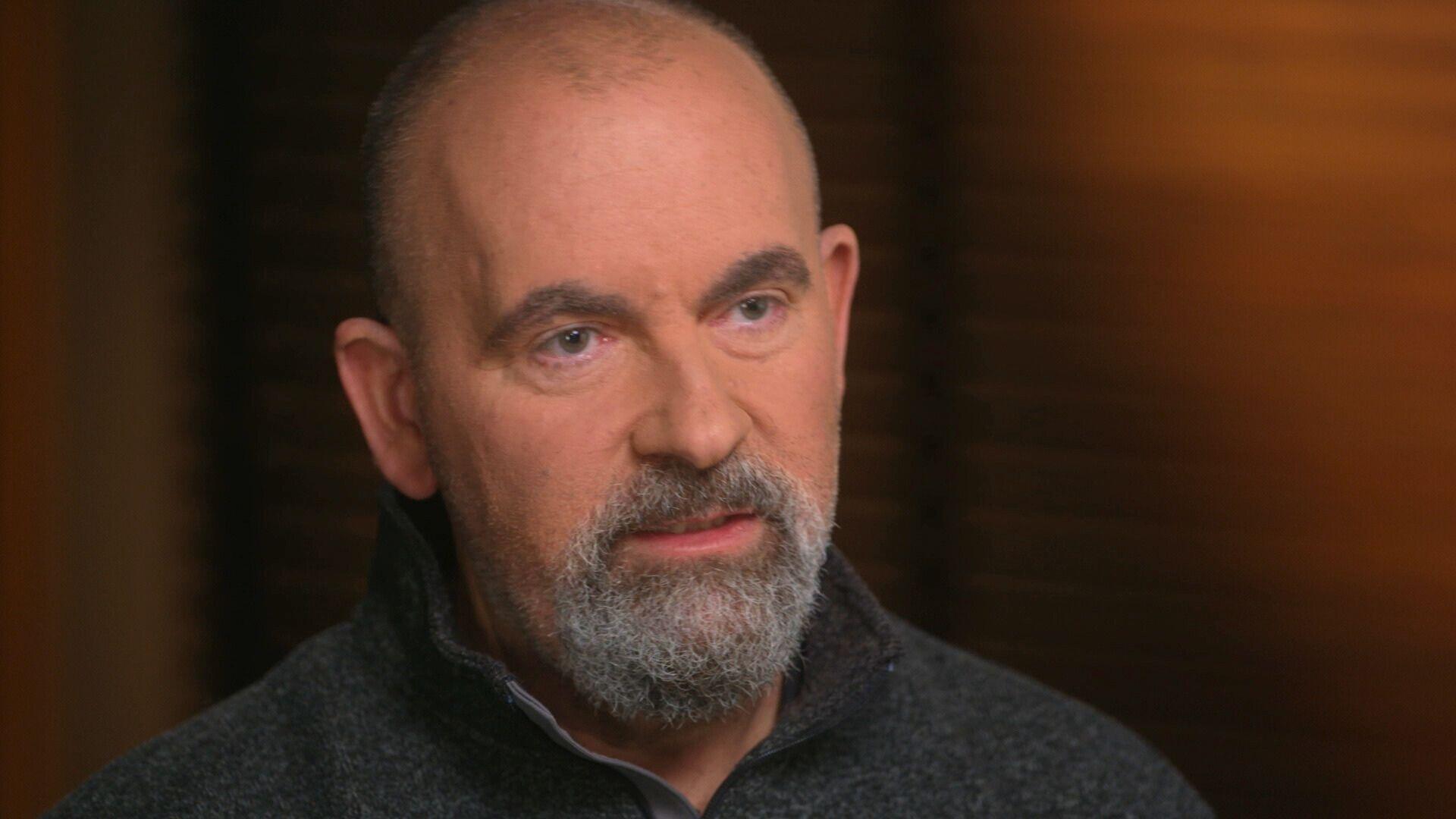
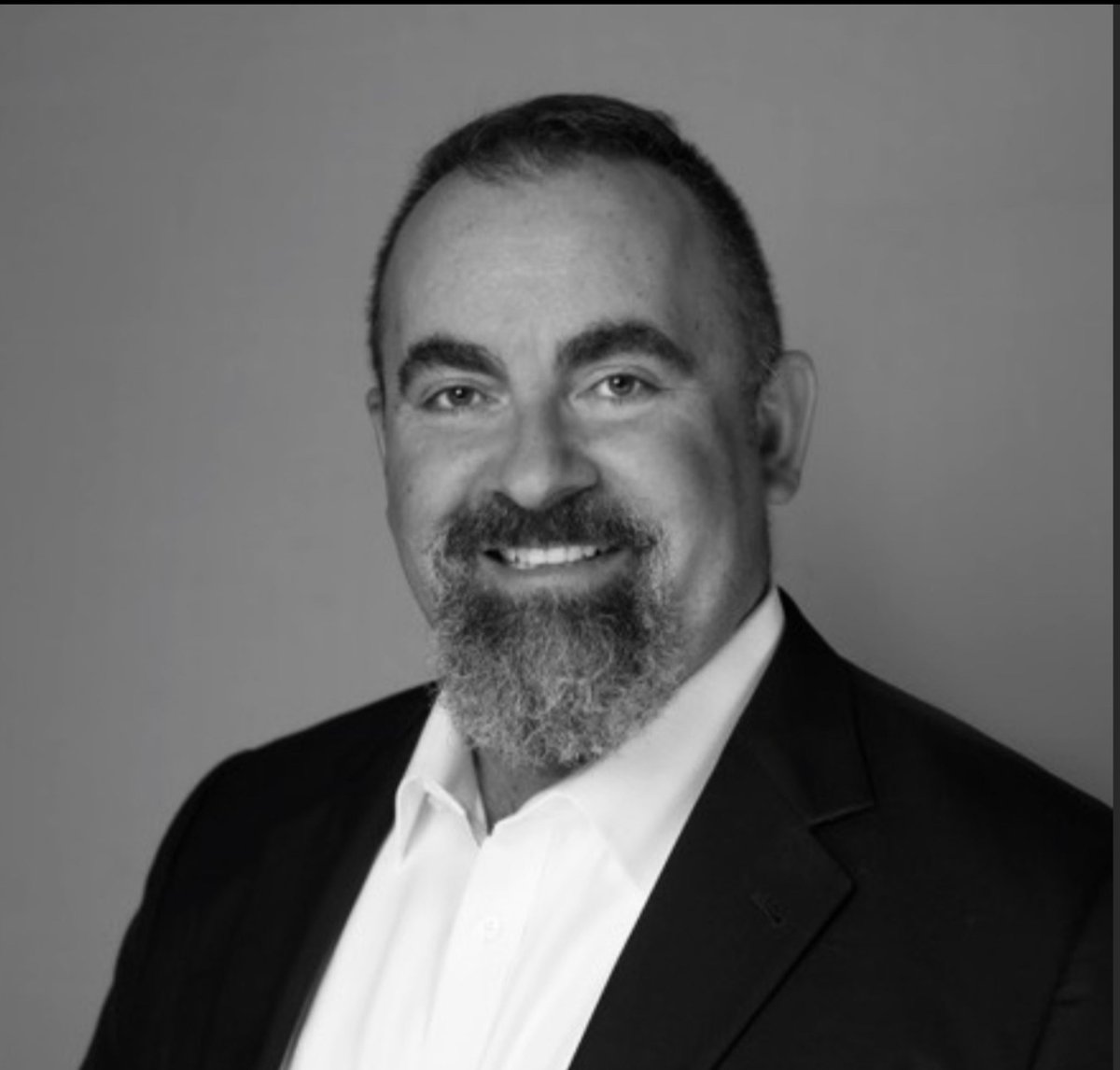
Understanding the Public and Private Life of Marc Polymeropoulos and His Family
Marc Polymeropoulos is a retired Central Intelligence Agency (CIA) officer whose public profile gained significant prominence following his service and subsequent struggle with Havana Syndrome. While he is a frequent commentator on int...
Marc Polymeropoulos is a retired Central Intelligence Agency (CIA) officer whose public profile gained significant prominence following his service and subsequent struggle with Havana Syndrome. While he is a frequent commentator on intelligence and national security matters, he maintains a clear boundary between his professional expertise and the privacy of his immediate family, which includes his wife and children.
Contents
The Professional Legacy of Marc Polymeropoulos
To understand why there is public interest in his personal life, one must first recognize the professional context of his career. As a veteran of the CIA’s Clandestine Service, Polymeropoulos served for 26 years, notably holding high-ranking positions including Chief of Operations for the Counterterrorism Center. His career involved high-stakes deployments in conflict zones, which inherently shaped the environment in which his family lived.
His transition to public life, particularly after his medical retirement in 2019, centered on his advocacy for victims of Anomalous Health Incidents (AHIs). The resilience of his family during his recovery from the debilitating symptoms he attributes to Havana Syndrome has been a recurring theme in his public narrative.
Maintaining Privacy and Security for Intelligence Families
Individuals who have held sensitive positions within the United States intelligence community operate under distinct security protocols. For families of former senior CIA officers, maintaining a low profile is not merely a preference but a standard security measure designed to mitigate risks associated with their past operations.
Strategic Boundaries in the Digital Age
In 2026, the digital footprint of intelligence families is managed with extreme caution. Several factors influence how information regarding the families of public figures in national security is curated:
- Operational Security (OPSEC): Former officers are trained to protect the identities and locations of family members to prevent targeting by adversarial intelligence services.
- Media Interaction: While Polymeropoulos frequently appears on news outlets like CNN or in print media to discuss global geopolitical risks, he consistently directs the conversation toward his policy expertise rather than his domestic life.
- Social Media Hygiene: Family members of high-profile security figures typically avoid public social media profiles to minimize the risk of social engineering or intelligence gathering by hostile entities.
The Impact of Public Service on Domestic Life
The intersection of professional duty and family life is a primary concern for many in the intelligence community. The physical and emotional toll taken by injuries sustained during service often transitions from the individual to the household.
Challenges Faced by Families of Intelligence Officers
The Nature of Service The life of an intelligence officer involves frequent relocations, long periods of separation, and the stress of working in hostile environments. For the family, this creates a unique set of challenges that are rarely documented in public records to ensure long-term safety.
Supportive Recovery After Health Crises
Following his diagnosis with symptoms consistent with Havana Syndrome, Polymeropoulos has been open about the support system he required to manage his condition. This included persistent advocacy for medical care, which eventually led to the passage of legislation aimed at providing support for victims of these incidents. His family played a critical role as his primary support system, emphasizing the importance of family stability during the transition from active duty to medical retirement.
Comparison of Public vs. Private Information Standards
The following table outlines the distinction between the information available to the public and the information restricted for security reasons.
| Information Category | Public Availability | Security Rationale |
|---|---|---|
| Professional Career | Documented (CIA Service) | Matters of public record and service history. |
| Advocacy Work | Highly Visible (AHI/Havana Syndrome) | Necessary for lobbying and policy impact. |
| Identity of Spouse/Children | Strictly Protected | Mitigates risk of harassment or targeting. |
| Current Residential Status | Restricted | Essential for physical security and privacy. |
| Historical Postings | Broadly Known (e.g., Afghanistan) | Historical context of his expertise. |
Advocacy for Victims of Anomalous Health Incidents
A major pillar of the current narrative surrounding Marc Polymeropoulos in 2026 is his continued advocacy for colleagues who remain affected by brain injuries sustained while on government duty. His family’s experience as part of the broader intelligence community support network underscores the human cost of these incidents.
His work focuses on ensuring that current government protocols provide:
- Diagnostic Parity: Ensuring that victims of mysterious health incidents are treated with the same urgency as those injured in traditional combat.
- Legislative Support: Maintaining the integrity of the HAVANA Act, which provides financial support for those affected.
- Transparency: Pushing for the declassification of information that can help families understand the risks their loved ones faced.
Frequently Asked Questions
Is Marc Polymeropoulos currently active in the CIA?
No, he retired in 2019 after 26 years of service. He now operates as a private consultant, author, and security commentator, focusing on national security policy and supporting fellow victims of Anomalous Health Incidents.
Why is there limited public information about his children?
The limitation of information regarding his family is a standard security precaution. Former intelligence officers are trained to maintain strict boundaries between their public professional persona and their private family life to ensure their personal safety and avoid potential exploitation.
Has his family been involved in his public advocacy?
While his family has served as his personal support system during his recovery, they remain private citizens. Marc Polymeropoulos acts as the public face for his advocacy, shielding his family from the public spotlight while acknowledging their support in his personal writings.
What is the primary focus of his commentary in 2026?
In 2026, his commentary focuses on the intersection of counterterrorism, the evolution of the intelligence community's response to modern geopolitical threats, and the ongoing push for medical and financial support for intelligence personnel injured in the line of duty.
How does his background impact his current public role?
His background as a former Chief of Operations at the CIA provides him with the credibility to analyze complex national security threats. This authority is bolstered by his personal experience as a victim of a foreign-originated health incident, giving his advocacy on AHI issues significant weight in policy circles.
Final Perspective on Public Figures in National Security
The case of Marc Polymeropoulos illustrates the difficult balance required of those who have served at the highest levels of national intelligence. While the public may seek information about their personal lives, the reality of the intelligence profession dictates that the most valuable and protected asset for these individuals remains the anonymity and safety of their families. By focusing on his professional contributions and his advocacy for health equity for government employees, the public can engage with his expertise while respecting the necessary boundaries that keep his family secure.
For those interested in his ongoing contributions, following his official publications and appearances in reputable security and defense policy forums remains the most accurate way to stay informed on his positions regarding current global events.
Image Gallery