Maximizing a Household Net Worth of $925,000: Strategies for the 2026 Financial Landscape
A household net worth of $925,000 represents a significant financial milestone, typically placing a family within the top 12% to 15% of U.S. households in 2026. While technically shy of the "millionaire" mark, this level of wealth prov...
A household net worth of $925,000 represents a significant financial milestone, typically placing a family within the top 12% to 15% of U.S. households in 2026. While technically shy of the "millionaire" mark, this level of wealth provides substantial stability and requires sophisticated management of asset allocation, tax liabilities, and retirement planning to ensure long-term growth and protection.
Contents
Defining the $925,000 Net Worth Milestone
To effectively manage a net worth of $925,000, one must first understand the calculation and its implications in the current economic environment. Net worth is the mathematical difference between a household's total assets and its total liabilities. In 2026, assets typically include primary residences, retirement accounts (401(k)s, IRAs), brokerage accounts, and personal property, while liabilities encompass mortgages, student loans, and consumer debt.
Reaching $925,000 is often a "tipping point." For many households, this figure is the result of years of disciplined saving and market appreciation. However, the utility of this wealth depends heavily on its liquidity. A household where $700,000 of the net worth is tied up in home equity faces very different financial challenges than one with $700,000 in liquid brokerage accounts. In the 2026 economy, characterized by moderated inflation and evolved digital asset classes, understanding this distinction is vital for maintaining purchasing power.
Benchmarking $925,000 in 2026
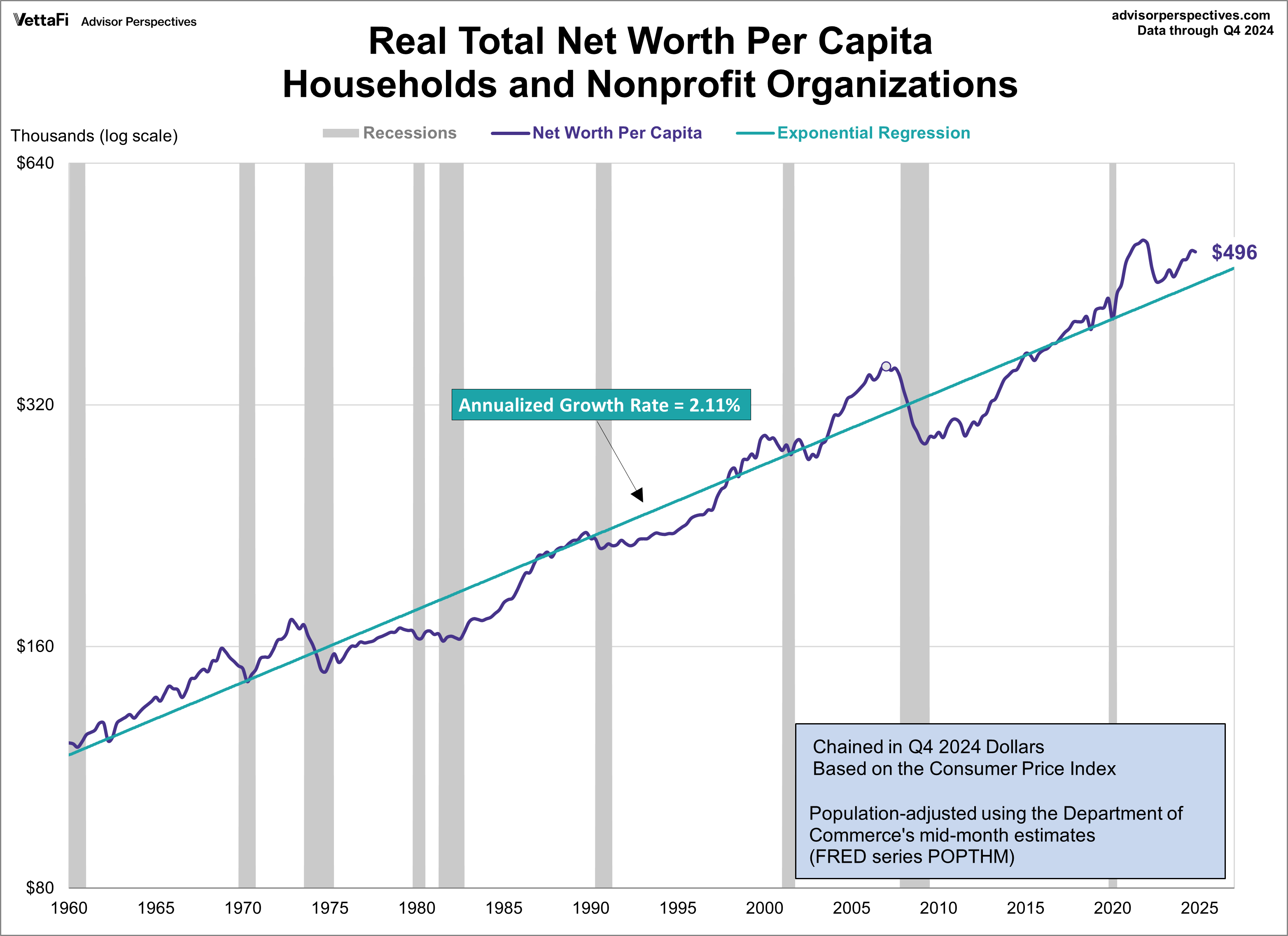
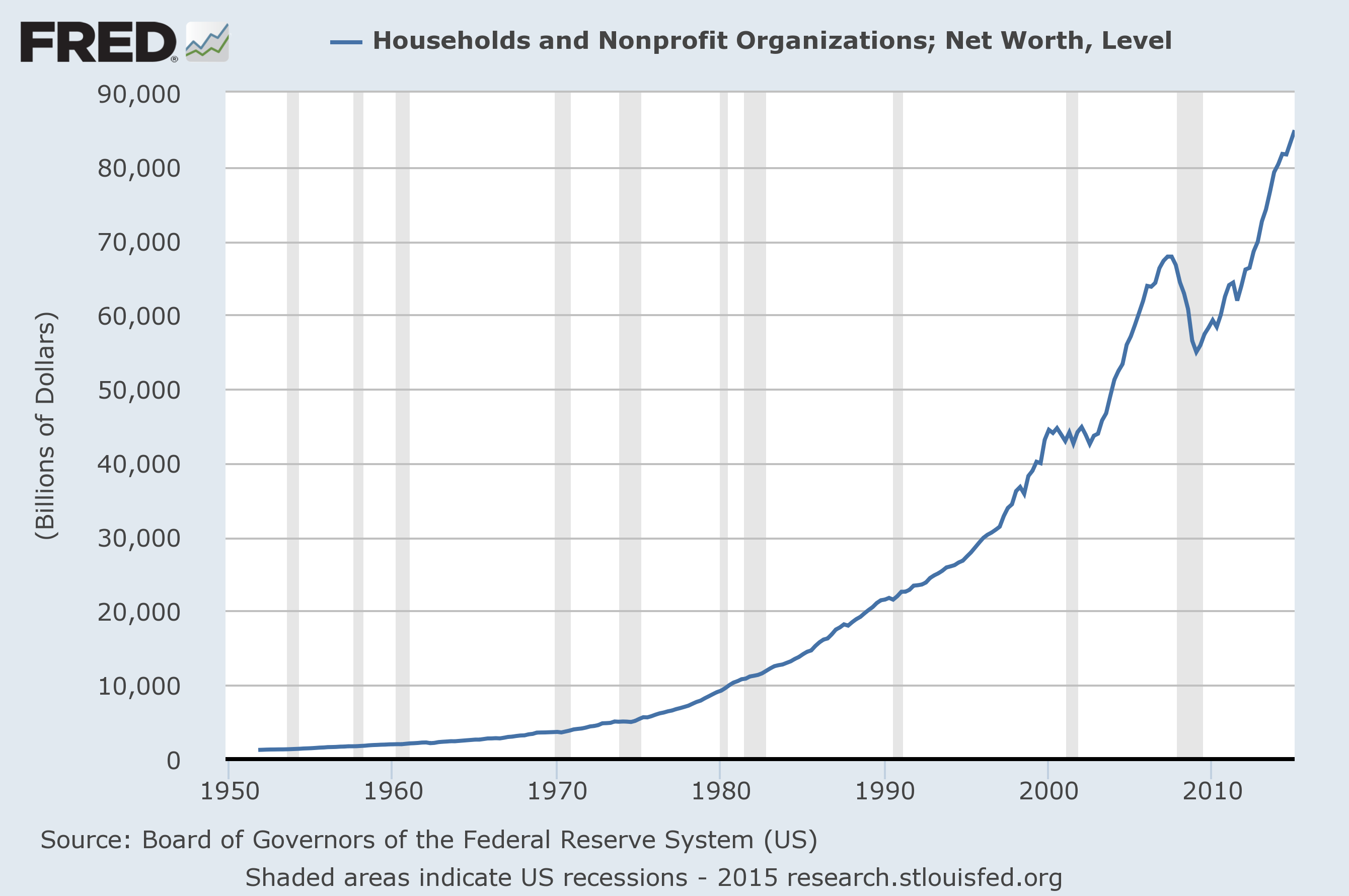
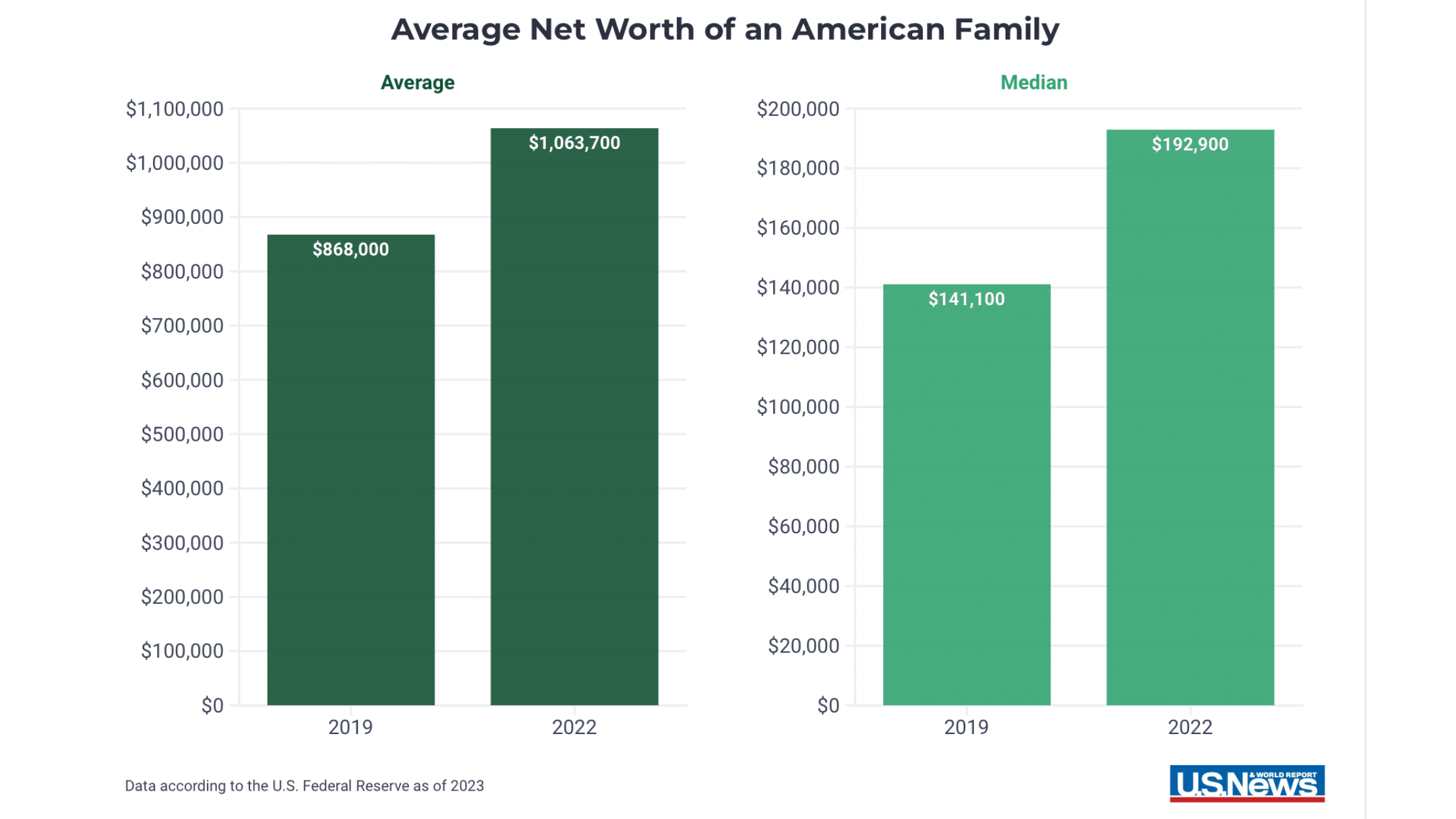
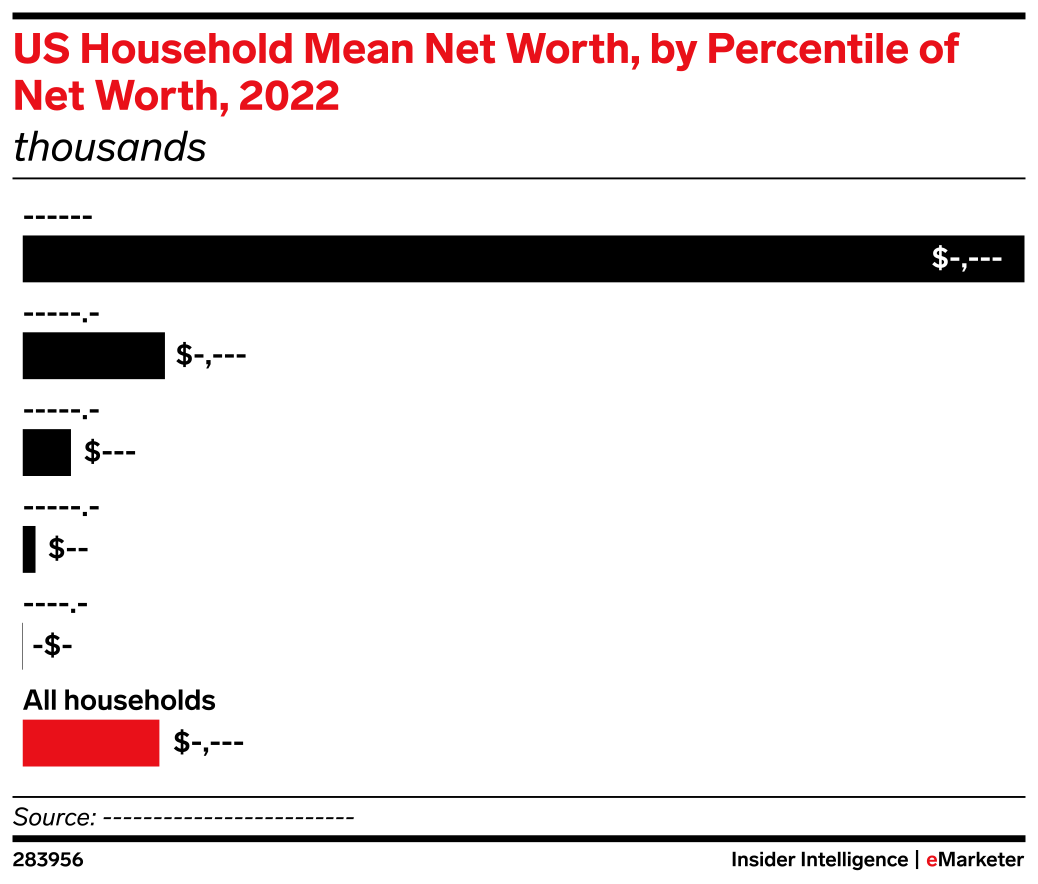
Contextualizing where $925,000 sits in the broader economic landscape helps in setting realistic future goals. According to data trends observed by the Federal Reserve Board, the median household net worth has seen steady growth, yet $925,000 remains well above the national average.
Age-Based Expectations
The "adequacy" of $925,000 is highly age-dependent. For a household in its 30s, this figure represents an extraordinary level of early-career success, likely positioning them for an early retirement or "FIRE" (Financial Independence, Retire Early) path. Conversely, for a household approaching retirement at age 65, $925,000 is a solid foundation but may require careful withdrawal strategies to last 30+ years, especially if social security benefits undergo the adjustments projected for the late 2020s.
Geographic Considerations
Cost of living significantly impacts the "feel" of a $925,000 net worth. In high-cost-of-living (HCOL) areas like San Francisco, New York, or Austin, a large portion of this net worth is often consumed by housing equity, leaving less for lifestyle and discretionary investment. In contrast, in mid-to-low-cost areas, this level of wealth may allow for a significantly higher standard of living and greater liquid investment potential.
Strategic Asset Allocation for the High-Six-Figure Household
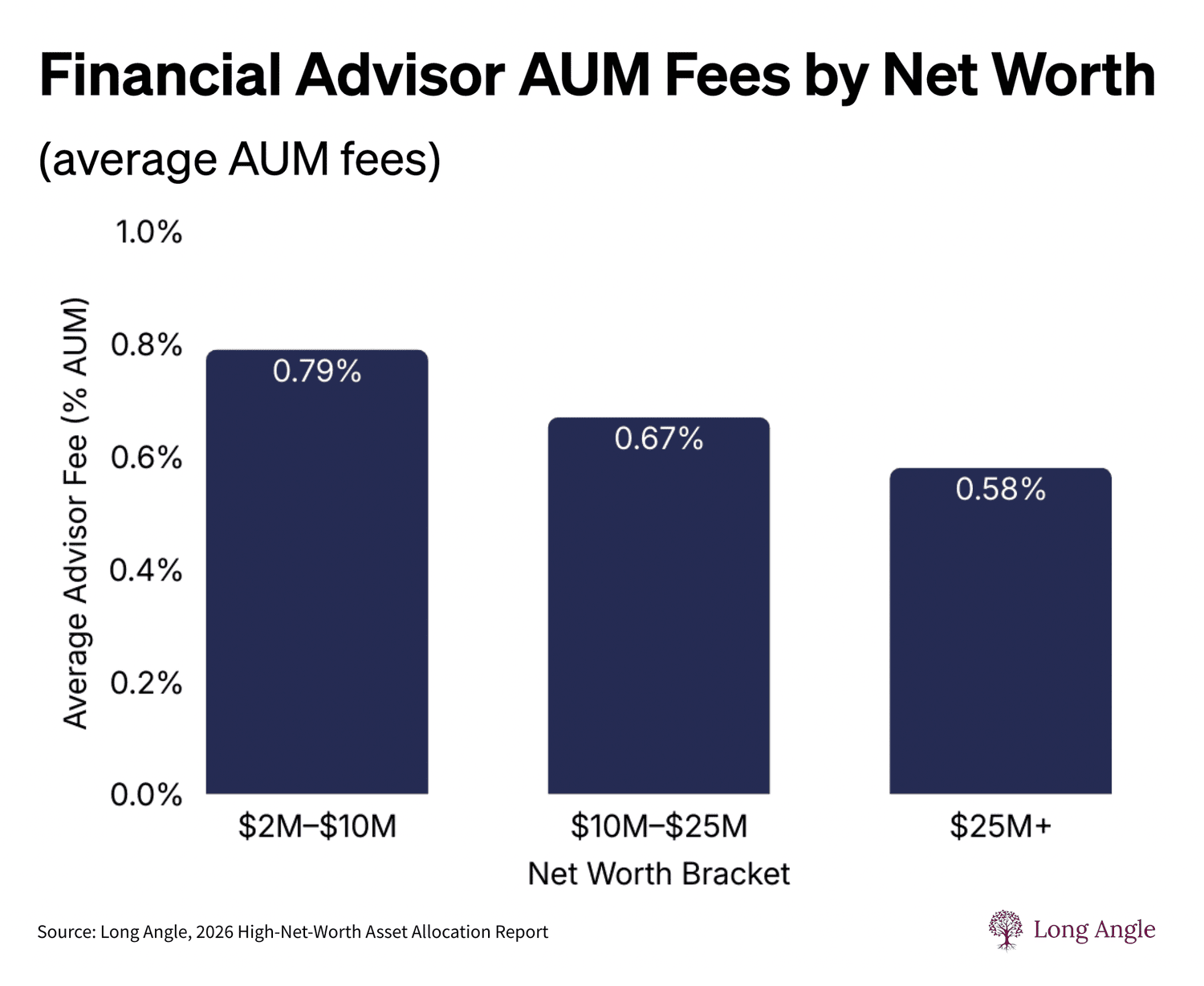
As a household approaches the million-dollar mark, the strategy often shifts from "wealth accumulation" to "wealth optimization." At $925,000, the impact of a 1% difference in annual returns or a 1% difference in fees becomes substantial—representing nearly $10,000 per year.
The Role of Equities and Fixed Income
In 2026, the traditional 60/40 portfolio has evolved. Many advisors suggest a more nuanced approach that includes international diversification and inflation-protected securities. With $925,000, a household can afford to diversify beyond simple index funds into factor-tilted ETFs or even private equity platforms that were previously reserved for accredited investors (those with $1M+ net worth), depending on current SEC regulations.
Real Estate Strategy
Home equity is often the largest single component of a $925,000 net worth. In the 2026 housing market, maintaining a balance between home equity and liquid assets is crucial. If a household is "house rich and cash poor," they might consider a home equity line of credit (HELOC) as a secondary emergency fund or explore downsizing to unlock capital for income-generating investments.
Emergency Funds and Liquidity
At this level, a simple $10,000 emergency fund is often insufficient. Most financial experts recommend holding 6 to 12 months of living expenses in high-yield savings accounts or money market funds. Given that a $925,000 household likely has higher monthly expenditures, this liquid cushion might range from $50,000 to $100,000.
Tax Optimization and Wealth Protection
With a net worth of $925,000, tax efficiency becomes a primary driver of total returns. It is no longer just about what you earn, but what you keep.
Tax-Advantaged Accounts
Maximizing contributions to 401(k)s, 403(b)s, and IRAs remains the baseline. However, households at this level should also look toward Health Savings Accounts (HSAs) as a "stealth IRA" and 529 plans for educational savings. In 2026, the Internal Revenue Service (IRS) continues to adjust contribution limits for inflation, and staying at the ceiling of these limits is essential for tax-deferred growth.
Umbrella Insurance: The Often Overlooked Shield
One of the most critical steps for a household worth $925,000 is the acquisition of an umbrella insurance policy. Standard homeowners and auto insurance policies have liability limits that are easily exhausted in a major lawsuit. An umbrella policy provides an additional layer of protection (usually $1M to $5M) for a relatively low annual premium, ensuring that a single accident or legal dispute does not wipe out years of wealth accumulation.
Comparison of Asset Distribution Models
The following table illustrates how two different households might structure a $925,000 net worth, depending on their priorities and life stage.
| Asset Class | Conservative/Retirement Focused | Growth/Accumulation Focused | Strategic Purpose |
|---|---|---|---|
| Primary Residence | $450,000 (48.6%) | $250,000 (27.0%) | Shelter & Long-term Equity |
| Retirement Accounts | $350,000 (37.8%) | $450,000 (48.6%) | Tax-Advantaged Growth |
| Taxable Brokerage | $50,000 (5.4%) | $175,000 (18.9%) | Liquidity & Capital Gains |
| Cash/Cash Equivalents | $75,000 (8.1%) | $40,000 (4.3%) | Safety & Opportunity Fund |
| Total Net Worth | $925,000 | $925,000 | 100% Allocation |
Psychological Hurdles: The "Millionaire" Gap
There is a distinct psychological barrier between $925,000 and $1,000,000. This is often referred to as "the final stretch." Households in this bracket may feel a sense of urgency to reach the seven-figure mark, which can lead to risky investment behaviors or "performance chasing."
Avoiding Lifestyle Creep
As wealth grows, the temptation to increase spending—known as lifestyle creep—becomes a major headwind. At $925,000, the ability to finance luxury vehicles or high-end vacations is present, but doing so can significantly delay the transition to a $1M+ or $2M+ net worth. Disciplined budgeting remains as important at $925k as it was at $92k.
The Power of Compounding
At this stage, the "heavy lifting" is increasingly done by the money itself rather than new contributions. If $500,000 of the $925,000 net worth is invested in the market, a standard 7% annual return yields $35,000—potentially more than the household's annual savings rate. Understanding this shift from "labor-earned income" to "capital-earned income" is vital for long-term psychological and financial health.
Frequently Asked Questions
Is $925,000 considered "rich" in 2026?
While "rich" is subjective, $925,000 places a household in the upper-middle class or "mass affluent" category. It provides significant security and options that the average household does not have, but it typically does not support a "work-free" lifestyle in a high-cost area without continued supplemental income.
Can I retire on a net worth of $925,000?
Retirement viability depends on the 4% rule, which suggests a safe withdrawal rate. A $925,000 net worth (assuming it is entirely liquid and invested) would generate roughly $37,000 in annual pre-tax income. If a large portion is tied up in a home, the available income drops. Most households would need to combine this with Social Security or a pension to maintain a standard middle-class lifestyle.
Should I pay off my mortgage with a $925,000 net worth?
This depends on the interest rate of the mortgage versus the expected return of the market. In 2026, if a mortgage rate is below 5% and the market is returning 7-8%, it is mathematically superior to keep the mortgage and invest the cash. However, the psychological benefit of being debt-free is a factor many households prioritize as they approach the $1M mark.
What is the most important financial move at this level?
Beyond asset allocation, the most important move is often estate planning. Ensuring that a will, power of attorney, and potentially a living trust are in place ensures that the $925,000 is distributed according to the household's wishes and minimizes the probate process for heirs.
How does inflation affect a $925,000 net worth?
Inflation erodes the purchasing power of cash. With $925,000, a household must ensure that a significant portion of their assets are in "inflation-sensitive" investments like equities or real estate, rather than just certificates of deposit (CDs) or standard savings accounts, to ensure their wealth grows in real terms.
Practical Next Steps for the $925,000 Household
To transition from $925,000 to a multi-million dollar net worth, households should focus on three immediate actions:
- Conduct a Comprehensive Insurance Audit: Verify that liability limits are sufficient and secure an umbrella policy if one does not exist.
- Optimize Tax Location: Ensure that high-growth, tax-inefficient assets are held in retirement accounts, while tax-efficient assets (like municipal bonds or index funds) are held in taxable brokerage accounts.
- Set a "Millennium" Goal: Define a specific timeframe to reach $1,000,000 through a combination of automated contributions and a diversified investment strategy, while resisting the urge to take excessive risks to "speed up" the process.
By treating a $925,000 net worth as a professional portfolio rather than just a bank balance, households can ensure that this milestone serves as a springboard to true financial independence.
Image Gallery