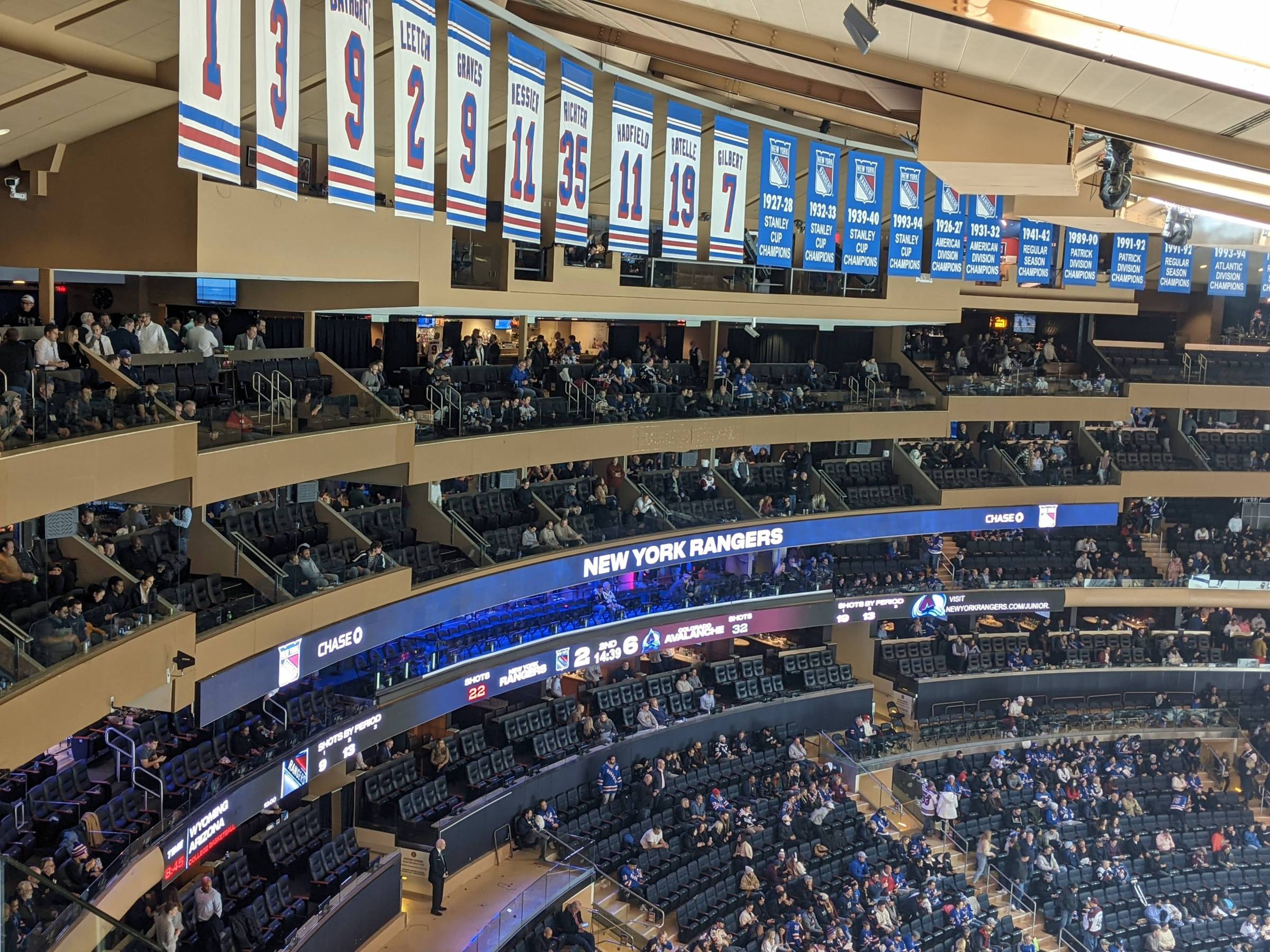
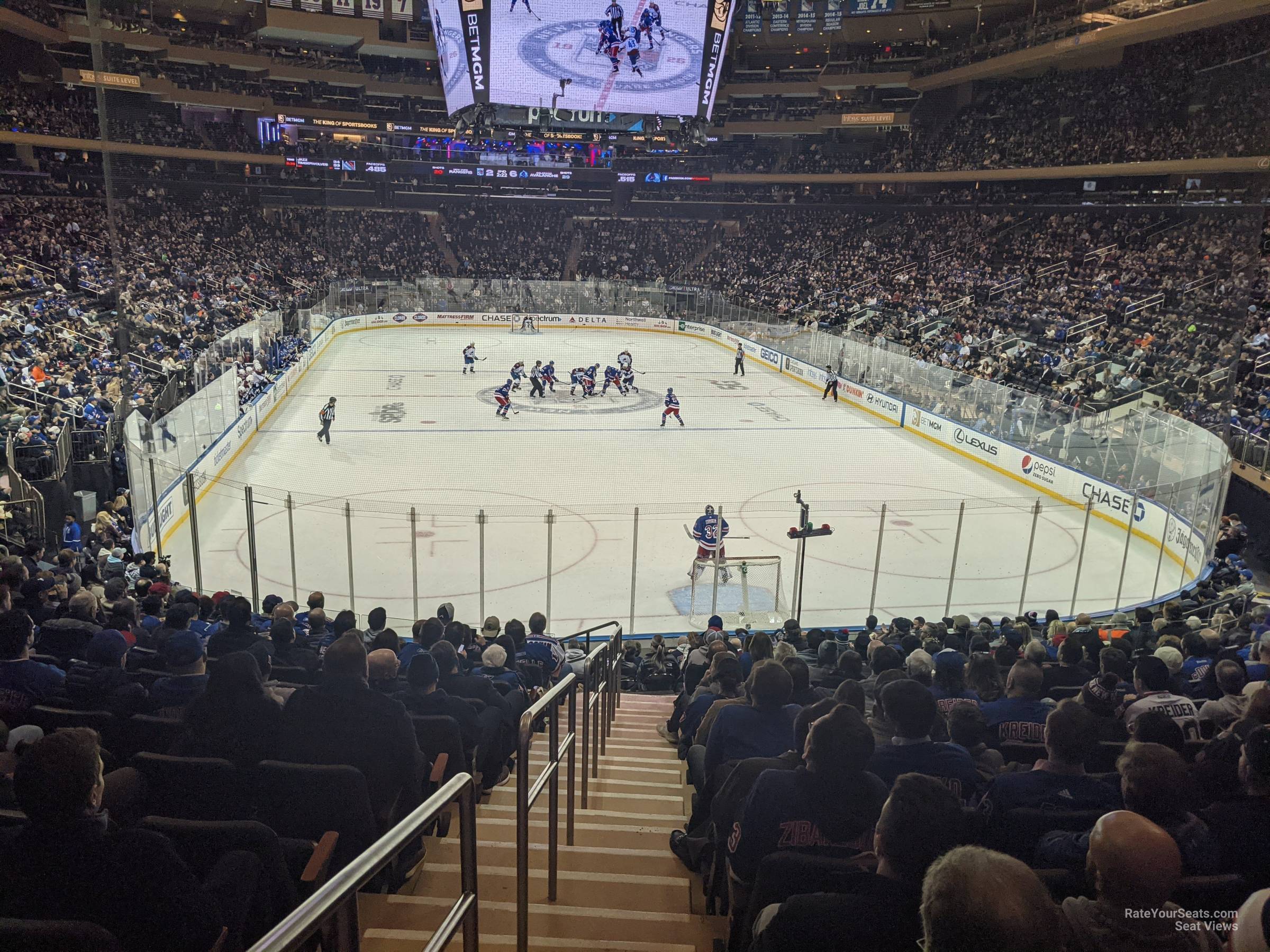
Exploring MSG Networks and the New York Rangers 3D Stadium View Experience
The MSG Networks platform and the New York Rangers digital ecosystem offer immersive visualization tools like the 3D stadium view, allowing hockey fans to preview seating arrangements, sightlines, and arena layouts interactively. This...
The MSG Networks platform and the New York Rangers digital ecosystem offer immersive visualization tools like the 3D stadium view, allowing hockey fans to preview seating arrangements, sightlines, and arena layouts interactively. This integration of sports broadcasting and digital venue technology enhances how supporters engage with live games at Madison Square Garden.
Contents
Understanding the New York Rangers Visual Fan Experience
Modern sports consumption extends far beyond traditional television broadcasts. Fans increasingly demand interactive digital experiences that replicate or preview the physical atmosphere of legendary arenas. The New York Rangers, playing out of the historic Madison Square Garden in New York City, maintain a deeply passionate global fan base. To bridge the gap between digital streaming on MSG Networks and physical attendance, digital venue mapping tools have become essential components of the modern sports entertainment landscape.
MSG Networks serves as the primary regional sports network broadcasting live Rangers games, pre-game analysis, and post-game shows. Concurrently, digital stadium mapping technologies give ticket buyers, season ticket holders, and casual spectators unprecedented control over how they select seats. By combining high-resolution visual rendering engines with accurate architectural data of Madison Square Garden, these platforms allow users to virtually step inside the arena before purchasing a ticket or tuning into a specialized broadcast perspective.
Technical Architecture of Modern 3D Stadium Renderings
The execution of a 3D stadium view relies on advanced computer graphics, spatial mapping, and user interface design. Rendering a historic multi-purpose arena like Madison Square Garden requires precise spatial data capture to ensure that every virtual seat reflects reality.
- Photogrammetry and Laser Scanning: Arenas undergo detailed laser scanning to capture exact millimeter measurements of seating tiers, overhangs, handrails, and scoreboards.
- Polygon Mesh Generation: Engineers convert point cloud data into structured 3D polygon meshes, forming the structural skeleton of the bowl, lower bowl, luxury suites, and upper-level seating decks.
- Texturing and Lighting Engines: Real-time rendering engines apply accurate textures, team branding, and dynamic lighting that simulates both standard game-night conditions and concert setups.
- Web-Based Delivery: Utilizing WebGL and modern JavaScript frameworks, these high-end 3D environments run smoothly within standard web browsers and mobile applications without requiring heavy local software installations.
These technical layers ensure that when a user rotates the camera angle from Section 101 to Section 227, the perspective shifts fluidly, accurately demonstrating how structural elements like the Chase Bridge or suspended scoreboard might impact sightlines.
Integrating MSG Networks Broadcasts with Venue Visualization
MSG Networks has consistently innovated in sports television production, incorporating advanced camera angles, augmented reality overlays, and high-definition telemetry. The intersection of MSG Networks programming and 3D stadium views provides several distinct advantages for the audience.
Broadcast Synergy and Fan Engagement: When broadcasters on MSG Networks reference specific sections of Madison Square Garden—such as the historic lower bowl or the Blue Seats in the upper deck—viewers familiar with the 3D stadium layout can instantly visualize the exact physical vantage point of those commentators or players on the ice. This spatial awareness enriches the viewing experience, turning flat television screens into mentally connected physical spaces.
Furthermore, digital integrations often feature synchronized data feeds. During live broadcasts, interactive second-screen applications allow fans to view stats while manipulating the 3D venue model, exploring how different camera positions capture the speed and intensity of NHL play.
Evaluating the Pros and Cons of Interactive Arena Views
Navigating ticket purchases or understanding venue geometry involves weighing the benefits and limitations of digital visualization tools.
| Feature / Aspect | 3D Interactive Stadium View | Traditional Static Seating Charts |
|---|---|---|
| Visual Accuracy | High fidelity; renders overhangs, obstructions, and precise distance to ice. | Flat, 2D diagrams that lack height and depth perception. |
| User Interactivity | Full 360-degree rotation, zoom capabilities, and first-person seat simulation. | Static zooming with limited perspective shifting. |
| Device Performance | Requires a stable internet connection and moderate graphics processing power. | Loads instantly on any device with minimal resource consumption. |
| Contextual Data Integration | Often links directly to pricing, ticket availability, and real-time inventory. | Typically requires separate navigation to ticketing portals. |
While 3D visualizations offer superior immersion, users must account for minor rendering discrepancies where digital textures may slightly differ from physical renovations or temporary seating configurations implemented for special events.
Step-by-Step Guide to Accessing and Using Madison Square Garden 3D Views
For fans looking to explore Madison Square Garden seating layouts or prepare for an upcoming New York Rangers game, utilizing these digital mapping tools is a straightforward process.
- Navigate to the Official Portal: Access the official Madison Square Garden ticketing partner website or the New York Rangers official digital seating map interface.
- Select the Event or Seating Chart Mode: Choose either a specific upcoming game date or open the general arena 3D interactive seating explorer tool.
- Isolate the Desired Tier: Use the side menu or tier selector to filter between the Lower Bowl, Suite Level, Delta Sky360° Club areas, and the Upper Concourse.
- Click into a Specific Section and Row: Select your target section number. The interface will prompt you to choose a row and specific seat number to update the perspective camera.
- Inspect Sightlines and Obstructions: Rotate the 360-degree camera to check for potential handrail obstructions, overhangs from upper decks, or proximity to the penalty boxes and player benches.
- Transition to Ticketing: Once satisfied with the virtual perspective, use the integrated platform links to review pricing, verify availability, and complete secure checkout.
Troubleshooting Common Digital Mapping and Streaming Issues
Users occasionally encounter technical hiccups when interacting with heavy 3D web applications or streaming companion content on MSG Networks platforms.
- Slow Rendering or Freezing: If the 3D stadium model stutters or fails to load textures, ensure hardware acceleration is enabled in your web browser settings and update your graphics drivers.
- Mobile Compatibility Errors: Older mobile operating systems may struggle with complex WebGL environments. Switching to a desktop browser or updating your smartphone's default browser app usually resolves rendering failures.
- Audio-Video Desync on Streams: When pairing second-screen 3D maps with live MSG Networks streaming, minor broadcast delays can occur. Refreshing the video stream player typically realigns the broadcast clock with interactive timelines.
Frequently Asked Questions Regarding Rangers Broadcasts and Venue Tools
What is the primary purpose of a 3D stadium view for Madison Square Garden?
The primary purpose is to provide ticket buyers and hockey fans with an accurate, immersive 360-degree preview of sightlines, distances, and potential obstructions from any specific seat before making a purchase. This eliminates guesswork regarding arena geometry.
How do MSG Networks broadcasts enhance the New York Rangers fan experience?
MSG Networks delivers comprehensive live game coverage, expert pre-game and post-game analysis, and high-definition camera angles that capture every play. This coverage pairs naturally with digital venue tools to give fans a complete understanding of the team and its home arena.
Can I access the 3D stadium view on a mobile phone?
Yes, modern interactive seating maps utilize responsive WebGL technology, allowing users to access, rotate, and explore the 3D Madison Square Garden layout directly from mobile browsers and official team apps.
Are all seats at Madison Square Garden visible in the 3D model?
The vast majority of standard seating tiers, suites, and club levels are fully rendered in the 3D map. However, temporary seating configurations implemented for non-hockey events may occasionally differ from standard Rangers game layouts.
How do I ensure my view of the ice is not obstructed?
When using the 3D stadium tool, select individual rows near your target price point and examine the warning indicators or visual overhangs provided in the interactive field-of-view panel to verify clear sightlines to both goals.
Optimizing Your Next New York Rangers Game Day Experience
Combining the in-depth broadcast coverage provided by MSG Networks with the spatial clarity of interactive 3D stadium mapping ensures that every New York Rangers supporter remains connected to the action. Whether analyzing line combinations from home or planning your next trip to Madison Square Garden, leveraging these digital tools maximizes your engagement with one of hockey's most storied franchises.
Image Gallery