Comprehensive Guide to the Biscotti Strain: Genetics, Profile, and Cultivation Standards for 2026
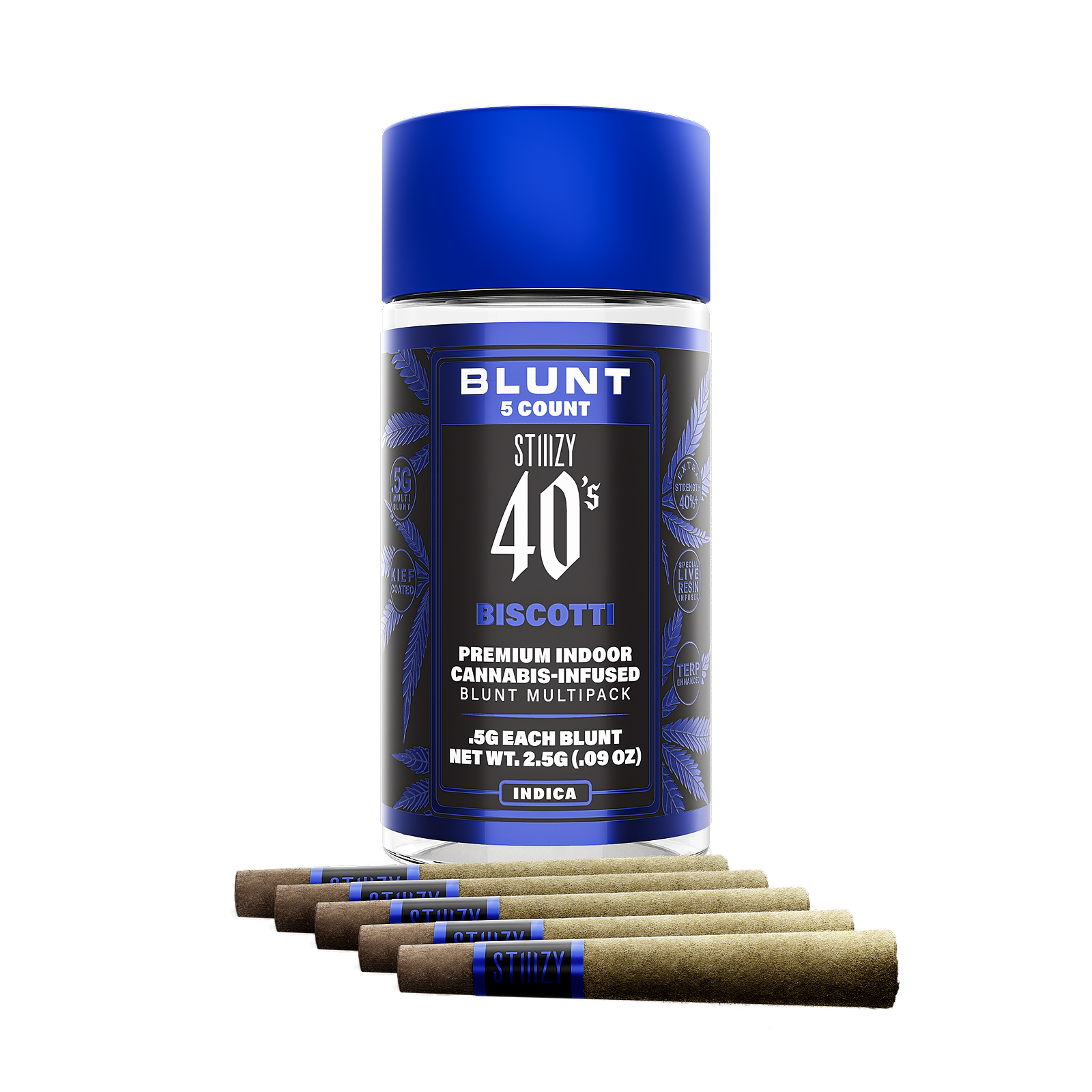
The Biscotti strain is a potent indica-dominant hybrid celebrated for its unique terpene profile, characterized by sugary, cookie-like aromatics and high cannabinoid concentration. Often reaching THC levels between 25% and 30%, it is w...
The Biscotti strain is a potent indica-dominant hybrid celebrated for its unique terpene profile, characterized by sugary, cookie-like aromatics and high cannabinoid concentration. Often reaching THC levels between 25% and 30%, it is widely recognized by cannabis enthusiasts for providing a balanced, physically relaxing experience coupled with cerebral stimulation, making it a staple in premium dispensaries.
Contents
Genetic Lineage and Breeding History
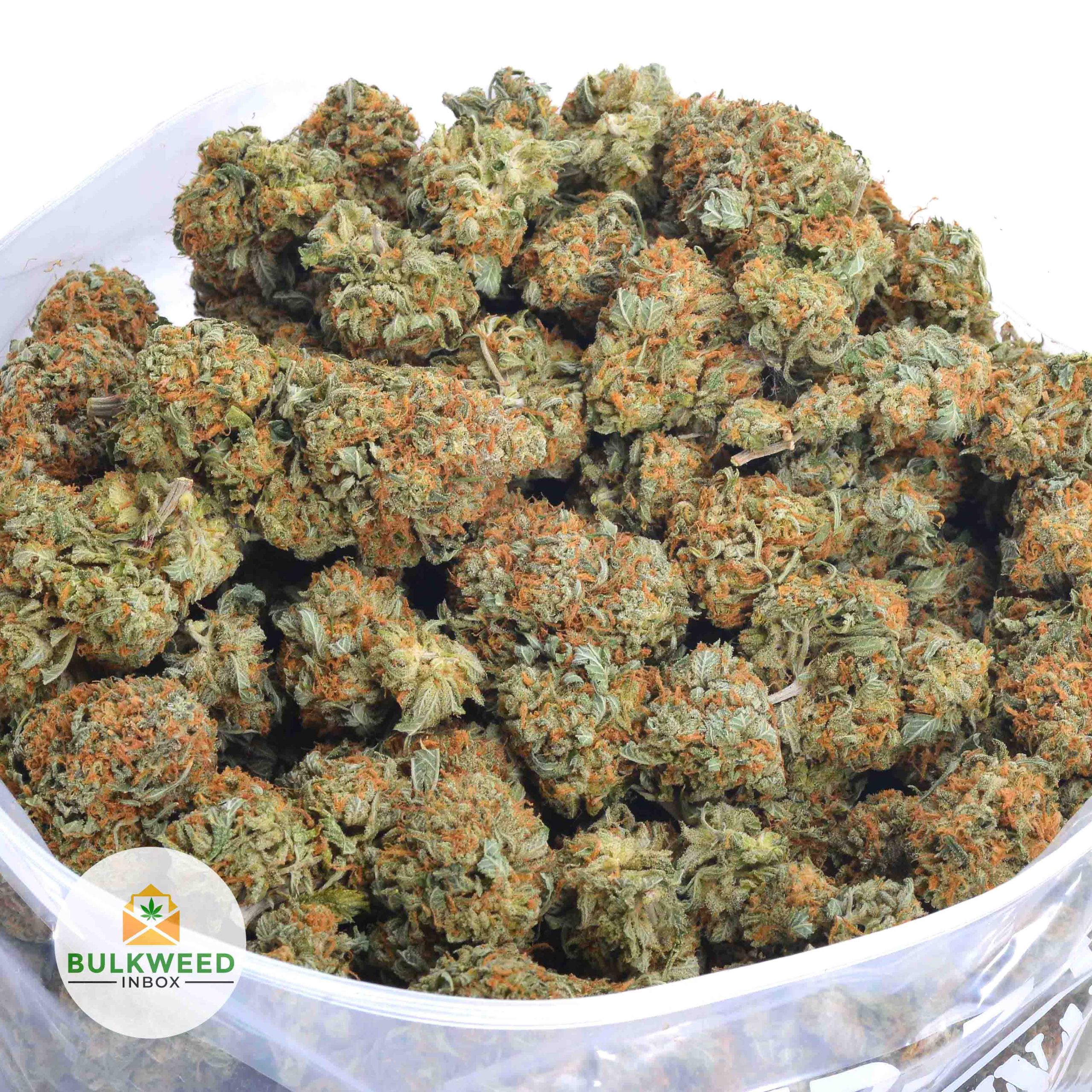
Understanding the origins of the Biscotti strain is essential for cultivators and consumers alike. The cultivar was developed by crossing South Florida OG, Gelato #25, and Girl Scout Cookies (GSC). This specific genetic combination was selected to isolate the heavy trichome production of the Gelato line while enhancing the nuanced flavor profile of the GSC lineage.
- South Florida OG: Contributes to the structural integrity and the gassy, earthy undertones of the final product.
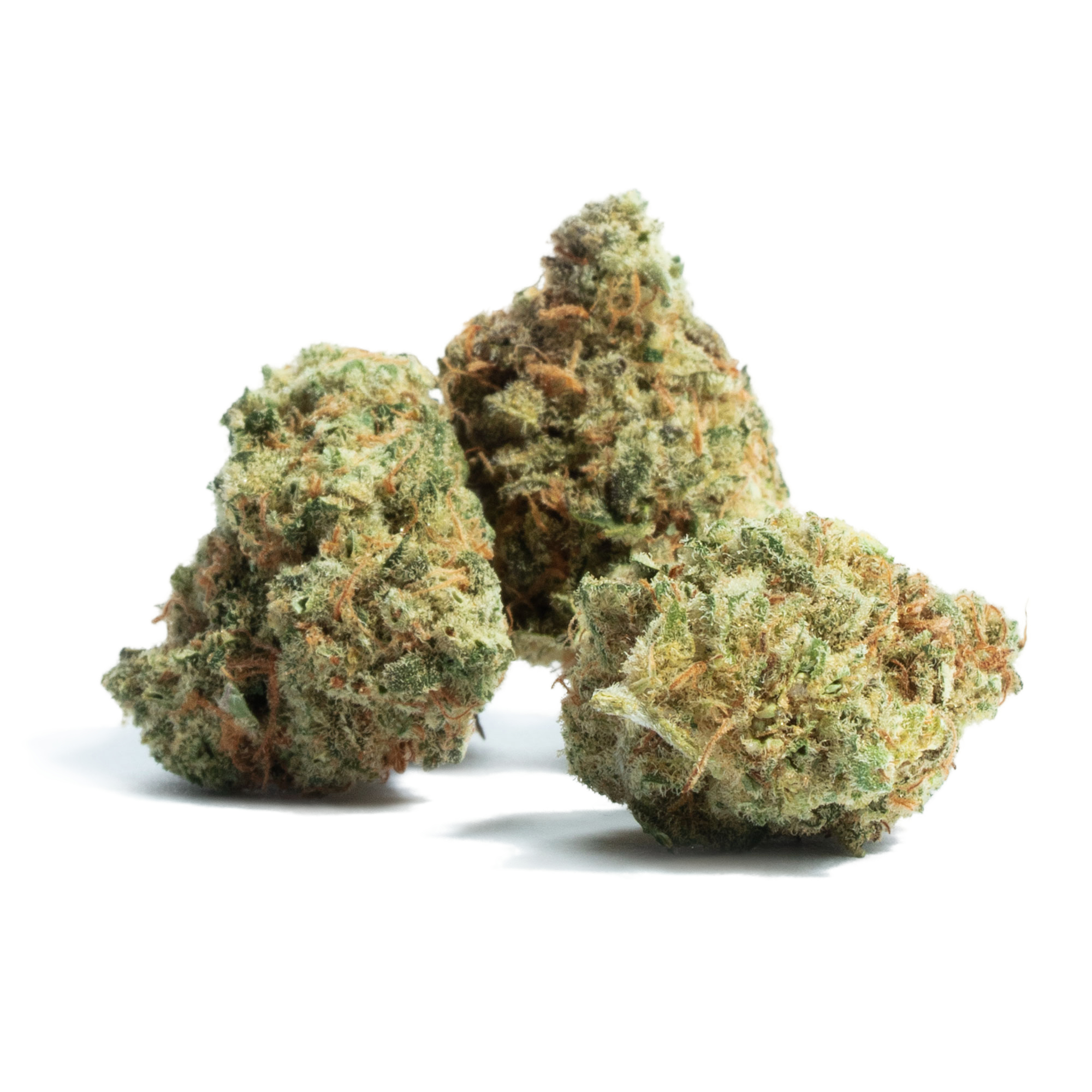
- Gelato #25: Provides the creaminess and the distinct purple coloration often observed in well-cured Biscotti flowers.
- Girl Scout Cookies: Influences the dense, spear-shaped bud structure and the high resin content that defines the strain’s market value.
Since its rise to prominence, breeders have refined the phenotype to ensure consistency. As of 2026, the market distinguishes between the original Cookies-affiliated genetics and subsequent hybridizations. When sourcing genetics, prioritize reputable breeders who maintain the original clone-only heritage to ensure the authentic aromatic profile is preserved.
Chemical Composition and Terpene Profile
The experiential value of the Biscotti strain is largely dictated by its chemical synergy, often referred to as the "entourage effect." The high cannabinoid content is supported by a rich tapestry of terpenes that define its sensory experience.
Dominant Terpenes
- Caryophyllene: Provides a spicy, peppery top note and contributes to the potential anti-inflammatory properties often associated with this strain.
- Limonene: Adds a subtle citrus brightness that cuts through the heavy, doughy scent.
- Myrcene: The foundational terpene that contributes to the strain's sedative, body-heavy effects, often enhancing the overall relaxation experienced by the user.
- Linalool: Present in smaller concentrations, this terpene contributes to the floral, lavender-like undertones that surface during the exhale.
| Terpene | Aroma Profile | Primary Potential Effect |
|---|---|---|
| Caryophyllene | Peppery / Spicy | Anti-inflammatory / Anxiolytic |
| Limonene | Citrus / Zesty | Uplifting / Mood Elevation |
| Myrcene | Earthy / Musky | Sedative / Muscle Relaxation |
| Linalool | Floral / Herbal | Stress Relief / Calming |
Cultivation Parameters and Environmental Requirements
Achieving the high-quality standards expected of Biscotti in 2026 requires precise environmental control. As an indica-dominant plant, it thrives in controlled indoor settings, though it can perform well in temperate outdoor climates if humidity is carefully managed during the final weeks of flowering.
Technical Growing Specifications
- Vegetative Stage: Requires high-intensity LED lighting with a spectrum favoring blue light to encourage sturdy, lateral branching.
- Flowering Cycle: Typically ranges between 8 to 10 weeks. Indoor setups should maintain a temperature range of 68-78°F (20-25°C).
- Humidity Management: Relative humidity must be dropped to 40-45% during the final three weeks of flowering to prevent mold development within the exceptionally dense flower clusters.
- Nutrient Requirements: Biscotti is a heavy feeder. It requires consistent nitrogen levels during the early vegetative phase and a significant increase in phosphorus and potassium during the transition to bloom to support the dense trichome production.
Consumption Experience and Physiological Effects
Users of the Biscotti strain typically report a phased experience. The onset is often characterized by a rapid, mood-lifting cerebral buzz, which transitions into a profound physical relaxation. Because of its high THC content, it is often recommended for evening use.
Expert Consumption Guidelines
For Medicinal Users: Due to the high concentrations of caryophyllene and myrcene, many users utilize Biscotti for the management of chronic stress and localized muscle tension. Start with a low dose, particularly if you have low tolerance to high-THC cultivars.
For Recreational Consumers: The strain is highly valued for social settings where deep conversation is prioritized. However, the heavy "couch-lock" potential in high doses means it is best suited for environments where significant physical activity is not required.
Addressing Common Cultivation Challenges
Even for experienced growers, the Biscotti strain presents specific challenges that require proactive management to ensure a successful yield in 2026 standards.
- Botrytis (Bud Rot): Due to the extreme density of the buds, air circulation is critical. Utilize oscillating fans to ensure canopy airflow and prevent stagnant air pockets.
- Nutrient Burn: Because the strain is a heavy feeder, beginners often over-fertilize, leading to leaf tip burn. Monitor EC (Electrical Conductivity) levels closely, starting at 1.2 and gradually increasing to 2.0 during peak bloom.
- Light Stress: Despite its durability, Biscotti can show signs of light bleaching if canopy temperatures exceed 82°F or if light intensity is too high in the final two weeks. Ensure lights are calibrated to the manufacturer’s PAR (Photosynthetically Active Radiation) recommendations.
Frequently Asked Questions
Is the Biscotti strain considered a high-THC variety? Yes, Biscotti is consistently classified as a high-THC strain, with most commercial samples testing between 25% and 30% THC. This potency is a hallmark of the strain and necessitates caution for individuals with low tolerance levels.
What is the best way to store Biscotti flowers to maintain terpene integrity? Store in airtight, opaque glass containers away from direct light and heat, ideally in an environment between 60-65% relative humidity. Using humidity control packs can help preserve the volatile terpenes that give Biscotti its signature aroma.
How does Biscotti compare to other popular Cookies-family strains? Compared to standard GSC, Biscotti generally offers a more pronounced sedative effect and a deeper, earthier flavor profile. It is structurally denser, which distinguishes it from the more Sativa-leaning expressions of the Cookies lineage.
Can Biscotti be grown outdoors effectively? It is possible to grow Biscotti outdoors, but it is highly susceptible to mold in humid climates due to its dense bud structure. It is best suited for Mediterranean-style climates with low late-season rainfall.
Does the Biscotti strain provide an energetic or sedative effect? Biscotti is primarily known for a sedative, body-centered effect. While the onset includes a mild, euphoric cerebral lift, the long-term effect is deeply relaxing, making it an ideal choice for evening consumption.
Strategic Recommendations for Connoisseurs
For those looking to optimize their interaction with the Biscotti strain in 2026, focusing on the curing process is paramount. The difference between an average harvest and a top-shelf product often lies in the post-harvest cure. Ensure a slow, 14-day dry process followed by a jar cure that lasts at least 30 days. This allows the chlorophyll to break down fully, revealing the sophisticated cookie and gas notes that define the strain's premium market standing.
If you are sourcing, always verify the Certificate of Analysis (COA) to ensure that the batch has been screened for pesticides, heavy metals, and microbial contaminants. Reputable dispensaries will provide this data upon request, confirming the safety and quality of the product.
Image Gallery