Why You Should Freeze Your Child’s Credit Right Now: A Parent’s Guide to Preventing Child Identity Theft
Freezing your child’s credit protects their Social Security number from identity theft and synthetic fraud long before they reach adulthood. Because minors rarely apply for credit, thieves often exploit their unused SSNs for years unde...
Freezing your child’s credit protects their Social Security number from identity theft and synthetic fraud long before they reach adulthood. Because minors rarely apply for credit, thieves often exploit their unused SSNs for years undetected. Initiating a minor credit freeze locks their credit file across major bureaus, completely preventing unauthorized credit accounts from being opened in their name.
Contents
The Hidden Epidemic of Child Identity Theft
Child identity theft is one of the fastest-growing financial crimes, yet it remains largely invisible to most parents. Unlike adults, who routinely check their bank accounts, monitor credit scores, and review monthly statements, children have no reason to interact with the credit system. This makes a child’s Social Security number (SSN) an exceptionally attractive target for identity thieves.
Criminals value a child's SSN primarily because it represents a clean slate—an unused number with no negative history and no active monitoring. Identity thieves often employ a sophisticated technique known as synthetic identity fraud. In synthetic fraud, a perpetrator combines a real, unmonitored SSN belonging to a child with a fake name, false date of birth, and fabricated mailing address.
Because the credit bureaus may not immediately cross-reference the name with the SSN when a new credit application is submitted, an identity thief can successfully open credit cards, take out personal loans, lease apartments, or secure auto loans.
- Child's Valid SSN + Fictitious Name & DOB = Synthetic Identity
- Unauthorized Credit Cards / Auto Loans / Mortgages
- Years of Unnoticed Default & Credit Damage
The damage caused by synthetic identity fraud often persists for a decade or more without detection. Parents usually discover the crime only when their child turns 18 and applies for their first student loan, auto financing, apartment lease, or starter credit card, only to be rejected due to an established history of severe credit defaults, collection accounts, and tax liens.
What Is a Minor Credit Freeze and How Does It Work?
A credit freeze—technically known as a security freeze—is a legal right established under federal law that restricts access to a consumer’s credit report. When a freeze is active, credit reporting agencies cannot disclose the contents of the file to potential lenders without explicit authorization. Because most financial institutions will not extend credit without reviewing a applicant's credit history, placing a freeze effectively blocks identity thieves from opening new accounts in your child's name.
Under the federal Economic Growth, Regulatory Relief, and Consumer Protection Act, parents and legal guardians nationwide are legally entitled to freeze the credit of any child under the age of 16 free of charge.
Freezing vs. Monitoring: Understanding the Difference
Many parents confuse credit monitoring services with a credit freeze. It is essential to understand the distinction:
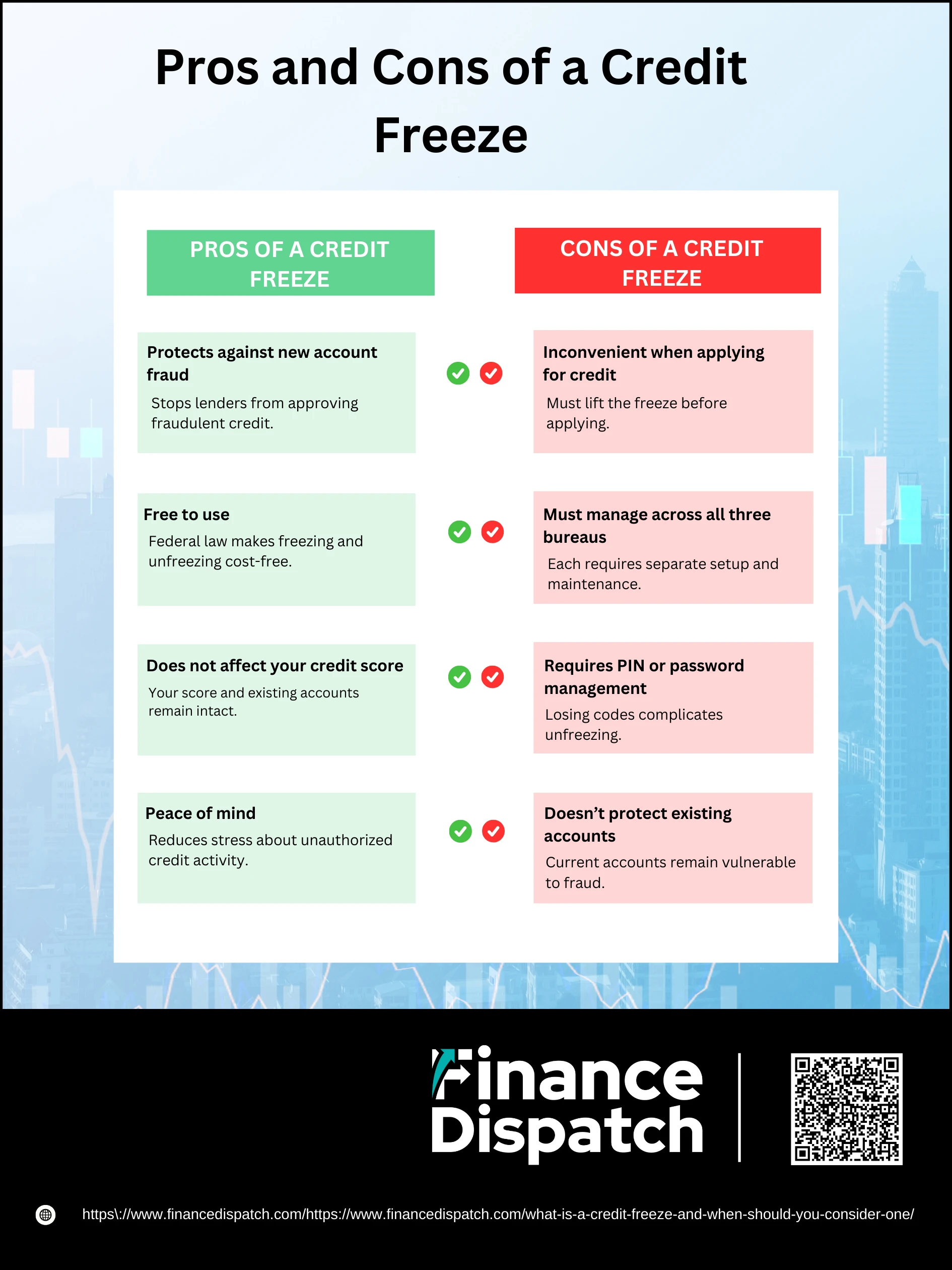
- Credit Freeze: A preventative wall. It blocks lenders from pulling a credit report, stopping fraudulent credit applications at the source.
- Credit Monitoring: A detection service. It alerts you after a change or inquiry occurs on a credit report, meaning the fraudulent account may already be opened before you are notified.
- Fraud Alert: A red flag placed on a report instructing lenders to take extra steps to verify identity before granting credit. While useful, it relies on lender compliance rather than a hard access block.
What Happens When a Minor Has No Credit File?
Because minors under 18 generally cannot enter into legally binding contracts, most children do not have an existing credit file with the major credit bureaus (Equifax, Experian, and TransUnion).
When a parent requests a credit freeze for a minor who has no file, federal law mandates that the credit bureau create a protected record for the child and immediately lock it. This protected record prevents any lender from creating an active, fraudulent credit file for that SSN in the future.
Key Reasons to Freeze Your Child’s Credit Immediately
Placing a security freeze on your child's credit file offers several critical protective benefits:
1. Complete Defense Against Synthetic Identity Fraud
By forcing credit bureaus to establish a locked protected record, you ensure that a criminal cannot pair your child's legitimate SSN with a fraudulent identity to construct a bogus credit profile.
2. Zero Financial Cost
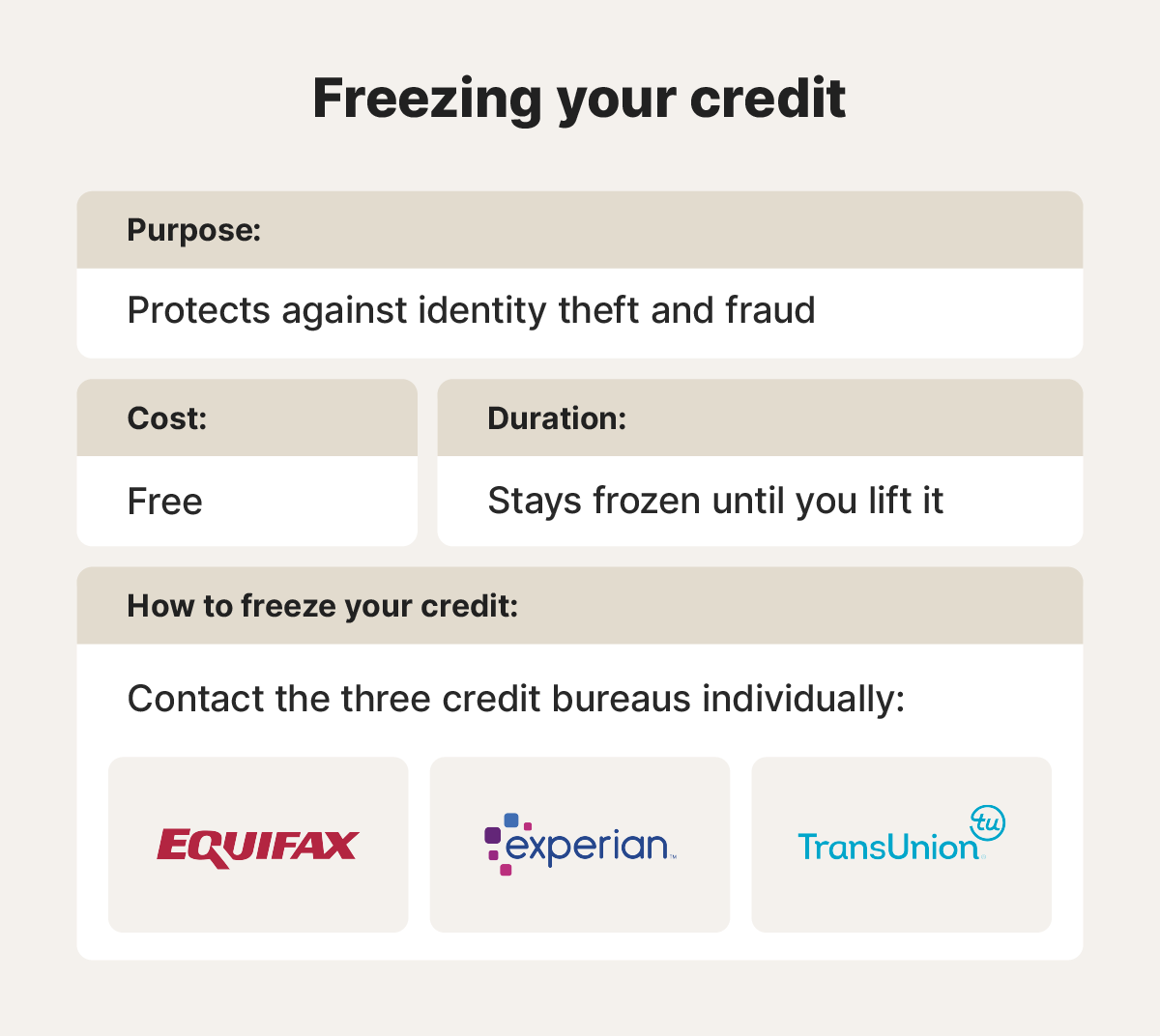
Federal law guarantees that placing, temporarily lifting (thawing), or permanently removing a security freeze is 100% free. Credit bureaus cannot charge fee schedules or subscription costs for managing a minor's security freeze.
3. Long-Term Peace of Mind
A minor credit freeze remains in effect until the parent lifts it or until the child reaches the age of majority (typically 18) and chooses to remove it. This eliminates the need for annual renewals or constant maintenance.
4. Prevention of Medical and Employment Fraud
SSNs stolen from children are not only used for bank credit; they are also frequently resold on illicit marketplaces for medical billing fraud, fraudulent tax refund claims, or employment background checks. Locking the financial file creates an official audit trail that helps dispute non-financial misuse of the SSN.
Warning Signs That Your Child’s Identity May Already Be Compromised
Because identity thieves operate silently, parents must remain alert to indicators that a minor's SSN has been exposed or misused. You should investigate immediately if you encounter any of the following red flags:
- Pre-Approved Credit Offers: Receiving junk mail addressed to your minor child offering pre-approved credit cards, personal loans, or store financing.
- Debt Collection Notices: Receiving phone calls, collection letters, or legal notices demanding payment for overdue bills in your child's name.
- IRS Notices: Receiving correspondence from the Internal Revenue Service (IRS) stating that your child owes unpaid income taxes, or that their SSN was used on a tax return filed by someone else.
- Government Benefit Denial: Being notified by a state or federal agency that government benefits or medical assistance were denied because those benefits are already being drawn under your child's SSN.
- Driver’s License Ineligibility: Discovering that your teenager is denied a driver's license or state identification card because another individual holds a license under that same SSN.
If you observe any of these warning signs, you can file an identity theft report directly with the Federal Trade Commission (FTC) to initiate an investigation and clear the compromised record.
Step-by-Step Guide: How to Freeze Your Child’s Credit Across the Three Major Bureaus
Unlike adult credit freezes, which can be completed online within minutes, freezing a minor’s credit requires identity verification to ensure that only authorized parents or legal guardians can access the child's records. As a result, requests for minors under age 16 generally require mailing physical documentation.
- Gather Documentation (Parent ID, Minor's SSN/Birth Cert, Proof of Address)
- Submit Official Written Request Forms to Bureaus:
- Equifax Mail
- Experian Mail/Portal
- TransUnion Mail
- Receive Written Confirmation & Secure PIN/Password
Required Documentation Package
Before submitting a request to any bureau, prepare copies (never send original documents) of the following paperwork:
- Proof of Legal Authority:
- Child's official birth certificate listing parent names, OR
- Court-issued guardianship order, adoption decree, or power of attorney.
- Proof of Minor’s Identity:
- Copy of the child’s Social Security card.
- Copy of the child’s birth certificate or official government-issued photo ID.
- Proof of Parent/Guardian Identity:
- Copy of the parent’s government-issued driver’s license or passport.
- Copy of a utility bill, bank statement, or pay stub showing the parent’s name and current mailing address.
Credit Bureau Submission Matrix
The following table summarizes the specific submission channels, legal requirements, and contact methods for freezing a minor's credit with each of the three major national credit reporting agencies:
| Credit Bureau | Applicable Age Limit | Primary Submission Method | Official Bureau Resource | Key Required Documents |
|---|---|---|---|---|
| Equifax | Under 16 (Parent/Guardian) | Certified Mail | Equifax Minor Freeze | Birth Cert, Child SSN Card, Parent Driver's License, Proof of Address |
| Experian | Under 16 (Parent/Guardian) | Online Portal or Mail | Experian Minor Freeze | Minor Freeze Form, Birth Cert, Child SSN Card, Parent State ID |
| TransUnion | Under 16 (Parent/Guardian) | Certified Mail | TransUnion Minor Freeze | Protected Consumer Form, Birth Cert, Child SSN Card, Parent ID |
Step 1: Submitting to Equifax
To place a freeze with Equifax for a child under 16, mail a formal written request accompanied by your document package to:
Equifax Information Services LLCP.O. Box 105139Atlanta, GA 30348
Include a cover letter specifying that you are requesting a minor security freeze pursuant to federal law. Explicitly state the child's full legal name, date of birth, SSN, and current address.
Step 2: Submitting to Experian
Experian provides an online upload system for minor freeze documents alongside traditional mail options. If submitting via postal service, address your documentation package to:
ExperianP.O. Box 9554Allen, TX 75013
Experian will review the legal authority documentation and establish a protected consumer record within 30 days of receipt.
Step 3: Submitting to TransUnion
TransUnion utilizes a specific form designated for protected consumers. Complete the "Protected Consumer Freeze Request Form" and mail it alongside your verified identity documents to:
TransUnion Protected Consumer FreezeP.O. Box 160Woodlyn, PA 19094
Always send your application packages via Certified Mail with Return Receipt Requested. This provides proof of delivery and ensures a clear timeline of compliance.
How to Manage, Lift, or Thaw Your Child’s Credit File
Once established, a credit freeze remains locked until you or your child explicitly request its removal. Understanding how to manage the freeze prevents delays when your child reaches milestones such as applying for college financial aid or buying a first car.
Temporary Thaws vs. Permanent Removal
A temporary thaw allows credit access for a specified window of time (e.g., 7 to 30 days) for a specific lender to pull a report. A permanent removal deletes the freeze completely. For minors, temporary thaws are rarely necessary unless they are applying for student loans or joining a family mobile phone plan that requires a credit inquiry.
Transitioning Access at Age 18
When your child turns 18, the legal authority to manage their credit file transfers entirely to them:
- The child should contact each credit bureau directly.
- They will provide proof of age (driver's license or passport) and their Social Security number.
- The bureau will convert the protected record into a standard adult credit file.
- The young adult can then set up online accounts with Equifax, Experian, and TransUnion to personally thaw or manage their credit freeze whenever necessary.
Common Pitfalls and Mistakes to Avoid
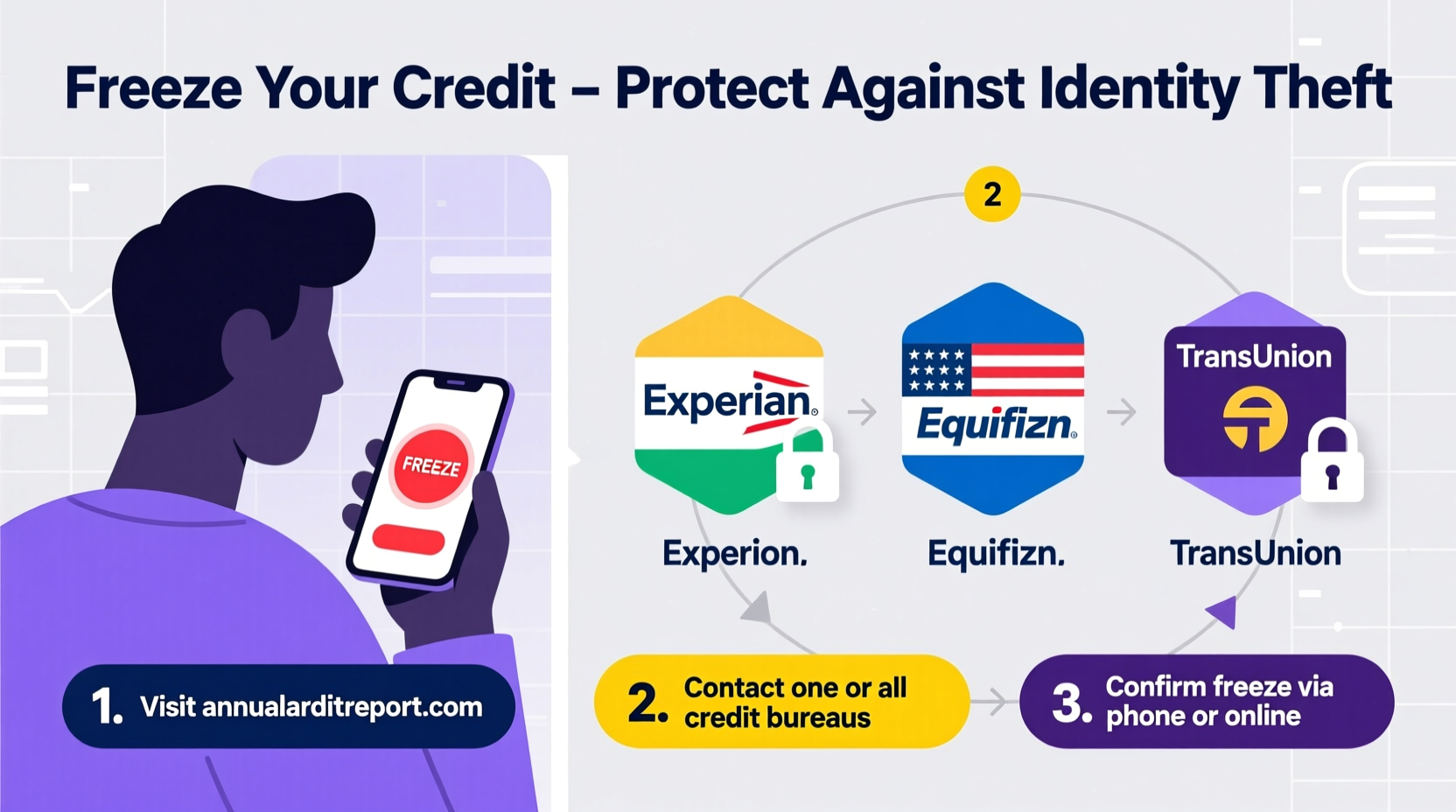
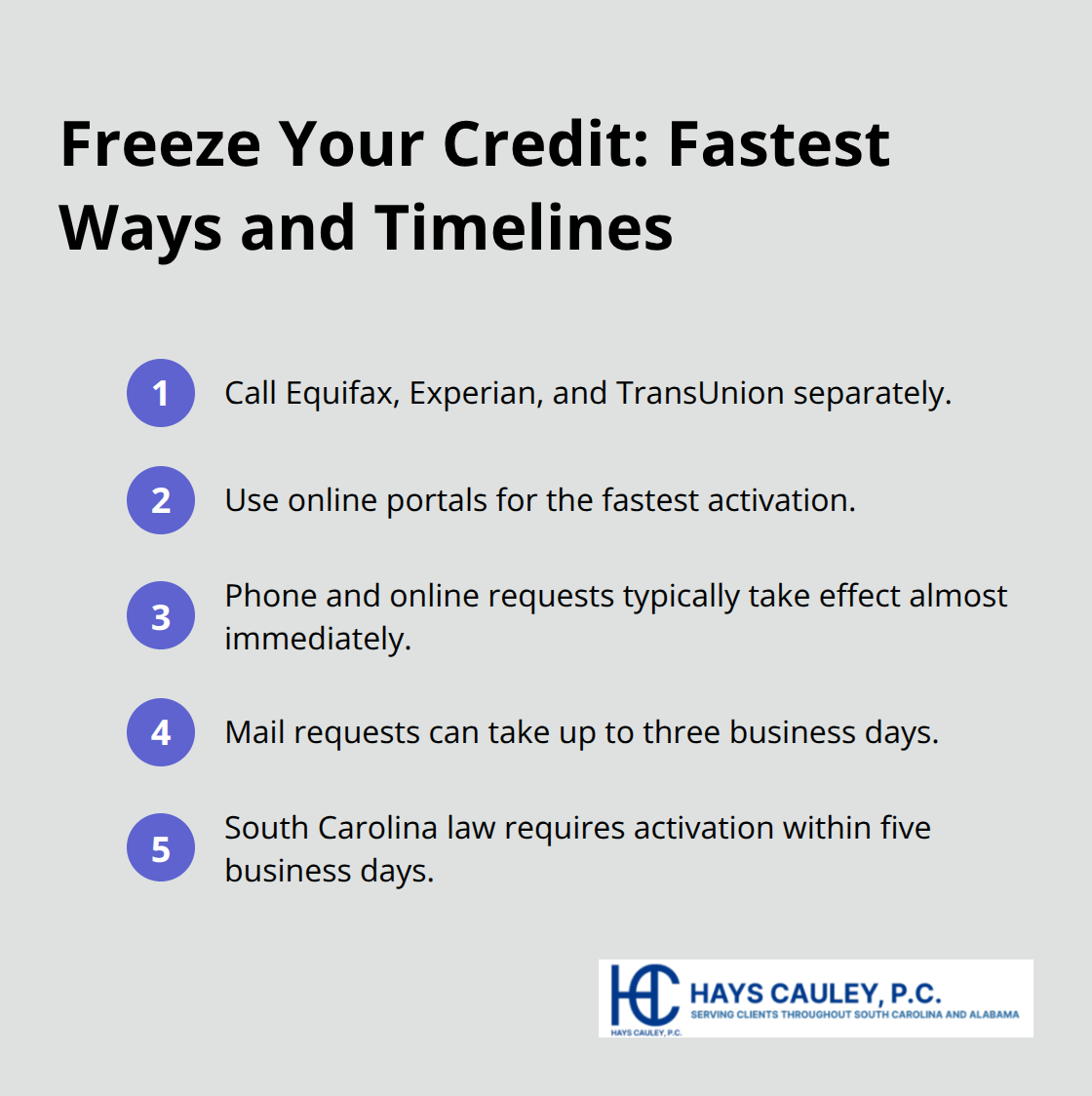
- Freezing Only One Bureau: Identity thieves can apply for credit with lenders that query any of the three major bureaus. You must file separate freeze requests with Equifax, Experian, and TransUnion individually.
- Losing Bureau Confirmation Letters: When a bureau processes a freeze, they issue a confirmation letter containing a Personal Identification Number (PIN) or password. Keep these PINs in a secure password manager or physical safe; they are required to quickly unfreeze the account later.
- Relying Solely on Fraud Alerts: Fraud alerts expire after one to seven years depending on the type and do not legally compel lenders to block file access in the same way a credit freeze does.
- Failing to Update Addresses: If your family moves to a new residence, update your address records with the bureaus so that confirmation notices and PIN reset codes are not sent to a former residence.
Frequently Asked Questions
Can I freeze a credit report for a newborn baby?
Yes. As soon as your newborn has been issued an official Social Security card and birth certificate, you can submit a written freeze request to the three major bureaus. Establishing a freeze early ensures complete protection throughout their childhood.
How much does it cost to freeze and unfreeze a child’s credit?
Placing, temporarily lifting, or permanently removing a security freeze for a minor or an adult is completely free of charge under federal law.
Will freezing my child’s credit impact their ability to build credit later?
No. A credit freeze does not prevent positive financial history from accumulating, nor does it affect credit scores. It simply prevents new accounts from being opened without authorization. When your child is ready to build credit (such as becoming an authorized user on a family credit card), the freeze can be temporarily thawed.
Can someone check my child's credit score while a freeze is active?
A credit freeze blocks prospective lenders and unauthorized third parties from checking credit history. However, government agencies under court orders, child support enforcement agencies, and certain existing account reviews remain exempt under federal law.
What should I do if a credit bureau reports that my child already has an active credit file?
If a bureau reveals that a non-protected credit file already exists under your child's SSN, your child has likely suffered identity theft. Immediately request a copy of the credit report, file an identity theft report at IdentityTheft.gov, dispute all fraudulent accounts in writing with each credit bureau, and place a fraud alert on the record while the freeze is established.
Final Action Plan for Parents
Protecting your child’s financial future requires a small investment of effort today that prevents severe legal and financial complications tomorrow. Follow this immediate action checklist:
- Gather documents: Make clean copies of your driver’s license, proof of address, your child's birth certificate, and your child's SSN card.
- Submit written requests: Prepare formal freeze letters for Equifax, Experian, and TransUnion using certified mail.
- Archive confirmation letters: Store the returned PIN codes and bureau confirmation notices in a secure file location.
- Educate your child: As your child approaches adulthood, teach them about credit hygiene, password security, and the importance of maintaining their credit freeze until they need to apply for credit.
Taking these steps ensures your child reaches adulthood with their financial reputation intact, ready to enter the economy without carrying the burden of undiscovered identity theft.
Disclaimer: This guide is intended for educational purposes only and does not constitute formal legal or financial advice. State laws and credit bureau procedural policies may vary. For specific legal guidance regarding consumer rights or identity theft recovery, consult official resources from the Federal Trade Commission or a qualified attorney.
Image Gallery