How Much Does a Plumber Estimate Cost and How Do They Work
For most standard residential plumbing services, a professional plumber will provide an estimate for free, especially if it is for a straightforward project or a visual inspection. However, many licensed professionals charge a "service...
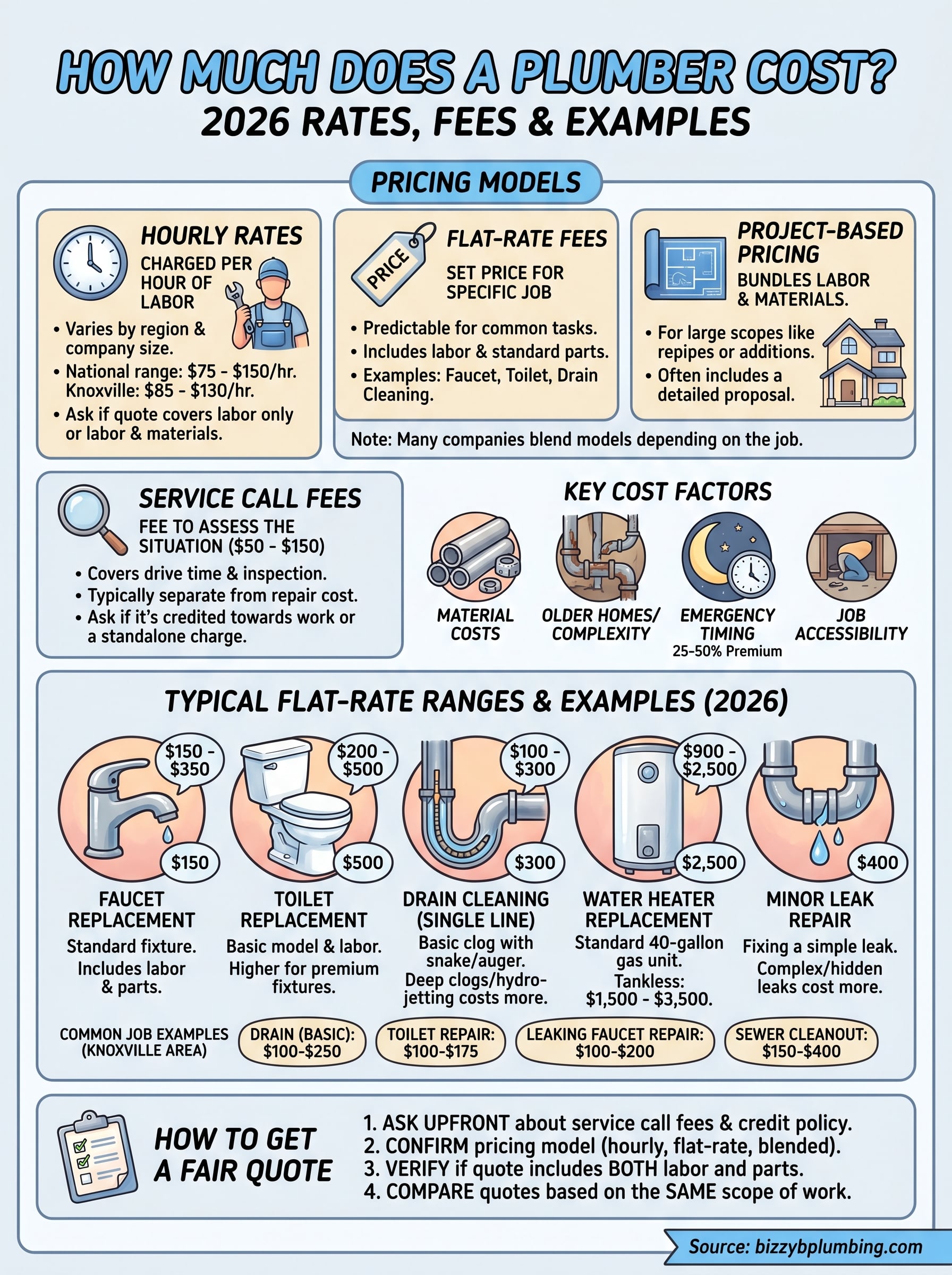
For most standard residential plumbing services, a professional plumber will provide an estimate for free, especially if it is for a straightforward project or a visual inspection. However, many licensed professionals charge a "service call" or "dispatch fee" ranging from $50 to $200, which covers the travel, time, and diagnostic expertise required to assess complex, hidden, or recurring issues before they provide a binding price quote.
Contents
Understanding the Difference Between an Estimate and a Quote
When seeking pricing for plumbing work, it is vital to distinguish between a casual estimate and a formal quote. An estimate is an approximation of the cost, usually based on a brief assessment or a description of the problem provided over the phone. It is subject to change if the plumber discovers unforeseen complications once they begin work.
A formal quote, on the other hand, is generally a fixed-price commitment. When a plumber comes to your home, they are often performing an "in-person assessment." If the task is simple—such as replacing a faucet or clearing a standard drain—the plumber may offer a flat-rate price. If the job involves extensive labor, such as repiping a bathroom or diagnosing a mystery leak behind a wall, they may charge a professional service fee to cover the time spent performing a leak detection or system evaluation.
Factors That Influence Plumbing Assessment Fees
While many companies offer free estimates to compete for your business, the policy can shift based on several operational factors. Understanding these can help you anticipate whether you will be asked to pay an upfront fee.
- Diagnostic Complexity: If you have a leaky pipe, the source is often visible. If you have an intermittent sewer odor or a high water bill without a known source, the plumber must use specialized equipment, such as acoustic listening devices or moisture meters. This level of technical diagnostic work requires professional time that is rarely provided for free.
- Travel Distance: In rural or semi-rural areas, the cost of fuel and the opportunity cost of the plumber’s travel time are significant. Many companies implement a trip charge for homes located outside their immediate service radius.
- Emergency vs. Scheduled: Estimates performed during standard business hours are almost always more affordable—or free—compared to "emergency dispatch" calls. If you require an immediate assessment on a weekend or holiday, the "estimate" fee effectively becomes an after-hours service premium.
- Property Type: Commercial plumbing estimates often carry a fee due to the complexity of building systems, which require more detailed documentation and higher-level expertise to assess compared to standard residential setups.
What to Expect During an On-Site Visit
When a plumber arrives to provide an estimate, they are not just looking at the problem; they are evaluating the surrounding infrastructure. A professional plumber will follow a systematic process:
- System Review: They will check the condition of the pipes, valves, and fixtures related to the complaint.
- Code Compliance Check: They will determine if the existing setup meets current local building codes. If your home's plumbing is outdated, they may need to factor in the cost of bringing the system up to code.
- Hazard Assessment: The plumber must identify if there is asbestos, lead piping, or mold present, which could necessitate additional safety protocols or third-party remediation.
- Action Plan Formulation: They will outline the necessary steps, parts required, and the estimated duration of the labor.
Comparison Table: Fee Structures for Plumbing Estimates
| Service Type | Typical Fee | What is Included |
|---|---|---|
| Standard Estimate | $0 | Quick look, simple visual check, verbal range. |
| Service Call/Trip Fee | $50–$150 | Travel time, base labor, basic troubleshooting. |
| Leak Detection/Tech Visit | $150–$300 | Advanced tools, moisture meters, thermal imaging. |
| Emergency After-Hours | $150–$400 | Premium for immediate, unscheduled arrival. |
Note: Fees vary significantly by region and company policy. Always confirm if the fee is "waived" if you accept the repair quote.
The "Waived Fee" Business Model
A common practice in the industry is the "applied fee" model. If a plumber charges a $100 service call fee to come to your house, they may offer to credit that $100 toward the total cost of the repair if you decide to hire them. This is an excellent way to balance the plumber's need to be compensated for their time with the homeowner's need for affordable services.
Before the plumber arrives, ask specifically: "Is the service call fee applied to the final repair bill if I choose to move forward with your services?" This single question can clarify the financial terms immediately and help you compare different providers effectively.
Common Pitfalls to Avoid
When obtaining plumbing estimates, avoid these common mistakes that lead to budget overruns:
- Accepting Estimates Over the Phone: A phone estimate is rarely accurate for anything beyond simple fixture swaps. A plumber cannot see the condition of the pipes behind your wall, which could be corroded or incompatible with modern repair materials.
- Ignoring the Scope of Work: A cheap estimate might cover only the labor to fix a leak but not the cost of cutting into drywall or the subsequent repair and painting of that wall. Ensure your estimate includes the "finish" work.
- Neglecting Material Quality: Ask whether the estimate includes high-quality, long-lasting parts (such as copper or PEX-a) or standard hardware-store grade components. The longevity of your plumbing system depends on the material grade specified in the quote.
When to Request Multiple Estimates
If a repair is extensive, such as a full sewer line replacement or a home repiping project, you should always obtain at least three written estimates. When comparing them, ensure the quotes are "apples-to-apples." If one plumber provides a significantly lower estimate than the others, investigate why. Is the scope of work smaller? Are they using lower-quality materials? Does their quote include permits and inspection fees? Legitimate plumbing work usually involves local permits; ignoring these can lead to significant issues if you ever attempt to sell your home.
Frequently Asked Questions
Does a plumber need to be licensed to give me an estimate? Yes. In most jurisdictions, any contractor providing a formal bid or performing specialized trade work must hold a valid plumbing license. You should verify their license through your state’s contractor board website before allowing them to start work.
How long is a plumbing estimate valid for? Most written plumbing quotes are valid for 30 days. Material costs, particularly for copper and brass, can fluctuate, so a plumber may not be able to guarantee a price for several months.
What is the difference between a quote and an estimate? An estimate is an informed guess about the cost of a project. A quote is a fixed price that the contractor is bound by, provided the scope of the work does not change. Always clarify if the price is a "not-to-exceed" quote or an "estimated" range.
Do I need a written estimate for small repairs? For minor repairs, such as replacing a P-trap, a verbal agreement is common. However, for anything exceeding $500, insist on a written document that lists the labor, parts, and any warranty information on the work performed.
Can I be charged if I decide not to proceed with the work? Yes. If a plumber has traveled to your home and spent time diagnosing an issue, they are entitled to a service call fee even if you decide not to hire them for the repairs. This is standard industry practice.
Recommendation for Next Steps
If you have a plumbing issue, start by documenting the problem with photos and videos to share with potential plumbers via email or text. This often allows them to determine if they can provide a free, accurate estimate or if an on-site, paid diagnostic visit is required. Always prioritize companies that carry active liability insurance and clearly state their warranty policies on workmanship. Before settling on a provider, ask specifically about their policy regarding fee waivers for work that proceeds past the initial diagnostic phase.
Image Gallery