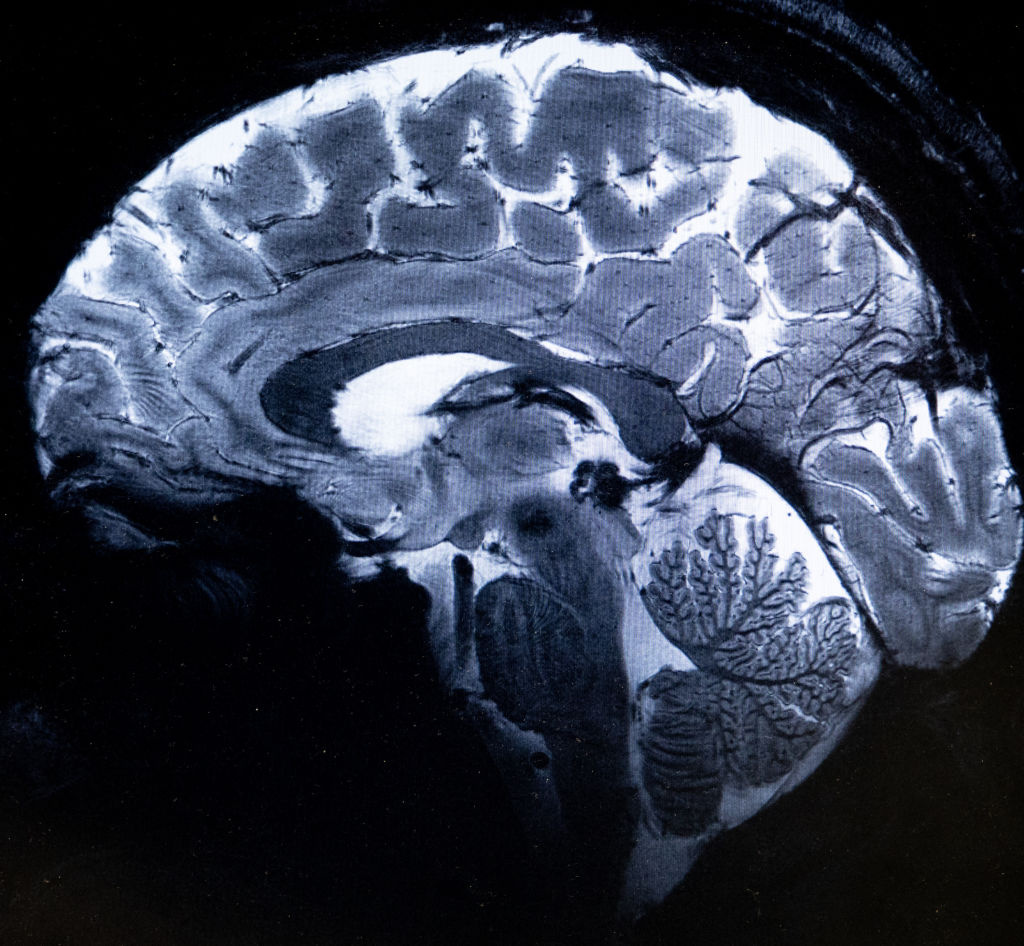
Microplastics Found in Brains: Understanding the Latest Scientific Discoveries and Human Health Implications
Recent scientific studies have revealed the presence of microscopic plastic particles accumulating inside human brain tissue, raising serious concerns regarding neurotoxicity, long-term cognitive health, and the systemic reach of envir...
Recent scientific studies have revealed the presence of microscopic plastic particles accumulating inside human brain tissue, raising serious concerns regarding neurotoxicity, long-term cognitive health, and the systemic reach of environmental pollution.
Contents
The Emerging Reality of Plastic Pollution in Human Tissues
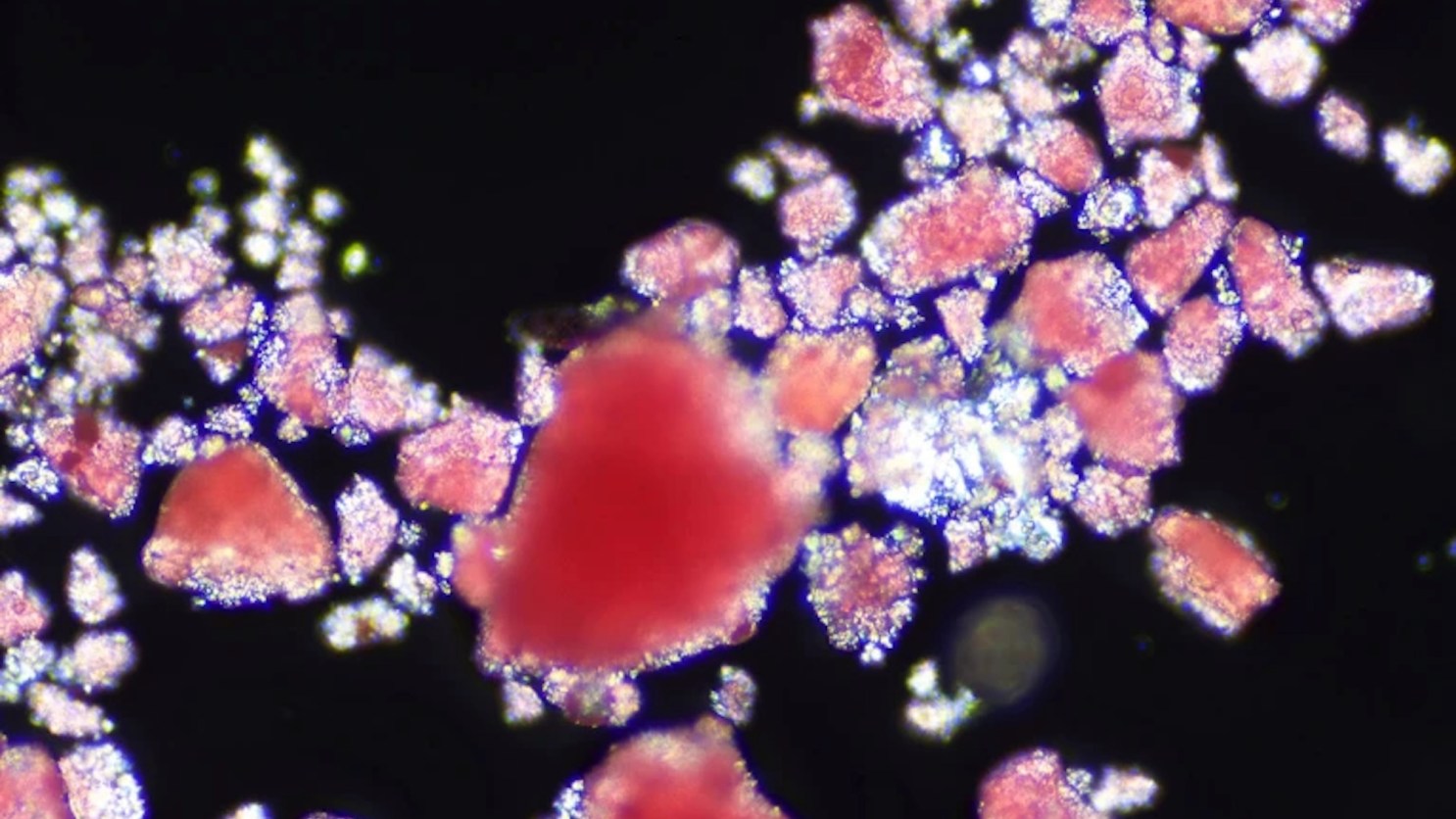
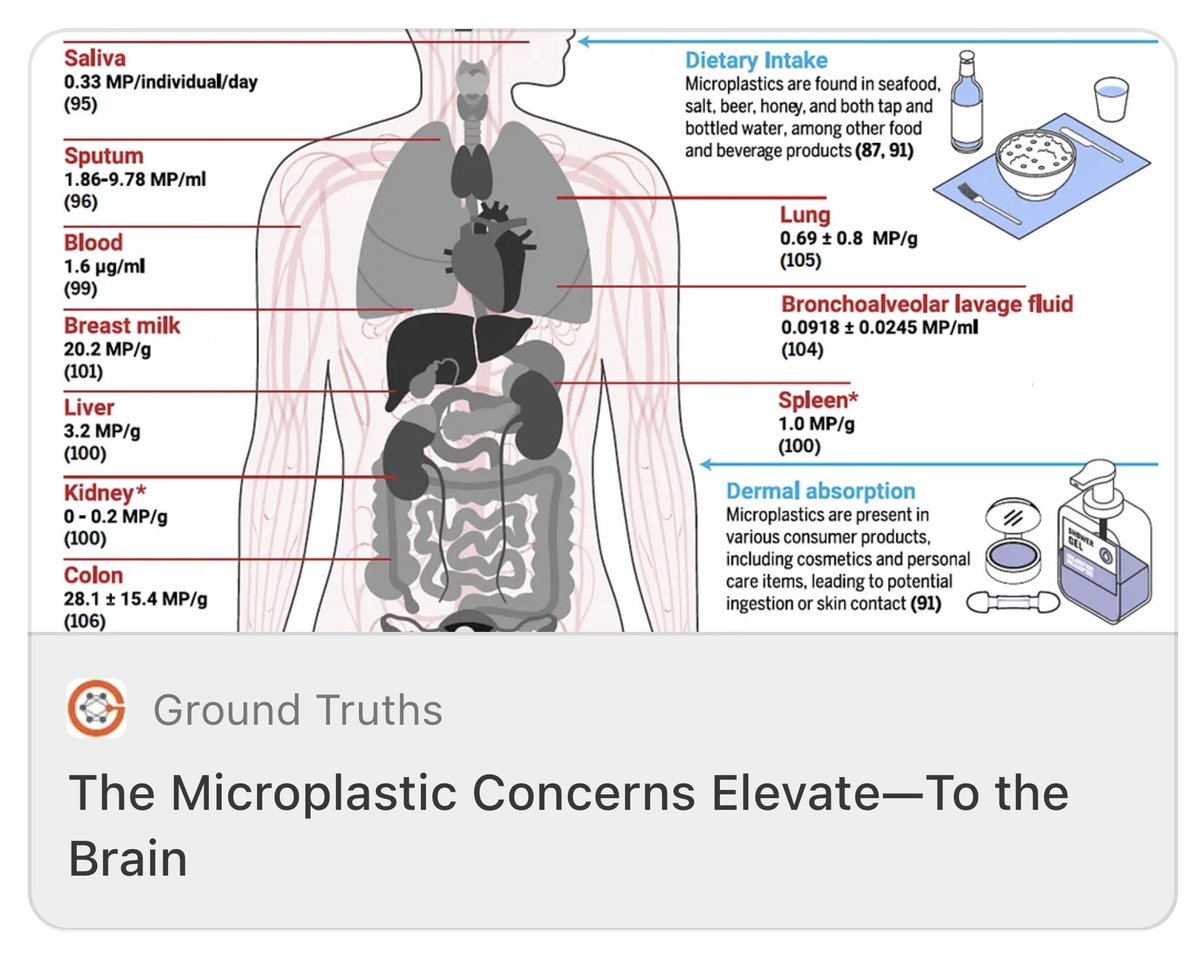
For decades, environmental research surrounding microplastics—plastic fragments measuring less than five millimeters in diameter—focused primarily on marine ecosystems, wildlife contamination, and surface water pollution. However, as analytical chemistry and detection techniques have advanced, researchers have turned their attention inward. The detection of microplastics in human blood, lungs, placenta, and now brain tissue marks a critical shift in toxicology.
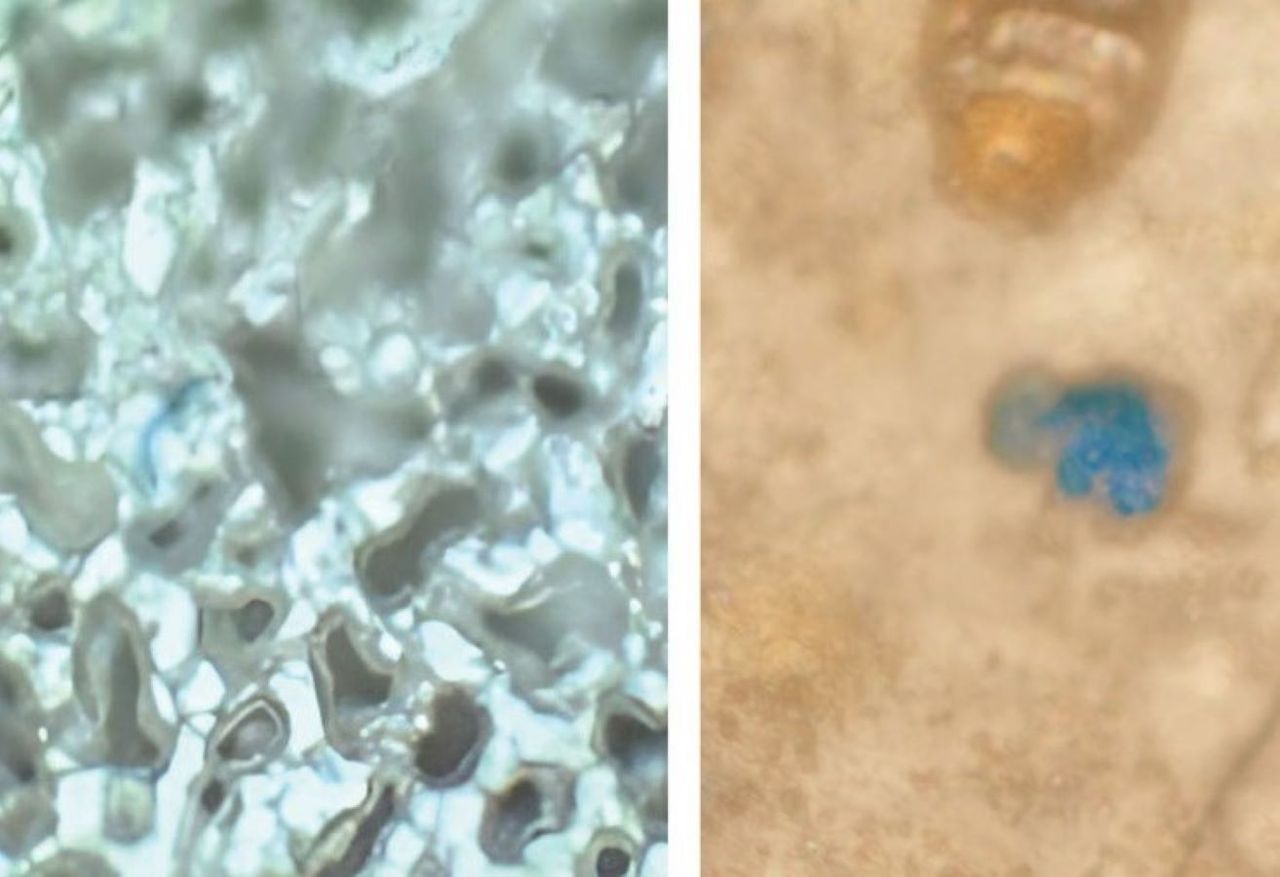
The human brain, protected by a highly selective physiological barrier known as the blood-brain barrier (BBB), was long presumed to be shielded from circulating environmental particulate matter. Recent empirical investigations, particularly autopsies and pathology reviews examining human brain samples, have challenged this assumption. These studies have found measurable concentrations of polymer particles embedded directly within neural parenchyma, demonstrating that synthetic compounds can breach the body's most secure biological defenses.
Understanding how these particles arrive in the central nervous system requires examining exposure pathways. Humans encounter microplastics and even smaller nanoparticles daily through the air they breathe, the water they drink, and the food they consume. Once inside the body, sub-micron particles possess the physical dimensions necessary to cross cellular membranes, enter the circulatory system, and ultimately navigate into sensitive organs, settling into lipid-rich environments like the brain.
Scientific Evidence and Research Methodology
To understand how microplastics infiltrate brain tissue, it is essential to examine the analytical methods utilized by toxicologists and pathologists. Confirming the presence of synthetic polymers inside human organs requires rigorous protocols to eliminate procedural contamination from laboratory equipment and clothing.
Researchers typically employ advanced spectroscopic techniques, such as Fourier-transform infrared (FTIR) spectroscopy and Raman microspectroscopy, alongside pyrolysis-gas chromatography-mass spectrometry (Py-GC/MS). These analytical tools allow scientists to identify not only the presence of foreign particulate matter but also the exact chemical composition of the polymers, distinguishing polyethylene, polypropylene, polyvinyl chloride (PVC), and polystyrene from natural organic matter.
| Polymer Type | Common Consumer Sources | Typical Particle Size Range | Observed Biological Impact |
|---|---|---|---|
| Polyethylene (PE) | Plastic bags, packaging films, containers | 1 µm – 500 µm | Cellular inflammation, oxidative stress |
| Polypropylene (PP) | Bottle caps, food containers, textiles | 5 µm – 1 mm | Endothelial dysfunction, barrier disruption |
| Polystyrene (PS) | Disposable cutlery, styrofoam, insulation | 0.1 µm – 100 µm | Cytotoxicity, potential neurobehavioral alterations |
| Polyvinyl Chloride (PVC) | Piping, medical tubing, wiring insulation | 1 µm – 250 µm | Chemical leaching, endocrine disruption |
Recent studies analyzing post-mortem brain tissues—particularly olfactory bulbs and frontal cortex samples—have reported striking concentrations of these polymers. Notably, comparisons between tissue samples collected in past decades versus recent years suggest an accelerating accumulation trend, mirroring the exponential rise in global plastic production and environmental degradation over the last half-century.
Potential Health Risks and Neurological Impacts
The discovery of foreign particulate matter inside the human brain opens a complex front in modern medical research. While establishing definitive causation between plastic accumulation and specific neurological diseases requires extensive longitudinal study, toxicological models point to several immediate areas of concern.
1. Neuroinflammation and Oxidative Stress
When foreign particles lodge within neural tissue, resident immune cells such as microglia are activated. Chronic microglial activation leads to sustained neuroinflammation, characterized by the release of pro-inflammatory cytokines and reactive oxygen species (ROS). Over time, persistent oxidative stress damages cellular membranes, proteins, and DNA, potentially accelerating cellular senescence and neuronal degradation.
2. Disruption of the Blood-Brain Barrier
The blood-brain barrier relies on tight junctions between endothelial cells to regulate the microenvironment of the central nervous system. Mechanical irritation and chemical toxicity from circulating nanoparticles can compromise these tight junctions. Increased permeability allows not only additional plastic particles to enter the brain but also endogenous toxins and pathogens that are normally excluded.
3. Chemical Vector Effect
Microplastics are rarely inert. During manufacturing, various chemical additives—including plasticizers (such as phthalates), flame retardants, and heavy metals—are mixed into polymers. Furthermore, plastics floating in the environment act as sponges for persistent organic pollutants (POPs) present in water and soil. When microplastics lodge in brain tissue, they can potentially leach these hazardous payloads directly into lipid-rich neural cells.
Exposure Routes and Mitigation Strategies
While eliminating exposure to microplastics entirely is currently impossible given their ubiquity in the global environment, individuals can adopt practical measures to significantly reduce their daily intake. Minimizing exposure requires identifying primary sources of ingestion and inhalation within domestic and work environments.
- Dietary Adjustments: Avoid heating food or beverages in single-use plastic containers or plastic dishware in microwaves, as heat accelerates the shedding of microparticles and chemical leachates. Opt for glass, stainless steel, or ceramic alternatives for food storage and preparation.
- Water Filtration: Utilize high-efficiency drinking water filtration systems, such as reverse osmosis or specialized sub-micron carbon block filters, which are capable of capturing microscopic particulate matter from tap water.
- Indoor Air Quality Management: Vacuum living and working spaces frequently using vacuums equipped with High-Efficiency Particulate Air (HEPA) filters to reduce the accumulation of synthetic textile fibers and settled dust particles in indoor air.
- Beverage Choices: Reduce consumption of bottled water when safe tap alternatives exist, as studies frequently demonstrate higher microplastic counts in bottled beverages due to the friction of caps and bottle walls.
Frequently Asked Questions
How do microplastics enter the human brain?
Microplastics enter the body primarily through inhalation and ingestion. Once absorbed into the bloodstream, sub-micron particles and nanoparticles can traverse biological membranes, including the blood-brain barrier, or travel via the olfactory nerve pathway directly from the nasal cavity into the central nervous system.
Are certain types of plastics more dangerous to neural tissue?
Research suggests that smaller particles (nanoplastics) and polymers carrying leachable chemical additives—such as plasticizers and heavy metals—pose higher risks of cytotoxicity and neuroinflammation compared to larger, chemically inert polymer fragments.
Can routine medical tests detect microplastics in living humans?
Currently, direct detection of microplastics in internal organs like the brain is primarily limited to post-mortem tissue analysis using advanced spectroscopy. Blood and tissue biopsies can reveal systemic exposure, but mapping organ-specific concentrations in living patients remains an active area of clinical research methodology.
What are the primary symptoms associated with microplastics in the brain?
At present, specific clinical symptoms directly attributable solely to brain-accumulated microplastics have not been definitively isolated in human diagnostics. Researchers investigate potential correlations with cognitive decline, neurodegenerative progression, and chronic neuroinflammatory markers, but direct causal links are still under evaluation.
Do water filters effectively remove microplastics from drinking water?
Yes, certified reverse osmosis systems and advanced sub-micron membrane filters are highly effective at capturing microscopic suspended solids, including microplastics and nanoplastics, significantly reducing daily oral intake through municipal or well water supplies.
Next Actions and Clinical Considerations
The presence of microplastics in human brains underscores a profound environmental health challenge that bridges toxicology, neurobiology, and public policy. While scientific inquiry continues to map the precise dose-response relationships and pathological outcomes associated with neural plastic accumulation, individuals should focus on pragmatic exposure reduction. Evaluating household storage habits, upgrading water filtration, and supporting regulatory measures aimed at reducing global plastic waste represent critical steps toward mitigating long-term health risks. Individuals experiencing persistent neurological symptoms should consult qualified healthcare professionals for comprehensive diagnostic evaluations rather than attributing conditions to environmental exposures alone.
Image Gallery