Understanding the Maximum Loan on a Whole Life Insurance Policy in 2026
The maximum loan amount you can take against a whole life insurance policy typically ranges from 90% to 95% of the policy's net cash surrender value. This limit ensures that there is sufficient remaining equity in the policy to cover t...
The maximum loan amount you can take against a whole life insurance policy typically ranges from 90% to 95% of the policy's net cash surrender value. This limit ensures that there is sufficient remaining equity in the policy to cover the first year of accrued loan interest, preventing the policy from inadvertently lapsing.
Contents
Whole life insurance is often utilized not just for its death benefit, but as a "living benefit" through its cash value accumulation. Unlike term insurance, whole life policies build equity over time, which the policyholder can access via policy loans. However, determining the "maximum" is not as simple as looking at your statement's total cash value. It requires an understanding of how insurance carriers calculate net equity, the impact of outstanding interest, and the specific contractual terms of your policy.
How the Maximum Loan Amount is Calculated
When you request a loan, the insurance company does not technically "withdraw" your money. Instead, they provide a loan from their general fund, using your policy’s cash value as collateral. Because the cash value remains in the policy (often still earning interest or dividends), the insurer must ensure the loan balance—including interest—does not exceed the value of the collateral.
Cash Value vs. Net Cash Surrender Value
The most common mistake policyholders make is assuming they can borrow against the "Face Value" or the total "Accumulated Cash Value."
- Accumulated Cash Value: This is the total amount of equity built up through premium payments and interest/dividends.
- Net Cash Surrender Value: This is the amount you would receive if you cancelled the policy today. It is the Accumulated Cash Value minus any surrender charges (common in the first 10–15 years) and any existing loan balances.
In 2026, most top-tier mutual insurers allow loans up to 95% of this net figure. The remaining 5% serves as a safety buffer for the insurance company to cover the interest that will accrue until your next policy anniversary.
The Impact of Policy Longevity
In the early years of a whole life policy (typically years 1 through 7), the maximum loan amount may be significantly lower or even zero. This is due to high initial administrative costs and agent commissions, which result in low early-year cash value. As the policy matures and "breaks even," the available loan capacity accelerates.
Direct Recognition vs. Non-Direct Recognition
The maximum benefit of a policy loan often depends on how the company treats your cash value while a loan is outstanding. This is a critical technical distinction for anyone looking to maximize their policy's utility.
- Non-Direct Recognition: The insurance company continues to pay the same dividend rate on your entire cash value, regardless of whether you have taken a loan. If your loan interest rate is 5% and your dividend rate is 5%, your "cost" of borrowing is effectively zero. This is often referred to as "Positive Arbitrage" if the dividend exceeds the loan rate.
- Direct Recognition: The company adjusts (usually lowers) the dividend rate on the portion of the cash value being used as collateral. While you can still take the "maximum loan," the long-term growth of your policy will be slower compared to an unencumbered policy.
Technical Limitations: The 7-Pay Test and MEC Status
When pushing for the "maximum" loan, you must be wary of the Modified Endowment Contract (MEC) rules established by the IRS under the Technical and Miscellaneous Revenue Act of 1988.
If a policy is funded too aggressively (exceeding the "7-Pay Test" limits), it loses its status as a life insurance contract for tax purposes and becomes a MEC. For a MEC, policy loans are treated on a "last-in, first-out" (LIFO) basis. This means the loan is considered taxable income to the extent there are gains in the policy. Furthermore, if you are under age 59½, a 10% federal tax penalty may apply to the loan amount. Always verify with your carrier that your loan request will not trigger a MEC conversion if your policy is not already classified as one.
Comparison of Policy Access Methods
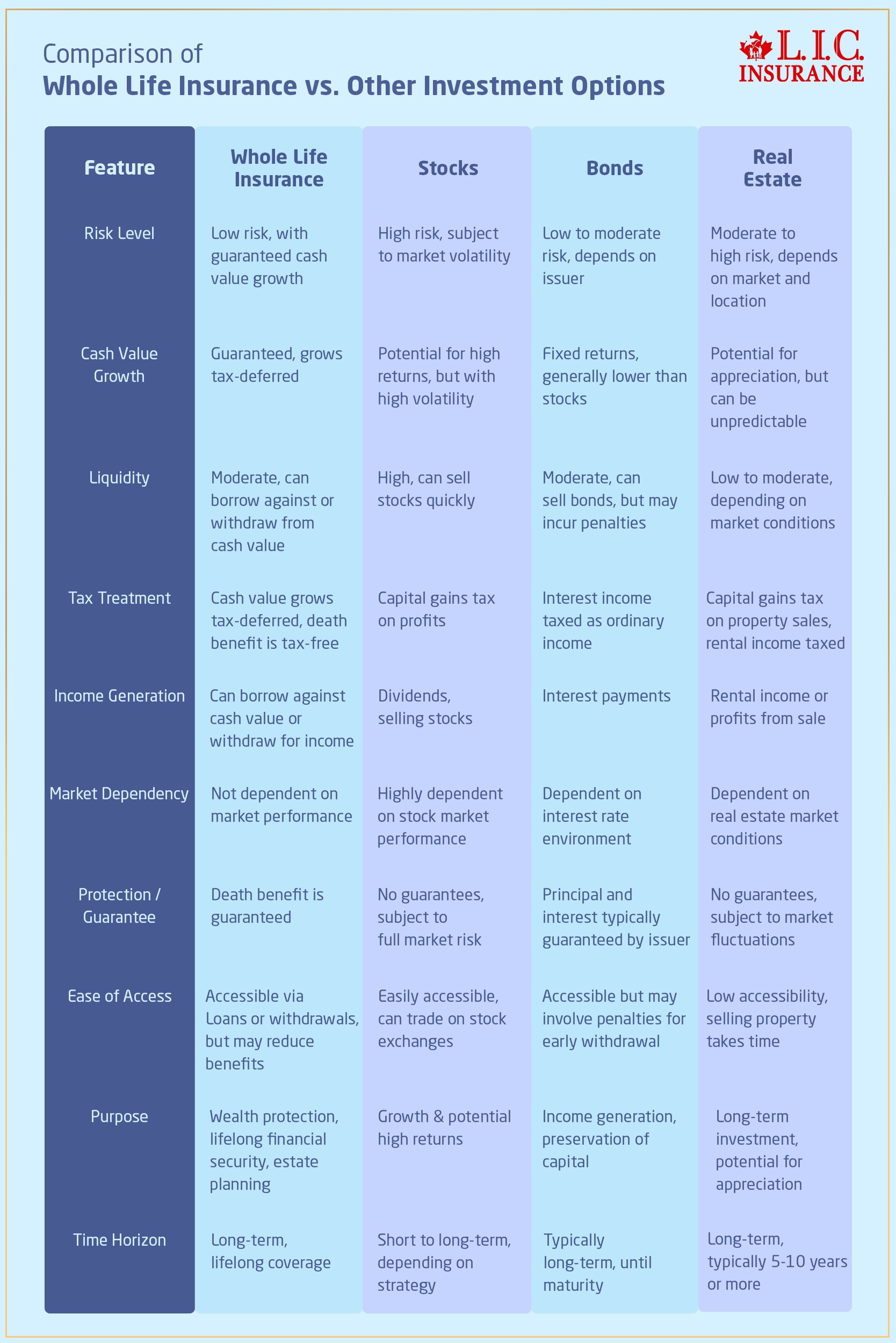
To understand why a maximum loan is often preferred over other methods, consider the following comparison:
| Feature | Policy Loan | Partial Withdrawal | Full Surrender |
|---|---|---|---|
| Max Amount | 90%–95% of Cash Value | Up to Basis (Tax-free) | 100% of Cash Value |
| Tax Impact | Generally Tax-Free | Tax-Free up to Basis | Gains are Taxable |
| Repayment | Flexible/Optional | Cannot be Repaid | N/A (Policy Ends) |
| Death Benefit | Reduced by Loan Balance | Permanently Reduced | Eliminated |
| Interest Cost | Yes (Fixed or Variable) | No | No |
The Mechanics of Loan Interest in 2026
Interest rates on policy loans in 2026 are generally dictated by the contract. You will encounter two primary types:
- Fixed Rates: Usually set at 5% to 8% at the time of policy issuance. These provide predictability but may be higher than market rates in low-interest environments.
- Variable Rates: These are often tied to an index, such as the Moody’s Corporate Bond Yield Average. While they can be lower than fixed rates, they introduce the risk of increasing costs, which could shrink your maximum borrowing capacity in future years.
Interest is typically charged in arrears or in advance. If it is charged in advance, the insurer deducts the interest for the coming year from the loan proceeds, which effectively reduces the "maximum" amount you receive in your bank account today.
Risks of Borrowing the Absolute Maximum
While accessing 95% of your cash value provides significant liquidity, it carries substantial risks that require active management.
1. The Risk of Policy Lapse
If you borrow the maximum amount and do not pay the interest, that interest is added to the loan principal. If the total loan balance (Principal + Accrued Interest) grows to exceed the total cash value, the policy will lapse. A lapse is catastrophic because the entire loan balance (minus your cost basis) becomes taxable as ordinary income immediately. For older policies with significant growth, this can create a massive "tax bomb."
2. Compounding Interest
Policy loans use compounding interest. If left unpaid, a $50,000 loan at 6% interest will grow to over $67,000 in just five years. This eats into the death benefit meant for your beneficiaries.
3. Reduction of Death Benefit
If the insured passes away with an outstanding loan, the insurer subtracts the loan balance and any unpaid interest from the death benefit before paying the beneficiaries. For example, a $500,000 policy with a $100,000 outstanding loan will only pay out $400,000.
Step-by-Step: How to Access the Maximum Loan
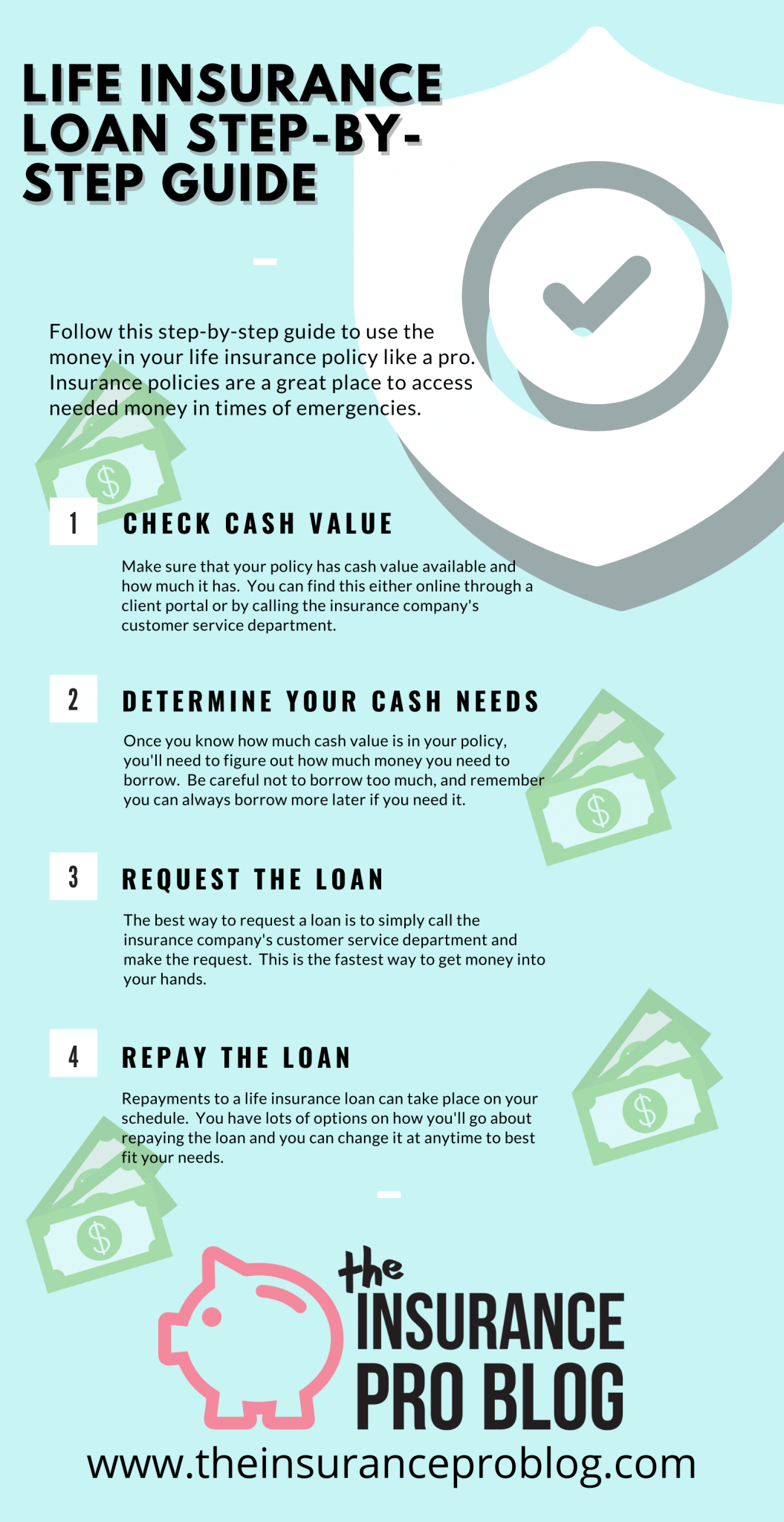
If you have determined that a policy loan is the right move for your financial strategy, follow these steps to ensure a smooth process:
- Request an "In-Force Illustration": Contact your insurance company or agent for a current illustration. Specifically, ask for a "Max Loan Illustration" that projects how the loan will affect the policy over the next 10–20 years.
- Verify MEC Status: Ensure the loan will not violate IRS 7-pay rules.
- Choose Your Payment Method: Most carriers in 2026 offer direct deposit (ACH) or wire transfers. Checks are still available but slower.
- Determine Interest Treatment: Decide if you will pay interest out-of-pocket annually or allow it to accrue (not recommended for maximum loans).
- Submit the Loan Request Form: Many modern portals allow this to be done digitally with an e-signature.
Frequently Asked Questions
Can I borrow the maximum amount and never pay it back?
Yes, you are not legally required to repay a policy loan. However, the interest will continue to compound. If you do not pay at least the interest annually, the loan balance will eventually exceed the cash value, causing the policy to lapse and triggering a significant tax liability.
How long does it take to receive the funds?
In 2026, most major insurers process digital loan requests within 24 to 48 hours. If you request a physical check, it may take 5 to 10 business days depending on the mail service.
Does taking a maximum loan affect my credit score?
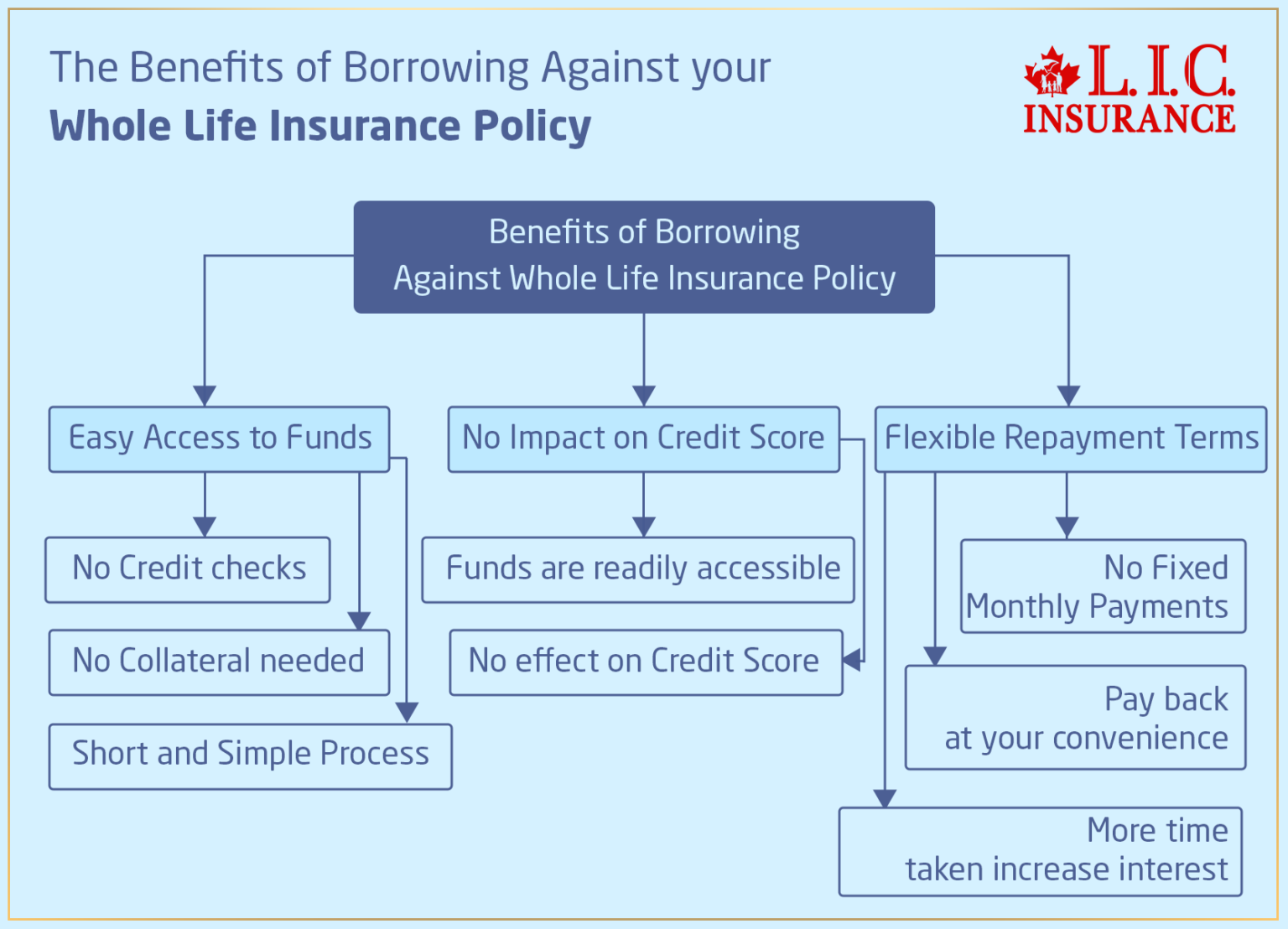
No. Because the loan is secured by your policy's cash value, insurance companies do not report these loans to credit bureaus (Equifax, Experian, or TransUnion). There is no credit check required to obtain the loan, and a "default" (lapse) does not hurt your credit score, though it does carry tax consequences.
Can the insurance company change my loan interest rate?
If you have a variable rate loan, yes. The rate is usually adjusted annually on your policy anniversary based on the specific index mentioned in your contract. If you have a fixed-rate loan, the rate is locked in for the life of the policy.
What happens if I want to pay the loan back early?
There are no "pre-payment penalties" for life insurance loans. You can pay back any amount at any time, which immediately restores your death benefit and increases your available cash value for future borrowing.
Expert Recommendation
When seeking the maximum loan on a whole life insurance policy, aim for 80% to 85% rather than the absolute 95% limit. This provides a safety margin against rising variable interest rates or potential fluctuations in dividend scales. Furthermore, always ensure you have an exit strategy—either through systematic repayment or by using the loan for a cash-flowing investment that can cover the interest costs.
Disclaimer: This information is for educational purposes only and does not constitute legal, tax, or financial advice. Life insurance regulations vary by jurisdiction. Consult with a qualified financial advisor or tax professional before making significant changes to your insurance portfolio.
Image Gallery