Why the Original Hurricane Matters for Travelers
For modern travelers planning trips to tropical regions, understanding the historical classification and structural characteristics of the original hurricane—specifically how meteorological archives define severe weather baselines—is v...
For modern travelers planning trips to tropical regions, understanding the historical classification and structural characteristics of the original hurricane—specifically how meteorological archives define severe weather baselines—is vital for accurate risk assessment, travel insurance validation, and emergency preparedness.
Contents
When planning an itinerary to hurricane-prone destinations in the Caribbean, the Gulf of Mexico, or the Atlantic basin, travelers often focus on seasonal averages and modern forecasting tools. However, looking at the baseline data established by historical meteorological benchmarks provides essential context for why the original hurricane classifications matter. Understanding these parameters helps travelers evaluate hazard warnings, interpret historical storm tracks, and comprehend the structural mechanics that separate a minor tropical depression from a catastrophic Category 5 event.
By grasping how these historical metrics were calculated and why they continue to form the foundation of modern meteorological scales, travelers can make informed decisions regarding trip timing, destination selection, and risk mitigation.
Historical Context and the Evolution of Storm Measurement
To understand why the original hurricane matters, one must examine how tropical storm measurement evolved. Before the advent of satellite imagery, aircraft reconnaissance, and advanced Doppler radar, meteorologists relied on ship reports, coastal weather stations, and barometric pressure drops observed at sea or on land.
The early efforts to classify tropical cyclones were largely qualitative, describing wind damage, storm surge height, and structural destruction after the fact rather than quantifying wind speeds in real time. The establishment of formal intensity scales, most notably the Saffir-Simpson Hurricane Wind Scale developed in the late 1960s by Herbert Saffir and Robert Simpson, transformed how storms were categorized.
| Measurement Era | Primary Data Sources & Limitations |
|---|---|
| Pre-Satellite (pre-1960) | Ship logs, coastal barometers, post-storm damage surveys |
| Early Reconnaissance | Penetrating aircraft flights, radar tracking, dropsonde data |
| Modern Era (Current) | Satellites, Doppler radar, real-time computer modeling |
For travelers, looking back at the original parameters of these historical benchmarks provides a consistent framework. While modern technology offers superior lead times, the fundamental physics of wind pressure, storm surge inundation, and rainfall accumulation remain identical to those recorded decades ago.
Impact on Travel Insurance Policies and Claims
One of the most practical reasons why the original hurricane matters for travelers involves travel insurance and the legal definitions embedded in policy contracts. Insurance underwriters rely heavily on meteorological definitions established by organizations like the National Hurricane Center (NHC) and the World Meteorological Organization (WMO).
Defining a "Named Storm"
Most travel insurance policies include specific clauses regarding "named storms" and tropical weather events. Underwriters draw their definitions directly from historical meteorological standards:
- Official Classification: A weather disturbance must reach tropical storm status (sustained winds of at least 39 mph) to receive an official name.
- Timing of Purchase: To qualify for trip cancellation benefits due to a hurricane, travelers must purchase their insurance policy before the storm is officially named by meteorological authorities.
- Pre-Existing Knowledge: If a tropical system is already tracking toward a destination or is actively under investigation as a potential formation area at the time of purchase, it may be classified as a "known event," rendering cancellation coverage null and void.
By understanding how the original hurricane classifications define threshold wind speeds and storm criteria, travelers can avoid costly mistakes when purchasing travel protection.
Infrastructure Resilience and Destination Selection
Travelers often choose destinations based on resort amenities, beaches, and cultural attractions, but structural resilience against extreme weather is equally critical. The historical performance of infrastructure during benchmark storms dictates modern building codes, evacuation routes, and emergency services in popular tourist zones.
Modern Building Codes vs. Historical Storms
Destinations that experienced catastrophic historical hurricanes were forced to overhaul their zoning laws and construction standards. For example, strict building codes implemented in regions like South Florida and parts of the Caribbean are direct responses to the structural failures documented during past severe hurricanes.
When evaluating a resort or hotel property, travelers should consider:
- Elevation and Flood Zones: Properties built on low-lying barrier islands face greater storm surge risks, mirroring vulnerabilities observed in historical events.
- Wind Mitigation Features: Modern properties equipped with impact-resistant glass, reinforced concrete roofing, and backup generator systems are engineered to withstand the wind thresholds defined by historical storm benchmarks.
- Evacuation Logistics: Understanding local evacuation infrastructure ensures that travelers can safely depart a destination if a tropical system threatens the region.
Meteorological Mechanics: Why Intensity Scale Baselines Matter
The original Saffir-Simpson scale was created to estimate potential property damage based on sustained wind speeds. Although the scale was later adjusted to remove explicit storm surge and flooding estimates (because surge depends heavily on local bathymetry and coastline shape), the core wind speed tiers remain the universal standard.
| Category | Sustained Winds (mph) | Typical Damage Potential |
|---|---|---|
| 1 | 74–95 | Very dangerous winds; some damage |
| 2 | 96–110 | Extremely dangerous winds; extensive damage |
| 3 | 111–129 | Devastating damage will occur |
| 4 | 130–156 | Catastrophic damage will occur |
| 5 | 157 or higher | Catastrophic damage; uninhabitable areas |
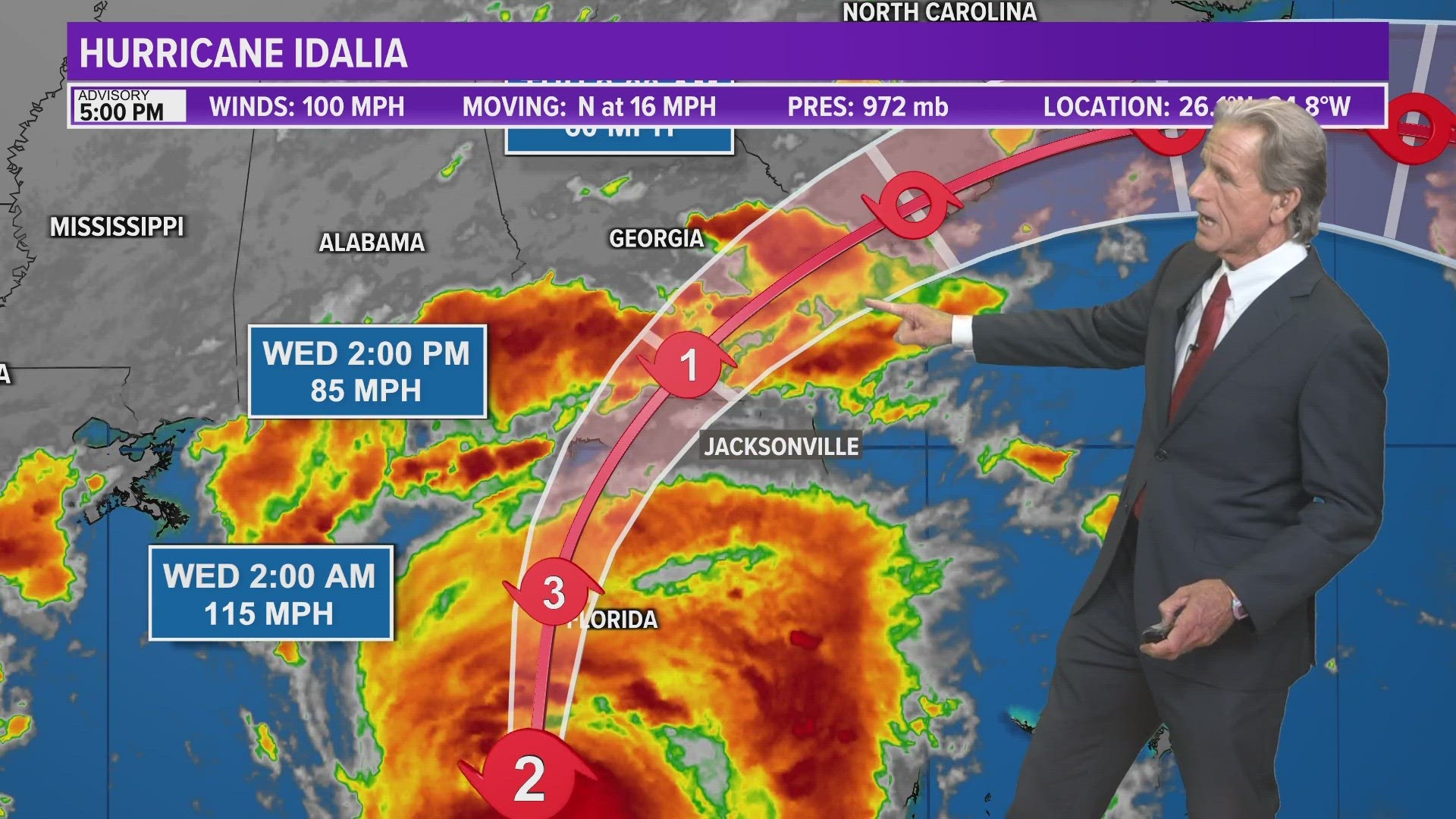
For travelers, these tiers dictate the level of emergency preparedness required. A Category 1 storm requires securing loose outdoor items and monitoring local advisories, whereas a Category 4 or 5 storm mandates immediate evacuation. Knowing how these tiers were originally formulated helps travelers respect the quantitative difference between categories rather than viewing them as arbitrary numbers.
Practical Steps for Travelers in Hurricane Zones
Navigating travel during hurricane season requires proactive planning, continuous monitoring, and adherence to official guidance. Travelers heading to tropical or subtropical regions should integrate the following steps into their itinerary preparation:
- Monitor Official Sources: Rely on updates from the National Hurricane Center (NHC), the Central Pacific Hurricane Center, or local meteorological agencies rather than social media speculation.
- Review Policy Details Carefully: Read the fine print of travel insurance policies to verify coverage limits, cancellation windows, and exclusions related to named storms.
- Register with Home Embassies: Travelers abroad should utilize programs like the Smart Traveler Enrollment Program (STEP) provided by the U.S. Department of State or equivalent national services to receive safety updates.
- Prepare an Emergency Kit: Keep essential documents, medications, chargers, and emergency cash accessible in waterproof containers.
- Know the Local Evacuation Plan: Familiarize yourself with the evacuation routes and designated shelters associated with your accommodation.
Frequently Asked Questions
What constitutes a named storm for travel insurance purposes?
A named storm is any tropical cyclone that has reached tropical storm strength with sustained winds of at least 39 mph and has been officially designated by a recognized meteorological center. Travel insurance providers use this official designation as the legal trigger for trip interruption and cancellation benefits.
Can I buy travel insurance after a hurricane has formed?
You can still purchase travel insurance after a hurricane forms, but policies typically exclude coverage for any losses related to that specific storm if it was already named or under investigation when you bought the policy. Coverage for future, unrelated storms in the same season may still apply.
How do historical hurricane scales protect modern travelers?
Historical scales establish baseline wind speed thresholds and damage expectations that inform modern building codes, zoning laws, and emergency management plans. These regulations ensure that hotels and tourist infrastructure are engineered to withstand severe weather events.
What is the difference between a hurricane watch and a hurricane warning?
A hurricane watch means hurricane conditions are possible within the specified area, usually issued 48 hours before anticipated tropical-storm-force winds. A hurricane warning means hurricane conditions are expected and requires immediate completion of safety preparations, issued 36 hours in advance.
Where can travelers check real-time tropical weather updates?
Travelers should consult official government meteorological websites, such as the National Hurricane Center (nhc.noaa.gov) or local meteorological services in their destination country, for accurate, up-to-date tracking information.
Conclusion
Understanding why the original hurricane matters for travelers goes beyond academic curiosity; it is a vital component of safe and responsible travel planning. By recognizing how historical meteorological benchmarks shape insurance contracts, building codes, and emergency protocols, travelers can navigate tropical destinations with confidence, ensuring they are well-prepared for any weather contingency.
Image Gallery