How to Find an Old Bank Account Number
Locating an old bank account number requires reviewing legacy financial documentation such as past statements, tax forms, or digital archives, contacting your former financial institution directly with identity verification, or searchi...
Locating an old bank account number requires reviewing legacy financial documentation such as past statements, tax forms, or digital archives, contacting your former financial institution directly with identity verification, or searching through state unclaimed property databases if the account has been inactive for an extended period.
Contents
Finding an old bank account number is a common necessity when tracking down forgotten funds, setting up tax disbursements, resolving estate matters, or consolidating legacy finances. Whether the account has been closed for months or dormant for years, retrieving these numerical identifiers requires a methodical approach that balances personal record-keeping with banking security regulations. Because financial institutions maintain strict privacy protocols to protect account holders against fraud, uncovering a legacy account number involves navigating specific documentation requirements, communication channels, and legal frameworks.
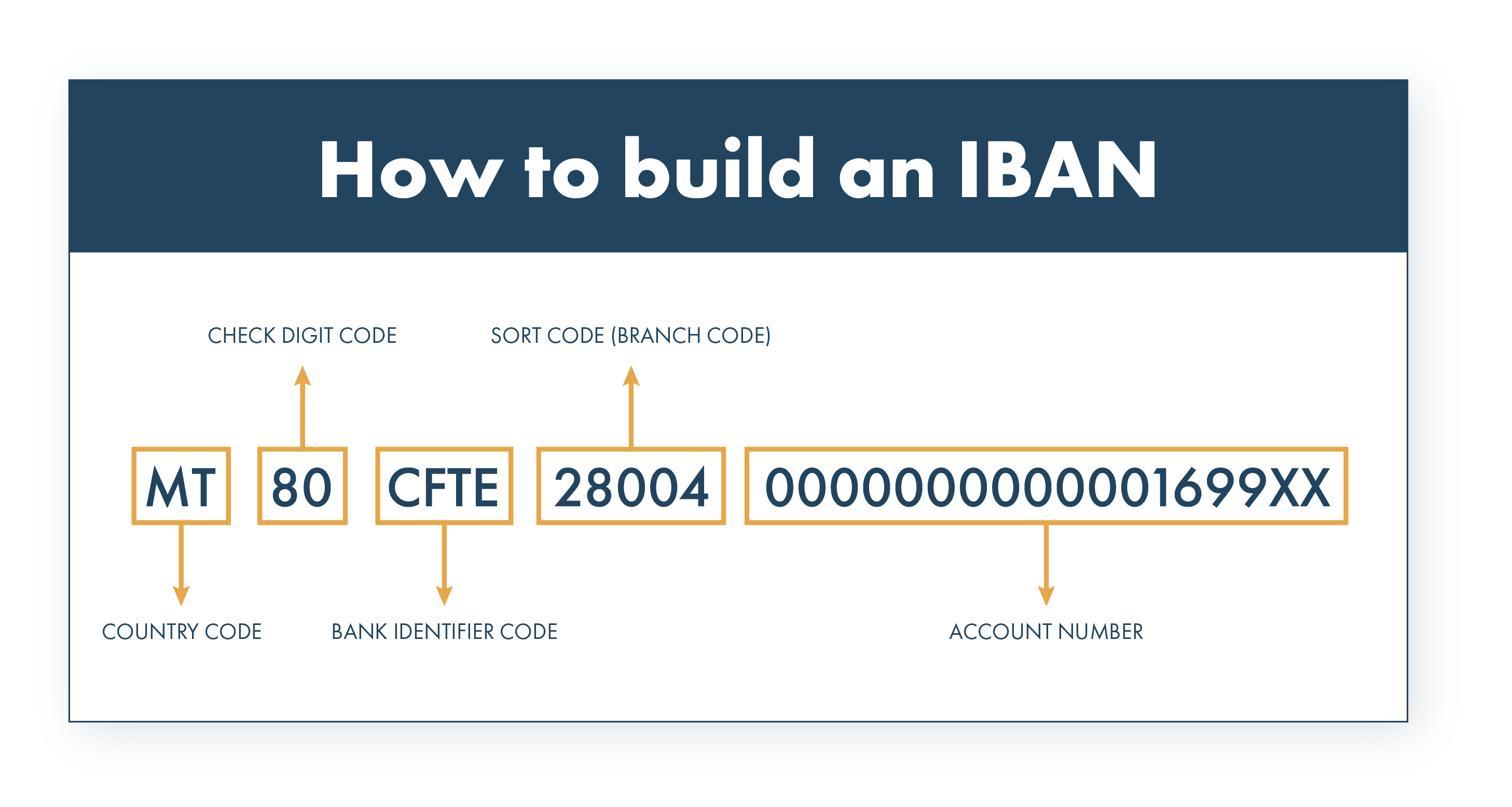
Anatomy of a Bank Account Number and Routing Number
Before beginning your search, understanding the distinct components of your banking profile ensures you do not mistake one set of numbers for another. Financial documents contain multiple numerical sequences, each serving a unique function in the payment infrastructure.
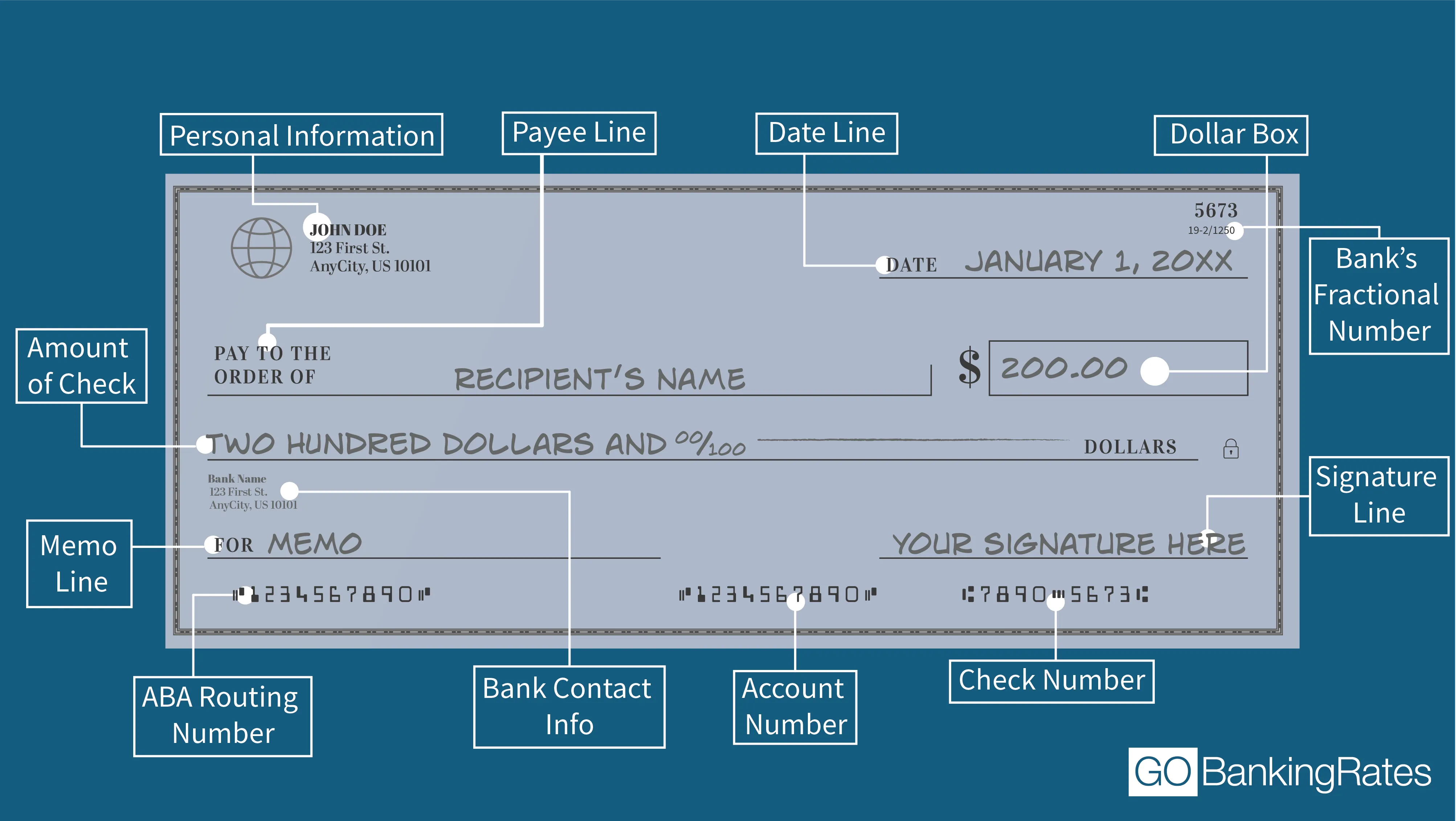
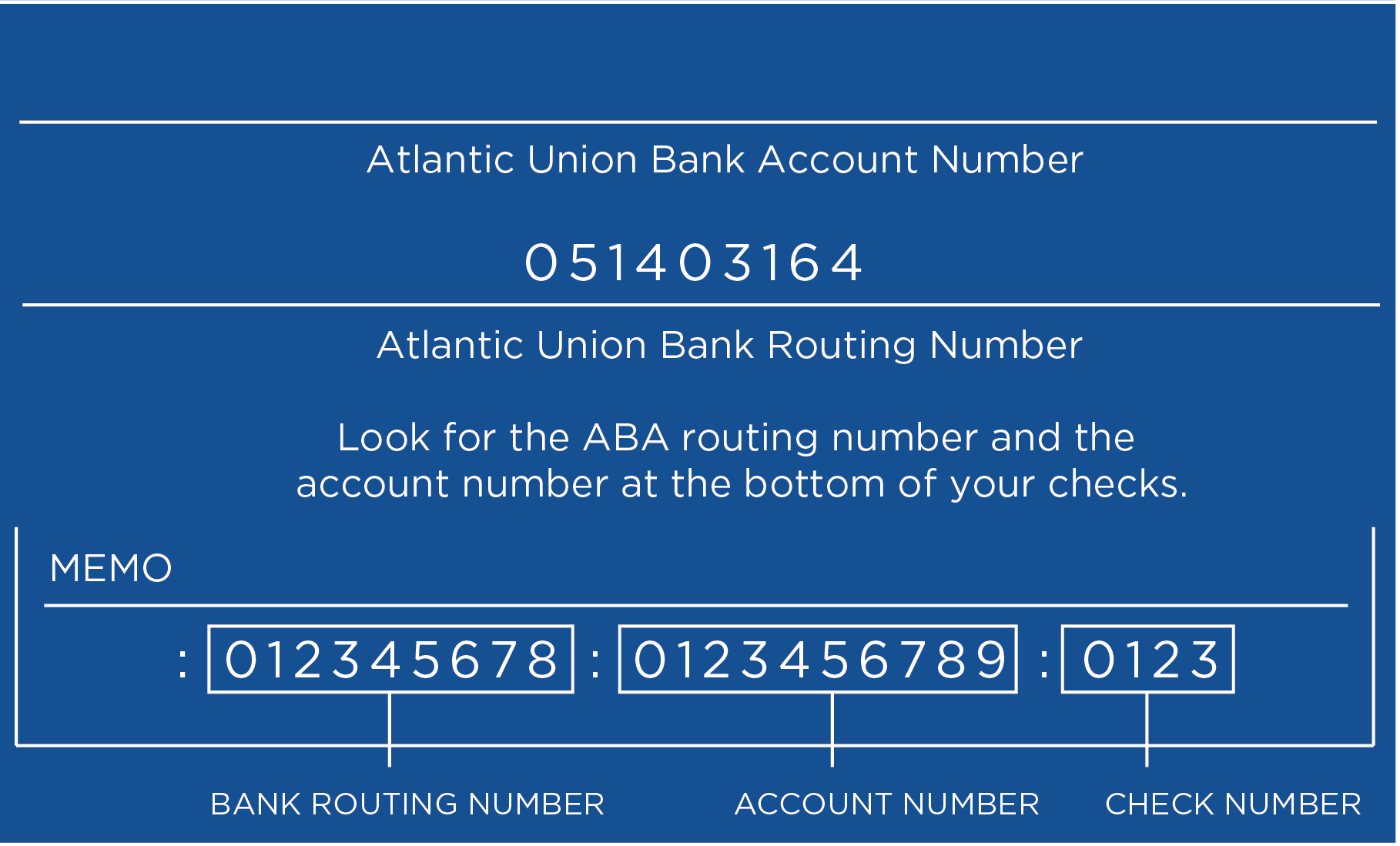
- Routing Transit Number (RTN): A nine-digit code located at the bottom left of a traditional check or on your online banking dashboard. This number identifies the specific financial institution or Federal Reserve district branch where the account was opened. It remains identical for all accounts held at that specific branch location.
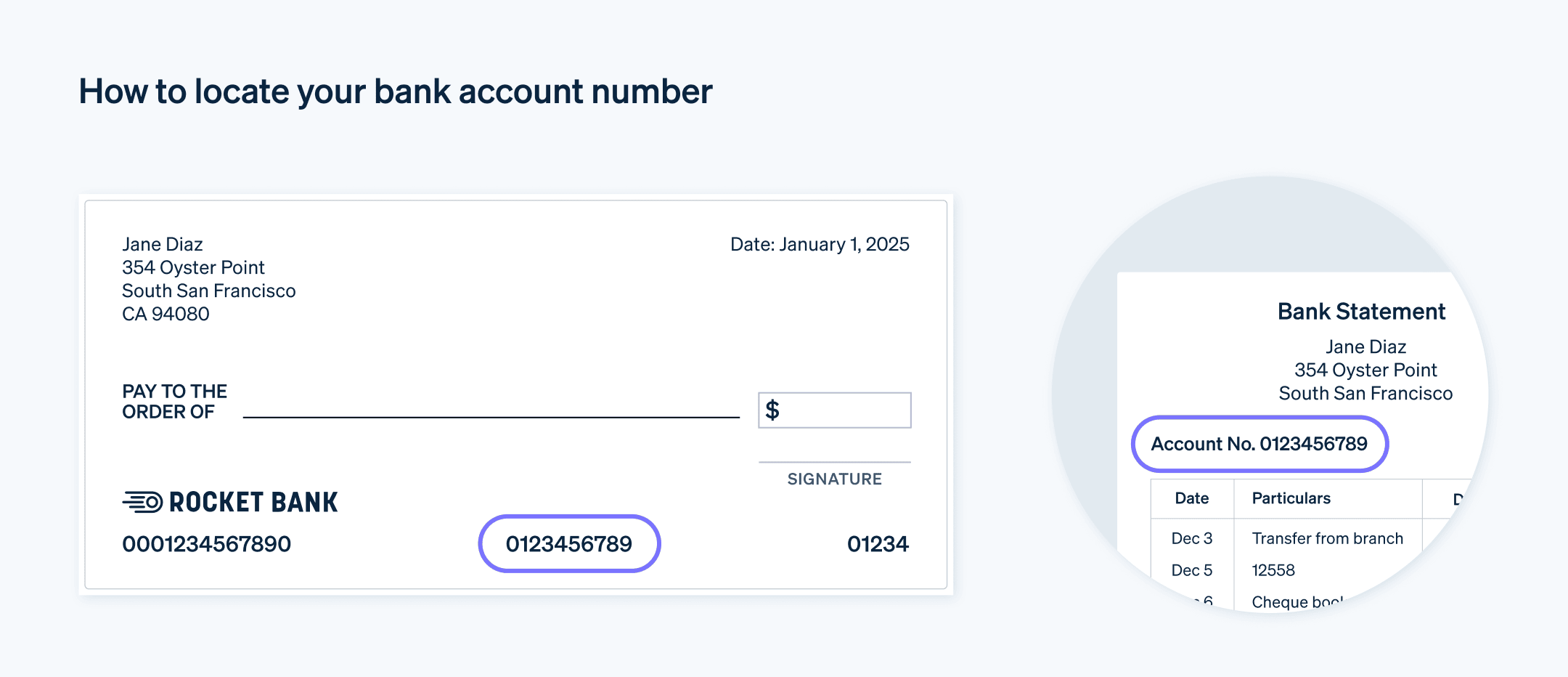
- Bank Account Number: A sequence typically ranging from 8 to 12 digits, located immediately to the right of the routing number on checks. This number is unique to your specific account and distinguishes your funds from those of other customers at the institution.
- Check Number: A sequence of 3 to 4 digits found in the top right corner of a check and repeated at the far right of the bottom magnetic ink character recognition (MICR) line. This changes with every individual check printed and is not your account number.
Recognizing these distinctions prevents confusion when reviewing older documents, ensuring you record the actual account number rather than the routing or check number.
Reviewing Personal Paper and Digital Archives
The fastest and most direct method for recovering an old account number is to examine your personal historical records. Even if an account has been closed, documents generated during its active lifecycle often persist in digital folders or physical file cabinets.
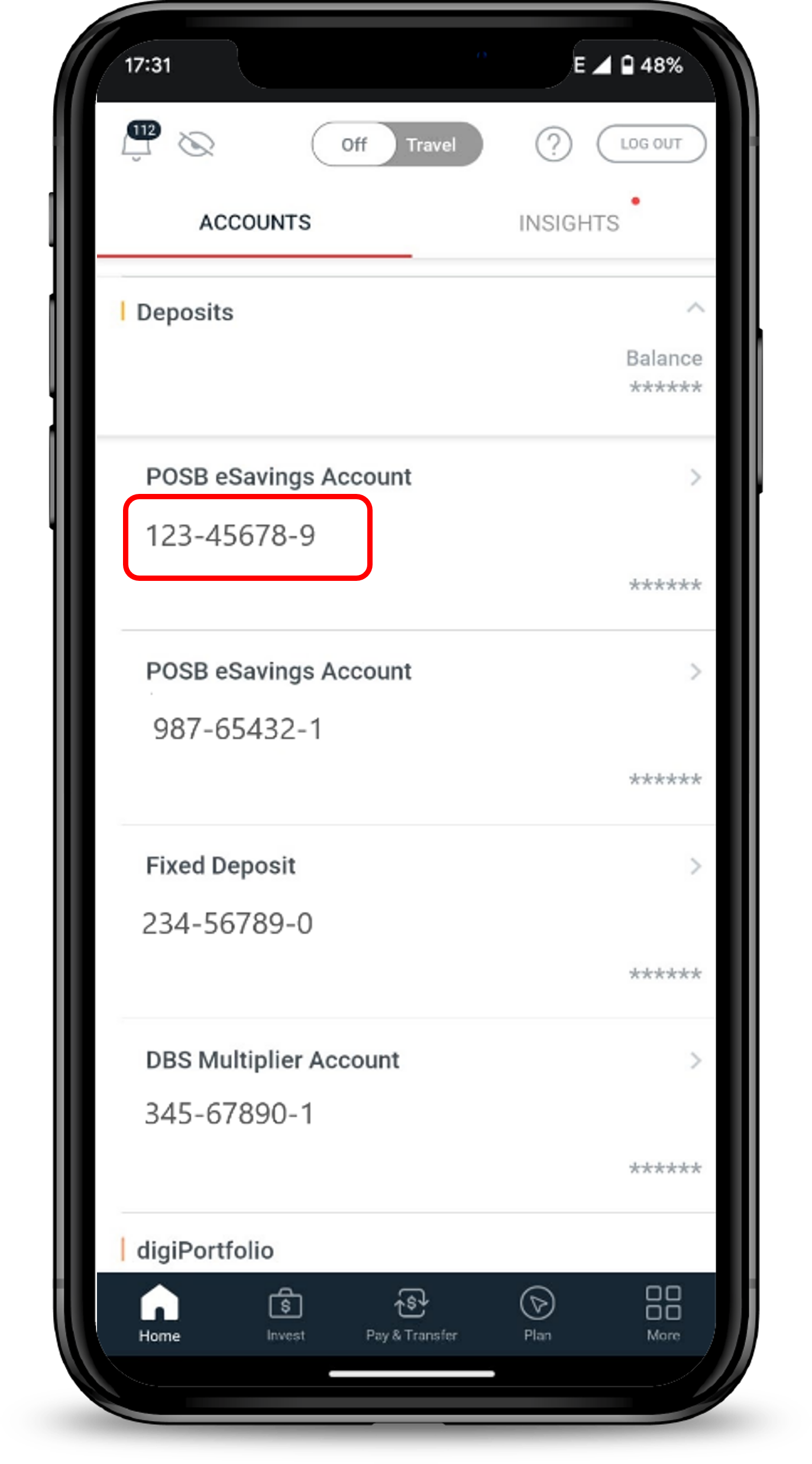
- Paper Statements: Old monthly or quarterly account statements are the most reliable source. Even if the statements are several years old, the account number is typically displayed prominently in the header section near your name and address.
- Canceled Checks and Checkbooks: If you maintained a checkbook for the account, unused checks or ledger stubs record both the routing number and the account number at the bottom of each page.
- Tax Returns: Form 1099, W-2, or prior-year Form 1040 filings often list direct deposit or direct debit accounts. If you received tax refunds or paid liabilities electronically, the associated bank account numbers may be printed on the preparer's copy or supplementary schedules (such as Schedule 1 or Form 8888).
- Digital Files and Email Confirmations: Search your primary and secondary email accounts using keywords such as "statement," "welcome to your new account," "direct deposit," or the name of the bank. Online banking registration confirmations often include the initial account setup details.
Contacting the Former Financial Institution
If personal records yield no results, contacting the institution where the account was held is the next logical step. However, banks and credit unions enforce strict identity verification procedures to prevent unauthorized access to sensitive financial data.
To expedite this process, gather as much historical context as possible before placing a call or visiting a branch:
- The legal name used on the account at the time it was active.
- Previous residential addresses associated with the account.
- Your Social Security Number (SSN) or Taxpayer Identification Number (TIN).
- Approximate dates when the account was opened and closed.
- The type of account (e.g., checking, savings, certificate of deposit).
Be prepared to complete secondary authentication steps, which may include answering challenge questions based on your credit report or submitting a signed written request along with government-issued photo identification. If the institution has merged or been acquired by another bank, you will need to contact the successor institution, as legacy records are typically transferred during corporate acquisitions.
Methods for Recovering Lost or Dormant Bank Accounts
| Recovery Method | Primary Use Case | Required Information | Timeframe |
|---|---|---|---|
| Personal Document Audit | Locating records at home | Tax forms, old statements, emails | Immediate to a few hours |
| Direct Bank Inquiry | Accounts closed within the last 5 to 7 years | ID, SSN, historical addresses | 1 to 3 business days |
| State Unclaimed Property Search | Accounts dormant for 1 to 5 years | Full name, current and past cities/states | Days to several weeks |
| Consumer Credit Report Review | Finding active or recently closed credit/bank lines | Full credit file access | Immediate online access |
Navigating State Unclaimed Property and Escheatment
When a bank account remains inactive for a statutory period—typically ranging from one to five years, depending on state jurisdiction—the institution is legally required to classify the funds as dormant and transfer them to the state treasury through a process known as escheatment.
If your old account was closed with a positive balance or left untouched for years, the bank no longer holds the funds; the state government does. Recovering the account number and the underlying funds requires navigating state-level asset recovery systems:
- Visit Official Search Portals: Access official state unclaimed property websites. In the United States, the centralized platform Unclaimed.org serves as a directory linking directly to official state databases.
- Execute Broad Searches: Search using your current name, previous legal names (such as maiden names), and all former residential addresses where you resided while the account was open.
- File a Claim: If matching funds are identified, submit an online claim form. You will be required to provide documentary proof of your identity and your historical connection to the address linked to the abandoned property.
- Retrieve Account Details: Once the state verifies your claim, the returned funds documentation or correspondence will often reference the original bank account number and the institution of origin.
Evaluating Credit Reports and Financial Aggregators
Modern financial monitoring tools and credit reporting mechanisms offer alternative avenues for identifying historical banking relationships.
- Credit Reports: Reviewing your comprehensive credit files from major bureaus (Equifax, Experian, TransUnion) can reveal legacy financial accounts. While standard credit reports focus primarily on loans and credit cards, checking account status and inquiry histories are sometimes tracked via specialized consumer reporting agencies such as Early Warning Services (EWS) or ChexSystems. Requesting your consumer disclosure reports from these entities can highlight checking and savings accounts opened in your name over the past five years.
- Financial Aggregators and Budgeting Apps: If you previously linked your old bank account to third-party budgeting software, investment platforms, or peer-to-peer payment apps, check the archived or disconnected accounts list within those applications. While full account numbers are frequently masked for security purposes (displaying only the last four digits), partial numbers combined with bank names can simplify the verification process when contacting customer support.
Common Obstacles and Troubleshooting Strategies
Attempting to retrieve legacy account numbers often presents specific hurdles. Understanding these potential roadblocks helps prevent wasted effort:
- Data Retention Policies: Federal and state regulations dictate how long banks must retain records. Generally, banks are required to keep transaction records for five years after an account is closed. If an account has been closed for a decade or longer, physical and digital records at the branch level may have been permanently purged, making state unclaimed property databases the only viable recovery path.
- Name Changes: Marriage, divorce, or legal name changes frequently disrupt account tracking. Ensure you search using every variation of your legal name that was active during the period you held the account.
- Identity Theft Protections: Due to stringent privacy laws, customer service representatives cannot read full account numbers over the phone or via standard email. You may be required to visit a physical branch with photo identification or use encrypted customer portals to securely retrieve your full account details.
Frequently Asked Questions
Can I find my old bank account number online if the account is closed?
If the account has been closed for an extended period, online banking access is typically disabled, preventing you from viewing the number digitally. You will need to review downloaded historical PDF statements, tax documents, or contact the bank's customer support directly.
What happens to money left in a forgotten bank account?
After a period of inactivity ranging from one to five years, the bank declares the account dormant and turns the funds over to the state treasury as unclaimed property. You can recover these funds and associated account details by searching your state's unclaimed property database.
Will a bank charge a fee to provide an old account number?
Most financial institutions do not charge a fee to verify your identity and provide details on your historical accounts, though excessive requests for archived paper document copies from years past may incur nominal research fees.
How long do banks keep records of closed accounts?
Financial institutions typically retain core customer records and transaction histories for five to seven years following account closure to comply with regulatory mandates, anti-money laundering laws, and tax reporting requirements.
Can I use the routing number to find my account number?
No, a routing number identifies the financial institution and branch location, but it is identical for thousands of customers. It cannot be used to mathematically derive your unique personal account number.
Practical Recommendation
Begin your search systematically by checking digital tax software archives, downloaded PDF statements, and physical filing cabinets for past Form 1040s or bank letters. If personal records yield no results, immediately check state unclaimed property portals using your current and historical addresses before contacting bank customer service departments directly with verified identification documents.
Image Gallery