Understanding Grade A Productions: The Evolution of Lil Bibby’s Record Label
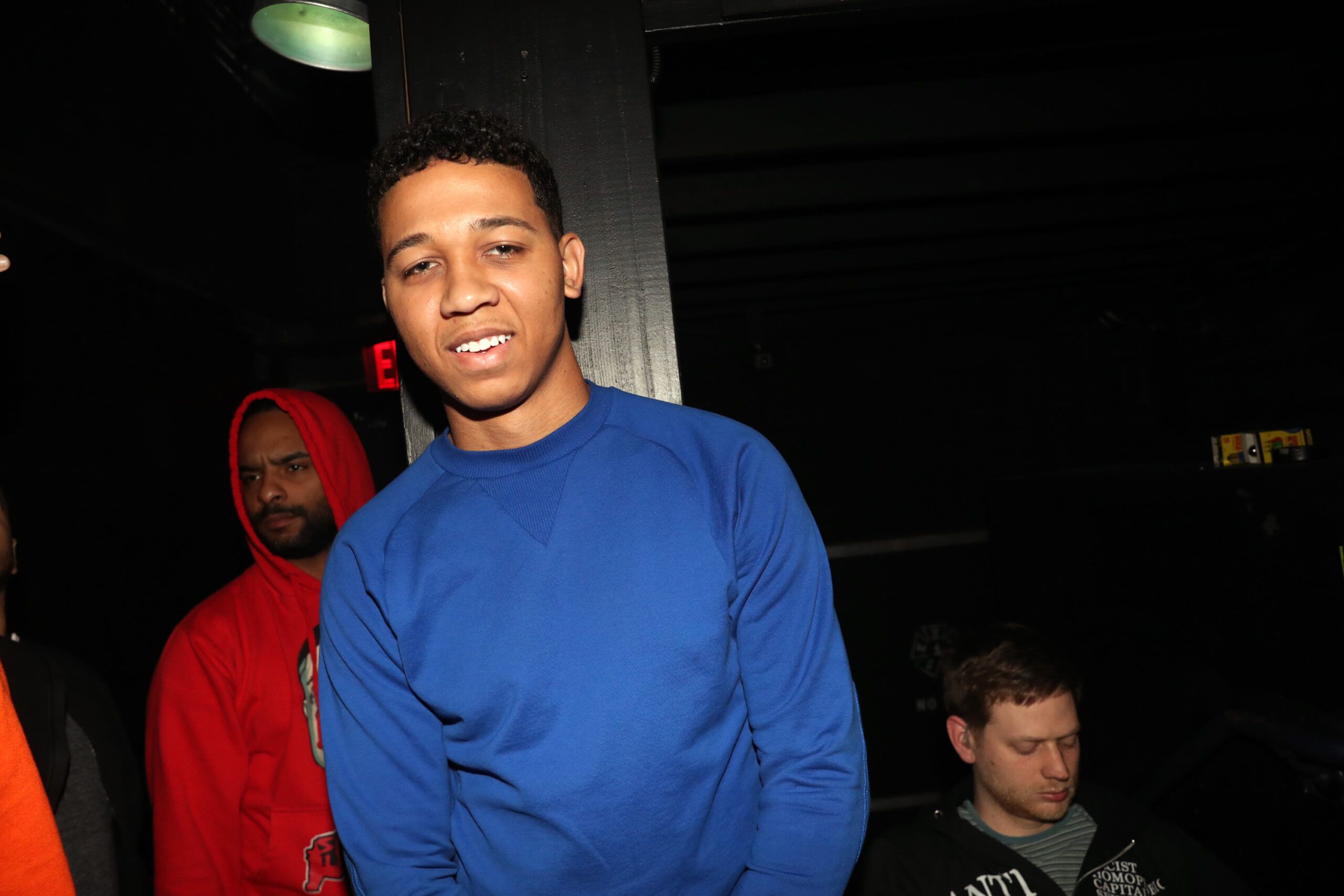
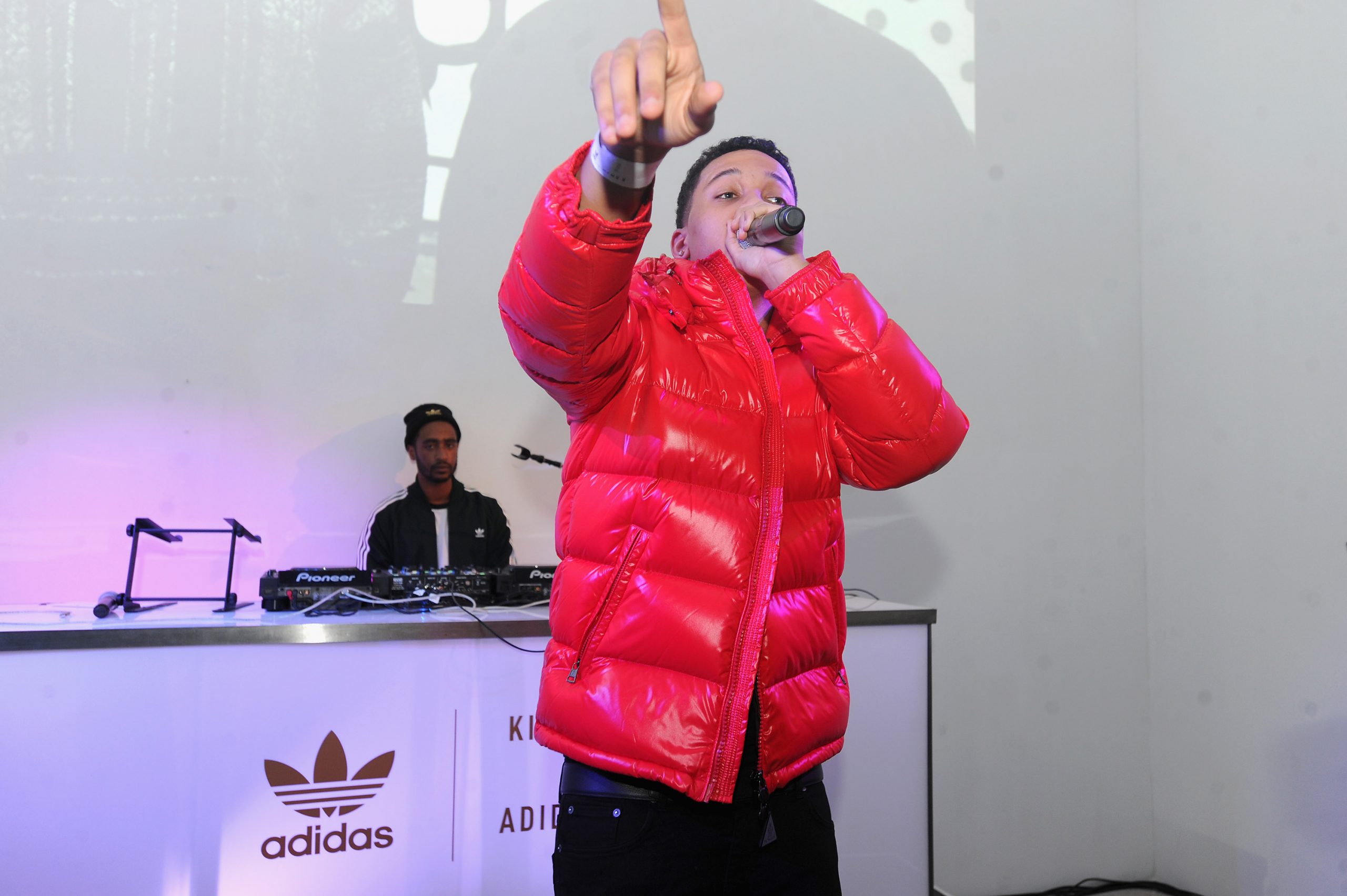
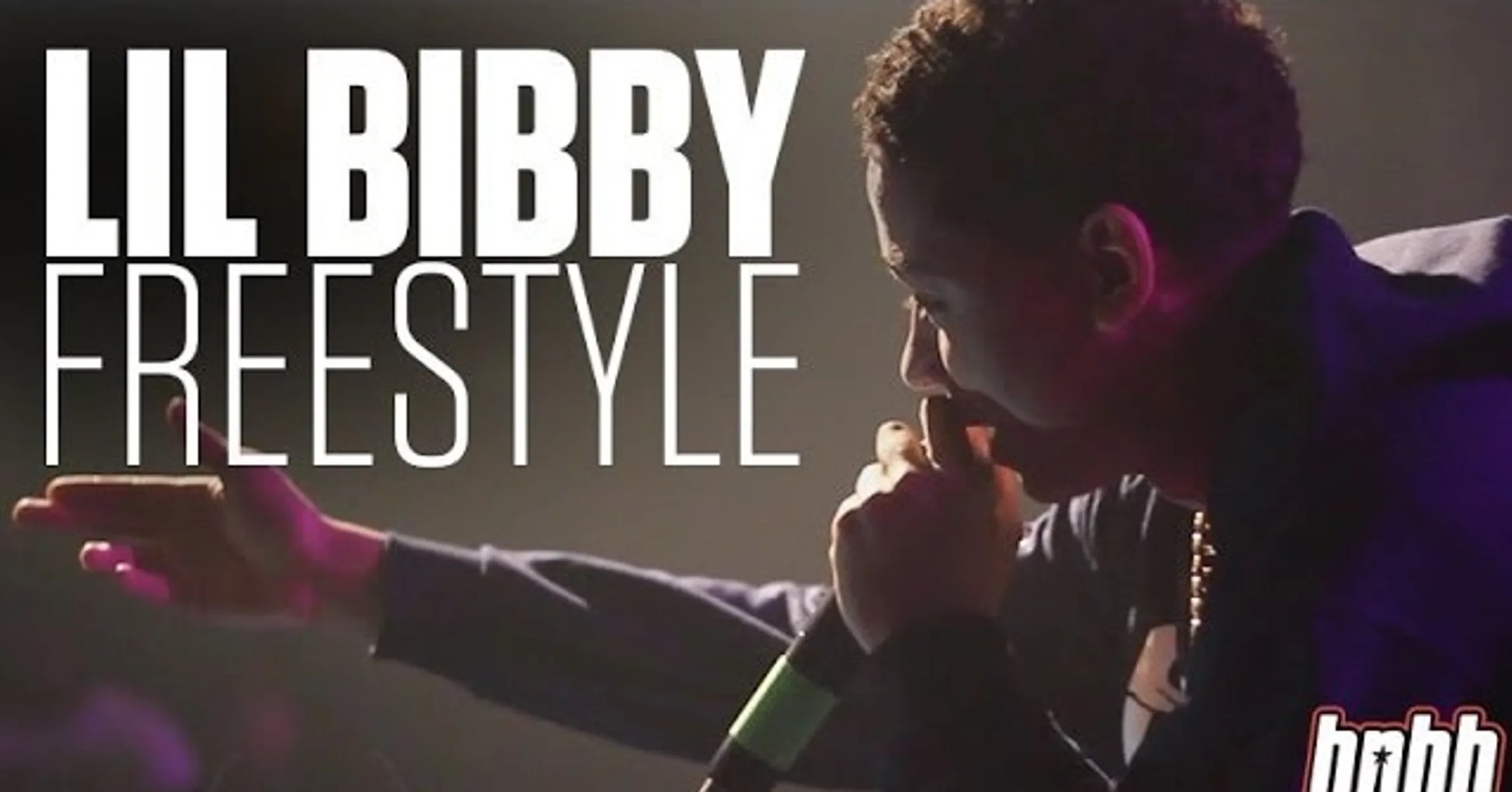
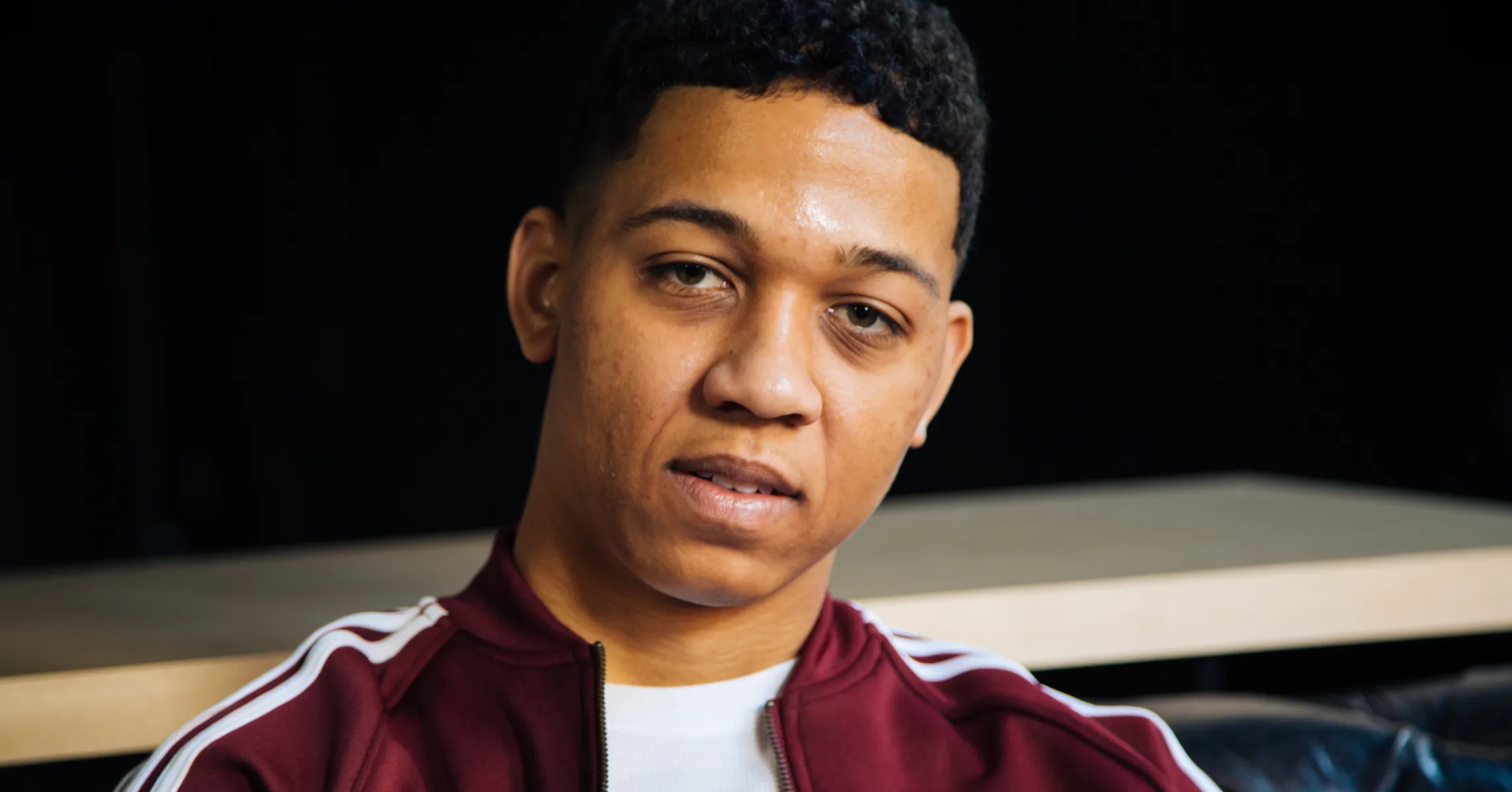
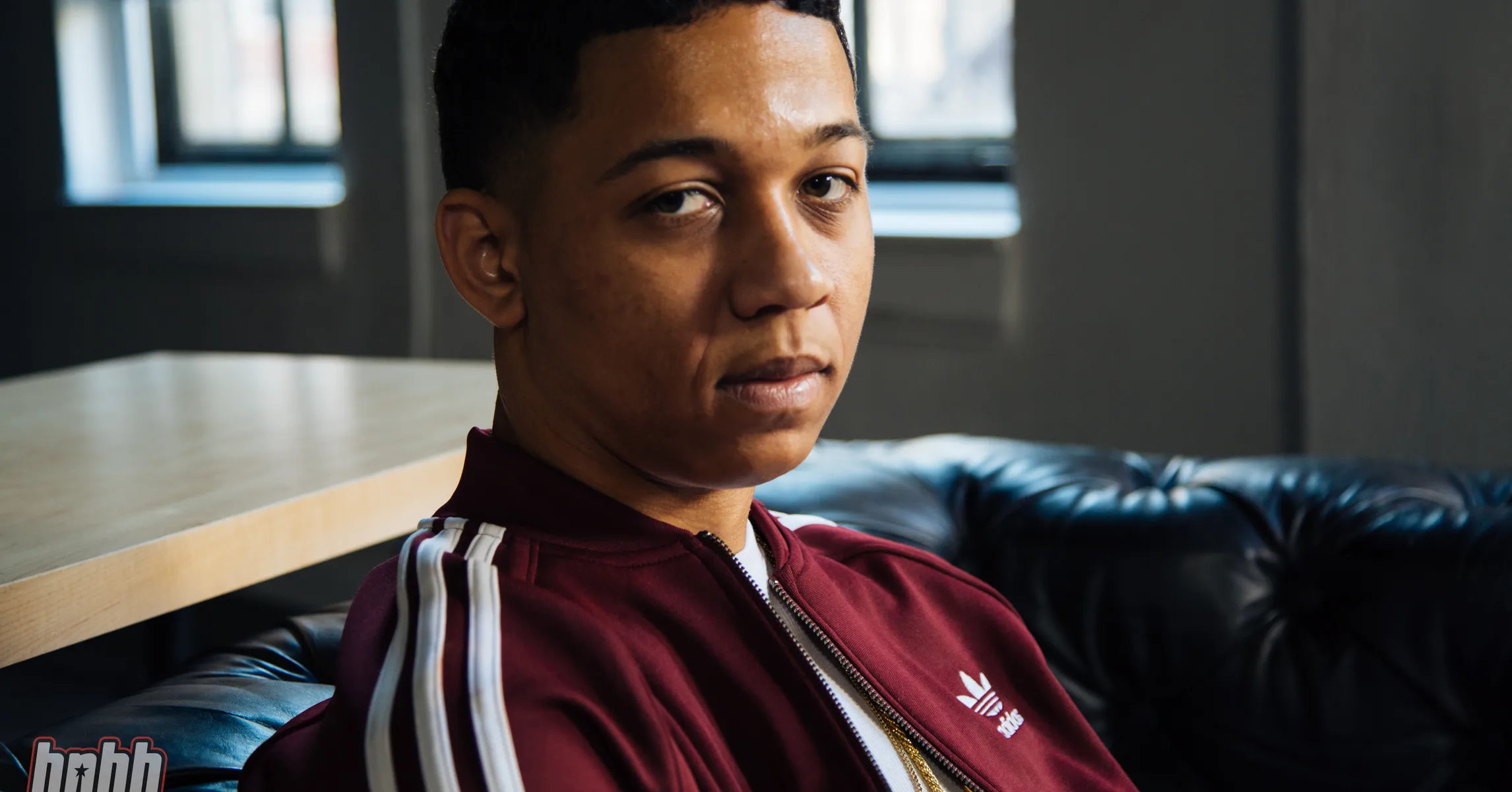
Lil Bibby’s record label is Grade A Productions, an independent powerhouse founded in 2017 by the Chicago rapper and his brother, Peter "G Money" Dickinson. The label achieved global prominence by discovering and developing era-definin...
Lil Bibby’s record label is Grade A Productions, an independent powerhouse founded in 2017 by the Chicago rapper and his brother, Peter "G Money" Dickinson. The label achieved global prominence by discovering and developing era-defining talents like Juice WRLD and The Kid LAROI through a strategic partnership with Interscope Records.
Contents
Since its inception, Grade A Productions has transitioned from a boutique independent venture into one of the most influential entities in the melodic rap and emo-pop genres. While Lil Bibby (born Brandon George Dickinson) rose to fame as a pioneer of the Chicago drill scene, his decision to pivot from a recording artist to a label executive has redefined his legacy. In 2026, Grade A Productions continues to manage the extensive posthumous catalog of Juice WRLD while scouting the next generation of digital-first superstars.
The Genesis of Grade A Productions
The foundation of Grade A Productions was born out of Lil Bibby’s disillusionment with the traditional artist-label relationship. After experiencing the constraints of the music industry firsthand as a performer, Bibby sought to create a platform where artist development was prioritized over immediate commercial exploitation.
Bibby and G Money founded Grade A in 2017 with a lean operational structure. Unlike traditional legacy labels that rely on massive street teams, Grade A focused heavily on digital A&R (Artists and Repertoire). They utilized SoundCloud, YouTube, and early social media metrics to identify artists who possessed not only talent but a dedicated, cult-like digital following.
From Drill to Development: Lil Bibby's Executive Shift
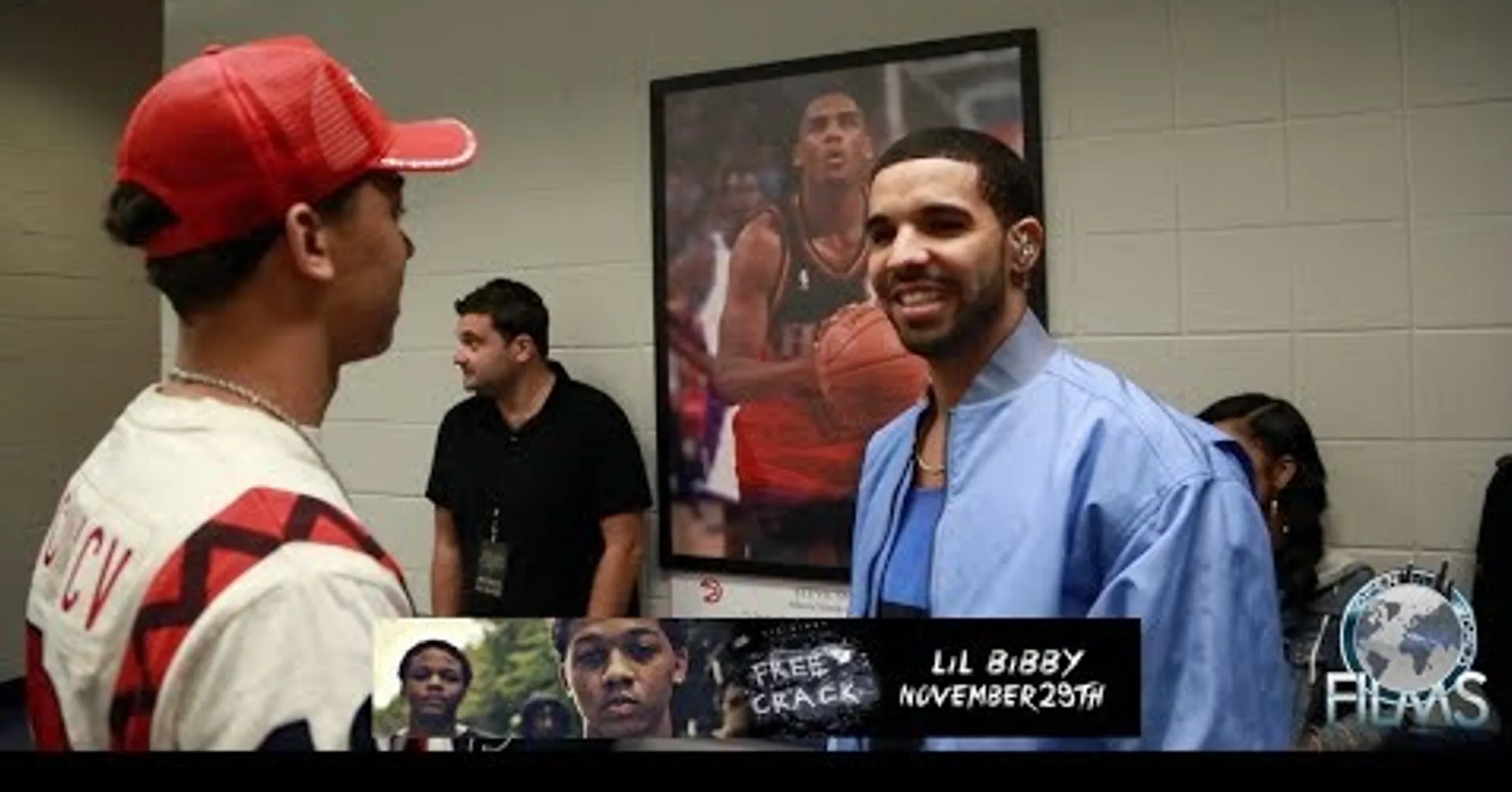
Lil Bibby’s transition was notable because it occurred at the height of his lyrical relevance. Many fans questioned why he stopped releasing solo projects like the Free Crack series. The answer lay in the "scalability" of the executive role. Bibby realized that as an artist, he was the product; as a label owner, he could build an infrastructure that survived beyond his own performance career.
The Juice WRLD Catalyst
The defining moment for Grade A Productions came with the signing of Jarad Higgins, known professionally as Juice WRLD. In 2017, Grade A discovered Juice WRLD on SoundCloud, where his unique blend of melodic rock influences and freestyle rap prowess was already gaining traction.
The partnership between Grade A and Juice WRLD was symbiotic. Bibby provided the industry mentorship and the bridge to major label resources, while Juice WRLD provided a prolific output of hits.
- The $3 Million Deal: Shortly after signing with Grade A, the label negotiated a joint-venture deal with Interscope Records reportedly worth $3 million. This provided the capital necessary for global marketing and high-end production.
- Cultural Impact: With hits like "Lucid Dreams" and "All Girls Are the Same," Grade A proved that an independent Chicago-based team could dictate global music trends.
- Posthumous Stewardship: Following Juice WRLD’s tragic passing in 2019, Grade A took on the complex role of managing his estate. This involves curated releases of thousands of unreleased tracks, ensuring that his legacy remains commercially viable and artistically respected.
Expanding the Roster: The Kid LAROI and Beyond
Grade A Productions demonstrated that the success of Juice WRLD was not a fluke by signing Australian artist The Kid LAROI. Under Bibby’s guidance, LAROI moved to Los Angeles and was mentored by Juice WRLD, creating a "big brother" dynamic that resonated with fans.
The label's strategy with LAROI focused on international crossover. By 2021, LAROI had achieved a Number 1 single on the Billboard Hot 100 with "Stay" (featuring Justin Bieber). This success cemented Grade A's reputation as "hitmakers" rather than just a rap label. The label’s ability to navigate the transition from rap-adjacent music to mainstream pop became a blueprint for other independent executives.
Identifying New Talent
In recent years, Grade A has continued to look for specific archetypes: artists who can bridge the gap between vulnerability and viral appeal. Signings like Zzz. (Sam Harris) follow this lineage of melodic, emotionally driven music that performs exceptionally well on streaming platforms.
Grade A Productions Business Structure and Partnerships
Grade A operates primarily as a production and management hybrid. While they are an independent label, they utilize the "Joint Venture" (JV) model with major labels—primarily Interscope Records—for distribution, radio promotion, and international reach.
| Feature | Grade A Productions | Traditional Major Labels |
|---|---|---|
| A&R Philosophy | Digital-first; SoundCloud & Social discovery | Multi-channel; Industry referrals |
| Artist Development | High-touch mentorship from former artists | Standardized marketing cycles |
| Major Partner | Interscope Records (Distribution) | In-house distribution |
| Key Focus | Melodic Rap, Emo-Pop, Posthumous Estates | All Genres / High Volume |
| Leadership | Lil Bibby & G Money | Corporate Board of Directors |
The Role of G Money
While Lil Bibby is the public face of the label, Peter "G Money" Dickinson handles a significant portion of the day-to-day operations and contract negotiations. The brothers' partnership allows the label to maintain a "family business" feel while operating at the highest levels of the corporate music world.
Managing the Posthumous Era: Challenges and Strategy
One of the most discussed aspects of Grade A Productions is their management of posthumous music. In the streaming era, an artist's death does not mark the end of their career, but rather a shift in how their catalog is managed.
Grade A has faced both praise and criticism for the release of Juice WRLD’s posthumous albums, such as Legends Never Die (2020) and Fighting Demons (2021). The challenge lies in:
- Authenticity: Selecting songs that the artist would have wanted to release.
- Saturation: Balancing the release of new music to satisfy fans without devaluing the existing catalog.
- Fan Engagement: Managing "leaks," which have plagued the Juice WRLD community for years. Grade A has had to balance legal action against leakers with the need to keep the fanbase engaged.
Requirements for Artists Seeking a Sign with Grade A
While Grade A does not have an "open call" for demos, their scouting patterns reveal what they look for in 2026. Aspiring artists should note that Bibby rarely signs "pure" drill rappers anymore, favoring those with melodic versatility.
- Established Digital Footprint: An artist must already have a "buzz" on TikTok, SoundCloud, or Instagram. Grade A looks for data-backed potential.
- Melodic Versatility: The ability to move between singing and rapping is a prerequisite for the Grade A sound.
- Work Ethic: Lil Bibby has frequently praised Juice WRLD’s ability to record dozens of songs in a single night. Grade A looks for prolific creators.
- Emotional Resonance: The label’s most successful artists share a common thread of vulnerability in their songwriting.
The Future of Grade A Productions in 2026
As of 2026, Grade A Productions has evolved into a diversified media entity. Beyond music, the label has explored documentary filmmaking—evidenced by the HBO documentary Juice WRLD: Into the Abyss—and extensive merchandising.
The label is currently focused on the final chapters of the Juice WRLD posthumous releases while attempting to break new artists into the "superstar" tier. Their biggest challenge remains the "Sophomore Slump" for new signings and the ever-changing algorithms of social media that dictate music discovery.
Frequently Asked Questions
Is Lil Bibby still a rapper?
While Lil Bibby has not officially retired in a legal sense, he has stated in numerous interviews that he is retired from the recording aspect of the industry. His focus is entirely on his role as the CEO of Grade A Productions and managing his roster.
Who owns Grade A Productions?
The label is co-owned by Lil Bibby (Brandon Dickinson) and his brother, G Money (Peter Dickinson). They maintain independent ownership while utilizing Interscope Records for major distribution services.
How can an artist get discovered by Grade A?
Grade A primarily discovers talent through organic digital growth. Maintaining a high-quality presence on platforms where music is shared and engaging with a niche community is the most effective way to appear on their A&R radar. They do not typically accept unsolicited email demos.
What happened to The Kid LAROI’s management with Grade A?
The Kid LAROI has had a fluctuating relationship with management, briefly moving to Scooter Braun's SB Projects before returning to various collaborative arrangements. However, Grade A remains a significant part of his career history and maintains interests in his early catalog.
Why is the label called "Grade A"?
The name reflects the founders' goal of providing "Grade A" quality music and artist development, moving away from the "B-level" treatment many independent artists receive when first entering the industry.
Practical Recommendation for Aspiring Executives
For those looking to follow Lil Bibby’s path, the success of Grade A Productions serves as a case study in the power of niche expertise. Bibby didn't try to sign every genre; he focused on a specific "sound" that he understood better than anyone else. To succeed as a label head in 2026, focus on building a community around a specific aesthetic or sound before attempting to scale into a multi-genre conglomerate.
Image Gallery