How to Find Engagement Rings for Less Without Sacrificing Quality
Finding an engagement ring that balances aesthetic appeal with budgetary constraints is a common objective for many couples. By focusing on stone selection, setting materials, and strategic sourcing, you can significantly reduce costs...
Finding an engagement ring that balances aesthetic appeal with budgetary constraints is a common objective for many couples. By focusing on stone selection, setting materials, and strategic sourcing, you can significantly reduce costs while maintaining the integrity and sentiment of the piece. Understanding the nuances of diamond grading and alternative gemstones is the primary step in achieving a high-value, lower-cost purchase.
Contents
Understanding the Diamond "Four Cs" and Cost Drivers
The traditional engagement ring market relies on the "Four Cs"—Cut, Color, Clarity, and Carat weight. To reduce costs, you must understand how these variables interact with market pricing.
- Carat Weight: Prices for diamonds often jump at "magic sizes" (e.g., 0.50, 1.00, or 2.00 carats). Selecting a stone slightly below these standard weights—such as a 0.90-carat diamond rather than a 1.00-carat stone—can result in a significant price reduction while being visually indistinguishable to the naked eye.
- Clarity: Many consumers overspend on "Flawless" (FL) or "Internally Flawless" (IF) grades. From a practical standpoint, a diamond with "Slightly Included" (SI1 or SI2) ratings is typically "eye-clean," meaning no inclusions are visible without significant magnification. You pay a premium for microscopic perfection that is never noticed during daily wear.
- Color: Diamonds are graded from D (colorless) to Z (light yellow). Near-colorless diamonds (G through J) offer excellent value. When set in yellow or rose gold, the metal’s warmth masks subtle yellow tints in the stone, allowing you to choose a lower color grade without compromising the ring's appearance.
Lab-Grown vs. Natural Diamonds
In 2026, the distinction between natural and lab-grown diamonds is well-established in the industry. Lab-grown diamonds are chemically, physically, and optically identical to mined diamonds. The primary difference is the origin and the price. Because lab-grown diamonds do not require traditional mining and logistical supply chains, they are often 50% to 70% less expensive than natural diamonds of equivalent quality. Opting for a lab-grown stone allows you to allocate your budget toward a larger carat size or a more intricate setting without increasing your total spend.
Selecting Alternative Gemstones
If your goal is to reduce cost while prioritizing size or unique style, consider non-diamond gemstones. Precious stones like sapphires, rubies, and emeralds offer durability and prestige.
- Sapphires: These are exceptionally hard (9 on the Mohs scale, compared to a diamond’s 10), making them suitable for daily wear. They are available in a variety of colors, not just blue, and typically cost substantially less than a diamond of similar size.
- Moissanite: This gemstone has gained immense popularity for its brilliance and hardness (9.25 on the Mohs scale). It is known for its high refractive index, which provides more "fire" or sparkle than a diamond. Moissanite is a fraction of the cost of diamonds and is an excellent option for those who want a diamond-like appearance at a budget-friendly price point.
Comparing Ring Components and Sourcing
The "setting"—the band and the structure that holds the stone—is often an overlooked area for cost savings.
| Component | Cost-Saving Strategy |
|---|---|
| Metal Choice | Consider 10k or 14k gold instead of 18k or platinum; they are more durable and affordable. |
| Band Design | Choose simple solitaire bands; intricate pave or halo settings increase labor costs significantly. |
| Sourcing | Compare online retailers vs. traditional brick-and-mortar jewelers; online overhead is typically lower. |
| Inventory | Look for "pre-loved" or vintage rings from reputable secondary market dealers. |
The Role of Metal and Setting Complexity
The metal you choose affects both the price and the long-term maintenance of the ring. Platinum is a dense, precious metal that carries a premium price tag and requires periodic polishing to maintain its luster. 14k gold is a mixture of gold and other alloys, making it more scratch-resistant and budget-friendly.
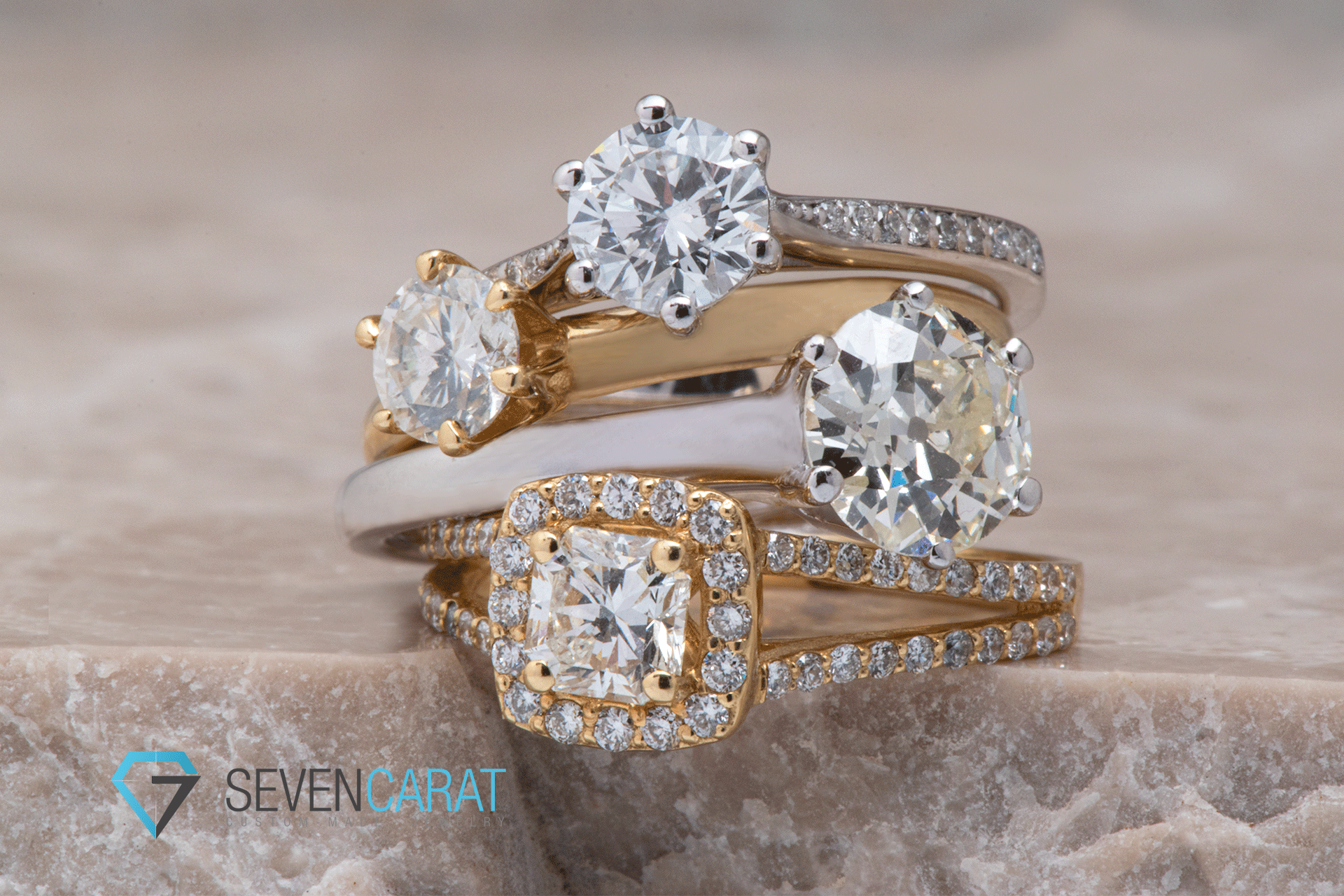
Additionally, the complexity of the setting design drives up labor costs. A "solitaire" setting is the most cost-effective, as it requires less metal and fewer hours of craftsmanship compared to "halo" or "three-stone" settings. If you prefer a larger look, a halo setting can surround a smaller, less expensive center stone with tiny diamonds, creating the illusion of a larger piece at a lower total price.
Practical Tips for Verifying Value
Before finalizing a purchase, ensure the jeweler provides a grading report from a recognized laboratory, such as the Gemological Institute of America (GIA) or the International Gemological Institute (IGI). These reports verify the stone's specifications, ensuring you are paying for the quality you are receiving. Avoid purchasing rings that lack independent certification. When shopping online, prioritize retailers that offer clear return policies, secure shipping, and a transparent warranty regarding manufacturing defects.
Frequently Asked Questions
Are lab-grown diamonds considered "fake"? No. Lab-grown diamonds are real diamonds. They possess the same carbon structure as mined diamonds. They are not to be confused with simulants like cubic zirconia, which are chemically different and lack the hardness and durability of diamonds.
Does buying an engagement ring online save money? Often, yes. Online retailers generally have lower overhead costs, such as rent for physical storefronts and staffing, which allows them to offer competitive pricing. However, always prioritize sites that provide third-party certification for their stones.
Is it safe to buy a used engagement ring? Purchasing a pre-owned ring is a highly effective way to find a high-quality piece for less. Ensure the ring comes with its original paperwork and have it appraised by an independent jeweler before completing the transaction to verify the quality and authenticity of the materials.
What is the most durable metal for a budget ring? 14k gold is an excellent balance of durability and cost. It is stronger than 18k gold because it contains a higher percentage of harder alloys, making it better suited for daily wear.
Can I reset a stone later? Yes. Many couples choose to purchase a simple solitaire setting initially to save money, with the intention of "upgrading" the setting to a more complex design for an anniversary or special milestone in the future.
Next Action: Establishing Your Budget
Before browsing, set a firm total budget. Once your budget is established, decide whether you prioritize the size of the stone, the quality of the stone, or the intricacy of the setting. Researching these factors online using the guidelines above will allow you to enter a consultation with a jeweler—or browse online collections—with clear expectations and an informed perspective, ensuring you get the best value for your investment.
Image Gallery