How to Choose Ice Molds for Face: A Guide to Facial Cryotherapy Tools
Choosing the right ice mold for your face involves balancing material safety, ergonomic design, and the intended thermal application to ensure your skin receives consistent cooling without the risk of frostbite or irritation. When sele...
Choosing the right ice mold for your face involves balancing material safety, ergonomic design, and the intended thermal application to ensure your skin receives consistent cooling without the risk of frostbite or irritation. When selecting a facial ice mold, prioritize food-grade silicone construction, a leak-resistant seal, and a shape that fits the natural contours of your jawline, cheeks, and under-eye area to maximize therapeutic benefits while maintaining ease of use.
Contents
Understanding the Purpose of Facial Ice Molds
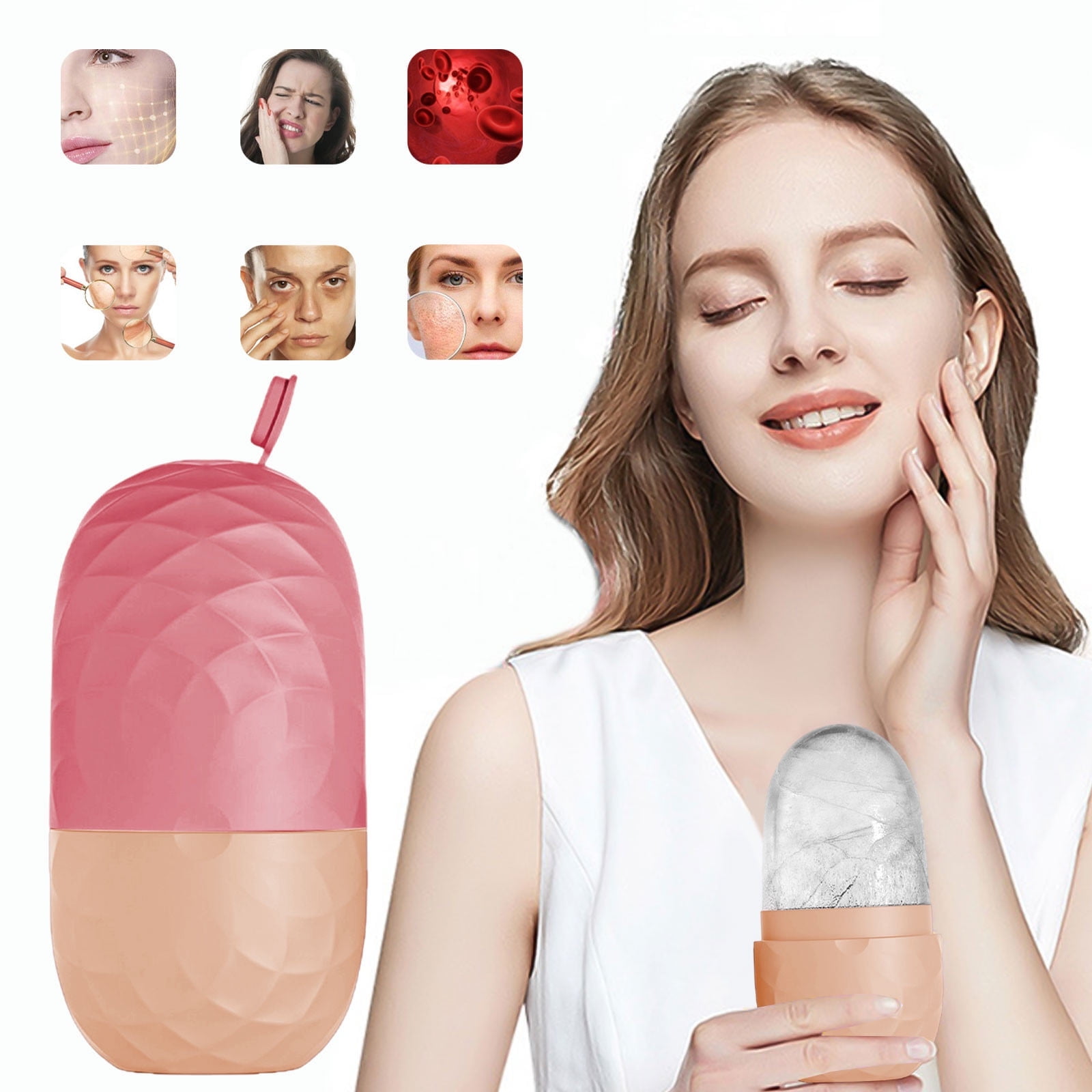
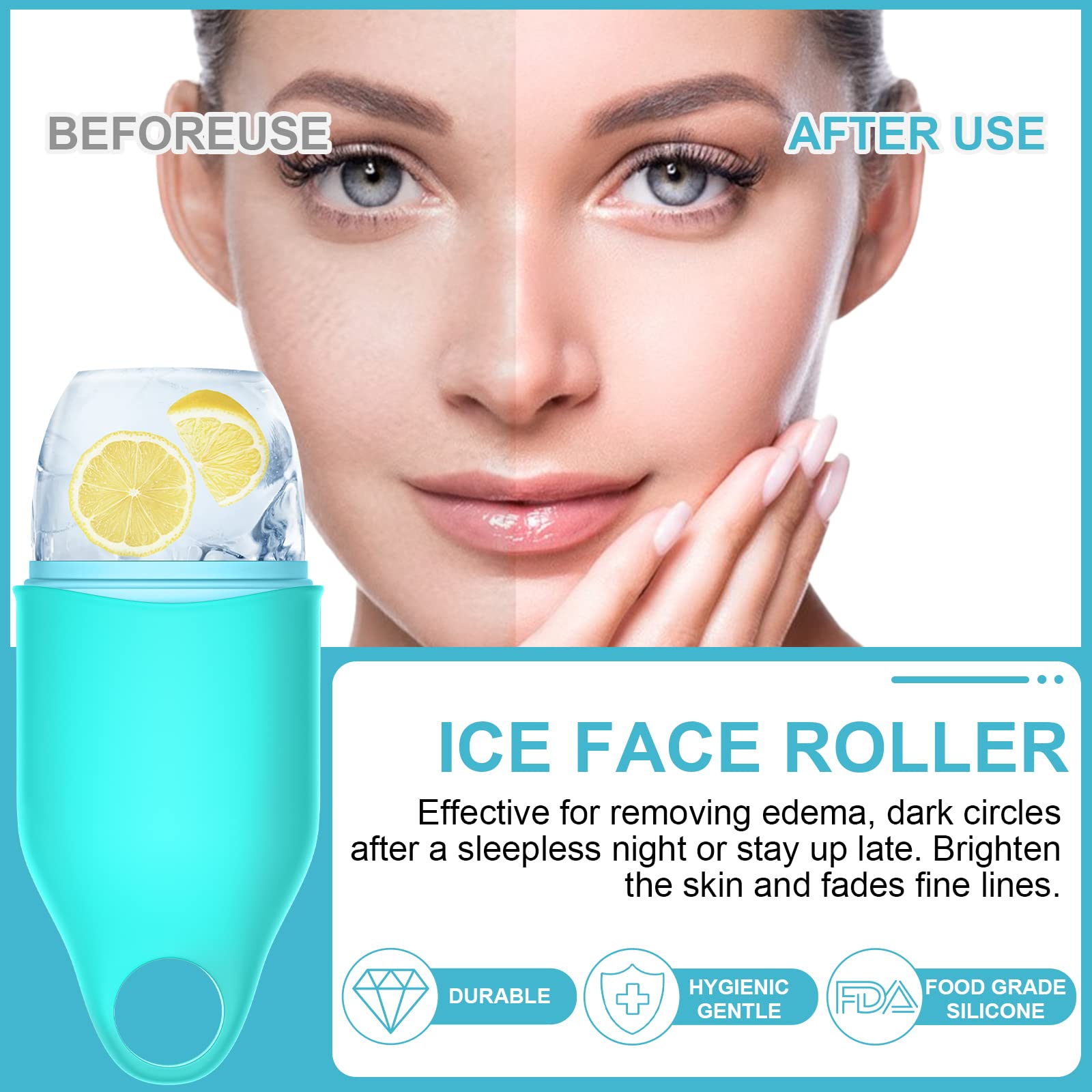
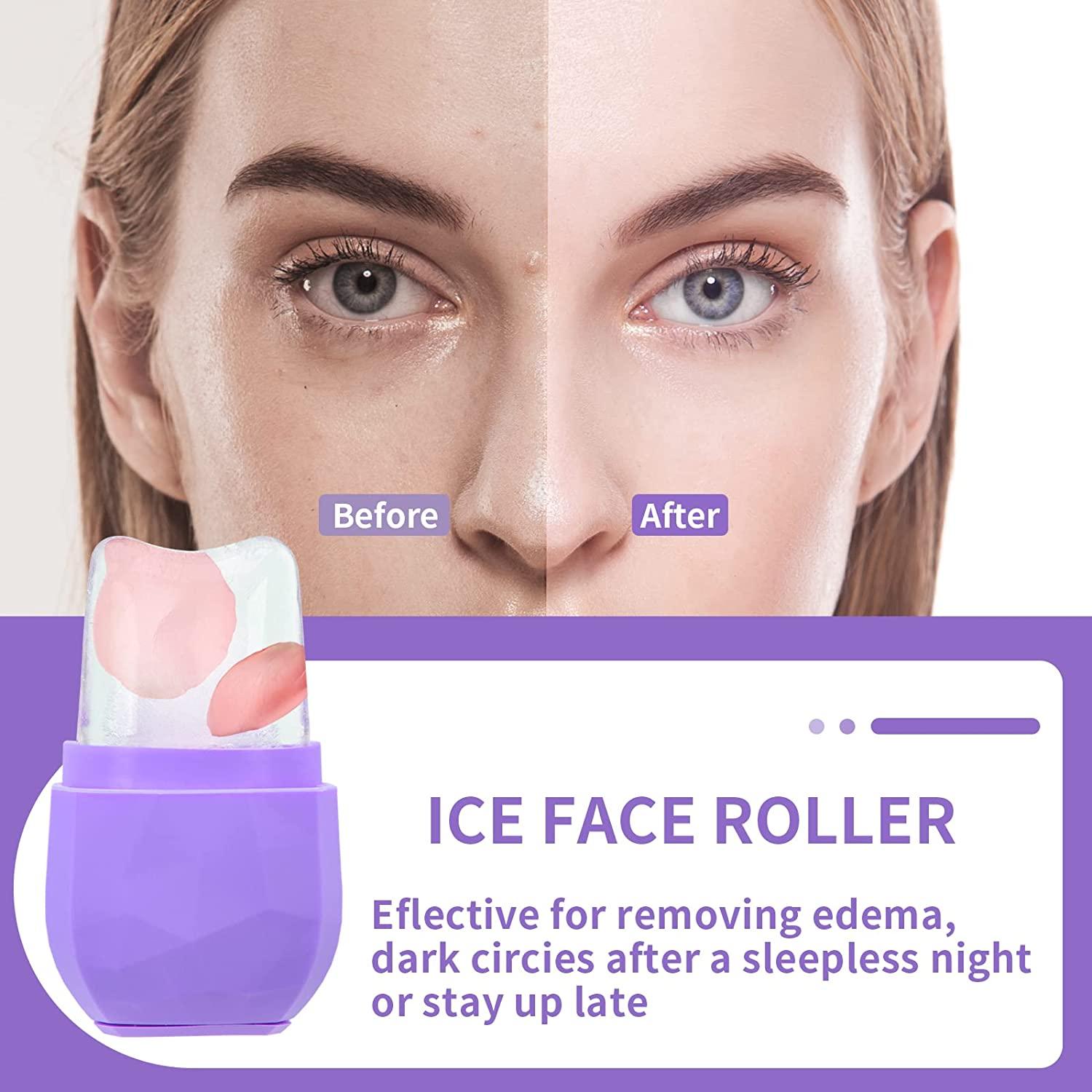
Facial icing, often categorized under the umbrella of cryotherapy, has moved from professional spas into home-care routines. The primary goal of using an ice mold is to apply a controlled, temporary cooling sensation to the skin. This can help reduce the appearance of morning puffiness, temporarily tighten the look of pores, and provide a soothing sensation for tired or inflamed skin.
Unlike using a standard ice cube from a kitchen freezer—which may have sharp edges or melt too quickly—dedicated facial ice molds are engineered to provide a smooth, sustained, and sanitary surface. By choosing a mold designed specifically for the face, you ensure that the water you use is contained, frozen in an ergonomic shape, and applied with a consistent surface area.
Critical Considerations: Materials and Safety
The most significant factor in choosing an ice mold is the material. Because the device will be in direct contact with the delicate skin of your face, safety and hygiene are paramount.
Food-Grade Silicone
Look for molds explicitly labeled as "food-grade silicone." This material is non-porous, meaning it does not harbor bacteria as easily as cheaper plastics or rubber. Silicone is also flexible, which is essential for removing the frozen ice mass from the mold without requiring it to run under hot water for an extended period, which could cause the ice to crack or become uneven.
BPA-Free Standards
Always verify that the product is BPA-free. Bisphenol A (BPA) is a chemical that can leach into substances. Since you are freezing water in this mold for application on your face, ensuring it is free of endocrine-disrupting chemicals is a baseline requirement for a safe self-care routine.
Smooth Surface Integrity
Examine the interior of the mold before purchase. A high-quality mold will have a polished interior finish. Rough surfaces or visible seams can cause the ice to form with imperfections or sharp, jagged edges that could irritate or micro-scratch the thin skin barrier of your face during use.
Ergonomics and Design Features
The "face-feel" of the mold is determined by its shape and the way it handles the melting process.
- Handle Design: A good mold should feature an integrated handle or a textured grip area. As the ice begins to melt during your facial massage, the surface becomes slippery. An ergonomic handle prevents the mold from sliding out of your hand and allows you to apply the correct amount of pressure.
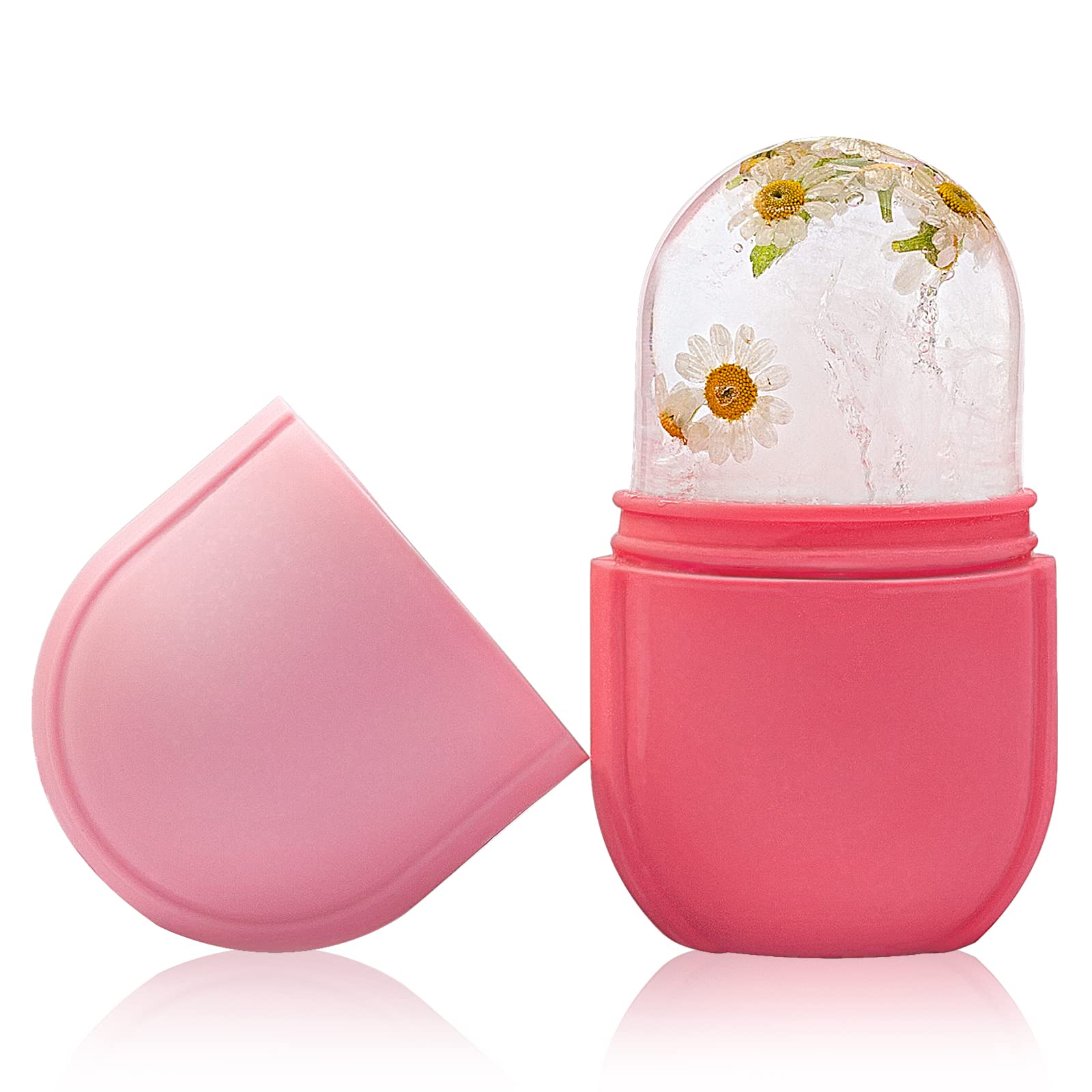
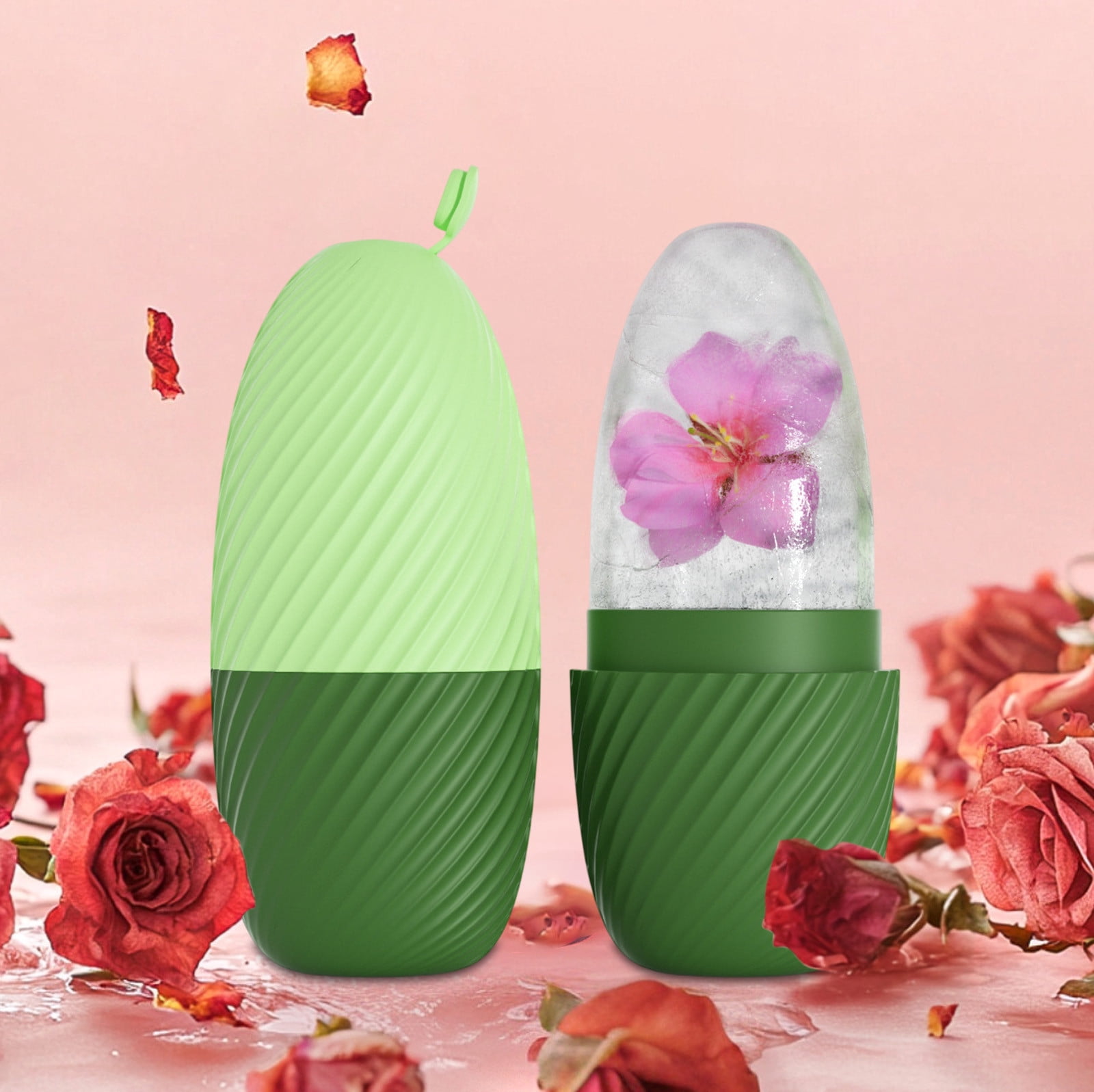
- Leak-Proof Seal: Most modern facial ice molds feature a two-piece design (a base and a lid). A secure, snug-fitting lid is vital to prevent water from leaking out while the device is in your freezer. Look for designs that feature a "fill hole" at the top with a plug, which minimizes mess during the freezing process.
- Size and Weight: While a larger mold holds more ice and keeps your fingers warmer, it can be difficult to maneuver around the nose and eye area. Choose a mold that feels balanced in your hand, typically one that sits comfortably between two fingers.
Comparison of Facial Ice Mold Types
| Feature | Silicone Shell Mold | Solid Ice Roller | Traditional Plastic Cube Tray |
|---|---|---|---|
| Ergonomics | High (Contoured) | Very High (Rolling) | Low (Static) |
| Hygiene | Easy to Sanitize | Moderate (requires cleaning) | High (if covered) |
| Temperature | Direct Skin Contact | Direct Skin Contact | Direct Skin Contact |
| Material | Food-Grade Silicone | Metal/Gel/Plastic | Rigid Plastic |
| Durability | Long-lasting | Depends on mechanism | Prone to cracking |
Operational Best Practices
Once you have selected and purchased your mold, proper usage is essential to avoid adverse skin reactions.
Preparing the Water
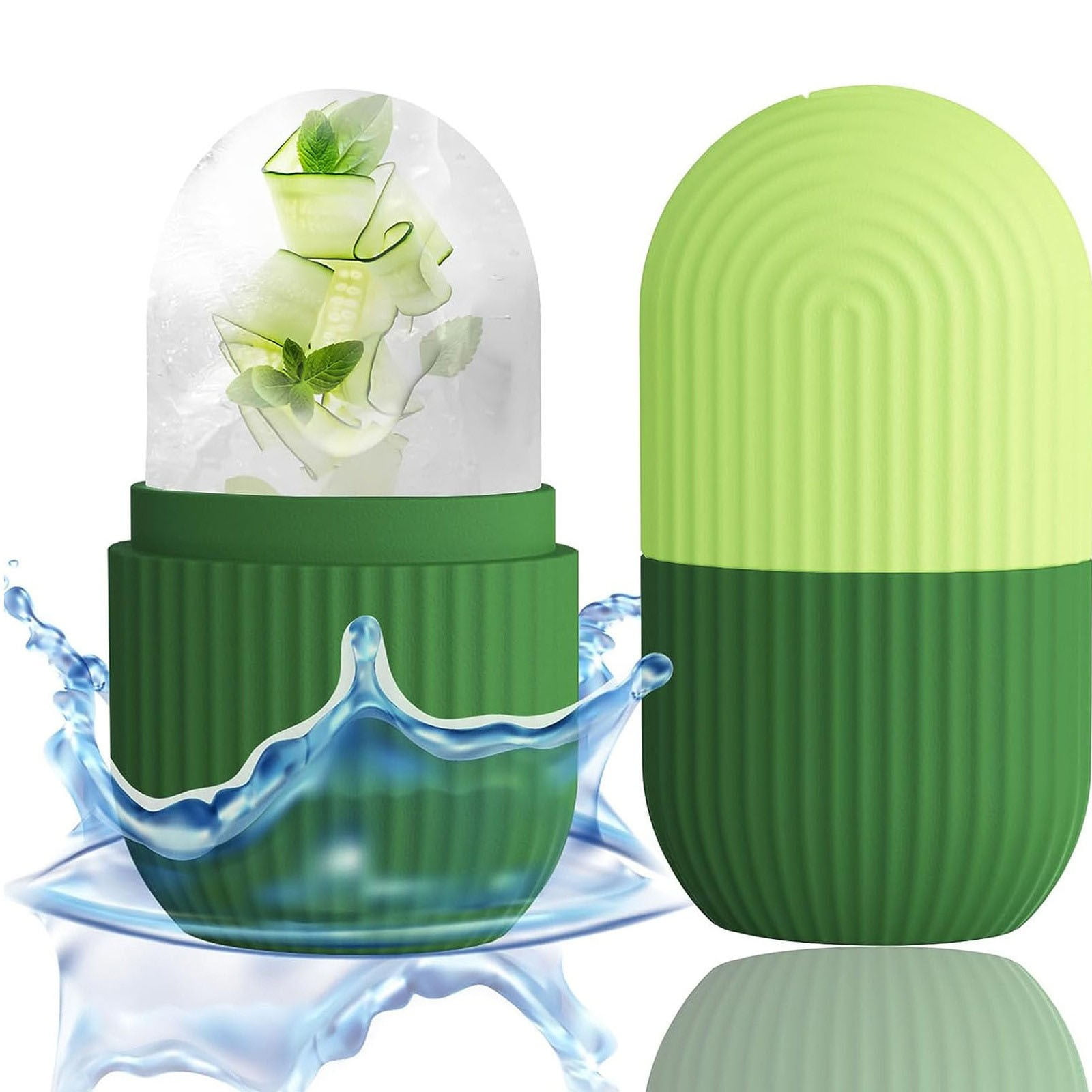
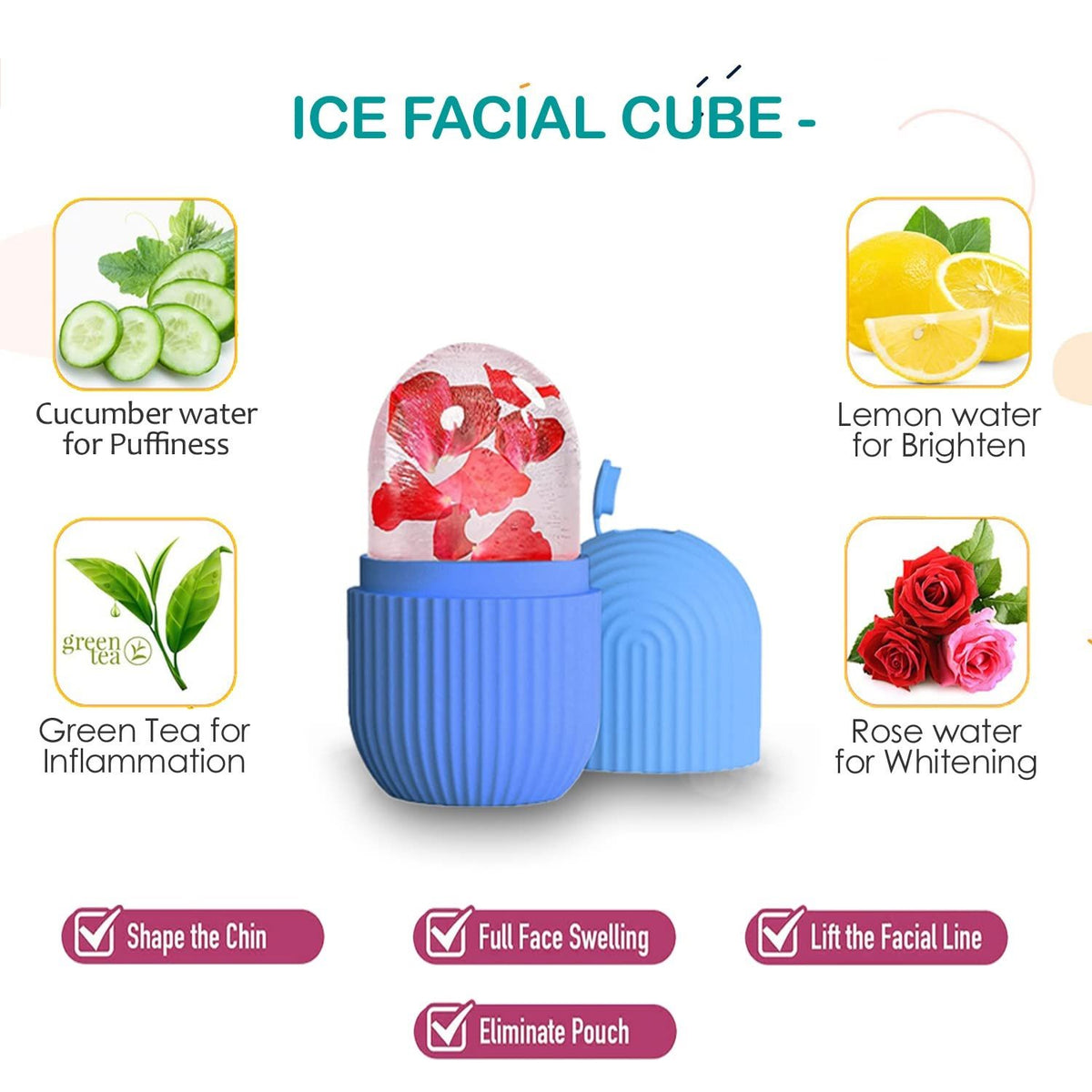
You are not limited to plain tap water. Many users experiment with infusing their ice molds with botanical waters, such as rose water, green tea, or cucumber water. However, be cautious: organic materials can decompose or grow bacteria if left in the mold too long. If using anything other than distilled or filtered water, ensure the mold is cleaned thoroughly after every single use to prevent bacterial buildup.
The Application Routine
- Cleanse First: Never apply an ice mold to a dirty face. Cleanse your skin thoroughly to remove oils and debris that could be pushed into pores by the cold.
- Use a Barrier (Optional): If you have sensitive skin, consider wrapping the ice in a very thin, clean cotton cloth. This provides a buffer and prevents the ice from sticking to your skin.
- Keep it Moving: Do not leave the ice in one spot for more than a few seconds. Constant motion prevents the skin from reaching a temperature that could cause "ice burn" or localized redness.
- Listen to Your Skin: If you feel pain, burning, or extreme stinging, stop immediately. These are signs that you are applying too much pressure or leaving the cold source on the skin for too long.
Common Mistakes to Avoid
- Overfilling: Many users fill the mold to the brim, which causes the water to expand as it freezes, potentially pushing the lid off or creating a mess in the freezer. Always leave a small air gap at the top.
- Neglecting Sanitation: Just because it holds ice does not mean it is self-cleaning. Treat your facial ice mold like a piece of kitchen equipment; wash it with warm, soapy water after every use and let it air dry completely before refilling.
- Freezer Odors: Silicone can absorb odors from your freezer. Store your ice mold in a sealed bag or a dedicated bin within the freezer to keep the surface that touches your face smelling fresh and free of food scents.
Frequently Asked Questions
How often should I use an ice mold on my face?
Most dermatological guidance suggests limiting facial icing to 2–3 times per week. Daily use, especially if done aggressively, can lead to dryness or irritation of the skin’s moisture barrier.
Can I use essential oils in my ice mold?
It is not recommended. Essential oils are highly concentrated and can cause severe contact dermatitis when frozen and applied directly to the skin. Stick to water-based infusions like cooled herbal teas.
What should I do if my skin turns red after using the mold?
Mild, temporary redness is common due to increased blood flow (vasodilation). However, if the redness persists for more than 15 minutes or is accompanied by swelling or pain, you are likely using the mold for too long or too frequently.
Can facial ice molds help with acne?
While they may help reduce the inflammation and redness associated with active acne, they do not cure the underlying cause. Use them as a supplemental, soothing tool rather than a primary treatment for breakouts.
How do I remove the ice from the mold easily?
If the ice is stuck, let the mold sit at room temperature for 30–60 seconds. The slight melting of the outer layer will break the vacuum seal, allowing the ice to slide out effortlessly. Do not use sharp tools to pry it out, as this will damage the silicone.
Final Recommendation
When selecting your facial ice mold, prioritize a food-grade silicone model with a secure, leak-proof design. If you are a beginner, choose a standard, ergonomic, palm-sized mold that is easy to hold while moving across the facial contours. Always maintain a strict cleaning schedule for the device, and start with short, controlled applications to observe how your skin responds. By treating your ice mold as a specialized skincare tool rather than a kitchen accessory, you can safely integrate cold therapy into your regular maintenance routine.
Image Gallery