Mold Remediation Service in Knox County: Scope, Costs, and Process
Mold remediation in Knox County involves a systematic approach to identifying, containing, and removing fungal growth from residential or commercial properties. Following the identification of a moisture source, professional services f...
Mold remediation in Knox County involves a systematic approach to identifying, containing, and removing fungal growth from residential or commercial properties. Following the identification of a moisture source, professional services focus on structural drying, material removal, HEPA-filtered air cleaning, and the application of antimicrobial treatments to restore safe indoor air quality standards.
Contents
Understanding Mold Remediation Requirements
In Knox County, as in much of the United States, mold is an inevitable biological presence in the environment. However, when indoor mold colonies flourish due to water intrusion, poor ventilation, or high humidity, they pose structural risks to buildings and potential health hazards to occupants. Unlike simple cleaning, professional mold remediation is a technical process governed by industry standards, most notably those established by the Institute of Inspection, Cleaning and Restoration Certification (IICRC) S520 Standard for Professional Mold Remediation.
Homeowners and business owners in Knox County should distinguish between "mold removal" and "mold remediation." True removal is physically impossible, as mold spores are omnipresent. Remediation refers to the process of returning mold levels to a "normal fungal ecology," meaning the levels found indoors are comparable to those found outdoors.
The Professional Remediation Process
The remediation process is not a one-size-fits-all solution; it is a sequenced operational plan that begins with the correction of the moisture issue. Without addressing the root cause—such as a roof leak, plumbing failure, or inadequate sub-floor insulation—remediation efforts will ultimately fail as mold will return.
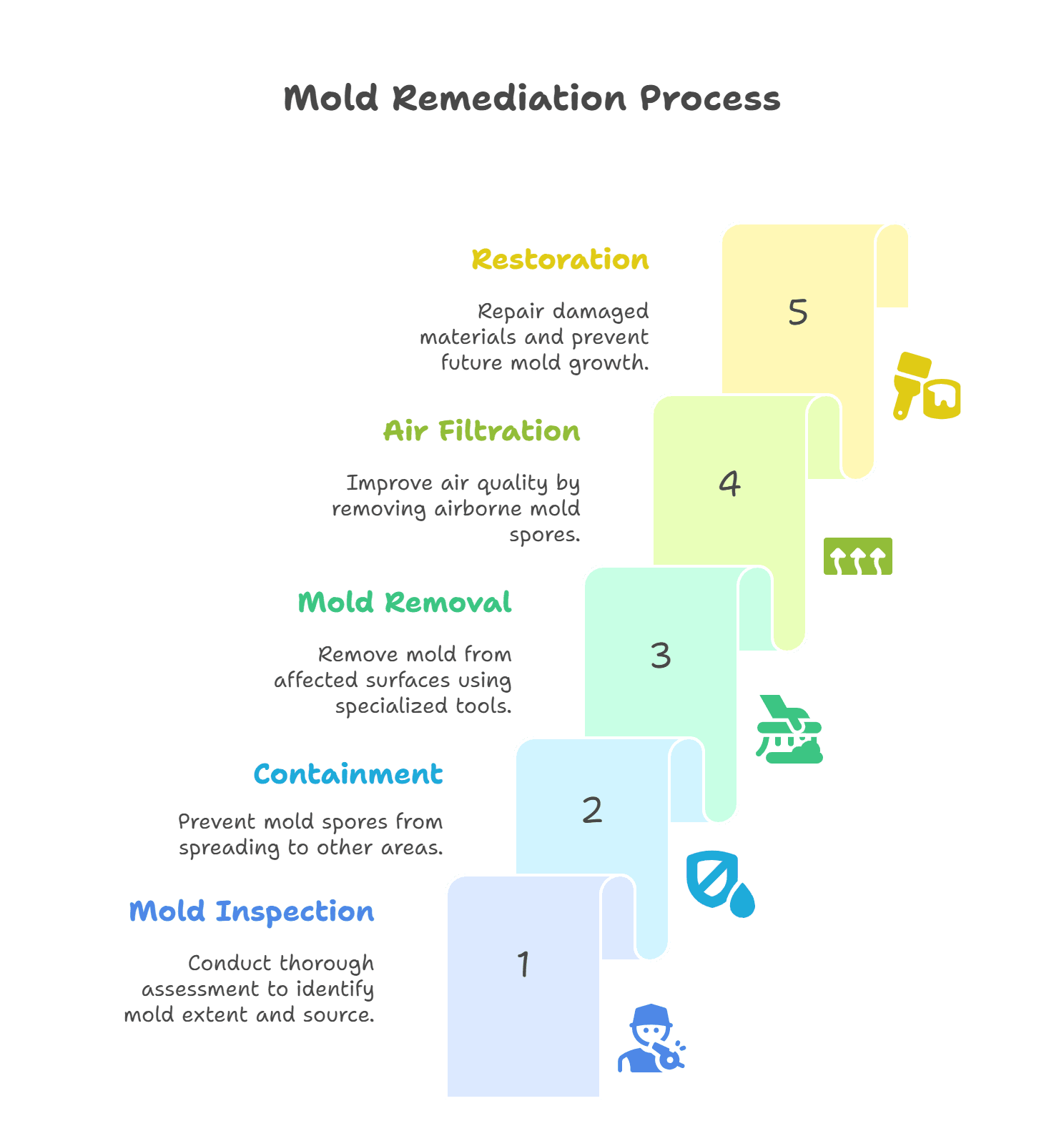
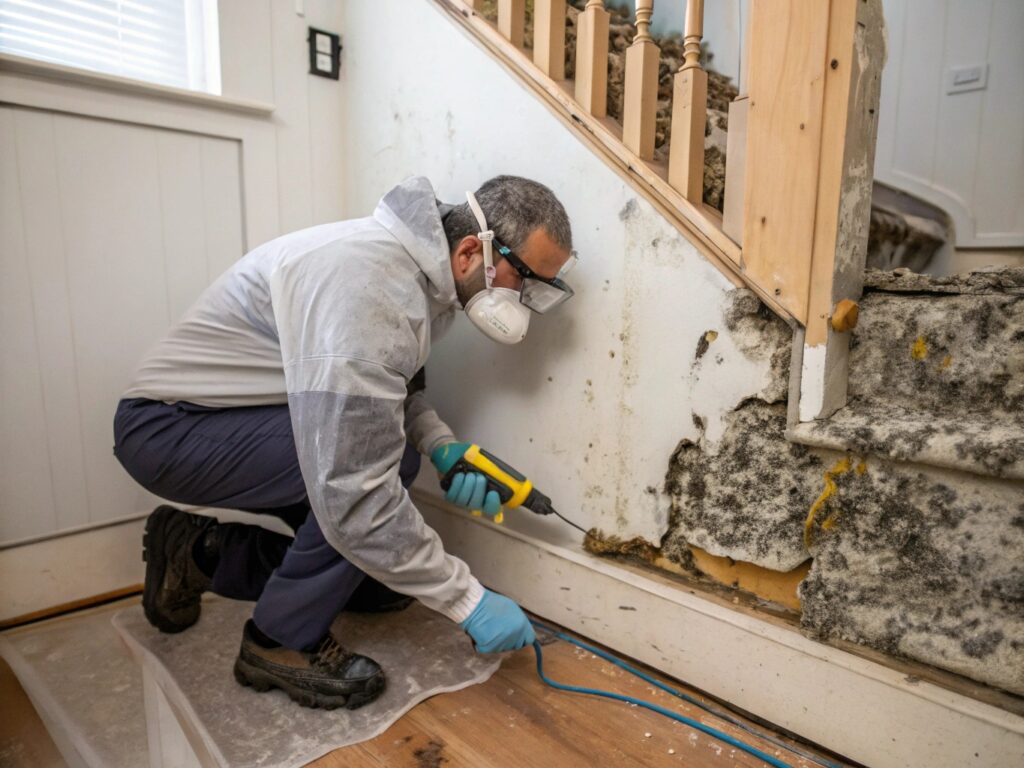
- Assessment and Inspection: A certified professional inspects the property to identify the extent of the contamination. This may involve moisture mapping, thermal imaging, and occasionally air or surface sampling to determine the types of mold present.
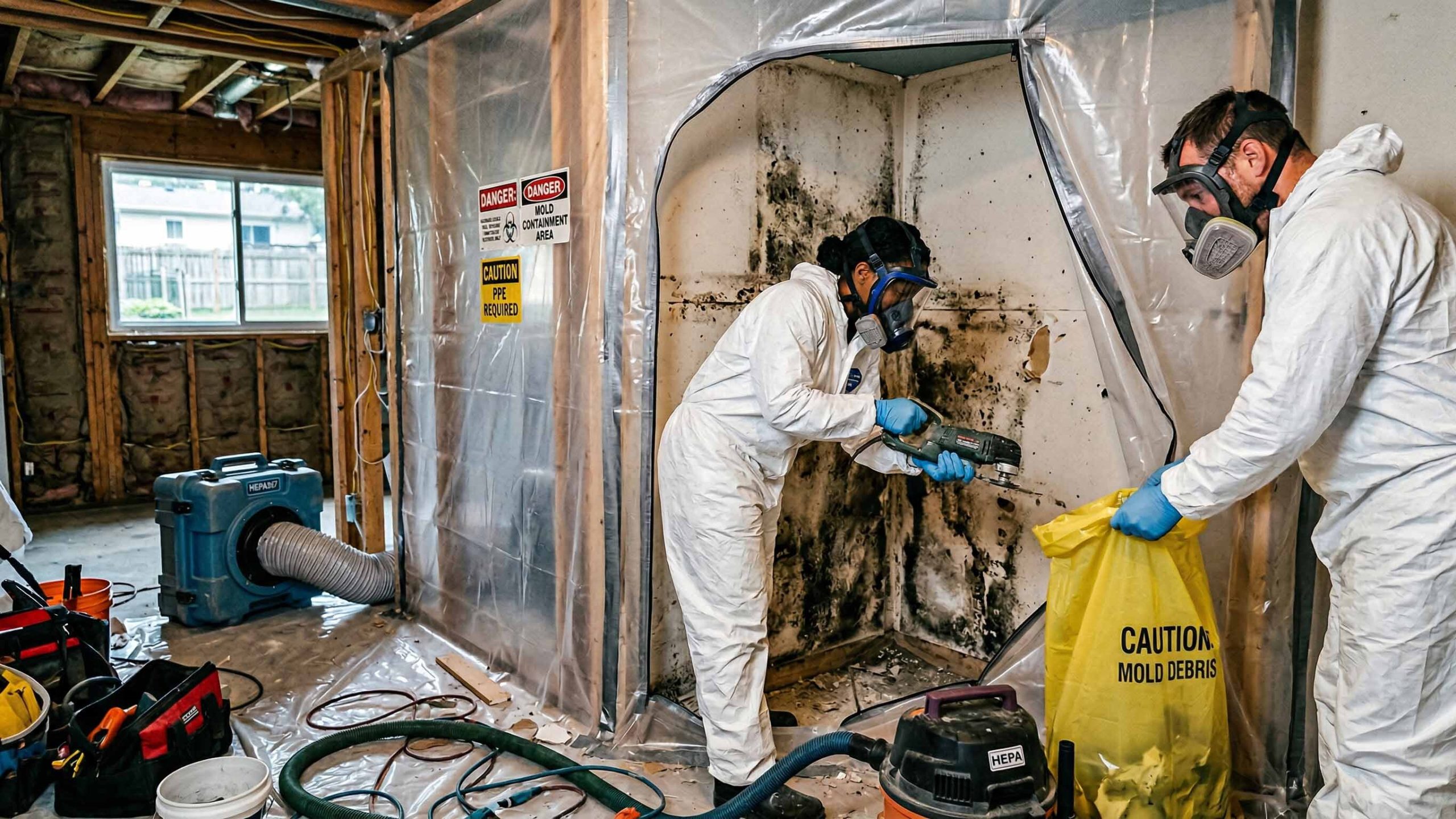
- Containment: To prevent cross-contamination of unaffected areas, technicians install physical barriers (polyethylene sheeting) and use negative air pressure machines (air scrubbers) to ensure that spores liberated during the cleaning process do not migrate to other rooms.
- HEPA Filtration: High-Efficiency Particulate Air (HEPA) filtration systems are deployed to trap airborne particles. These machines are essential for maintaining air quality during the physical agitation of contaminated materials.
- Removal and Cleaning: Depending on the material, items may be cleaned or discarded. Porous materials (drywall, insulation, carpet) that have been severely compromised by mold must be removed and disposed of according to local waste regulations. Non-porous surfaces are treated with professional-grade EPA-registered antimicrobial solutions.
- Structural Drying: Once contaminated materials are removed, the remaining structure must be dried to reach specific moisture content levels. This usually involves the placement of industrial dehumidifiers and axial fans.
- Verification: A post-remediation assessment (often performed by a third-party environmental hygienist) verifies that the remediation goals were met.
Estimated Costs for Knox County Residents
Remediation costs in Knox County vary significantly based on the square footage of the affected area, the type of materials involved, and the level of containment required. As of 2026, market rates reflect a combination of labor, disposal fees, and equipment usage.
| Service Tier | Estimated Cost Range | Scope Considerations |
|---|---|---|
| Small-Scale | $500 – $1,500 | Localized cleanup, single room, minor moisture issue. |
| Mid-Scale | $2,000 – $5,000 | Multiple rooms, significant drywall removal, professional containment. |
| Large-Scale | $6,000 – $15,000+ | Whole-home remediation, extensive structural repairs, major water damage. |
Note: These figures are estimates. Final pricing depends on the professional service provider's assessment of the toxicity level, ease of access (e.g., crawl space vs. main floor), and the necessity of structural reconstruction after cleaning.
Important Legal and Safety Considerations
Tennessee does not currently have a state-wide licensing requirement specifically for mold remediation professionals. This makes it critical for property owners to vet contractors carefully. Look for certifications from the IICRC or the American Council for Accredited Certification (ACAC).
Safety is paramount. During the remediation process, residents should generally vacate the property, especially if the mold growth is extensive or if occupants have compromised respiratory systems. Professional technicians are required to wear Personal Protective Equipment (PPE), including N95 or P100 respirators, disposable coveralls, and gloves, to prevent exposure to high concentrations of spores.
Frequently Asked Questions
Does homeowners insurance cover mold remediation in Knox County? Coverage depends entirely on your policy and the cause of the mold. If the mold is the result of a "covered peril," such as a sudden pipe burst, insurance may pay for the remediation. However, mold resulting from long-term neglect, flooding, or seepage is frequently excluded from standard homeowner policies. Always check your specific policy language before beginning work.
Can I perform mold remediation myself? For very minor, surface-level mold (less than 10 square feet) on non-porous surfaces, DIY cleaning with soap and water or an appropriate disinfectant can be effective. However, if the mold is inside wall cavities, caused by sewage, or covers a large area, DIY methods are insufficient and potentially hazardous.
What is the difference between air testing and surface sampling? Air testing samples the concentration of spores in the air at a specific moment, which can fluctuate based on HVAC activity. Surface sampling (swab or tape lift) identifies the specific genus of mold present on a material. Both are diagnostic tools used to decide the scope of work but are rarely a substitute for a visual inspection.
How long does the remediation process take? The timeline depends on the scale of the damage. A localized cleanup might be completed in one to two days, whereas extensive structural remediation can last one to two weeks, especially if industrial drying equipment needs to run for several days to achieve target moisture levels.
Will the mold come back after remediation? If the underlying moisture issue is resolved and the property remains adequately ventilated, mold should not return. If you do not identify and repair the water source—such as a leaking pipe or high humidity in a basement—the mold will inevitably return regardless of how well the surfaces were cleaned.
Recommended Next Steps
If you suspect a mold issue in your Knox County home or business, prioritize the following actions:
- Locate and stop the water source: Shut off plumbing valves or address the leak immediately.
- Document the damage: Take clear photographs for your own records and potential insurance claims.
- Contact a professional: Request an onsite assessment from a certified remediation firm. Obtain written estimates that detail the scope of work, the equipment to be used, and the containment strategy.
- Verify professional credentials: Ask for proof of liability insurance and certifications in mold remediation to ensure the company follows industry best practices.
Image Gallery