Which Is Better: RESP or Whole Life Insurance for Your Financial Planning
Choosing between a Registered Education Savings Plan (RESP) and a whole life insurance policy is not a matter of one being inherently superior to the other; rather, it is a question of aligning your financial vehicle with your primary...
Choosing between a Registered Education Savings Plan (RESP) and a whole life insurance policy is not a matter of one being inherently superior to the other; rather, it is a question of aligning your financial vehicle with your primary objective. An RESP is a tax-advantaged savings vehicle specifically designed to fund post-secondary education, while whole life insurance is a permanent life insurance contract that provides a death benefit along with a cash value accumulation component, often used for estate planning or long-term wealth preservation.
Contents
Understanding the Registered Education Savings Plan (RESP)
An RESP is a government-registered contract between an individual (the subscriber) and a financial institution (the promoter). Its primary purpose is to help families save for a child’s post-secondary education. The structure is built around tax-deferred growth, meaning the investment income earned within the plan is not taxed until it is withdrawn.
The standout feature of the RESP is the potential for government grants. In Canada, the Canada Education Savings Grant (CESG) matches 20% of your contributions up to a specific annual limit and a lifetime maximum per beneficiary. This provides an immediate return on investment that no private insurance product can replicate. When the beneficiary attends an eligible post-secondary institution, the withdrawals—consisting of contributions, grants, and investment earnings—are taxed in the hands of the student, who typically remains in a low or zero tax bracket, effectively minimizing the tax impact.
Understanding Whole Life Insurance
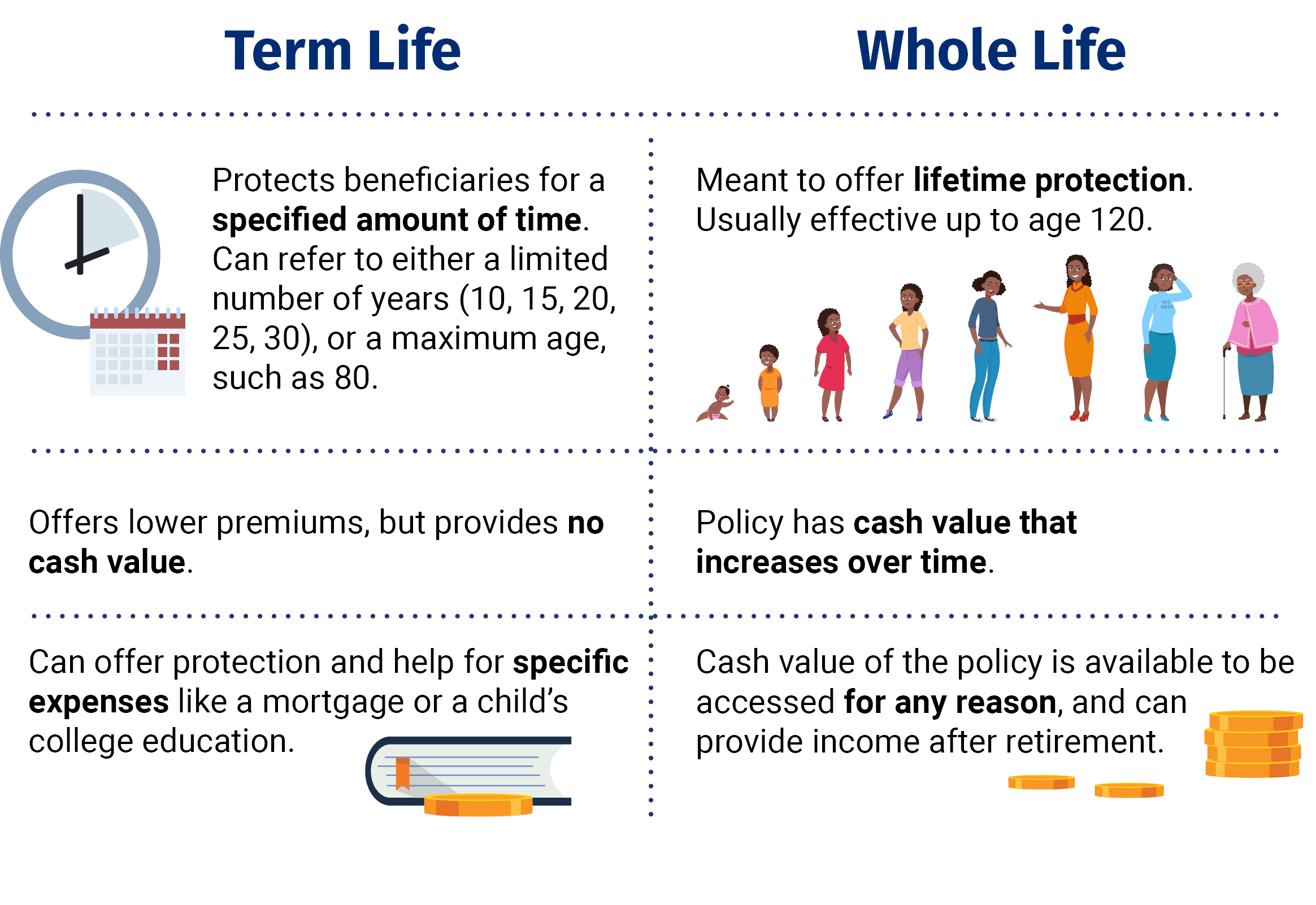
Whole life insurance is a type of permanent life insurance that remains in effect for the insured’s entire life, provided premiums are paid. Unlike term life insurance, which only covers a set period, whole life policies include a "cash value" account. A portion of each premium payment is directed into this savings component, which grows over time according to a schedule or the insurance company’s dividend performance.
For many, whole life insurance serves as a tool for wealth transfer, tax-sheltered asset accumulation, or liquidity. Because the cash value grows on a tax-deferred basis, policyholders can sometimes access these funds through policy loans or withdrawals. However, this is not its primary design; it is a financial product that prioritizes the death benefit and long-term financial security for beneficiaries over the targeted savings for education seen in an RESP.
Comparative Analysis: Key Decision Factors
When evaluating which path to take, you must differentiate between saving for a specific time-bound goal and building a permanent financial structure.
1. Tax Treatment and Benefits
The RESP is essentially a specialized tax shelter. While contributions are made with after-tax dollars, the government incentives (grants) and the tax-deferred growth provide a significant advantage. Whole life insurance also offers tax-deferred growth, but it does not receive government matching grants. Instead, the "benefit" is the tax-efficient transfer of wealth to beneficiaries upon the death of the insured.
2. Liquidity and Flexibility
RESP funds are intended for education. While you can withdraw your original contributions at any time without penalty, withdrawing the grant money or the earnings for non-educational purposes can lead to the forfeiture of the grants and income tax consequences on the earnings. Whole life insurance offers more structural flexibility in terms of accessing cash value, but early withdrawals or surrendering a policy can result in significant surrender charges and tax implications.
3. Investment Objectives
An RESP allows you to choose from a variety of investment vehicles, including GICs, stocks, bonds, or mutual funds, depending on your risk tolerance and the timeframe until the child enters school. Whole life insurance performance is generally tied to the insurance company’s underlying investments and the interest rate environment; it is typically more conservative and focused on guaranteed outcomes rather than aggressive growth.
Comparison Matrix
| Feature | Registered Education Savings Plan (RESP) | Whole Life Insurance |
|---|---|---|
| Primary Goal | Education savings | Permanent coverage/Estate planning |
| Growth Potential | Varies (Market-dependent) | Generally stable/Guaranteed |
| Tax Status | Tax-deferred until withdrawal | Tax-deferred cash value growth |
| Government Grants | Yes (e.g., CESG) | No |
| Access to Funds | Best for school expenses | Long-term; potential for loans |
| Death Benefit | No | Yes (Core feature) |
When to Choose an RESP
You should prioritize an RESP if your specific goal is to pay for a child’s or grandchild's tuition, books, and living expenses during their post-secondary years. The combination of the CESG and the potential for long-term tax-deferred growth makes it the most mathematically efficient vehicle for education funding. If you have surplus funds and a desire to maximize the purchasing power of your education savings, the RESP is the logical choice.
When to Choose Whole Life Insurance
Whole life insurance is better suited for individuals who have already satisfied their immediate education funding needs and are looking toward broader financial goals. These include:
- Estate Preservation: Ensuring liquidity for dependents to pay off debts or taxes after your death.
- Legacy Building: Creating a pool of capital that can be passed to heirs outside of the probate process.
- Asset Diversification: Using the guaranteed cash value as a stable component in a larger investment portfolio.
Common Pitfalls and Strategic Considerations
A common mistake is treating an RESP as an investment portfolio for retirement. If your primary goal is not education, the restrictions on withdrawal can make the RESP counterproductive. Conversely, many people view whole life insurance as an investment vehicle for short-term gains. In reality, the high administrative and insurance costs associated with whole life policies in the early years often result in a net loss of cash value if the policy is terminated prematurely.
If you are currently in a high-tax bracket, both vehicles offer tax-deferral, but they serve different time horizons. Financial advisors often suggest a balanced approach: fully fund the RESP to capture all available government grants before allocating significant capital to a whole life policy. This "layering" ensures you take advantage of "free" government money while still building the long-term protection that permanent insurance provides.
Professional Guidance and Limitations
Financial decisions involving insurance and education savings have tax implications that vary based on your specific jurisdiction. While this article outlines the functional differences between these products, it does not constitute personalized financial or tax advice. Laws regarding RESP contribution limits, grant eligibility, and the tax treatment of insurance policy loans are subject to change. Always consult with a certified financial planner or a tax professional to discuss how these vehicles fit into your total financial plan, particularly when considering your income tax bracket, estate size, and beneficiary needs.
Frequently Asked Questions
Can I use money from an RESP to pay for life insurance? No. RESP funds are strictly governed by regulatory rules. Withdrawals must be used for educational purposes to qualify for the favorable tax treatment. Using them for premiums on a life insurance policy would likely be considered a non-educational withdrawal.
What happens to an RESP if my child does not go to university? You have several options. You can keep the plan open for up to 35 years, transfer it to another sibling, or collapse the plan. If you collapse it, your contributions return to you tax-free, but you must return the government grants, and the earnings may be subject to tax plus an additional penalty tax.
Is the cash value in whole life insurance guaranteed? Many whole life policies offer a "guaranteed" cash value that grows according to a schedule set at the time of purchase. However, some policies also pay non-guaranteed dividends, which can increase the cash value if the insurance company performs well.
Can I have both an RESP and a whole life insurance policy? Yes, and many families do. They often use the RESP to capture government grants for the children's future while utilizing whole life insurance as a tool for their own personal estate and legacy planning.
Final Next Steps
To decide which is better for your situation, first determine your primary objective. If you have children or grandchildren and want to minimize the burden of tuition costs, set up an RESP and contribute enough to maximize the annual government grants. If you have already addressed education and retirement, or if you have specific estate planning needs that require permanent death benefits, consult with a licensed life insurance agent to review how a whole life policy can fit into your long-term wealth strategy.
Image Gallery