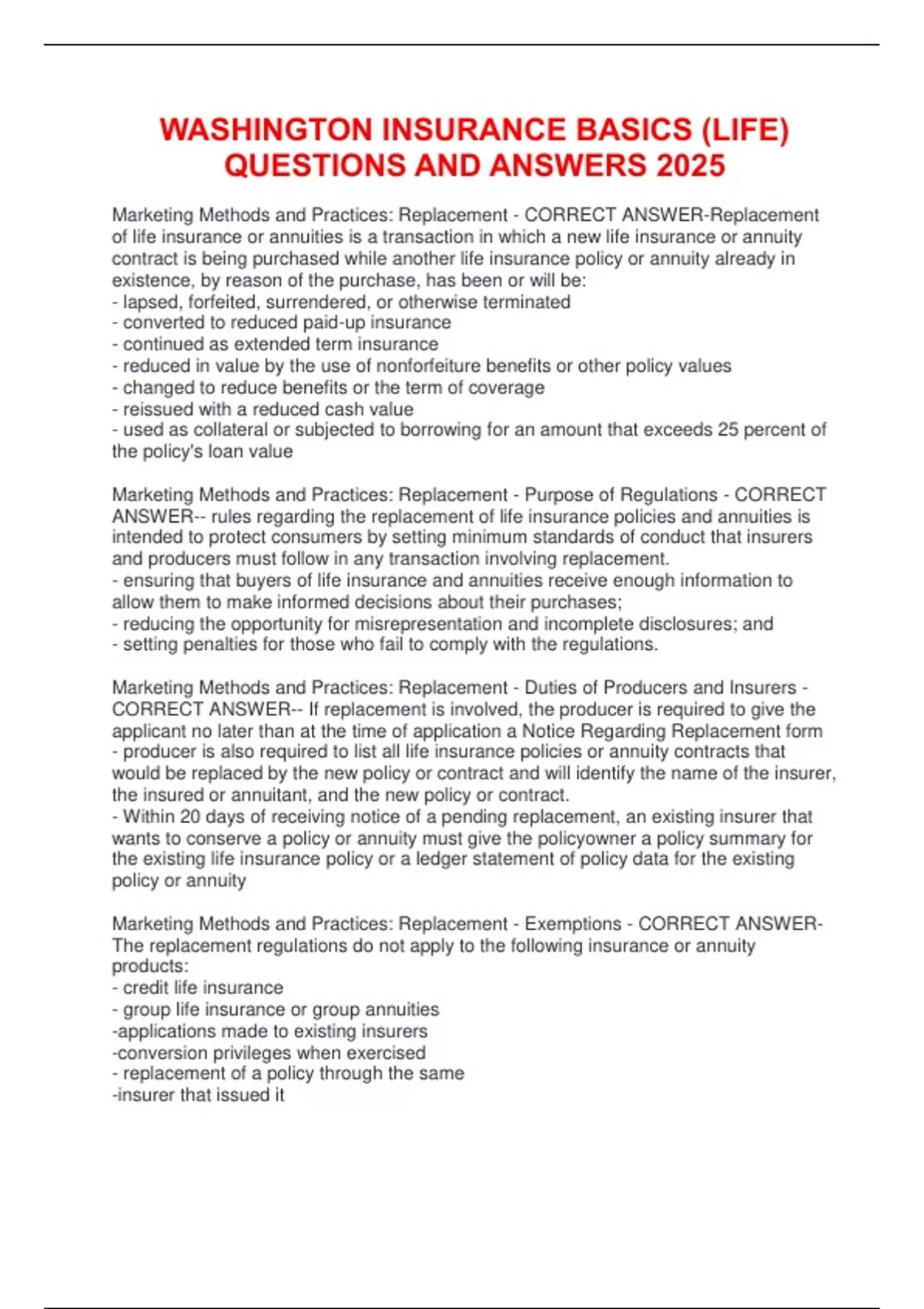
Free Ebook for Life Insurance Basics: A Comprehensive Guide to Protecting Your Financial Future
Finding a high-quality free ebook for life insurance basics involves identifying resources from reputable financial institutions, regulatory bodies, and consumer advocacy groups. These digital guides provide a structured education on p...
Finding a high-quality free ebook for life insurance basics involves identifying resources from reputable financial institutions, regulatory bodies, and consumer advocacy groups. These digital guides provide a structured education on policy types, premium structures, and beneficiary designations, helping you navigate the complexities of financial planning and risk management in 2026.
Contents
Life insurance is often perceived as a daunting subject, cluttered with jargon and complex actuarial math. However, the core purpose is straightforward: providing a financial safety net for those who depend on your income. Whether you are a new parent, a homeowner, or a business owner, understanding the fundamentals is the first step toward securing your family's future. A comprehensive ebook serves as a portable, deep-dive reference that goes beyond a simple blog post, offering a systematic approach to one of the most important financial decisions you will ever make.
Why Use an Ebook to Learn Life Insurance Basics?
In the fast-paced information environment of 2026, many consumers rely on short-form videos or social media snippets for financial advice. While these formats provide quick tips, they often lack the nuance required for a long-term legal contract like a life insurance policy. An ebook provides several distinct advantages for the serious learner.
First, an ebook allows for a linear progression of knowledge. You cannot understand "Universal Life Insurance" without first understanding the concepts of "Cash Value" and "Death Benefit." A well-structured guide builds these concepts layer by layer. Second, ebooks are often designed to be interactive, containing worksheets for calculating coverage needs and checklists for comparing quotes.
Finally, digital guides from authoritative sources are typically updated to reflect current 2026 regulations and tax laws. As the life insurance industry incorporates more AI-driven underwriting and digital-first policy management, having a consolidated resource that explains these modern shifts is invaluable.
Core Concepts Every Life Insurance Ebook Should Cover
A "basics" guide is only useful if it defines the foundational pillars of the industry. When evaluating a free ebook, ensure it provides detailed explanations of the following components.
1. The Parties to the Contract
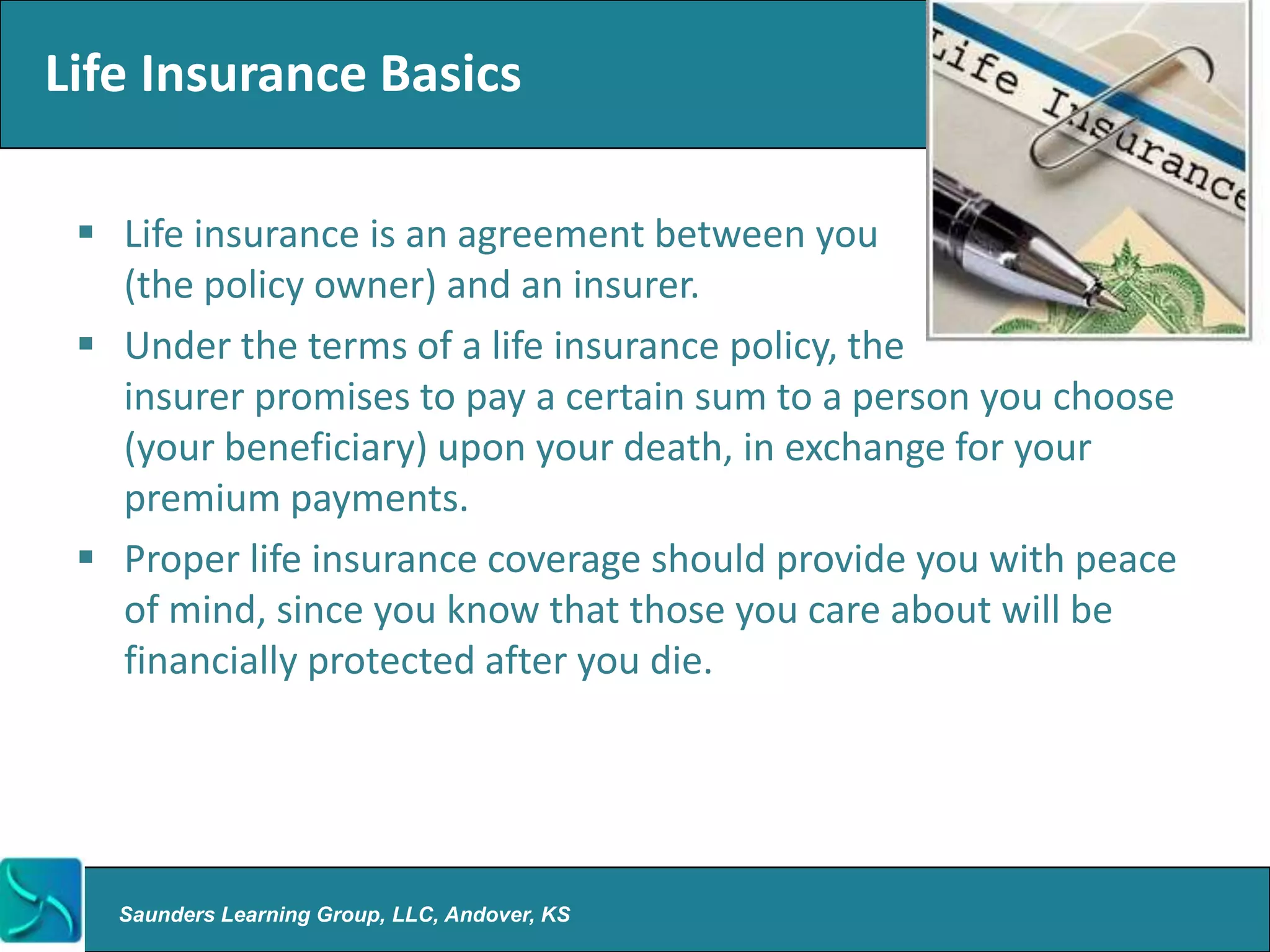
Life insurance involves more than just the insured person. A quality guide will clarify the roles of:
- The Insurer: The company issuing the policy and promising to pay the benefit.
- The Policyowner: The person who pays the premiums and has the right to make changes (often the same as the insured, but not always).
- The Insured: The individual whose life the policy covers.
- The Beneficiary: The person, trust, or entity that receives the death benefit.
2. The Death Benefit vs. Cash Value
Most beginners confuse these two terms. The death benefit is the amount paid out upon the death of the insured. Cash value is a living benefit found in permanent policies that grows over time and can sometimes be borrowed against or withdrawn. A good ebook will explain the tax implications of both, particularly how death benefits are generally received income tax-free under current IRS guidelines.
3. The Underwriting Process
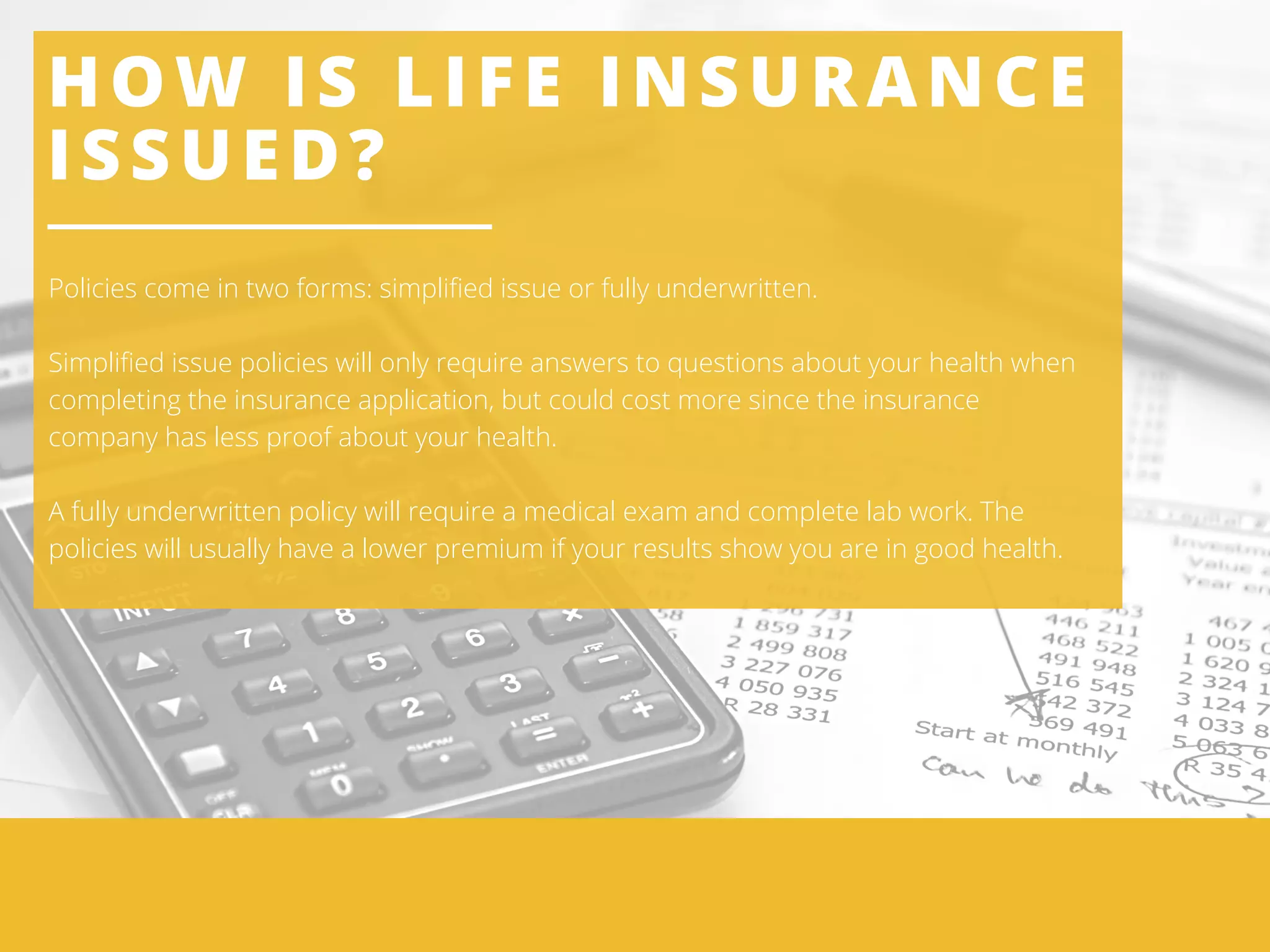
In 2026, the underwriting process—how an insurer determines your risk—has changed significantly. Modern ebooks should explain "Accelerated Underwriting," where companies use data algorithms instead of traditional medical exams to approve policies. Understanding how your medical history, lifestyle choices, and even driving record impact your premiums is a critical chapter in any basic guide.
Comparing Primary Types of Life Insurance
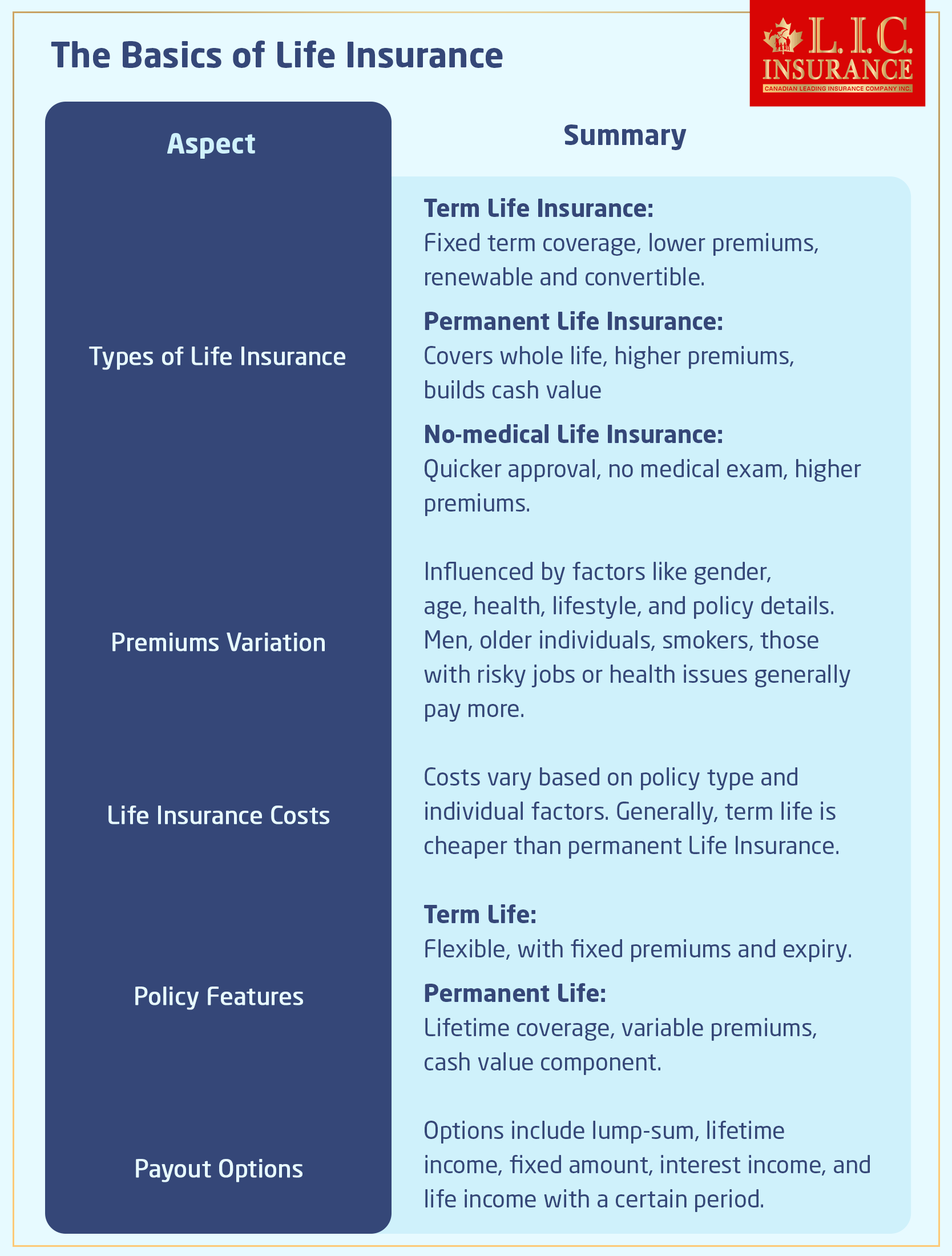
One of the most important sections of any life insurance ebook is the comparison between Term and Permanent insurance. The right choice depends entirely on your financial goals, age, and budget.
| Feature | Term Life Insurance | Whole Life Insurance | Universal Life Insurance |
|---|---|---|---|
| Duration | Fixed period (10, 20, 30 years) | Lifetime (as long as premiums paid) | Lifetime (flexible duration) |
| Cash Value | No | Yes (guaranteed growth) | Yes (variable growth) |
| Premium Cost | Initially lower, very affordable | Higher, fixed for life | Moderate, can be adjusted |
| Complexity | Simple, straightforward | Moderate | High (requires monitoring) |
| Primary Use | Income replacement, debt coverage | Estate planning, final expenses | Flexible protection, wealth transfer |
Where to Find Reputable Free Ebooks in 2026
Not all free ebooks are created equal. Some are "lead magnets" designed by marketers to capture your email address without providing real value. To ensure you are getting accurate, unbiased information, look to these three types of sources.
Industry Regulatory Bodies
The National Association of Insurance Commissioners (NAIC) is a primary source for consumer education. They frequently publish "A Shopper’s Guide to Life Insurance," which functions as an authoritative ebook. Because the NAIC is a regulatory support organization, their content is objective and focuses on consumer rights and standard policy provisions. You can access their materials at the NAIC Consumer Insurance Search Tool.
Non-Profit Financial Education Groups
Organizations like the Insurance Information Institute (III) or Life Happens (a non-profit supported by the industry) provide extensive libraries of digital guides. These resources are designed to increase the "insurance literacy" of the general public. They often include calculators and real-life case studies that help you visualize how different policies work in practice. Visit the Insurance Information Institute for their latest 2026 publications.
Major Mutual Insurance Carriers
While commercial entities, mutual insurance companies (which are owned by policyholders) often produce high-quality educational content. Companies like New York Life, Northwestern Mutual, or MassMutual offer comprehensive ebooks that, while including their branding, provide excellent technical depth. When using these, focus on the educational definitions rather than specific product endorsements.
How to Calculate Your Coverage Needs
A common mistake is picking a "round number" like $500,000 for a policy without doing the math. A professional ebook will guide you through the DIME Method, a standard industry formula for calculating life insurance needs.
- Debt: Calculate all outstanding debts, including credit cards and personal loans, that would need to be paid off.
- Income: Determine how many years of your salary your family would need to maintain their lifestyle. (e.g., 10 to 15 times your annual income).
- Mortgage: Include the remaining balance on your home to ensure your family can remain in their residence.
- Education: Estimate the future costs of college tuition for your children.
By adding these four categories together and subtracting any existing assets (like current savings or existing group life insurance), you arrive at a much more accurate coverage figure.
Avoiding Common Pitfalls and "Free" Scams
When searching for a free ebook, remain vigilant about your data privacy. In 2026, "lead-gen" sites often promise a free guide but are actually selling your contact information to dozens of aggressive insurance agents.
Red Flags to Watch For:
- Excessive Information Requests: If a site asks for your Social Security number or detailed medical history just to download a "basics" ebook, leave the site immediately. A legitimate educational guide only requires an email address at most.
- Guaranteed Returns Claims: Be wary of ebooks that promise life insurance is a "can't-miss" investment strategy. While cash value is a feature of some policies, life insurance's primary role is protection, not high-yield speculation.
- Outdated Content: Check the publication date. Insurance laws can change annually. If the guide still references tax limits from 2020, its advice on policy limits and premiums may be dangerously obsolete for 2026.
The Technical Terms You Must Know
Before you finish your reading, you should be comfortable with several technical terms that will appear in your policy contract.
- Contestability Period: A two-year window after a policy is issued during which the insurance company can investigate and deny a claim if they find material misrepresentations on the application.
- Grace Period: The amount of time (usually 30 or 31 days) you have to pay a late premium before the policy lapses.
- Riders: Optional add-ons to a policy that provide extra benefits, such as a "Waiver of Premium" rider if you become disabled.
- Suicide Clause: A standard provision that excludes coverage if the insured commits suicide within the first two years of the policy.
Next Steps: Moving from Theory to Action
Reading an ebook is the educational phase, but it must lead to action to be effective. Once you have finished your guide, your next steps should be:
- Gather Your Documents: List your debts, income sources, and current assets.
- Request Multiple Quotes: Use the knowledge from the ebook to ensure you are comparing "apples to apples" (same coverage amounts and terms).
- Consult a Professional: If your situation is complex (e.g., you own a business or have a high net worth), take your findings to a licensed insurance advisor or financial planner.
Frequently Asked Questions
Can I get life insurance without a medical exam in 2026? Yes. Accelerated underwriting has become the industry standard for healthy individuals under a certain age (often up to 50 or 60). Insurers use your digital health records, prescription history, and credit data to assess risk instantly, often allowing for "instant issue" policies without a needle poke.
Is the "Free Ebook" really free? Most ebooks provided by reputable non-profits and government agencies are completely free. Those provided by insurance companies are free in exchange for your contact information, which they use for marketing. Always check the privacy policy of the site before downloading.
Should I buy term and invest the rest? This is a classic financial debate. "Buy term and invest the rest" suggests that term insurance is cheaper, and the money saved should be put into the stock market. While often true for young families, permanent insurance may be better for those with lifelong dependents (like a child with special needs) or complex estate tax issues.
What happens if I outlive my term life insurance? If you reach the end of a 20-year term policy and you are still alive, the coverage simply expires. You receive no money back unless you purchased a "Return of Premium" rider, which is significantly more expensive. Many policies allow you to convert the term policy to a permanent one without a new medical exam, but this must be done before the term ends.
Are life insurance premiums tax-deductible? For individuals, life insurance premiums are generally not tax-deductible. However, the death benefit paid to beneficiaries is typically received income tax-free. Business owners may have different rules depending on how the policy is structured.
Can I change my beneficiary later? In most cases, yes. Unless you have designated an "irrevocable beneficiary," you can update your beneficiary at any time by filing a simple form with your insurance company. It is recommended to review your beneficiaries every few years or after major life events like marriage or divorce.
Final Recommendation: Download the "Consumer’s Guide to Life Insurance" from the NAIC or a similar regulatory body first. This provides a neutral foundation. Use that knowledge to evaluate specific products from carriers, ensuring your financial plan is built on facts rather than sales pitches.
Image Gallery