What is "Scissors" in Italian? A Complete Guide to Vocabulary and Usage
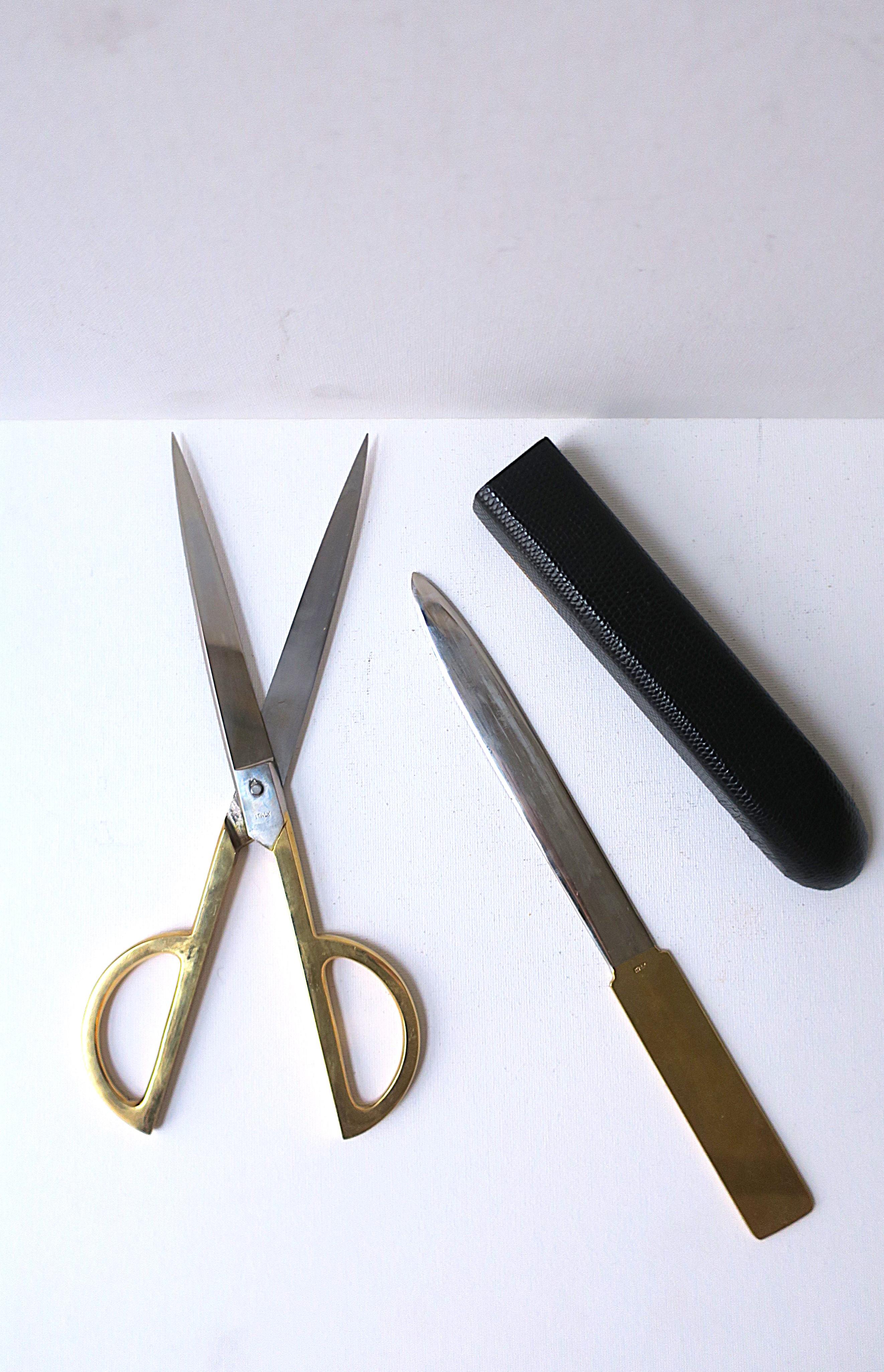
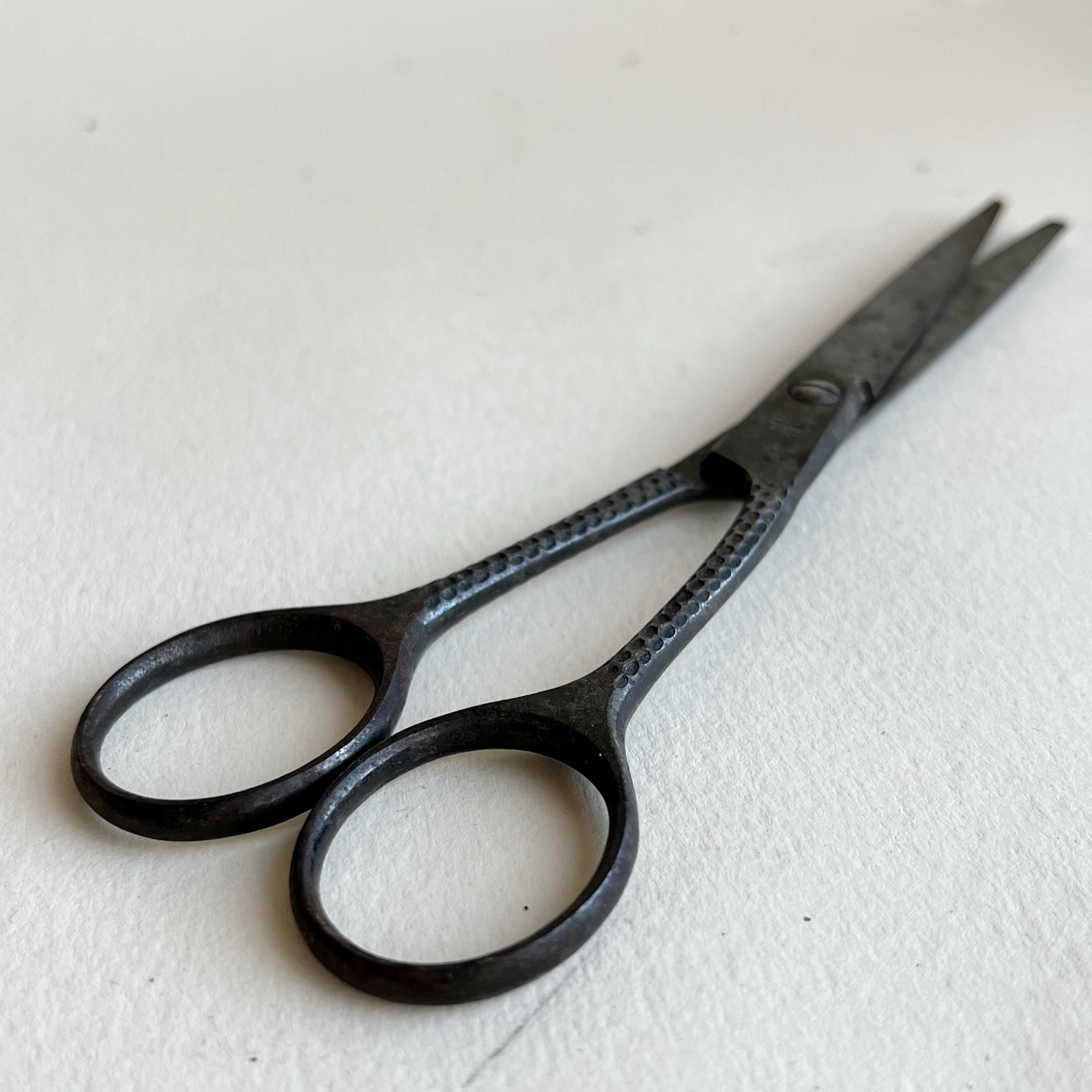
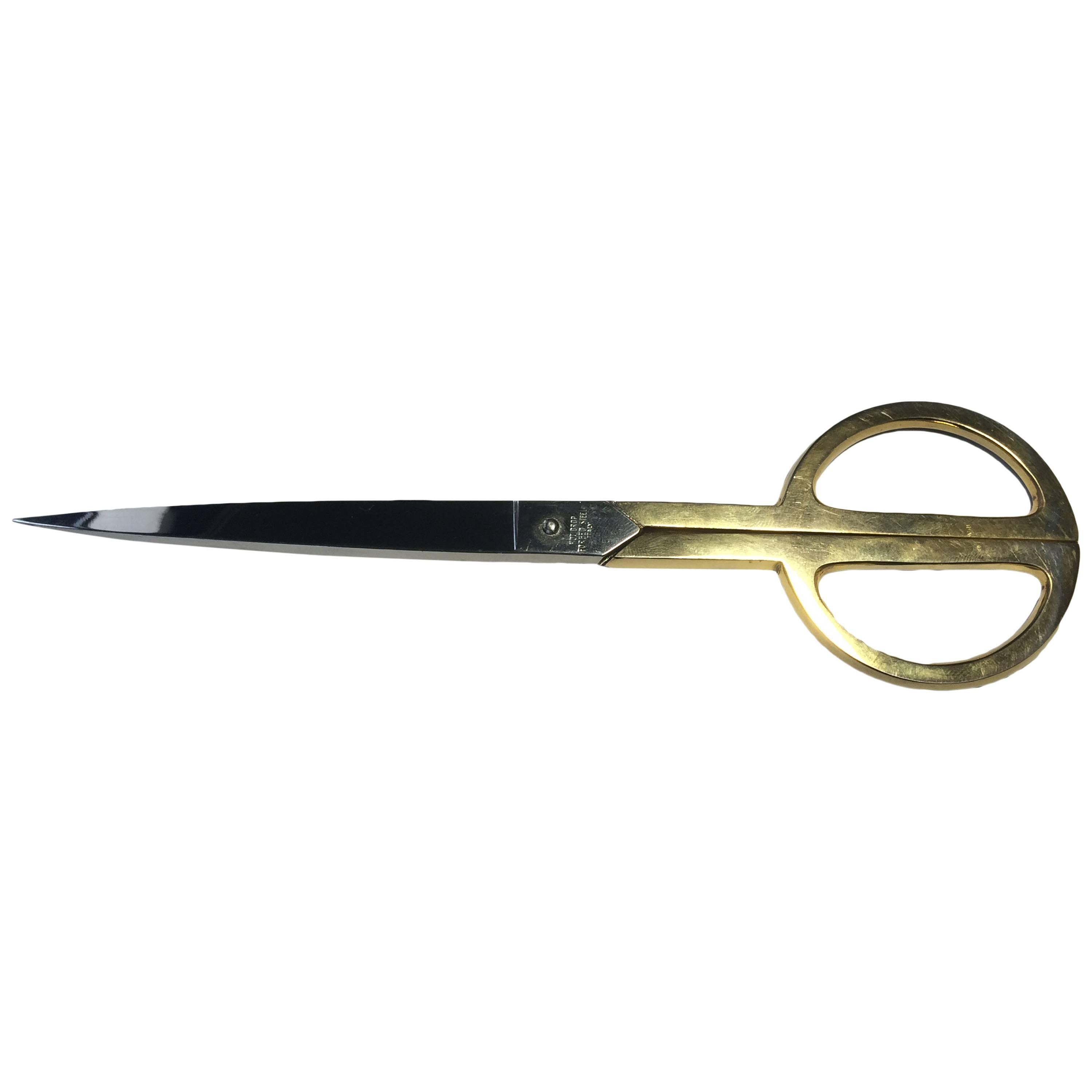
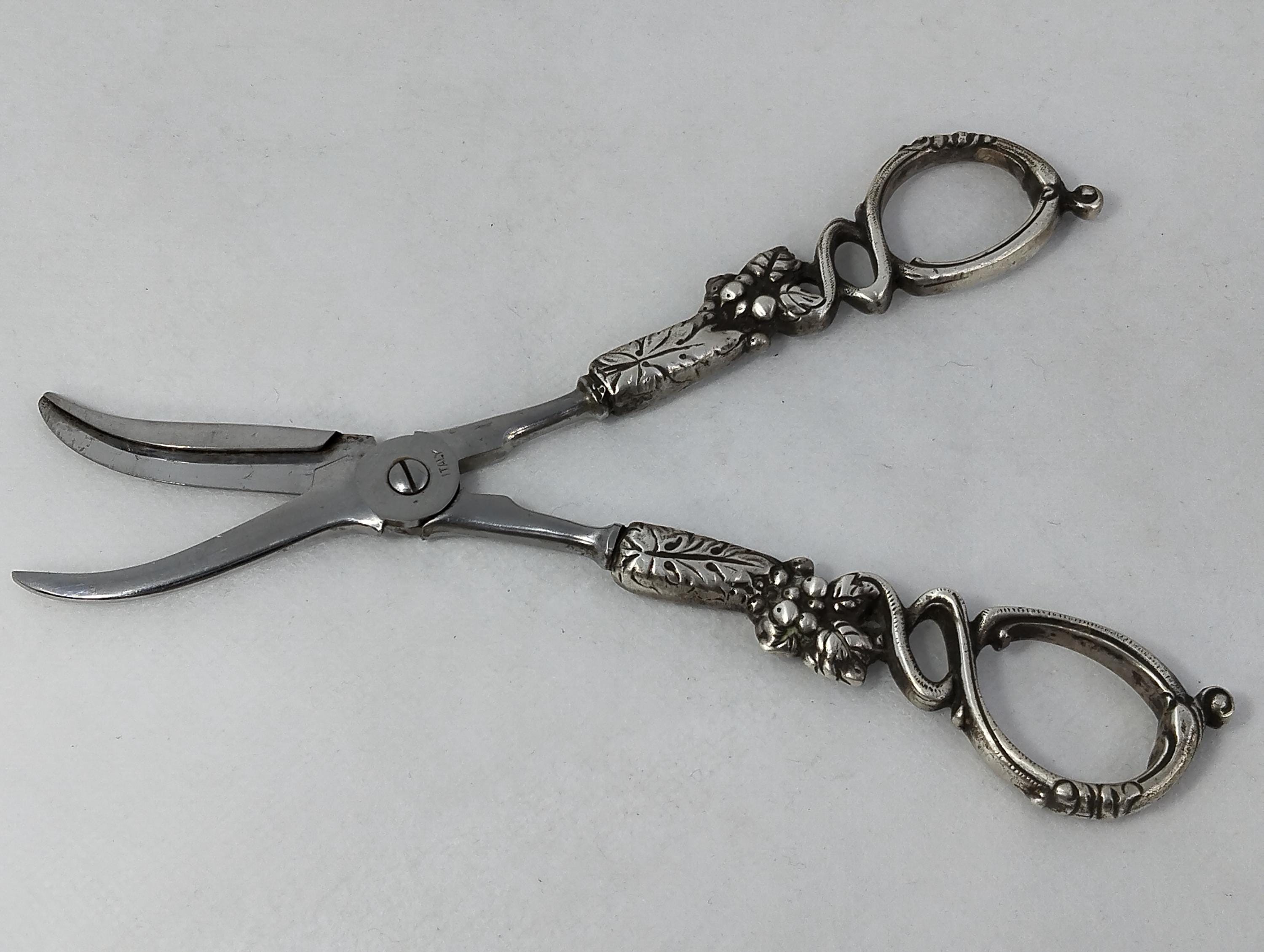
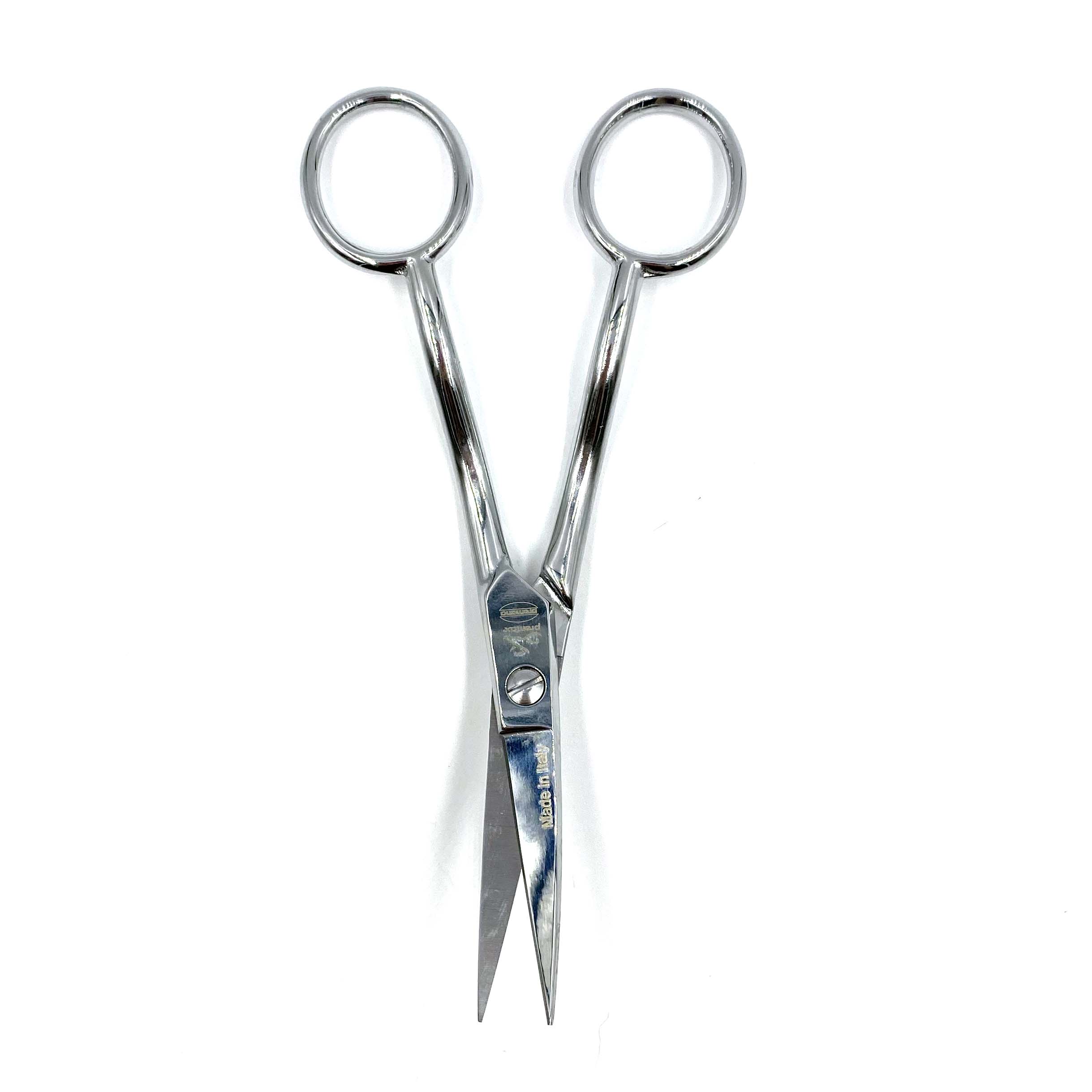
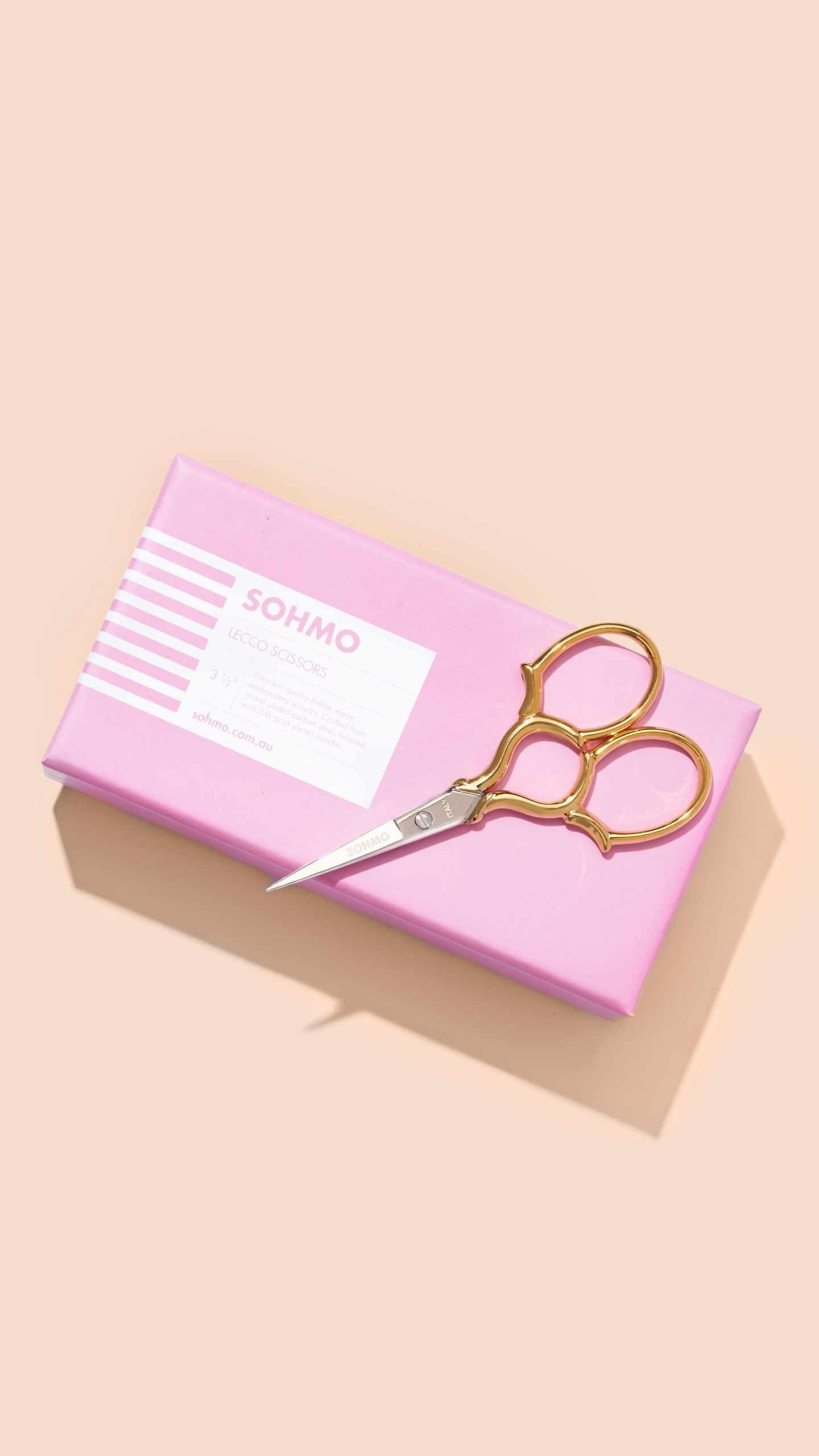
In the Italian language, the word for scissors is le forbici. It is a feminine plural noun, and much like in English, it is almost always used in its plural form to describe the single tool consisting of two blades. While you might occ...
In the Italian language, the word for scissors is le forbici. It is a feminine plural noun, and much like in English, it is almost always used in its plural form to describe the single tool consisting of two blades. While you might occasionally hear the singular la forbice in technical or regional contexts, le forbici remains the standard term for daily use.
Contents
Understanding how to translate "scissors" into Italian involves more than just a single word. Because Italian is a highly descriptive language with deep roots in craftsmanship—ranging from high-end tailoring to precision gardening—there are various specific terms and grammatical nuances that a learner or traveler should master. As of 2026, the demand for precise linguistic translation remains a cornerstone for international trade and personal education, making it essential to distinguish between household shears, surgical instruments, and industrial cutters.
The Grammar of "Le Forbici"
In Italian, nouns have gender (masculine or feminine) and number (singular or plural). Le forbici is categorized as a "plurale tantum," a linguistic term for a word that is used almost exclusively in the plural.
Gender and Articles
The noun forbici is feminine. Therefore, it requires feminine articles and adjectives.
- Definite Article: Le (the). Example: Le forbici sono sul tavolo (The scissors are on the table).
- Indefinite Article: Because it is plural, you often use delle (some) or the phrase un paio di (a pair of). Example: Ho bisogno di un paio di forbici (I need a pair of scissors).
Singular vs. Plural Usage
While English speakers say "a pair of scissors," they never say "a scissor." In Italian, the singular la forbice does technically exist. It is occasionally used by professionals, such as tailors or surgeons, to refer to a specific type of blade or a single unit of the tool in a technical inventory. However, in 99% of conversational instances, you must use the plural. If you ask for la forbice, you might sound overly technical or slightly archaic.
Common Types of Scissors in Italian
The Italian vocabulary for cutting tools is rich and specific. Depending on the task at hand—whether you are in a sartoria (tailor shop) or a giardino (garden)—the word you use might change.
Forbici da Cucina (Kitchen Scissors)
These are robust tools designed for culinary tasks, such as cutting parchment paper, herbs, or even poultry. They are a staple in the Italian household, often referred to simply as forbici unless the specific location needs to be clarified.
Forbici da Sarto (Tailor’s Shears)
Italy has a world-renowned history of bespoke tailoring. Consequently, the vocabulary surrounding fabric cutting is very precise. Forbici da sarto are usually larger, heavier, and designed with an offset handle to allow the blades to glide along a cutting table. Professionals may also use the term cesoie for heavier shears.
Forbici per Capelli (Hairdressing Scissors)
If you are at a parrucchiere (hairdresser) or a barbiere (barber) in 2026, you will see specialized tools. These are often called forbici professionali or forbici per capelli. Thinning scissors, which have teeth on one or both blades, are known as forbici dentate or forbici sfoltitrici.
Cesoie (Garden Shears and Industrial Cutters)
When scissors become heavy-duty, the word often shifts from forbici to cesoie.
- Cesoie da potatura: Pruning shears used for gardening.
- Cesoie per lamiera: Tin snips used for cutting metal sheets in industrial or construction settings.
Essential Vocabulary and Tool Comparison
To help you navigate different environments where you might need to use or buy scissors, the following table breaks down the most common variations.
| English Term | Italian Translation | Primary Usage |
|---|---|---|
| Scissors | Le forbici | General purpose, paper, household tasks |
| A pair of scissors | Un paio di forbici | The standard way to count the tool |
| Tailor’s shears | Forbici da sarto | Cutting fabric, professional garment making |
| Kitchen scissors | Forbici da cucina | Food preparation and packaging |
| Pruning shears | Cesoie da potatura | Gardening and agricultural maintenance |
| Nail scissors | Forbicine da unghie | Personal grooming and manicures |
| Safety scissors | Forbici a punta arrotondata | School use for children (rounded tips) |
| Surgical scissors | Forbici chirurgiche | Medical and laboratory environments |
Etymology and Historical Context
The word forbici finds its roots in the Latin word forfex, which also meant scissors or shears. Historically, the evolution of the word reflects the evolution of the tool itself. In ancient Rome, "forfex" was used for everything from shearing sheep to cutting hair.
As Italian evolved from Vulgar Latin, the "f" and "x" sounds shifted, eventually resulting in the modern forbice. The transition to the plural-dominant usage occurred because the tool is fundamentally composed of two symmetrical parts. This linguistic trait is shared by other Romance languages, such as the Spanish tijeras or the French ciseaux.
Practical Phrases for Using "Forbici" in Italy
If you find yourself in Italy in 2026, perhaps attending a craft workshop or simply shopping for school supplies, these phrases will be invaluable:
- "Dove sono le forbici?" (Where are the scissors?) - Use this when looking for the tool at home or in an office.
- "Mi presti un paio di forbici, per favore?" (Can you lend me a pair of scissors, please?) - A polite request in a shared workspace.
- "Queste forbici non tagliano bene." (These scissors don't cut well.) - Useful if the blades are dull and need sharpening (affilatura).
- "Cerco delle forbici a punta arrotondata per mio figlio." (I am looking for rounded-tip scissors for my son.) - Essential for parents shopping for school supplies (cancelleria).
- "Attenzione, le forbici sono molto affilate." (Careful, the scissors are very sharp.) - A common safety warning.
Common Mistakes to Avoid
Language learners often stumble over the grammar of forbici due to its plural nature. Here are the most frequent errors and how to correct them:
- Using the wrong gender: Many learners assume forbici is masculine because it ends in "i" (the common plural ending for masculine words like libri). However, it is feminine. Always use le or delle, never i or degli.
- Confusing Forbici with Forchetta: While they sound somewhat similar to a beginner's ear, forchetta means "fork." Asking for a forchetta to cut paper will result in some confused looks in an Italian office.
- Singular usage: Avoid saying "Ho comprato una forbice." While technically understandable, it sounds unnatural. Stick to "Ho comprato un paio di forbici."
Cultural Significance in Italian Craftsmanship
In Italy, the "forbici" represent more than just a tool; they are a symbol of the "Made in Italy" heritage. In cities like Premana, located in the Lombardy region, the production of scissors and cutting tools is a centuries-old tradition. Premana is world-famous for its high-quality steelwork, and a pair of forbici di Premana is considered a lifetime investment by professionals.
When you discuss scissors with an Italian artisan, you are tapping into a culture that values precision and longevity. Whether it is the taglia-asole (buttonhole cutter) used in high fashion or the cesoie used in the vineyards of Tuscany, the terminology is a gateway to understanding the Italian commitment to quality.
FAQ: Frequently Asked Questions
Is "forbice" ever used in the singular?
Yes, but it is rare. It is primarily used in technical fields (like geometry or medicine) to refer to a single "scissor-like" action or a specific instrument. In everyday conversation, always use the plural le forbici.
How do I say "to cut with scissors" in Italian?
The verb for "to cut" is tagliare. To specify the tool, you say tagliare con le forbici. For example: "Taglia il nastro con le forbici" (Cut the ribbon with the scissors).
What is the difference between "forbici" and "cesoie"?
The difference is mainly size and power. Forbici are standard-sized tools for paper, hair, or cloth. Cesoie are larger shears designed for heavy-duty tasks like gardening, metalwork, or industrial cutting.
Are scissors masculine or feminine in Italian?
They are feminine. The definite article is le (plural) and the indefinite partitive is delle.
How do you pronounce "forbici"?
The pronunciation is FOR-bee-chee. The stress is on the first syllable. The "ci" at the end is a soft "ch" sound, as in the word "cheese."
Final Recommendation for Learners
To master the use of le forbici and related vocabulary, it is helpful to categorize the tools by their use-case. If you are learning Italian for professional reasons, focus on the specialized terms like cesoie or forbici da sarto. For travelers and casual learners, remembering the phrase un paio di forbici (a pair of scissors) will cover almost every situation you encounter. Practice by identifying the different cutting tools in your own home using their Italian names to build muscle memory and improve your fluency.
Image Gallery