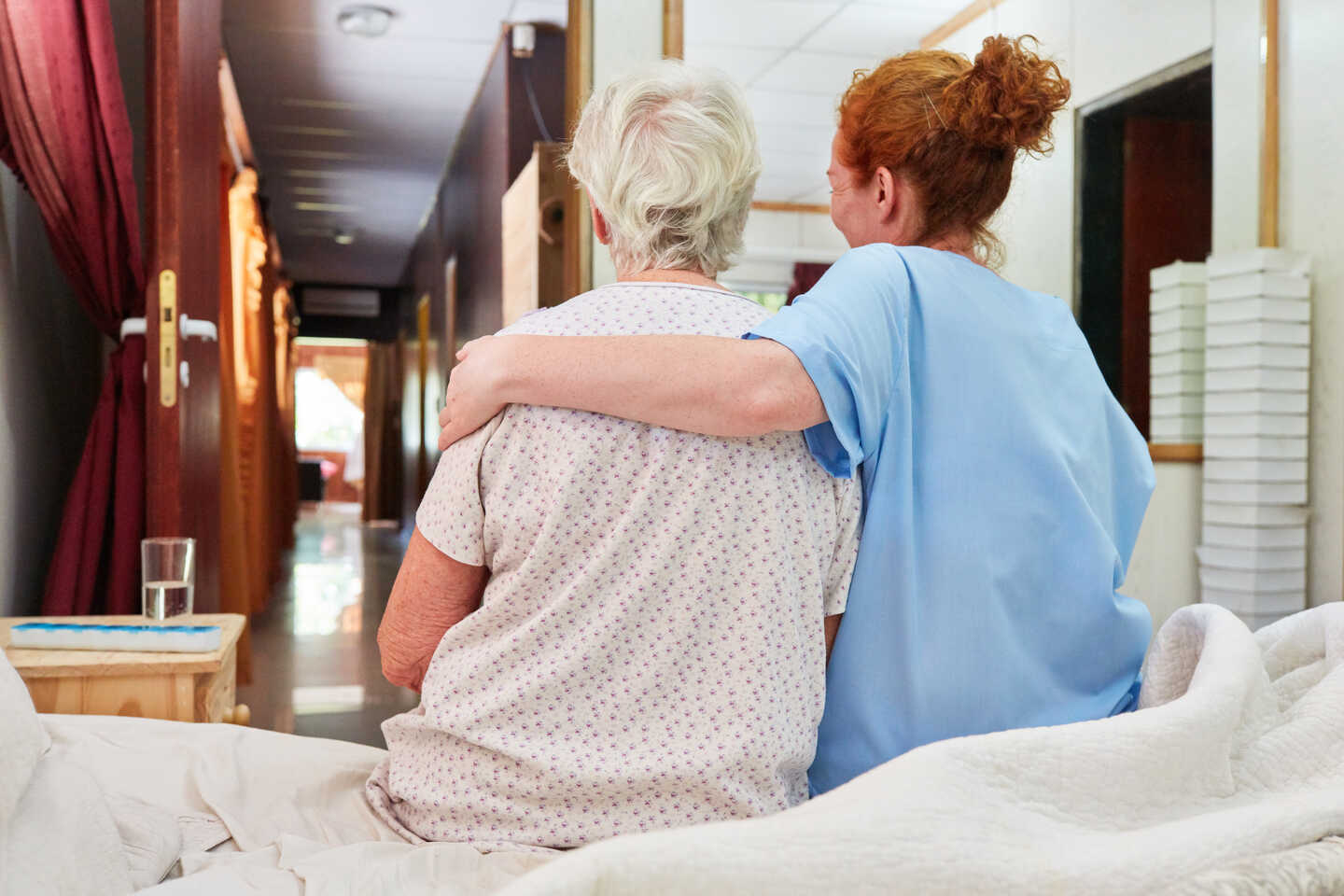
Geriatric Nurses in Today's Health System: Essential Roles and 2026 Workforce Trends
Geriatric nurses are specialized healthcare professionals dedicated to the complex physical, cognitive, and emotional needs of the aging population. In 2026, they serve as the primary coordinators in a health system strained by demogra...
Geriatric nurses are specialized healthcare professionals dedicated to the complex physical, cognitive, and emotional needs of the aging population. In 2026, they serve as the primary coordinators in a health system strained by demographic shifts, managing chronic multimorbidity, polypharmacy, and care transitions to ensure quality of life and clinical safety for older adults.
Contents
The Vital Role of Geriatric Nursing in 2026
As we navigate the healthcare landscape of 2026, the "Silver Tsunami"—the peak of the baby boomer generation reaching advanced age—has fundamentally reshaped clinical priorities. Geriatric nursing is no longer a niche specialty but the bedrock of the modern medical infrastructure. These professionals possess a unique blend of clinical expertise in chronic disease management and a deep understanding of the psychosocial aspects of aging.
The role extends far beyond traditional bedside care. Geriatric nurses are now central to value-based care models, where the focus has shifted from treating acute episodes to maintaining long-term functional independence. By focusing on the "Geriatric 5Ms"—Mind, Mobility, Medications, Multi-complexity, and Matters Most—these nurses address the holistic needs of patients who often present with three or more concurrent chronic conditions.
In the current health system, geriatric nurses act as the bridge between fragmented specialties. An elderly patient may see a cardiologist, an endocrinologist, and a nephrologist; the geriatric nurse ensures that the treatments prescribed by these specialists do not conflict, particularly concerning drug-to-drug interactions, which remain a leading cause of preventable hospitalizations in patients over 75.
Core Competencies and Clinical Responsibilities
Geriatric nursing requires a specialized toolkit that differs significantly from general adult nursing. The physiological changes associated with aging mean that symptoms often present atypically. For instance, a urinary tract infection in an 85-year-old may present as acute confusion (delirium) rather than the standard fever or localized pain seen in younger cohorts.
Comprehensive Geriatric Assessment (CGA)
Geriatric nurses lead the CGA process, which is a multidimensional diagnostic instrument. This assessment evaluates:
- Functional Status: The patient’s ability to perform Activities of Daily Living (ADLs) such as bathing and dressing, and Instrumental Activities of Daily Living (IADLs) like managing finances or medications.
- Cognitive Function: Screening for dementia, depression, and delirium using standardized tools like the Mini-Mental State Exam (MMSE) or the Montreal Cognitive Assessment (MoCA).
- Fall Risk: Evaluating gait, balance, and environmental hazards, which is critical given that falls remain a primary driver of long-term disability in the 2026 elderly population.
Polypharmacy Management
With the average 2026 senior taking multiple prescriptions, geriatric nurses are essential in monitoring for adverse drug reactions (ADRs). They apply the Beers Criteria—a list of medications potentially inappropriate for older adults—to advocate for "deprescribing" whenever possible. This reduces the chemical burden on the patient’s renal and hepatic systems, which naturally decline with age.
Educational Pathways and Certification in 2026
To meet the high demand of the current healthcare environment, the pathways for entering geriatric nursing have become more robust. While a Registered Nurse (RN) can work with elderly patients, specialized certification is increasingly required by top-tier health systems and Magnet-status hospitals.
- Registered Nursing (RN) License: The foundational step involves obtaining an Associate Degree in Nursing (ADN) or a Bachelor of Science in Nursing (BSN) and passing the NCLEX-RN.
- Clinical Experience: Most certification boards require at least 2,000 hours of clinical practice in gerontological nursing before sitting for specialty exams.
- Gerontological Nursing Certification (GERO-BC™): Offered by the American Nurses Credentialing Center (ANCC), this board certification validates a nurse’s specialized knowledge in the care of older adults.
- Advanced Practice Roles: Nurse Practitioners (NPs) specializing in Adult-Gerontology (AGNP) can choose between Primary Care or Acute Care tracks. These professionals have prescriptive authority and often lead geriatric consult teams in 2026.
According to the American Nurses Credentialing Center, board certification is a key indicator of a nurse’s ability to provide evidence-based care that reduces lengths of stay and improves patient outcomes.
Comparison of Geriatric Nursing Roles and Scopes
The following table outlines the different levels of nursing within the geriatric specialty and their typical responsibilities in the 2026 health system.
| Role | Education Level | Primary Responsibility | Clinical Scope |
|---|---|---|---|
| Licensed Practical Nurse (LPN) | Diploma/Certificate | Technical care & ADL support | Wound care, medication administration, and vital sign monitoring in long-term care settings. |
| Registered Nurse (RN) | ADN or BSN | Care coordination & assessment | Leading care plans, performing CGAs, and managing complex intravenous therapies and acute changes. |
| Adult-Gerontology NP (AGNP) | MSN or DNP | Diagnosis & management | Prescribing medications, ordering diagnostic tests, and managing chronic conditions autonomously. |
| Clinical Nurse Specialist (CNS) | MSN or DNP | Quality improvement & education | Training staff on geriatric best practices and reducing hospital-acquired conditions like pressure ulcers. |
The Integration of Technology and AI in 2026 Geriatric Care
A defining feature of geriatric nursing in 2026 is the seamless integration of digital health tools. These technologies are not designed to replace the nurse but to provide the data necessary for proactive intervention.
Remote Patient Monitoring (RPM)
Geriatric nurses now oversee vast networks of RPM data. Wearable sensors track heart rate variability, oxygen saturation, and even "near-fall" events. By analyzing these trends, nurses can intervene before a medical crisis occurs. For example, a sudden decrease in steps combined with an increase in nocturnal heart rate might trigger a telehealth visit to check for early signs of congestive heart failure.
AI-Driven Predictive Analytics
Artificial Intelligence (AI) assists geriatric nurses by flagging patients at high risk for readmission. In 2026, Electronic Health Records (EHRs) use machine learning to scan thousands of data points—including social determinants of health—to alert the nursing team if a patient lacks the home support necessary for a safe discharge.
Telehealth and Virtual Care
For many seniors, transportation remains a significant barrier to care. Geriatric nurses lead virtual "hospital-at-home" programs, where acute-level care is provided in the patient’s residence. This model has been shown to reduce delirium—which often occurs when elderly patients are moved to unfamiliar hospital environments—while maintaining high clinical standards.
Current Challenges Facing the Workforce
Despite the critical nature of their work, geriatric nurses in 2026 face significant systemic hurdles. The primary challenge is the workforce shortage. While the demand for geriatric services has increased by over 30% in the last decade, the number of nurses choosing this specialty has not kept pace.
Burnout and Compassion Fatigue are prevalent, particularly in skilled nursing facilities (SNFs) where patient-to-nurse ratios remain high. The emotional labor of geriatric nursing—which often involves managing end-of-life care and supporting families through a loved one’s cognitive decline—requires robust institutional support and mental health resources for the nursing staff.
Furthermore, reimbursement models are still catching up to the reality of geriatric care. While Medicare has expanded coverage for care coordination, the time-intensive nature of a proper geriatric assessment is sometimes undervalued compared to high-tech procedural interventions.
Ethical Considerations and Advocacy
Geriatric nurses are often the primary advocates for patient autonomy. In a system that can sometimes be ageist, these nurses ensure that the patient’s voice is heard regarding their goals of care.
In 2026, advanced care planning is a standard component of geriatric nursing. Nurses facilitate difficult conversations about DNR (Do Not Resuscitate) orders, DPOA (Durable Power of Attorney), and palliative care. Their goal is to ensure that medical interventions align with the patient’s values, preventing "aggressive" treatments that may offer little benefit while significantly decreasing the quality of remaining life.
Practical Recommendations for Families and Facilities
For healthcare facilities, investing in the Age-Friendly Health Systems framework is essential. This involves prioritizing "What Matters" to the patient, which geriatric nurses are uniquely qualified to identify and implement.
For families, engaging with a geriatric nurse early in a loved one's aging journey can prevent many common crises. Whether it is a home safety evaluation or a medication review, the preventive expertise of a geriatric nurse is an invaluable asset.
Next Steps for Aspiring Geriatric Nurses:
- Pursue Specialty Certification: If you are an RN, target the GERO-BC™ to enhance your clinical standing and salary potential.
- Master Digital Health Tools: Familiarize yourself with RPM platforms and AI-assisted EHR features, as these will be standard in all 2026 clinical settings.
- Focus on Communication: Develop expertise in "Serious Illness Conversation" protocols to better support patients and families during care transitions.
Frequently Asked Questions
What is the difference between a geriatric nurse and a general nurse? While general nurses care for all age groups, geriatric nurses specialize in the physiological and psychological changes of aging. They are experts in managing multiple chronic conditions (multimorbidity) and identifying atypical disease presentations that are common in older adults.
How do geriatric nurses help with dementia care? Geriatric nurses utilize non-pharmacological interventions to manage behavioral and psychological symptoms of dementia (BPSD). They create environment-based strategies to reduce agitation and work closely with families to provide education on disease progression and communication techniques.
What are the most common settings for geriatric nurses to work in 2026? In 2026, geriatric nurses work in diverse environments, including traditional hospitals, skilled nursing facilities, assisted living communities, and increasingly, in "Hospital-at-Home" programs and outpatient geriatric primary care clinics.
Why is polypharmacy a major focus for geriatric nurses? Older adults often take multiple medications, which increases the risk of side effects and dangerous interactions. Geriatric nurses perform regular medication reconciliations to identify unnecessary drugs and reduce the risk of falls, confusion, and organ stress caused by excessive medication.
How can a nurse become board-certified in gerontology in 2026? A nurse must hold a current, active RN license, have practiced for at least two years as a full-time RN, have a minimum of 2,000 hours of clinical practice in gerontological nursing within the last three years, and complete 30 hours of continuing education in gerontology before passing the ANCC certification exam.
Image Gallery