Breathe Easy Mold Remediation: Professional Standards and Restoration Protocols
Breathe easy mold remediation is a specialized professional process designed to identify, contain, and eliminate indoor fungal growth while restoring healthy air quality. By employing advanced HEPA filtration, negative air pressure, an...
Breathe easy mold remediation is a specialized professional process designed to identify, contain, and eliminate indoor fungal growth while restoring healthy air quality. By employing advanced HEPA filtration, negative air pressure, and targeted antimicrobial treatments, certified specialists ensure that residents can occupy their homes without the risk of respiratory distress or structural degradation.
Contents
Understanding the Scope of Breathe Easy Mold Remediation
As we navigate the environmental challenges of 2026, the concept of "breathing easy" in a domestic or commercial environment has evolved beyond simple cleanliness. Modern mold remediation is a scientific discipline governed by strict protocols, most notably the IICRC S520 Standard for Professional Mold Remediation. This standard emphasizes that the goal is not merely to kill mold, but to physically remove it and return the environment to a "Condition 1" status, which denotes a normal fungal ecology.
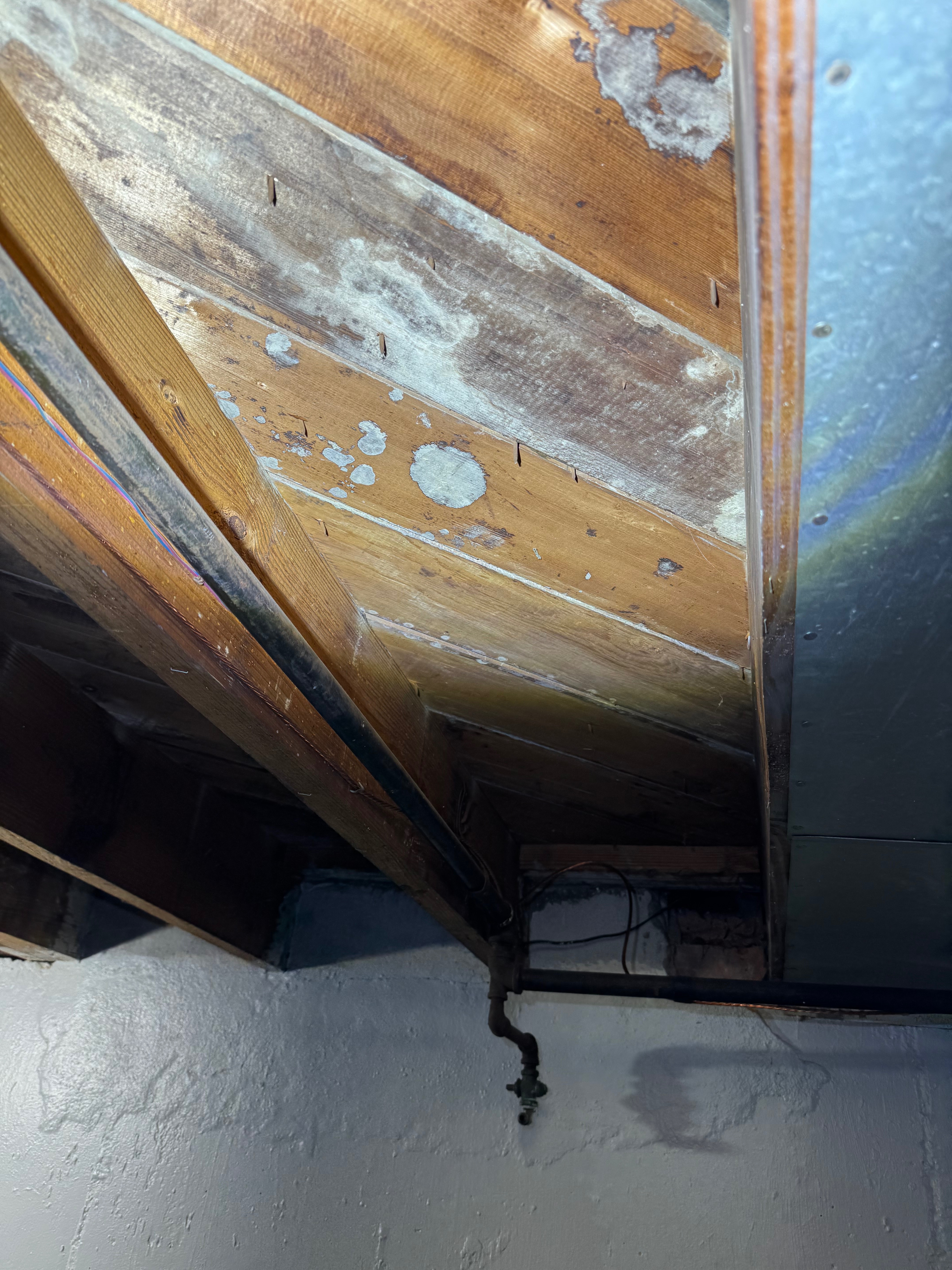
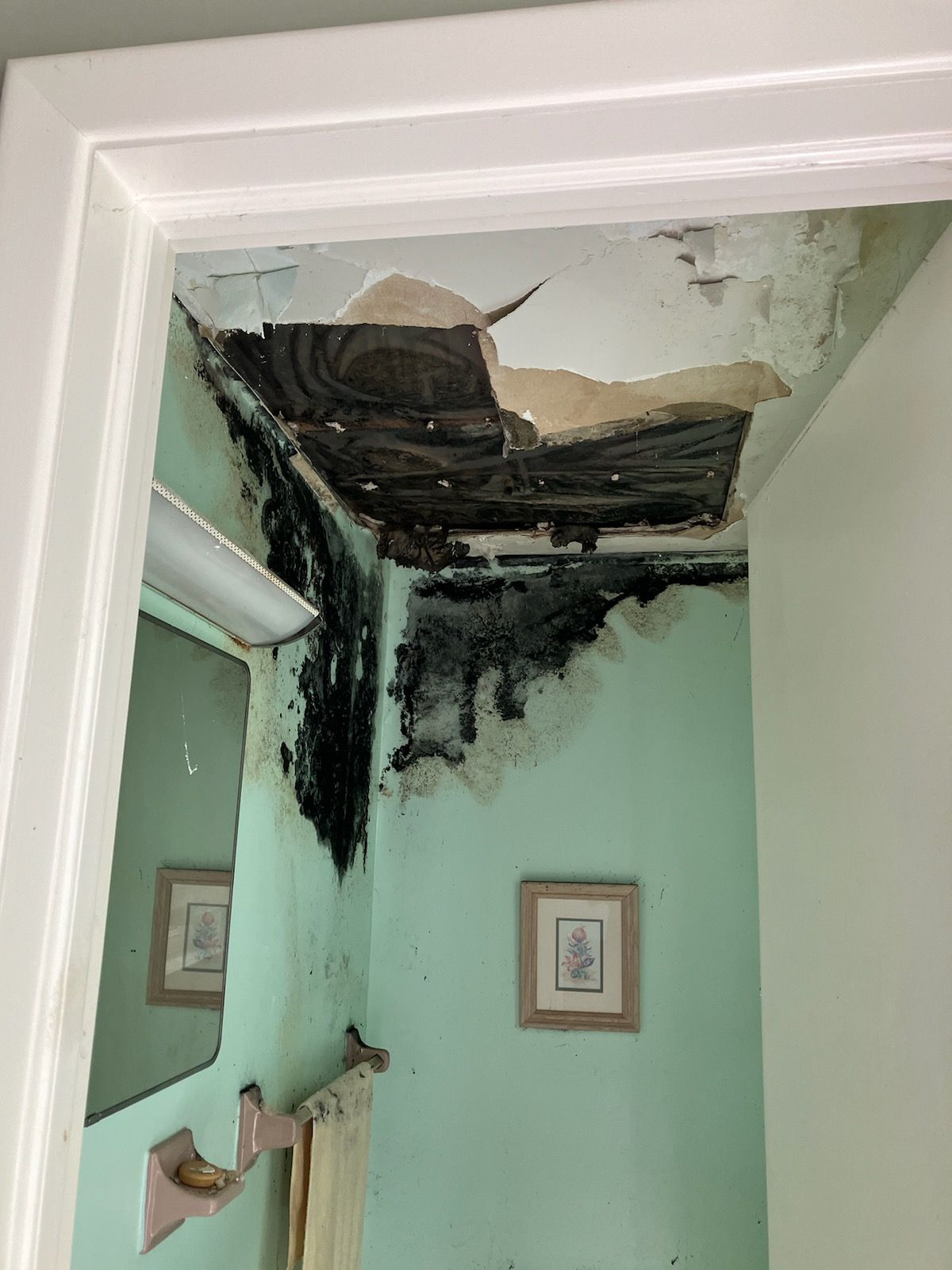
Fungal contamination is more than an aesthetic nuisance. It is a biological hazard that feeds on organic materials like cellulose (found in drywall, wood, and insulation) when moisture is present. The remediation process must address the root cause—excess moisture—while ensuring that the act of cleaning does not inadvertently spread microscopic spores throughout the building’s HVAC system and living areas.
Professional "breathe easy" services prioritize the removal of mycotoxins and Volatile Organic Compounds (VOCs) that mold emits. These substances are often responsible for the "musty" odor associated with water damage and can cause persistent health issues even if the mold itself is no longer actively growing.
The 2026 Protocol for Professional Mold Remediation
The methodology for remediation has become more precise with the integration of real-time air quality monitoring and advanced thermal imaging. A standard professional intervention follows a rigorous sequence to ensure long-term safety and structural integrity.
1. Advanced Assessment and Moisture Mapping
Before any physical work begins, specialists perform a comprehensive inspection. Using infrared thermography, technicians can detect moisture pockets behind walls that are invisible to the naked eye. Moisture meters are then used to quantify the dampness of building materials. This phase identifies the "source" of the mold—whether it is a slow pipe leak, high humidity, or a failure in the building envelope.
2. Containment and Engineering Controls
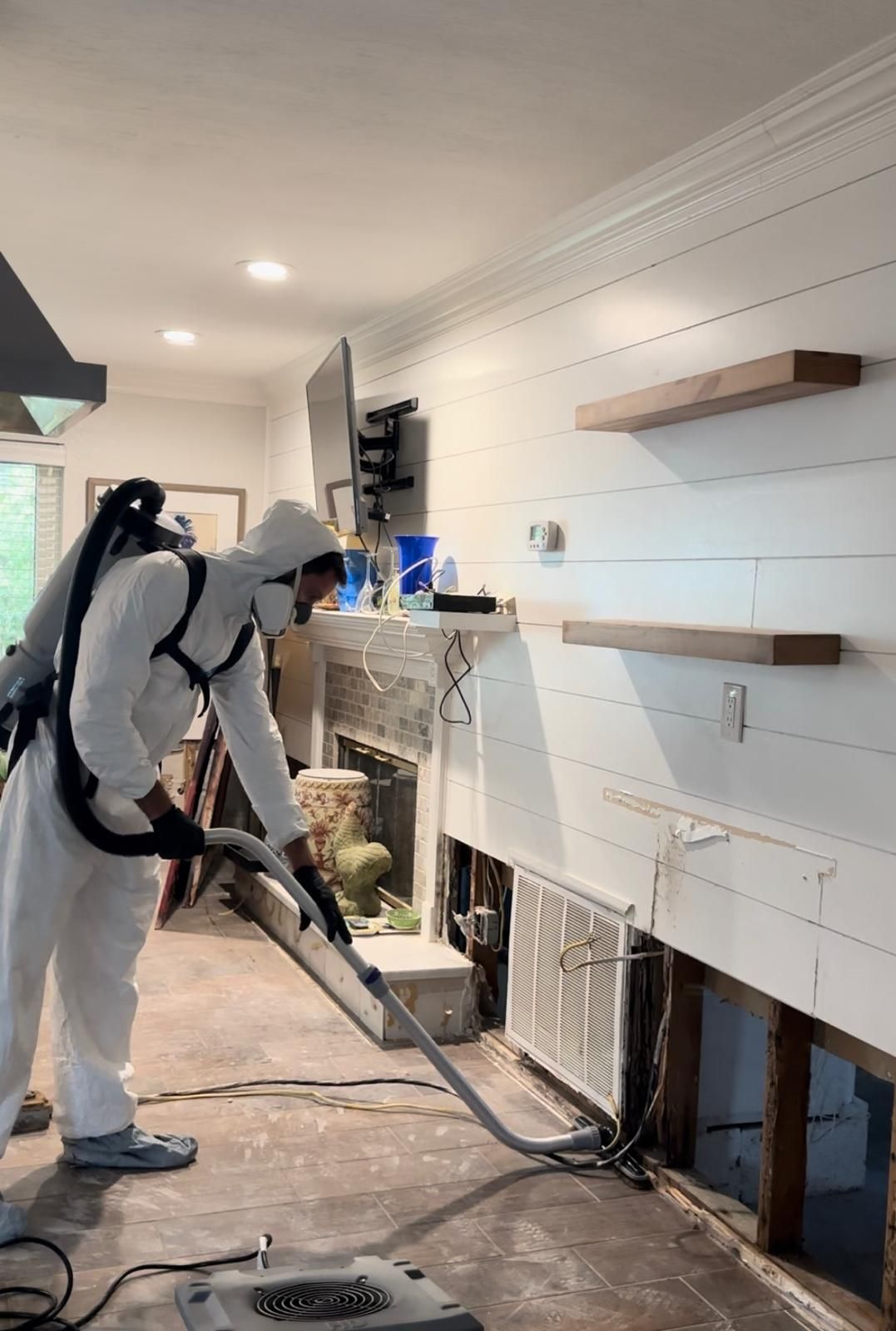
To prevent cross-contamination, the affected area is isolated using heavy-duty polyethylene sheeting. High-risk projects often utilize "airlocks" or "decontamination chambers" for technicians to move in and out of the work zone. The most critical component here is the Negative Air Machine. By venting filtered air outside the building, technicians create a pressure vacuum that ensures no mold spores can escape the containment area when doors are opened.
3. High-Efficiency Particulate Air (HEPA) Filtration
During the entire process, industrial-grade air scrubbers equipped with HEPA filters run continuously. These devices are capable of capturing 99.97% of particles as small as 0.3 microns. In 2026, many of these units are equipped with smart sensors that report air particulate counts in real-time to a central monitoring app, providing transparent data to the property owner.
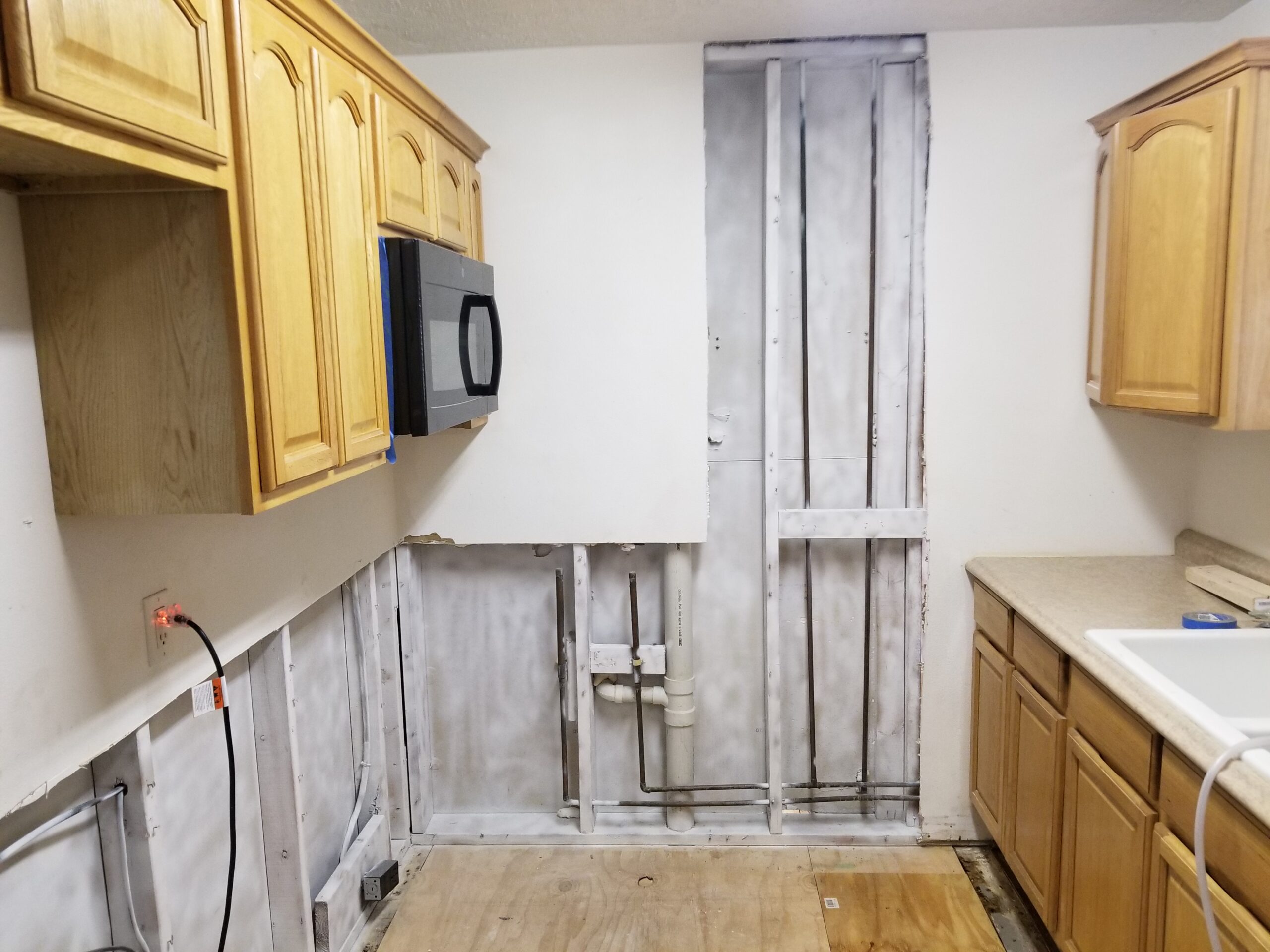
4. Controlled Material Removal (Demolition)
Porous materials that have been deeply colonized by mold—such as drywall, carpeting, and upholstered furniture—cannot usually be "cleaned." They must be carefully removed and sealed in 6-mil plastic bags before being transported through the home. Non-porous surfaces like metal, glass, and certain hardwoods can be salvaged through intensive abrasive cleaning and antimicrobial application.
Comparing Professional Remediation vs. Superficial Cleaning
It is a common mistake for property owners to attempt to treat mold with bleach or over-the-counter sprays. In 2026, industry experts continue to warn that bleach is largely ineffective on porous surfaces; it kills surface mold but the water in the bleach often penetrates the material, actually feeding the mold roots (hyphae) inside.
| Feature | Superficial/DIY Cleaning | Breathe Easy Professional Remediation |
|---|---|---|
| Primary Goal | Visible stain removal | Total fungal particulate removal |
| Containment | None (spores spread freely) | Physical barriers and negative pressure |
| Equipment | Household vacuum/mop | HEPA air scrubbers and scrubbers |
| Chemicals | Chlorine bleach (non-residual) | EPA-registered botanical antimicrobials |
| Verification | Visual "looks clean" | Independent laboratory air testing |
| Root Cause | Often ignored | Mandatory moisture source repair |
| Estimated Cost (2026) | $50 - $200 | $1,500 - $10,000+ (depending on square footage) |
The Health Implications of Indoor Fungal Growth
The primary motivation for seeking "breathe easy" services is health protection. Mold exposure is a significant factor in Indoor Environmental Quality (IEQ). For individuals with compromised immune systems, asthma, or chronic obstructive pulmonary disease (COPD), even low levels of mold spores can trigger severe reactions.
According to the Centers for Disease Control and Prevention (CDC), mold exposure can lead to symptoms such as nasal stuffiness, throat irritation, coughing or wheezing, and eye or skin irritation. More significantly, prolonged exposure to specific molds like Stachybotrys chartarum (often called "black mold") has been linked to more serious respiratory infections and "Sick Building Syndrome."
In 2026, the medical community increasingly recognizes CIRS (Chronic Inflammatory Response Syndrome), a multi-system, multi-symptom illness that can be triggered by the biotoxins found in water-damaged buildings. This makes the "breathe easy" approach—which focuses on the total elimination of these toxins rather than just the visible mold—essential for occupants who are genetically susceptible to mold-related illnesses.
Post-Remediation Verification (PRV)
The "Breathe Easy" process is not complete until it has been verified by an independent third party. Post-Remediation Verification (PRV), also known as "clearance testing," involves an indoor environmental professional (IEP) who was not involved in the actual cleaning.
The IEP conducts a visual inspection and takes air and surface samples. These samples are sent to an accredited laboratory to ensure that the spore counts inside the remediated area are lower than or equal to the natural outdoor levels, and that no "indicator" molds (like Aspergillus or Penicillium) are present in significant quantities. This step provides the property owner with a "Certificate of Clearance," which is vital for property resale and insurance documentation.
Cost Factors and Insurance Coverage in 2026
The cost of mold remediation is influenced by several variables, including the extent of the growth, the type of materials affected, and the accessibility of the area (e.g., a crawlspace vs. a living room). In 2026, insurance companies have become more stringent regarding mold riders.
Many standard homeowners' insurance policies cover mold remediation only if the mold is a direct result of a "covered peril," such as a sudden pipe burst or a fire-fighting effort. Mold resulting from long-term neglect, lack of maintenance, or floodwaters often requires separate endorsements. It is essential to consult with an adjuster early in the process to determine the limits of your coverage. For more information on environmental health standards, the Environmental Protection Agency (EPA) provides comprehensive guidelines for mold remediation in schools and commercial buildings.
Selecting a Certified Mold Remediation Professional
When choosing a service provider, "Breathe Easy" should be a standard of care, not just a marketing slogan. Look for companies that hold certifications from the IICRC (Institute of Inspection, Cleaning and Restoration Certification) or the ACAC (American Council for Accredited Certification).
Key Selection Criteria:
- Liability Insurance: The firm should carry specific pollution occurrence insurance.
- Separation of Duties: Avoid companies that insist on doing both the initial testing and the final clearance testing themselves; this is a conflict of interest.
- Detailed Estimates: A professional estimate should include a detailed scope of work, listing the specific containment measures and chemicals to be used.
- Warranty: Ask about a warranty on the treated area, provided the moisture source remains fixed.
Frequently Asked Questions
Is mold remediation truly necessary if I don't have allergies?
Yes. While you may not have immediate allergic reactions, mold is a structural threat. It consumes organic building materials, which can eventually compromise the integrity of floor joists, wall studs, and roof decking. Furthermore, persistent exposure can sensitize your immune system over time, leading to the development of allergies or asthma where none existed before.
How long does the professional remediation process take?
Most residential projects take between three to five days. The first day is usually dedicated to containment and setup, followed by one to two days of cleaning and removal. The final days are required for air scrubbing and the time needed for laboratory results to return from clearance testing.
Can I stay in my home during the mold removal process?
It depends on the location and severity of the mold. If the mold is confined to a single room with proper containment and negative air pressure, staying in the home is often possible. However, if the HVAC system is contaminated or if the mold is pervasive throughout multiple levels, professionals generally recommend vacating the premises to ensure complete safety from airborne particulates during the "disturbed" cleaning phase.
What is the difference between mold removal and mold remediation?
"Removal" is a literal term referring to the physical act of taking mold out of a space. "Remediation" is a more comprehensive term that includes the assessment, containment, removal, and the correction of the moisture problem that caused the growth. Remediation is about returning the entire environment to a healthy state, not just getting rid of a visible patch.
Will the mold come back after remediation?
Mold will not return if the moisture source is permanently resolved. Mold requires three things to grow: food (cellulose), a hospitable temperature, and moisture. Since you cannot remove food (your house's structure) or change the temperature significantly, moisture control is the only viable long-term solution. Professional remediators will often provide a list of required repairs to prevent recurrence.
Practical Recommendation for Homeowners
If you suspect mold growth in your property, the first step is to stop the water source. Whether it is a leak or high humidity (above 60%), the moisture must be addressed before remediation begins. Once the area is dry, contact a certified professional for a "Breathe Easy" assessment. Do not attempt to scrub large areas of mold yourself, as this can release millions of spores into your air, significantly increasing the cost and complexity of the eventual professional cleanup.
Image Gallery