Carl Edwards Sr. and the Legacy of the Edwards Family in NASCAR History
In NASCAR history, Carl Edwards Sr. is recognized as the foundational mentor and grassroots racer who paved the way for his son, Carl Edwards, to become a premier series superstar. While the elder Edwards was a prominent figure in the...
In NASCAR history, Carl Edwards Sr. is recognized as the foundational mentor and grassroots racer who paved the way for his son, Carl Edwards, to become a premier series superstar. While the elder Edwards was a prominent figure in the Missouri dirt track and USAC circuits, his greatest historical contribution to NASCAR was the work ethic and unique promotional strategies he instilled in his son, leading to 28 Cup Series victories and a 2025 Hall of Fame induction.
Contents
The Grassroots Foundation: Carl Edwards Sr. in Missouri Racing
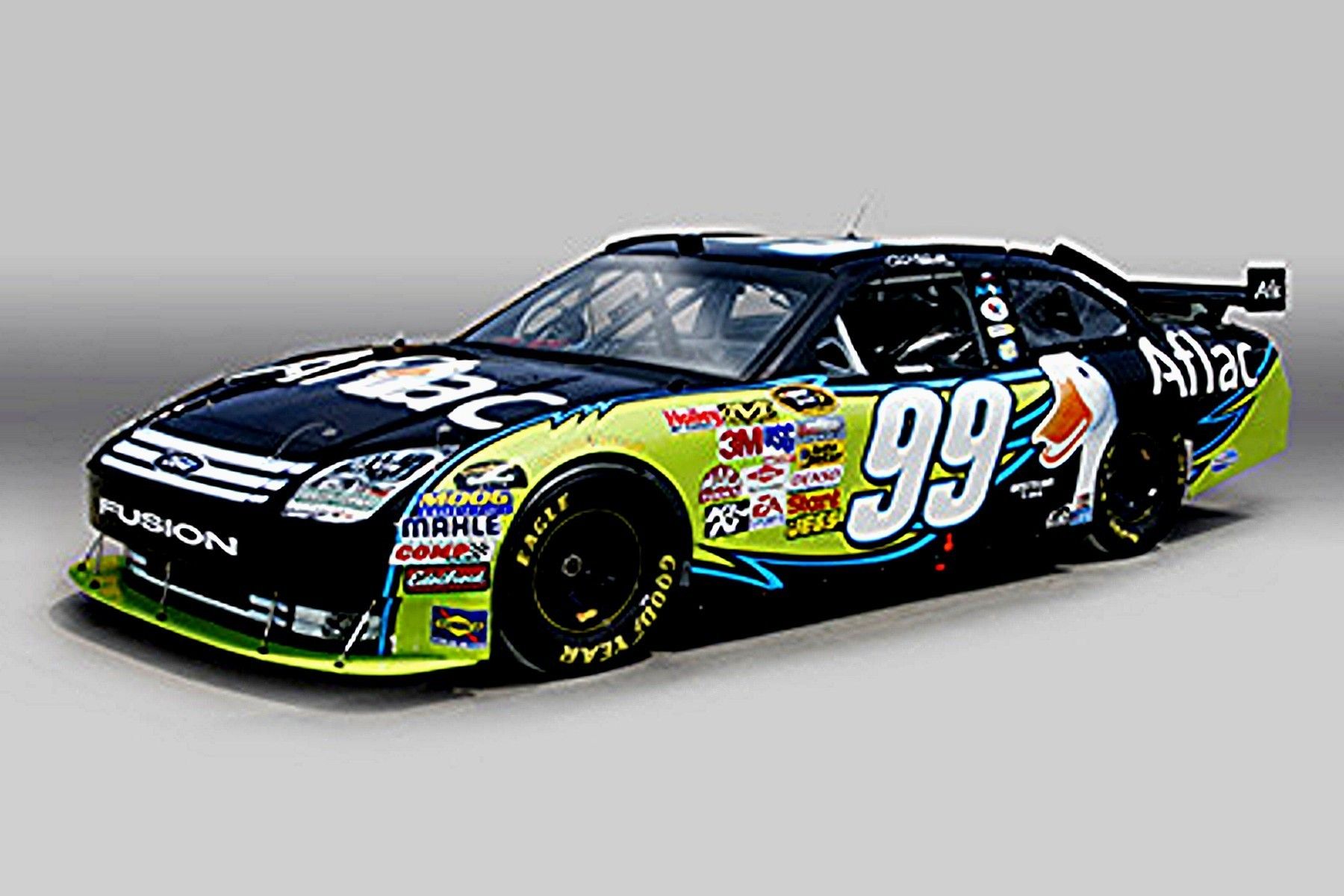
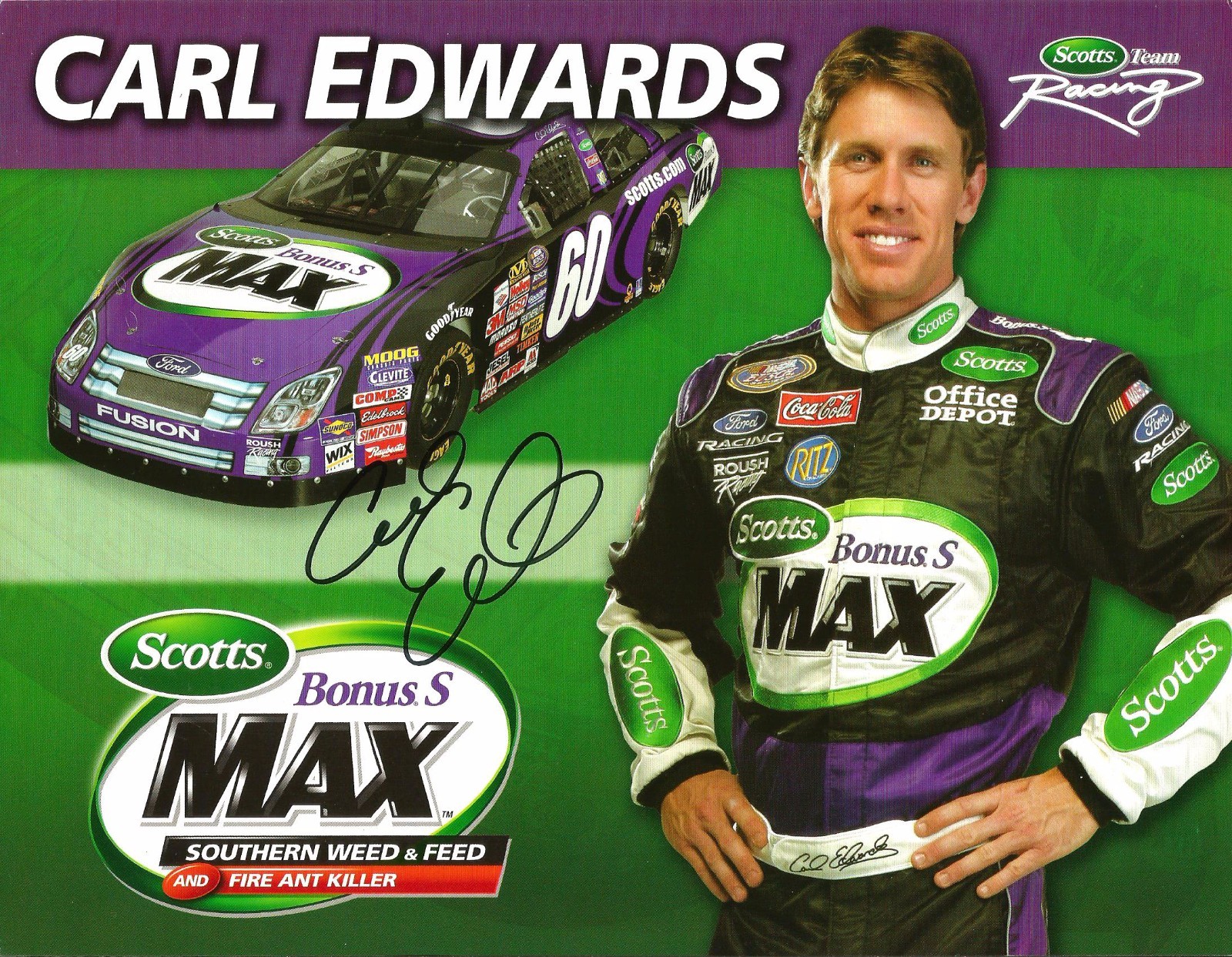
To understand the impact of the Edwards family on NASCAR, one must look toward the regional circuits of the Midwest, specifically Missouri. Carl Edwards Sr. was a stalwart of the local racing scene long before the name became synonymous with the #99 Ford Office Depot car or the #19 Joe Gibbs Racing Toyota.
During the 1970s and 1980s, Carl Edwards Sr. competed in various forms of open-wheel and stock car racing. His expertise was primarily in USAC (United States Auto Club) midget racing and local dirt track competition. Unlike the multi-million dollar developmental programs of 2026, the era of Carl Edwards Sr. was defined by "wrenching on your own rig." He was known for a meticulous approach to mechanics, a trait that he passed down to his son.
In the regional circuits of Missouri, such as the I-70 Speedway and Capital City Speedway, the elder Edwards established a reputation for clean but aggressive driving. However, his career remained largely regional due to the immense financial barriers of the era. This reality shaped his philosophy on how to break into the national spotlight: it wasn’t just about talent; it was about visibility and persistence.
The Business Card Strategy: A Historic Turning Point
Perhaps the most famous anecdote in the Edwards family history—and a pivotal moment in NASCAR lore—is the "business card" era. Under the guidance of Carl Edwards Sr., a young Carl Edwards (the future Cup star) famously walked the pits of NASCAR tracks, handing out business cards to owners and crew chiefs.
This strategy was born out of necessity and the elder Edwards' understanding of the sport’s shifting landscape. By the late 1990s, NASCAR was transitioning from a regional hobby to a corporate juggernaut. Carl Edwards Sr. realized that without a massive family fortune or a "big name" legacy in the Carolinas, his son had to market himself as a professional asset.
The business card simply stated that Carl was a driver looking for an opportunity and included his phone number. This humble approach, encouraged by his father, eventually caught the eye of Jack Roush. It remains a legendary example of "the grind" that modern drivers in 2026 still cite as the gold standard for self-promotion in a sponsorship-heavy sport.
Technical Evolution During the Edwards Era
The period during which the Edwards family made their mark (roughly 2002 to 2016) saw the most significant technical shifts in NASCAR history. Carl Edwards Sr. mentored his son through the transition from the traditional Gen 4 cars to the controversial Car of Tomorrow (COT) and finally the Gen 6 platform.
The Gen 4 and the "Dirt Track" Feel
When Carl Edwards first entered the Truck Series and then the Cup Series in 2004, the cars were highly sensitive to aerodynamic "side force." Coming from a dirt track background influenced by his father, Edwards had a natural feel for a car that was "sideways." The Gen 4 cars (used through 2007) rewarded drivers who could manage a car on the edge of a slide, a skill Carl honed under his father’s tutelage on the Missouri dirt.
The Gen 5 (Car of Tomorrow) Era
The introduction of the COT in 2007 changed the mechanical grip dynamics of the sport. The cars were boxier and less aesthetically pleasing to fans, but they introduced a level of safety that was unprecedented. Edwards was one of the few drivers who successfully adapted to this platform quickly, nearly winning the championship in 2008 and 2011.
The Gen 6 and High-Stakes Aerodynamics
By the time Carl Edwards retired suddenly at the end of 2016, the Gen 6 car had refined NASCAR's look. The influence of the elder Edwards’ mechanical mindset was evident in how Carl provided feedback to his engineers. He was known for being one of the most technically articulate drivers in the garage, a direct result of his years spent working on engines with his father in their Missouri shop.
Comparing the Generations: Stats and Impact
While Carl Edwards Sr. provided the blueprint, his son executed the plan on a global stage. Below is a comparison of the Edwards family's historical footprint in the sport.
| Feature | Carl Edwards Sr. (Patriarch) | Carl Edwards (The Driver) |
|---|---|---|
| Primary Focus | Regional Dirt / USAC Midgets | NASCAR Cup Series / Xfinity |
| Key Achievement | Missouri State Championships | 28 Cup Wins; 38 Xfinity Wins |
| Known For | Technical mentoring and local racing | The Backflip and 2011 Tie-Break |
| Hall of Fame Status | Regional Recognition | NASCAR Hall of Fame (Class of 2025) |
| Era of Influence | 1970s - 1990s | 2002 - 2016 (Post-retirement influence to 2026) |
| Legacy Contribution | Professionalizing the "Grind" | First driver to win 2011 championship tie-break |
The 2011 Championship: A Bittersweet Historical Peak
In the context of NASCAR history, the name Carl Edwards is most frequently associated with the 2011 season. This season represented the pinnacle of the "Edwards Way"—a combination of the father’s mechanical discipline and the son’s relentless consistency.
The 2011 battle between Carl Edwards and Tony Stewart remains the only time in NASCAR history that the premier series championship ended in a points tie. Edwards finished the season with a staggering average finish of 9.3, a feat rarely seen in the modern era. Although Stewart won the tie-breaker due to having more race wins, the Edwards family was lauded for their grace in defeat.
NASCAR historians in 2026 often point to 2011 as the year that proved a driver could be "perfect" and still lose to a "clutch" performance. This season cemented Carl’s place in the history books and validated the lifelong efforts of Carl Edwards Sr. to put his son in a position to compete with the giants of the sport.
Why the "Sr." Designation Matters Today
As of 2026, there is often confusion among newer fans regarding the "Sr." and "Jr." (or II) designations. While the famous driver is simply "Carl Edwards," his father’s role as the original Carl Edwards in the racing world is why the distinction exists in historical archives.
The elder Edwards passed away in 2016, shortly before his son’s unexpected retirement from the sport. Many analysts believe the loss of his father and mentor played a role in Carl’s decision to step away from the cockpit while still at the top of his game. The bond between the two was more than just father-son; it was a professional partnership that defined the career of one of NASCAR’s most respected figures.
Frequently Asked Questions
Did Carl Edwards Sr. ever race in the NASCAR Cup Series?
No, Carl Edwards Sr. did not compete in the NASCAR Cup Series. His racing career was primarily focused on regional midget cars and dirt track racing in the Midwest. His impact on NASCAR was indirect, serving as the primary coach, mechanic, and strategist for his son’s rise to the national level.
Why did Carl Edwards (the driver) retire so suddenly in 2016?
While Carl Edwards has never given a single, definitive reason, he cited a desire to leave the sport while healthy, a lack of interest in the "grind" of the new playoff formats, and a pursuit of other interests. Historians also note that the passing of his father, Carl Edwards Sr., in the same era may have shifted his perspective on the importance of life outside the racetrack.
Is Carl Edwards in the NASCAR Hall of Fame?
Yes. Carl Edwards was officially inducted into the NASCAR Hall of Fame as part of the Class of 2025. His induction speech heavily credited his father’s Missouri racing roots and the "business card" strategy for his successful career.
How many championships did the Edwards family win?
While Carl Edwards won the 2007 NASCAR Busch (now Xfinity) Series Championship, he never won a Cup Series title, famously losing the 2011 title on a tie-breaker to Tony Stewart. His father, Carl Edwards Sr., won numerous regional and local track championships in Missouri.
What was the relationship between Carl Edwards and Roush Fenway Racing?
The Edwards family’s big break came through Jack Roush. Carl Edwards Sr. was a proponent of the "Ford family" loyalty, and his son spent the majority of his career (2004–2014) driving the #99 Ford for Roush Fenway Racing before moving to Joe Gibbs Racing for his final two seasons.
Final Recommendations for Racing Historians
For those researching the Edwards lineage in NASCAR, it is essential to look beyond the 28 Cup wins. The true history of the Edwards family is found in the transition of NASCAR from a "good ol' boy" system to a professional, athletic enterprise.
- Study the 2011 Season: It is the definitive example of the consistency and technical excellence the Edwards family stood for.
- Explore the USAC Roots: To understand Carl Edwards Sr., look into the 1980s USAC midget results in the Midwest; this is where the mechanical foundation was built.
- Visit the Hall of Fame: The 2025 induction exhibit in Charlotte provides the most comprehensive collection of artifacts from both the father’s regional career and the son’s national success.
The story of "Carl Edwards Sr. in NASCAR history" is ultimately a story of the American dream within the context of motorsports: a father passing down a trade, a son elevating it to the world stage, and a legacy of integrity that remains unblemished in 2026.
Image Gallery