Engineering the World’s Highest Span: A Comprehensive Guide to the Huajiang Canyon Bridge Construction
The Huajiang Canyon Bridge, located in China’s Guizhou Province, is a record-breaking suspension bridge spanning the deep gorge of the Beipan River. With a vertical height of 625 meters from the bridge deck to the water's surface, it s...
The Huajiang Canyon Bridge, located in China’s Guizhou Province, is a record-breaking suspension bridge spanning the deep gorge of the Beipan River. With a vertical height of 625 meters from the bridge deck to the water's surface, it stands as the world's highest bridge as of 2026. This engineering marvel is a critical link in the Liuzhi-Anlong Expressway, designed to slash travel times across the canyon from over an hour to just one minute.
Contents
Overview of the Huajiang Canyon Bridge Project
The Huajiang Canyon Bridge (花江峡谷大桥) represents the pinnacle of modern structural engineering. Situated in southwestern China, a region often referred to as the "Museum of World Bridges," this project was conceived to overcome the formidable geographic barriers of the karst landscape. The bridge serves the G7621 Liuzhi-Anlong Expressway, connecting the Liuzhi Special District and Anlong County.
Construction began in earnest in 2022, following years of geological surveys and aerodynamic testing. The primary objective was not merely to create a transportation link but to establish a multi-functional infrastructure project that integrates transportation, tourism, and regional economic revitalization. By 2026, the bridge has transitioned from a massive construction site into a functional cornerstone of the regional highway network, attracting global attention for its sheer scale and technical complexity.
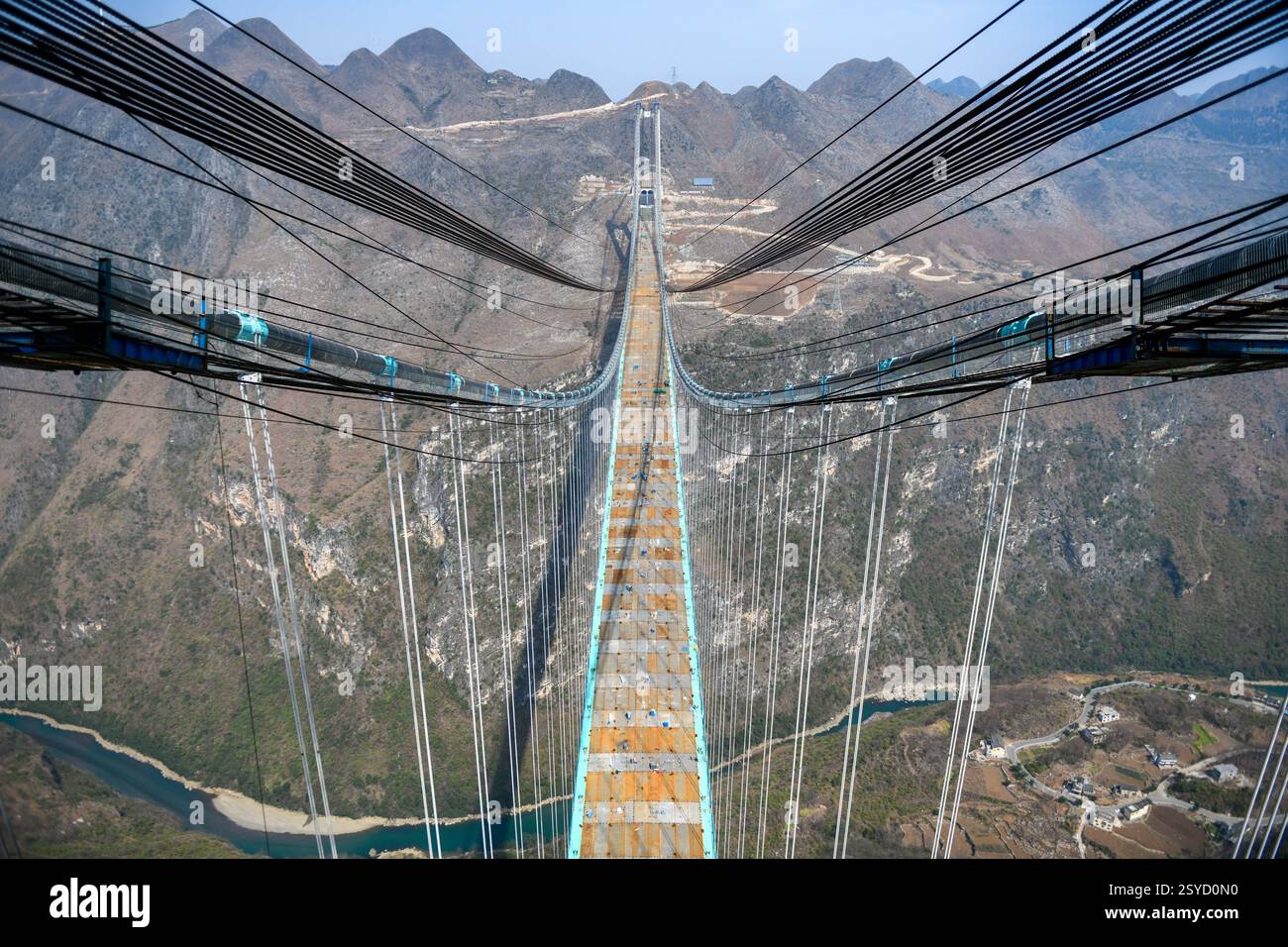
The bridge features a main span of 1,420 meters, utilizing a suspension design that allows it to float high above the Huajiang Grand Canyon. This specific location is notorious for its steep cliffs and unpredictable wind patterns, making the construction process one of the most challenging in the history of civil engineering.
Technical Specifications and Structural Design
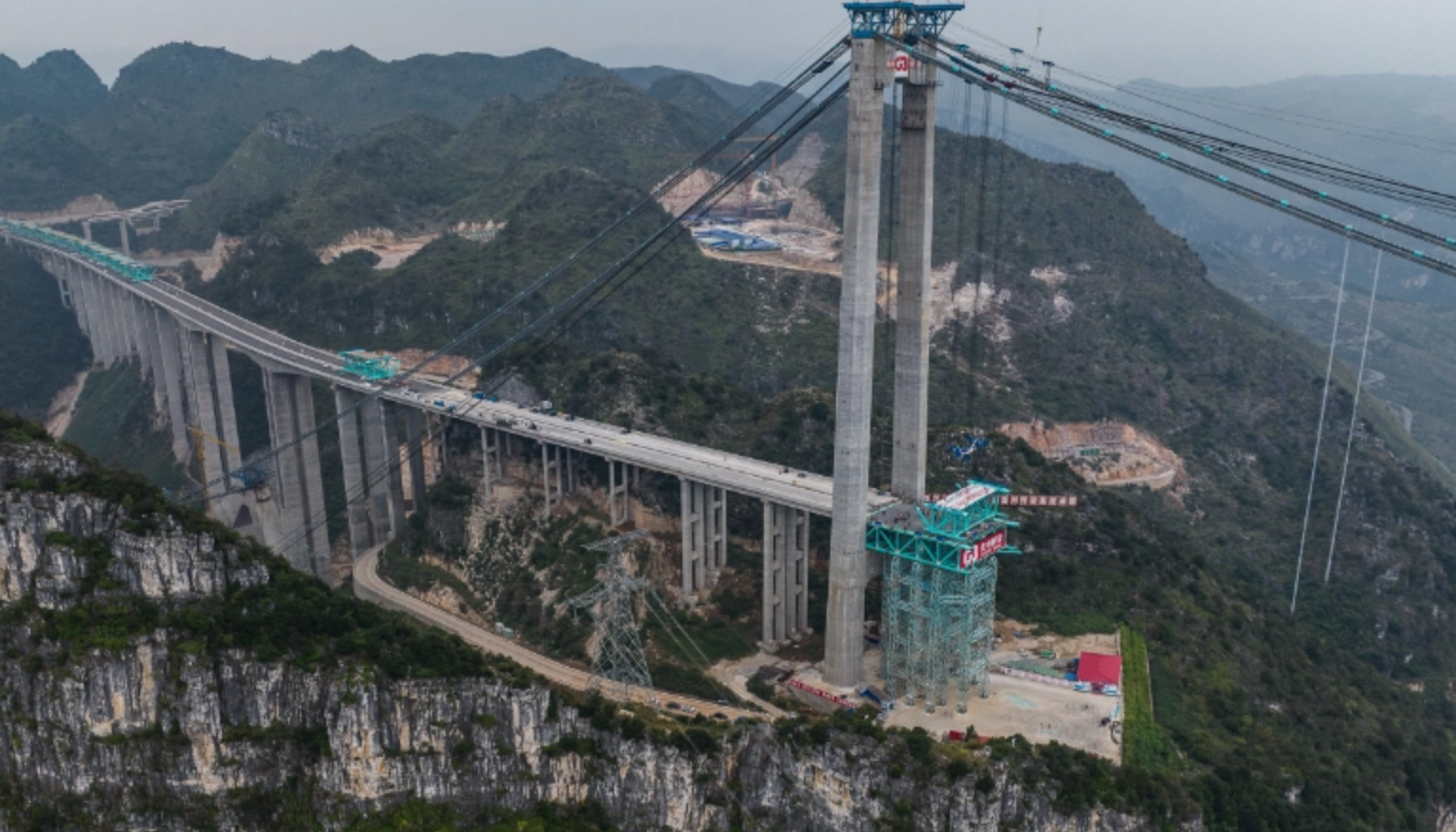
The structural integrity of a bridge suspended over 600 meters in the air requires precision engineering and the use of high-performance materials. The Huajiang Canyon Bridge utilizes a steel truss girder system, which provides the necessary rigidity and wind resistance required for such an extreme elevation.
Dimensions and Scale
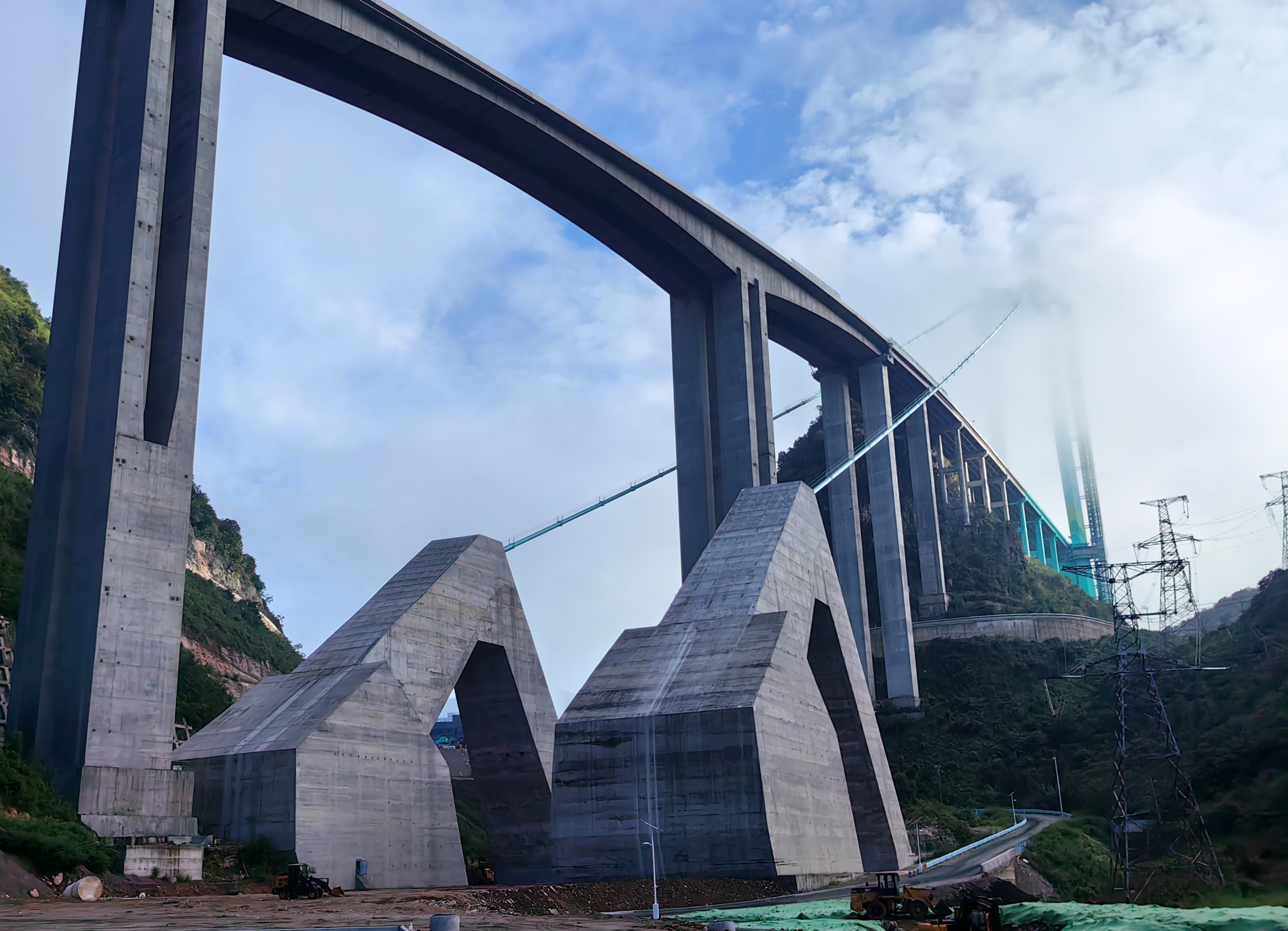
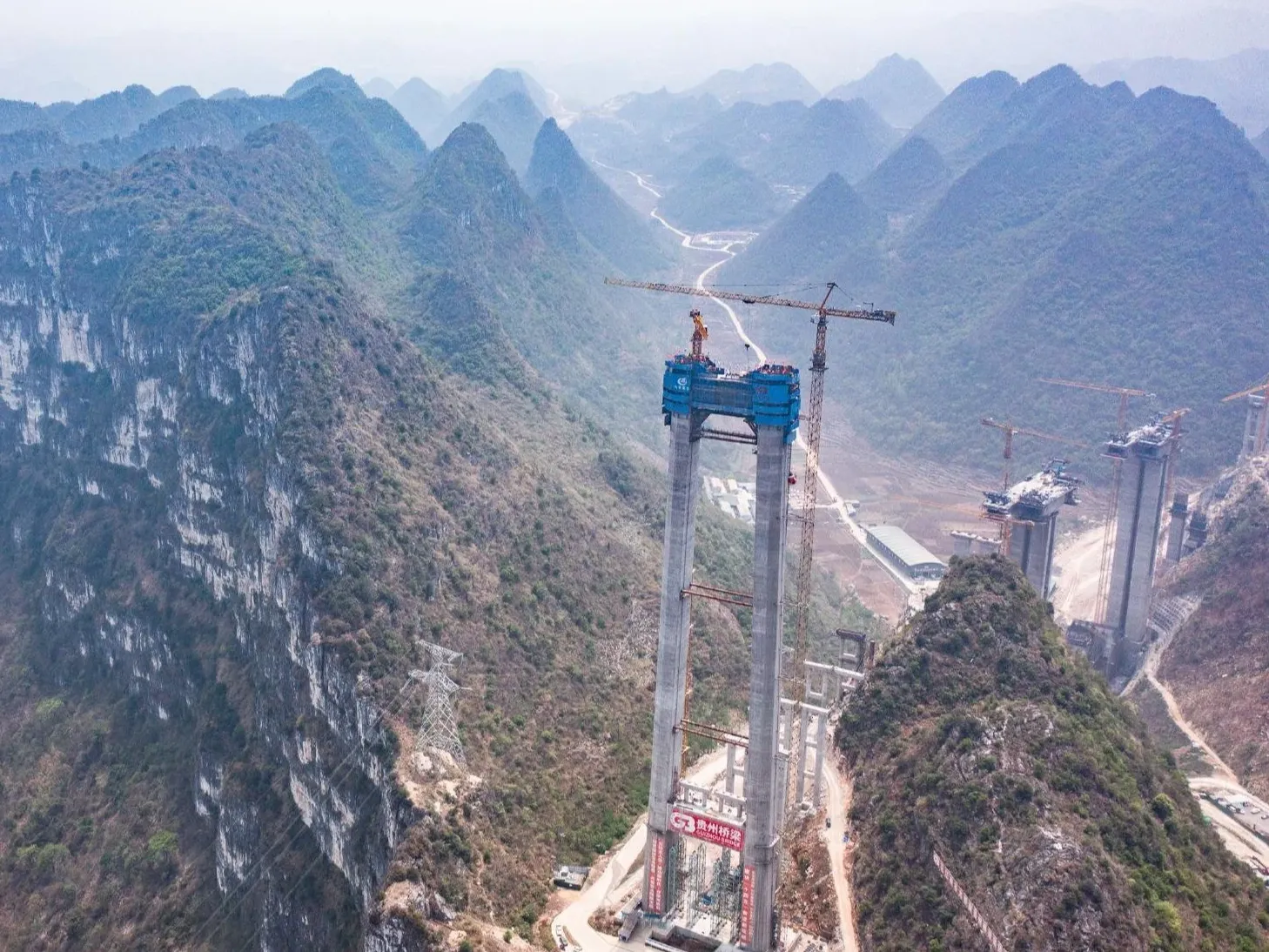
The total length of the bridge is approximately 2,890 meters. The main towers, which support the massive weight of the suspension cables, stand at heights that rival skyscrapers. The east tower rises 262 meters, while the west tower stands at 204 meters. These towers are anchored into the limestone cliffs using deep-pile foundations that account for the unique karst geology of the region, which is characterized by underground caves and fissures.
Suspension System
The main cables are the "muscles" of the bridge. Each cable is composed of thousands of high-strength steel wires, bundled together to withstand thousands of tons of tension. During the construction phase, the "catwalk" installation—a temporary pathway for workers high above the canyon—was a significant milestone, allowing for the precise threading of these cables across the 1,420-meter gap.
Wind Resistance and Aerodynamics
At a height of 625 meters, wind is the primary environmental enemy. Engineers utilized advanced computational fluid dynamics (CFD) and physical wind tunnel testing to ensure the deck remains stable during high-velocity gusts. The steel truss design allows wind to pass through the structure, reducing the "sail effect" that can lead to dangerous oscillations in suspension bridges.
Key Construction Phases and Innovations
Building the world's highest bridge required a departure from standard construction methods. Several innovative technologies were deployed to ensure safety, speed, and structural precision.
Intelligent Construction and BIM
Building Information Modeling (BIM) was used throughout the lifecycle of the Huajiang Canyon Bridge. This digital twin technology allowed engineers to simulate every phase of the construction in a virtual environment before physical implementation. In 2026, this data continues to be used for the bridge’s structural health monitoring system, providing real-time feedback on stress, strain, and environmental impacts.
Smart Cable Hoisting
The installation of the steel truss segments involved a highly sophisticated "smart hoisting" system. Each segment, weighing hundreds of tons, was lifted from the canyon floor or transported along the cables and positioned with millimeter-level accuracy. This was managed through a centralized digital control system that accounted for temperature-induced expansion and real-time wind speeds.
Overcoming Karst Topography
Guizhou’s karst landscape presented significant risks during the foundation phase. The ground is often riddled with hidden "sinkholes" or subterranean rivers. Engineers employed ultrasonic testing and advanced drilling techniques to map the rock structure beneath the tower locations, ensuring the footings were anchored into solid, stable limestone.
Comparative Analysis of Major High Bridges
To understand the magnitude of the Huajiang Canyon Bridge, it is helpful to compare it with other record-holding structures globally. Guizhou Province currently hosts the majority of the world's highest bridges.
| Bridge Name | Location | Height (Meters) | Main Span (Meters) | Type | Completion Year |
|---|---|---|---|---|---|
| Huajiang Canyon Bridge | Guizhou, China | 625 | 1,420 | Suspension | 2025/2026 |
| Duge Bridge | Guizhou/Yunnan | 565 | 720 | Cable-stayed | 2016 |
| Puli Bridge | Yunnan, China | 485 | 628 | Suspension | 2015 |
| Jinshajiang Bridge | Yunnan, China | 461 | 766 | Suspension | 2020 |
| Millau Viaduct | Millau, France | 270 (Deck) | 342 | Cable-stayed | 2004 |
Note: Height refers to the distance from the bridge deck to the surface below.
The "Bridge + Tourism" Model
A unique aspect of the Huajiang Canyon Bridge construction is its focus on the "Bridge + Tourism" (桥旅融合) initiative. Unlike many infrastructure projects that prioritize utility alone, this bridge was designed as a destination.
Viewing Platforms and Sightseeing
Integrated into the bridge design are several features intended for public engagement. The bridge includes a high-altitude glass-bottomed viewing area, allowing tourists to experience the 625-meter drop firsthand. Additionally, a sightseeing elevator was installed on one of the main towers, providing access to a panoramic lounge at the top of the structure.
Economic Impact on Guizhou
Before the bridge’s completion, the journey across the Huajiang Canyon was a grueling trek on winding mountain roads. The bridge has effectively opened the region to increased trade and tourism. It serves as a vital artery for the transport of local agricultural goods and has spurred the development of hotels, hiking trails, and recreational facilities in the surrounding canyon area.
Environmental and Safety Standards
Maintaining environmental integrity in a sensitive karst ecosystem was a priority during construction. The project team implemented strict waste management protocols to prevent construction runoff from entering the Beipan River.
Structural Health Monitoring
As of 2026, the bridge is equipped with an array of sensors that monitor its "vitals" 24/7. These sensors track:
- Vibration: Monitoring for seismic activity or wind-induced resonance.
- Displacement: Measuring how much the bridge moves under heavy traffic loads.
- Corrosion: Using sensors inside the main cables to detect any moisture ingress that could weaken the steel.
Safety Protocols for High-Altitude Maintenance
Maintenance at 600 meters requires specialized training. Robotic crawlers are frequently used to inspect the main cables, reducing the need for human workers to perform high-risk inspections in extreme weather conditions.
Frequently Asked Questions (FAQ)
What is the exact height of the Huajiang Canyon Bridge?
The bridge deck sits 625 meters (approximately 2,050 feet) above the water level of the Beipan River. This makes it significantly taller than the previous record-holder, the Duge Bridge, which stands at 565 meters.
Why was a suspension bridge chosen over a cable-stayed design?
For a span as wide as 1,420 meters in a deep canyon, a suspension bridge is often more efficient. It allows for a longer main span without the need for multiple piers in the canyon floor, which would be geologically and logistically impossible in the Huajiang Grand Canyon.
How does the bridge handle the extreme winds in the canyon?
The bridge uses a specialized steel truss girder that is aerodynamically optimized. The open nature of the truss allows air to flow through the structure rather than pushing against it, which minimizes the risk of swaying or structural fatigue caused by constant wind pressure.
How much time does the bridge save for travelers?
Before the bridge was completed, crossing the Huajiang Canyon took approximately 70 to 90 minutes via narrow, winding mountain roads. With the opening of the bridge on the Liuzhi-Anlong Expressway, the crossing now takes about 60 to 90 seconds.
Is the bridge open to tourists?
Yes, the bridge was designed with a dedicated tourism component. It features viewing platforms, a sightseeing elevator, and a service area that provides educational exhibits about the engineering techniques used during its construction.
Practical Recommendations for Visitors and Professionals
For engineering professionals and students, the Huajiang Canyon Bridge serves as a primary case study in super-high bridge construction and karst geology management. It is recommended to review the published technical papers from the Guizhou Transportation Planning Survey and Design Institute for in-depth data on the smart hoisting systems used.
For tourists and photography enthusiasts visiting in 2026, the best views are often captured from the dedicated observation decks on the east side of the canyon during the early morning when the canyon is often filled with mist, creating a "bridge in the clouds" effect. Always check local weather reports before visiting, as high-altitude viewing platforms may be closed during periods of extreme wind or lightning for safety reasons.
Image Gallery