What Is Snapchat Used For Most: Understanding the Platform’s Primary Utility
Snapchat is primarily used for ephemeral, visual communication between friends and the consumption of short-form, curated multimedia content. While the application offers a vast array of features including augmented reality (AR) lenses...
Snapchat is primarily used for ephemeral, visual communication between friends and the consumption of short-form, curated multimedia content. While the application offers a vast array of features including augmented reality (AR) lenses, gaming, and mapping services, its core value proposition remains the rapid exchange of disappearing photos and videos to facilitate authentic, low-pressure social interaction.
Contents
The Foundation of Ephemeral Messaging
At its heart, Snapchat functions as a camera-first messaging application. Unlike traditional social media platforms that emphasize permanent, public-facing profiles, Snapchat was designed to mimic the transient nature of face-to-face conversation. When a user sends a "Snap"—a photo or video—to a recipient, the content is intended to disappear after being viewed.
This ephemeral nature is the primary driver of engagement. It reduces the "performance anxiety" often associated with social media, where users feel pressured to curate a perfect digital persona. Because the content is not archived on a permanent grid for public scrutiny, users feel more comfortable sharing raw, unfiltered, and spontaneous moments of their daily lives. This creates a feedback loop of frequent communication, making Snapchat a primary hub for personal connection rather than a platform for digital broadcasting.
Key Features Driving User Engagement
To understand what Snapchat is used for most, one must examine the specific tools that facilitate these interactions. These features are not merely additives; they define the user experience and set the platform apart from text-based messaging services or photo-sharing networks.
1. Visual Communication (The Snap)
The fundamental unit of the platform is the Snap. Users utilize the camera interface to capture media, annotate it with text, drawings, or stickers, and send it to specific individuals or small groups. The focus is on visual storytelling that conveys tone and context more effectively than text alone.
2. Augmented Reality (AR) Lenses
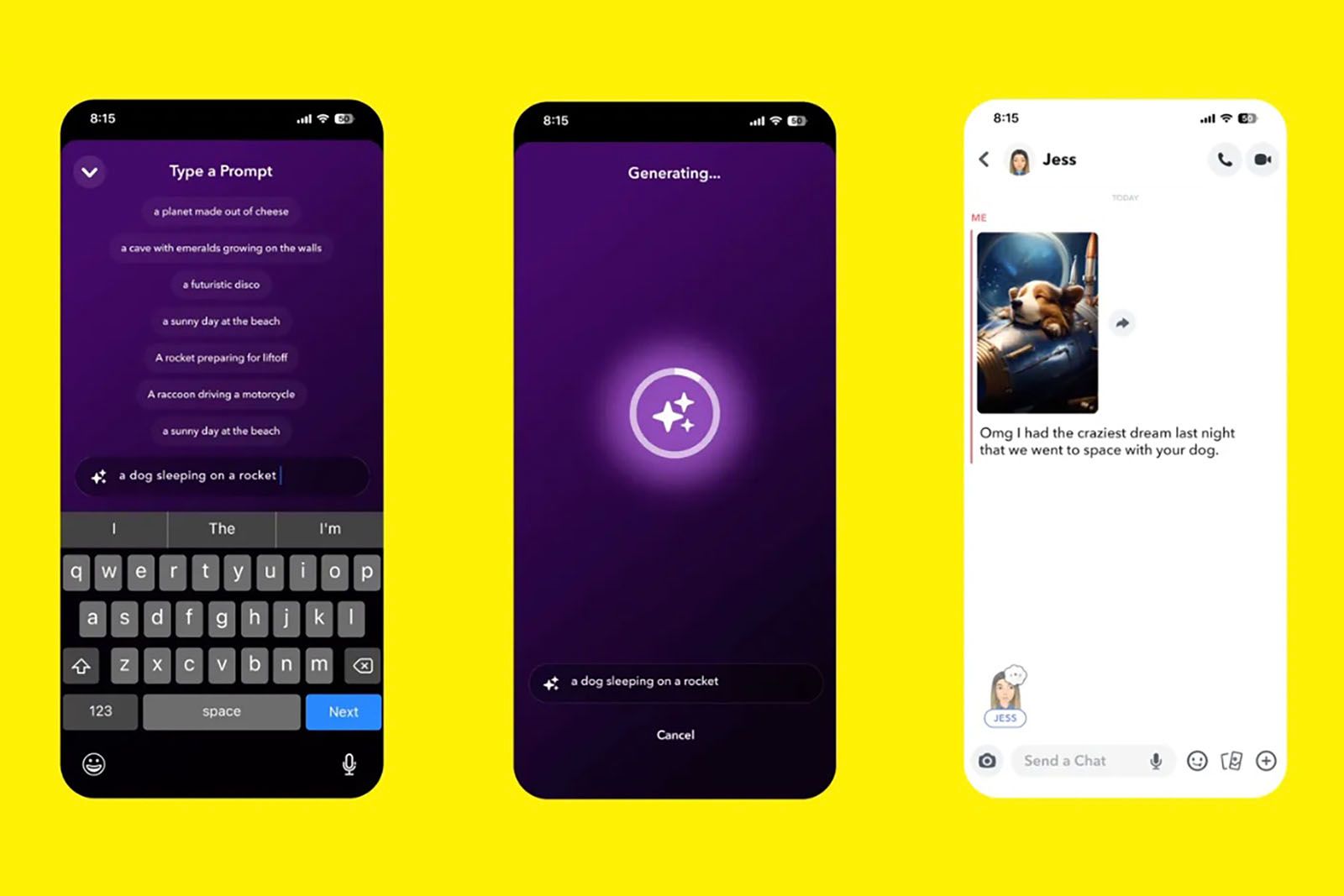
Snapchat has revolutionized the use of AR in social media. Lenses allow users to overlay digital elements onto their real-world environment or their own faces. This feature is heavily used for entertainment, self-expression, and humor during conversations. In 2026, the complexity of these lenses continues to grow, integrating real-time environmental scanning and advanced facial tracking, which keeps users returning for new interactive experiences.
3. Snap Map
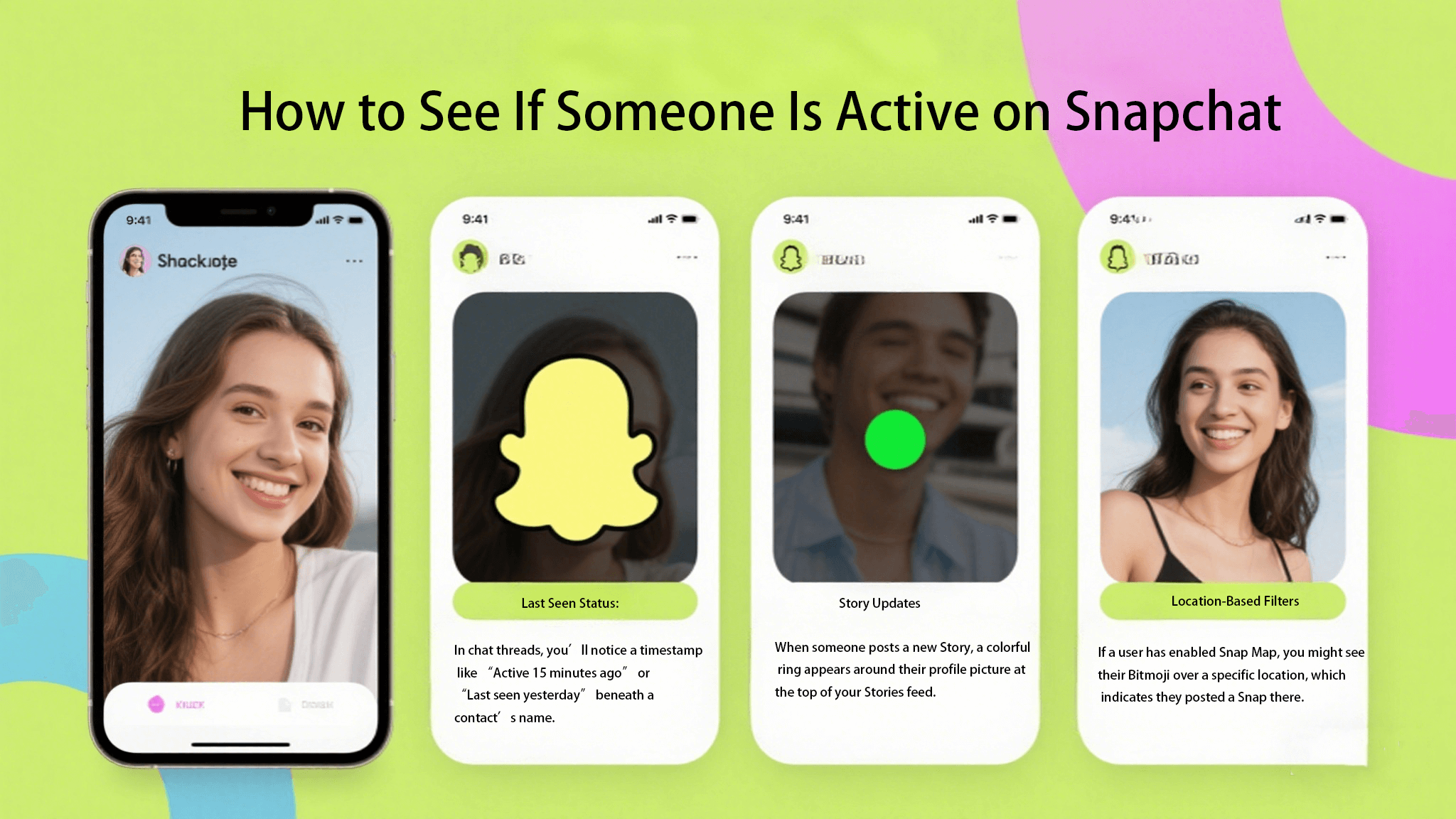
The Snap Map allows users to share their real-time location with friends who have opted in. This is widely used for coordinating social outings, verifying a friend’s proximity, or discovering local events. It transforms the app from a digital messaging tool into a navigation and social planning aid.
4. Stories and Spotlight
While personal communication is the core, "Stories" allow users to post content that remains visible to their network for 24 hours. "Spotlight" provides a platform for viral, user-generated content similar to short-form video discovery feeds. While these are major components of the app, they are generally secondary to the primary use case of direct interpersonal messaging.
Comparative Overview of Snapchat Utility
| Feature | Primary Purpose | User Intent |
|---|---|---|
| Private Snaps | Direct Messaging | Immediate, ephemeral communication |
| Stories | Personal Broadcasting | Keeping friends updated on daily life |
| AR Lenses | Creative Expression | Entertainment and social bonding |
| Snap Map | Social Utility | Coordination and local discovery |
| Spotlight | Content Consumption | Passive entertainment and trend tracking |
Why the Platform Retains User Loyalty
The longevity of Snapchat in a crowded market is largely due to its focus on "close-tie" networks. While other social media platforms have pivoted toward public content discovery and algorithmic feeds that show users content from strangers, Snapchat remains gated by a user's chosen contact list.
Users do not use Snapchat to build an audience or achieve "follower counts" in the traditional sense. They use it to maintain their inner circle. This privacy-first architectural choice makes the platform resistant to the fatigue associated with public-facing social media. Even as of 2026, the lack of a public "like" count on private messages preserves the intimacy of the platform, fostering a type of digital communication that feels more like a private conversation and less like a marketing campaign.
Practical Considerations for New Users
For those looking to utilize Snapchat effectively, it is important to understand the platform’s limitations and etiquette.
- Privacy Settings: Users should proactively configure who can contact them and who can see their location on the Snap Map. Managing these settings is critical for maintaining the intended "close-friends" dynamic of the platform.
- Data Usage: Because the application is centered on high-resolution video and AR filters, it is data-intensive. Users with limited data plans should monitor their background data usage within the app settings.
- Storage Management: While Snaps disappear, media saved to "Memories"—a cloud-based storage feature—can accumulate rapidly. Regular auditing of saved media is recommended to manage device storage effectively.
- Terms of Service: Like all major social platforms, Snapchat’s terms of service include provisions regarding user conduct. Understanding these rules is essential to ensure your account remains in good standing.
Frequently Asked Questions
Is Snapchat used mostly for texting or photo sharing?
Snapchat is used primarily for photo and video sharing. While it includes a robust text-chat feature, the platform's architectural identity is built around the camera. Most users send images or videos to provide visual context to their conversations, making visual media the dominant form of interaction.
How does Snapchat differ from other social media apps?
The main difference is the default ephemerality of content. On most other platforms, content is saved to a profile or feed by default. On Snapchat, content is designed to be temporary. This lowers the pressure to curate, which shifts the intent from social broadcasting to authentic, private communication.
Can Snapchat be used for professional purposes?
While primarily a personal communication tool, brands and creators use Snapchat to engage with younger demographics through sponsored lenses, filters, and behind-the-scenes content on public profiles. However, for the average user, it remains a platform for personal social connections.
Does Snapchat use GPS tracking for everyone?
No. Location sharing via the Snap Map is an opt-in feature. You must manually enable your location for specific friends or choose "Ghost Mode" to hide your location entirely. The app does not force constant location tracking for public visibility.
Is there a cost to use Snapchat?
The core application is free to download and use. While the company offers a subscription service called Snapchat+ that provides early access to features and cosmetic customizations, it is not required for standard, daily use of the platform.
Recommendation for Effective Use
To get the most out of Snapchat, focus on using it as a direct messaging tool to maintain relationships with your closest friends. Avoid treating it as a public-facing broadcasting platform; instead, utilize the camera to share real-time, unpolished moments that reflect your genuine daily experiences. By keeping your circle intimate and leveraging the creative tools like Lenses for personal amusement rather than public performance, you align your usage with the platform’s core strength: authentic, ephemeral human connection.
Image Gallery