The Anatomy and Function of the Kangaroo Joey Pouch
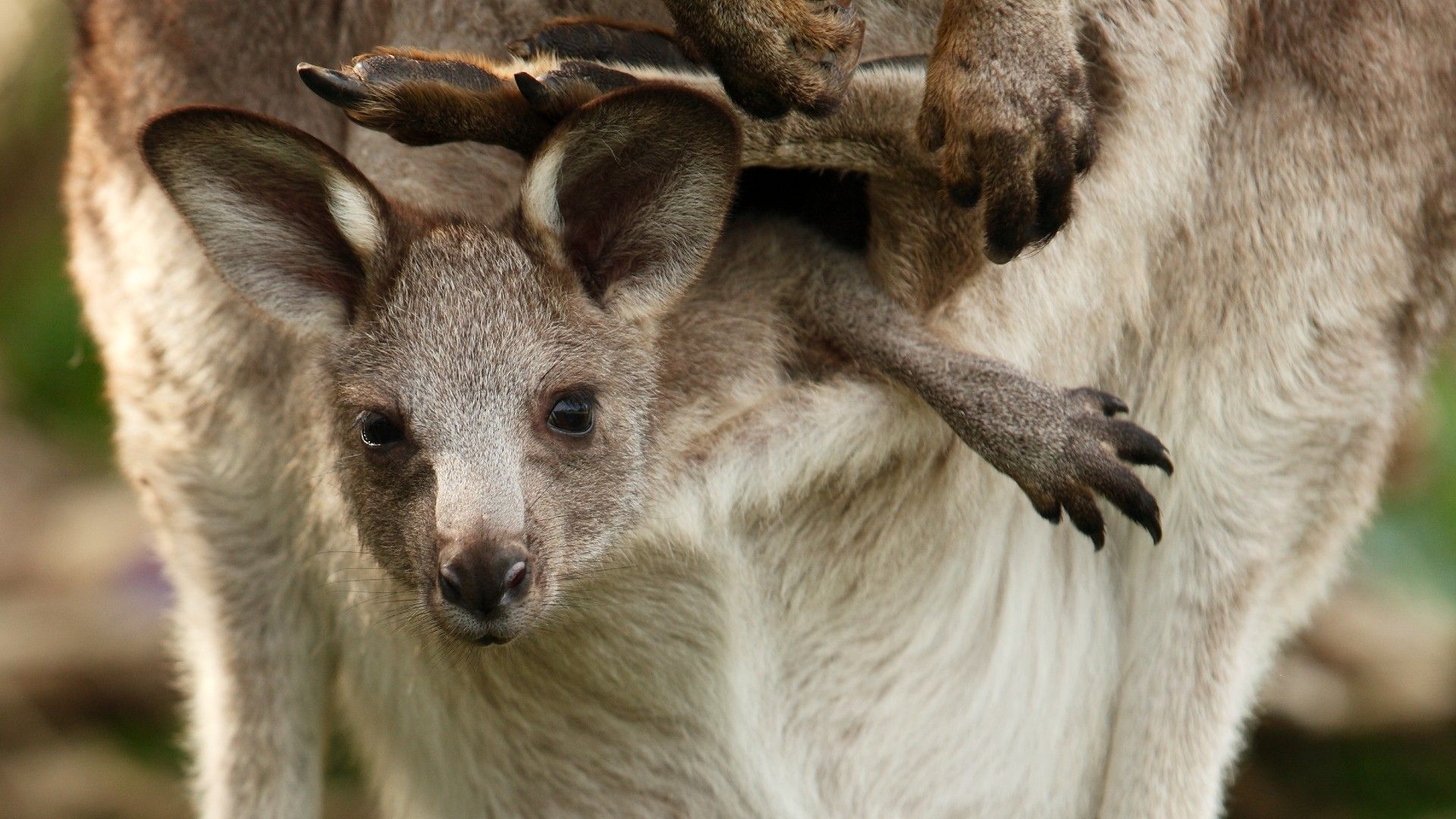
The kangaroo pouch, scientifically known as the marsupium, is a specialized anatomical structure that serves as an external womb for underdeveloped young, called joeys. It provides a controlled environment where the joey attaches to a...
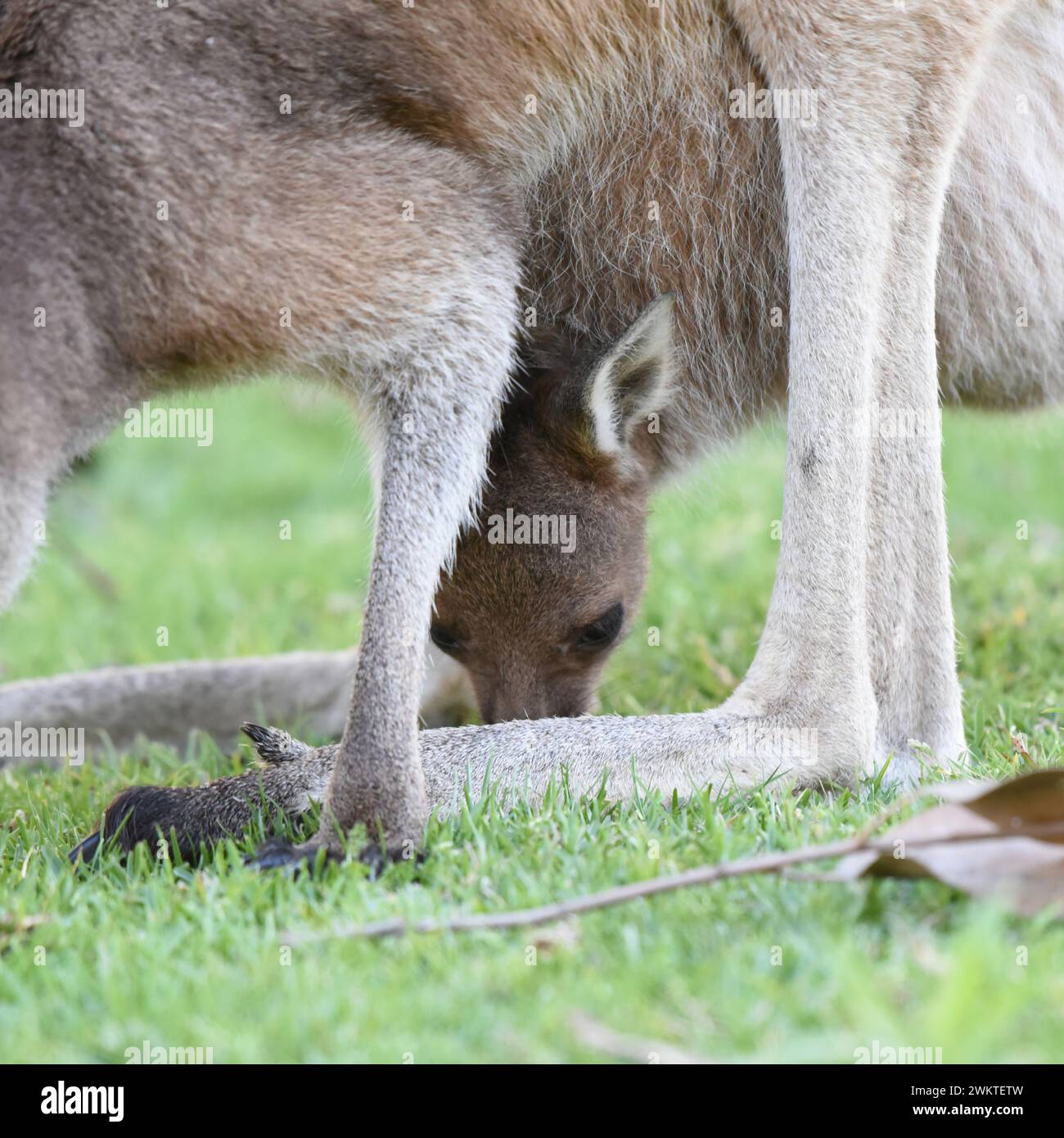
The kangaroo pouch, scientifically known as the marsupium, is a specialized anatomical structure that serves as an external womb for underdeveloped young, called joeys. It provides a controlled environment where the joey attaches to a teat, receives nutrient-dense milk, and completes its physical development over several months before becoming independent.
Contents
The Biological Purpose of the Marsupium
To understand the "joey pouch," one must first understand the unique reproductive strategy of marsupials. Unlike placental mammals, which carry their young internally for a prolonged gestation period, kangaroos give birth to extremely underdeveloped offspring. As of 2026, zoological consensus continues to highlight this "split" development—part internal, part external—as an evolutionary masterpiece for surviving the unpredictable Australian climate.
When a joey is born, it is roughly the size of a jellybean, weighing less than a gram. It is blind, hairless, and its hind legs are merely buds. However, its forelimbs are sufficiently developed to allow it to crawl through the mother’s fur and into the pouch. Once inside, the pouch becomes the joey's entire world. It is not merely a flap of skin; it is a complex, muscular organ equipped with mammary glands that produce different types of milk tailored to the joey’s specific stage of growth.
The pouch provides three critical functions:
- Thermoregulation: The internal temperature of the pouch is kept slightly higher than the mother's body temperature to support the joey's delicate metabolic needs.
- Protection: The muscular opening can be constricted by the mother to prevent the joey from falling out or to protect it from predators and environmental hazards.
- Nutrition: The pouch houses four teats, each capable of providing specialized milk formulas.
Inside the Pouch: Anatomy and Environment
The interior of a kangaroo pouch is not fur-lined, as many people assume. Instead, the lining is composed of bare skin that contains sweat glands. these glands secrete antimicrobial substances that help protect the joey from infections while its immune system is still developing.
Muscular Control and Structure
The opening of the pouch is ringed with sphincter muscles. The mother kangaroo has voluntary control over these muscles. She can pull the pouch tight against her body, effectively sealing it off, or loosen it to allow a larger joey to peer out or exit. This muscular control is vital when the mother is hopping at high speeds; without it, the centrifugal force could easily dislodge a heavy joey.
The Mammary System
Inside the pouch are four teats. A fascinating aspect of kangaroo biology is the ability to produce "asynchronous milk." If a mother has two joeys of different ages—one tiny "pinkie" and one larger joey that has started spending time outside the pouch—her body can produce two different types of milk simultaneously. The milk for the newborn is high in carbohydrates, while the milk for the older joey is higher in fats and proteins to support bone and muscle growth.
The Developmental Timeline of a Joey
The duration a joey spends in the pouch varies by species, but for the Red Kangaroo (Osphranter rufus), the process is a long-term commitment. The following table outlines the typical developmental milestones observed in 2026 for the major kangaroo species.
| Development Stage | Timing (Approximate) | Physical Characteristics | Pouch Activity |
|---|---|---|---|
| Neonatal | 0–4 weeks | Jellybean-sized, pink, blind | Permanently attached to the teat; cannot let go. |
| Growth Phase | 2–4 months | Developing fur, eyes open | Detaches from teat occasionally but stays inside. |
| First Peek | 5–6 months | Fully furred, ears active | Pokes head out; starts eating grass while in pouch. |
| Exploration | 7–8 months | Mobile, capable of hopping | "In and out" phase; returns to pouch for sleep/safety. |
| Weaning | 9–12 months | Independent | Permanent exit; may still reach in to drink milk. |
Maintenance and Hygiene of the Pouch
A common question regarding kangaroo biology is how the pouch remains clean, given that the joey lives, sleeps, and excretes waste inside it for months. The responsibility for hygiene falls entirely on the mother.
The mother kangaroo regularly cleans the pouch by inserting her muzzle and licking the interior. She removes dirt, urine, and fecal matter produced by the joey. Because the joey’s diet consists entirely of milk in the early months, its waste is relatively minimal, but as it begins to consume grass and water (while still returning to the pouch), the cleaning process becomes more frequent.
Interestingly, researchers have noted that the antimicrobial secretions from the mother's skin also play a role in breaking down waste and preventing the growth of harmful bacteria, ensuring the joey remains in a sterile-as-possible environment during its most vulnerable weeks.
Embryonic Diapause: The Pouch’s "Waiting List"
One of the most complex biological features related to the joey pouch is embryonic diapause. This is a reproductive strategy where the mother can essentially put a pregnancy on hold.
If a mother kangaroo becomes pregnant while she still has a young joey in the pouch, the new embryo will stop developing at the blastocyst stage. It will remain in a state of suspended animation until the current joey is old enough to leave the pouch or if the current joey unfortunately dies. This ensures that the pouch is never overcrowded and that the mother’s resources are not overextended. This biological mechanism allows kangaroos to quickly replace offspring in harsh environments, a topic of significant study in Australian wildlife conservation efforts.
Comparison of Marsupial Pouches
While the kangaroo pouch is the most famous, other marsupials have evolved different variations of the marsupium to suit their lifestyles.
- Wombats: Have backward-facing pouches. This prevents dirt from being kicked into the pouch while the mother is burrowing.
- Tasmanian Devils: Have a pouch that opens toward the rear and can house up to four joeys, though many more are born and must compete to reach the pouch.
- Koalas: Also have a rear-facing pouch, which is hypothesized to be an evolutionary holdover from their burrowing ancestors.
Common Myths and Misconceptions
Despite the wealth of information available, several myths persist regarding the joey pouch:
- The Pouch is a Simple Pocket: As established, it is a complex, muscular organ with a sophisticated blood supply and glandular system.
- Joeys Can "Choose" Their Mother: Joeys are strictly bonded to their biological mother through scent and vocalizations. A joey will rarely attempt to enter a different pouch, and if it does, the female will usually rebuff it.
- The Mother "Puts" the Joey in the Pouch: The mother provides a licked path through her fur to guide the newborn, but the joey must make the climb entirely on its own using its instincts.
Frequently Asked Questions
Does it hurt the kangaroo when the joey gets too big?
As the joey grows, it can weigh up to 20% of the mother's body weight. While the mother's muscles and spine are adapted for this load, a heavy joey eventually becomes a physical burden. This is usually the catalyst for the "weaning" phase, where the mother begins to discourage the joey from entering the pouch by pushing it away or tightening the pouch muscles.
Can a kangaroo have two joeys of different ages in the pouch?
Yes, this is common. A mother may have a "young-at-foot" joey that spends most of its time outside but returns to drink, and a smaller "pinkie" that is permanently attached to a different teat inside the pouch. Her body produces different milk for each.
What happens to the pouch if the joey dies?
If a joey is lost, the mother will clean the pouch thoroughly. Due to embryonic diapause, a "backup" embryo often begins developing immediately, allowing a new joey to occupy the pouch within a few weeks.
Is the inside of the pouch furred?
No, the inside is hairless skin. This allows for direct skin-to-skin contact between the joey and the mother, which is essential for heat transfer and allows the joey to easily locate the teats.
Can male kangaroos have pouches?
No, male kangaroos do not have pouches. The pouch is a specialized reproductive organ linked to the female’s mammary system and hormonal cycles.
Summary of Best Practices for Wildlife Observation
When observing kangaroos in the wild or at sanctuaries in 2026, it is important to remember that a female with a joey is highly protective. Disturbance can cause a mother to "eject" a joey if she feels she must flee at maximum speed to survive—a desperate survival instinct.
Recommended Action: If you encounter a kangaroo with a joey, maintain a distance of at least 15–20 meters. Use binoculars for a closer look at the pouch area. If you find an injured kangaroo or an orphaned joey, contact a registered wildlife rescue organization like WIRES immediately; do not attempt to remove a joey from a pouch yourself, as their attachment to the teat is semi-permanent in early stages and removal can cause fatal jaw damage to the joey.
Image Gallery