Choosing the Right Technician Anesthesia School: A Comprehensive Guide for Prospective Students
Choosing the right technician anesthesia school involves balancing accredited program offerings, clinical rotation availability, tuition costs, and regional certification requirements to align with your long-term career goals in periop...
Choosing the right technician anesthesia school involves balancing accredited program offerings, clinical rotation availability, tuition costs, and regional certification requirements to align with your long-term career goals in perioperative care.
Contents
Entering the field of anesthesia technology requires specialized education that bridges medical science, equipment management, and direct patient support. Whether you are aiming to become an Anesthesia Technician (AT) or an Anesthesia Technologist (ATT), the foundation of your career rests on the quality of the training program you complete. With numerous institutions offering certificate, diploma, and associate degree pathways, prospective students must carefully evaluate educational standards, clinical placement partnerships, and credentialing eligibility. Making an informed decision ensures that your investment of time and financial resources translates into a secure, respected, and legally compliant healthcare career.
Understanding the Landscape of Anesthesia Technology Education
Anesthesia technicians and technologists play a critical role in the surgical suite, working alongside anesthesiologists, nurse anesthetists (CRNAs), and surgical teams. They prepare, operate, and maintain anesthesia equipment, manage drug inventories, and assist during the induction and maintenance of patient anesthesia. Because patient safety depends directly on the proper functioning of equipment and sterile technique, formal education is no longer just a recommendation—it is a core requirement for professional advancement and credentialing.
Educational programs generally fall into two main categories: certificate programs and degree programs. Certificate or diploma programs are often accelerated, designed for individuals who already hold a background in healthcare (such as emergency medical technicians, surgical technologists, or nursing assistants). Associate of Applied Science (AAS) degrees, on the other hand, provide a comprehensive general education alongside specialized technical training, making them ideal for individuals entering healthcare for the first time.
When examining your options, you will encounter programs housed within community colleges, vocational-technical institutes, and specialized medical training centers. Each institutional type brings different resource levels, tuition rates, and scheduling flexibilities. Understanding your personal learning style, financial situation, and career timeline will guide you toward the right environment.
Key Factors to Evaluate in Anesthesia Technology Programs
Evaluating multiple training options requires a structured approach. Not all programs provide the same depth of instruction, nor do they all grant graduates the same eligibility for national board examinations. Below are the primary pillars you should investigate before submitting an application.
Accreditation and Program Standards
The single most important factor in choosing a school is its accreditation status. In the United States, training programs for anesthesia technologists and technicians are evaluated by the Commission on Accreditation of Allied Health Education Programs (CAAHEP), upon the recommendation of the Committee on Accreditation for the Anesthesia Technologist and Technician Education (CoAATT).
Attending a CAAHEP-accredited program ensures that the curriculum meets nationally recognized standards for safety, instruction, and clinical hours. Furthermore, graduation from a CAAHEP-accredited program is typically a strict prerequisite for sitting for the national certification examinations administered by the American Society of Anesthesia Technologists and Technicians (ASATT).
Curriculum Structure and Technical Scope
A rigorous curriculum must balance theoretical knowledge with hands-on technical skills. When reviewing course catalogs, look for comprehensive coverage of specific subject areas essential to the operating room environment.
- Anatomy, Physiology, and Pathophysiology: A deep understanding of human organ systems, particularly cardiovascular and respiratory physiology.
- Pharmacology: Study of anesthetic agents, adjunctive drugs, dosages, delivery mechanisms, and physiological responses.
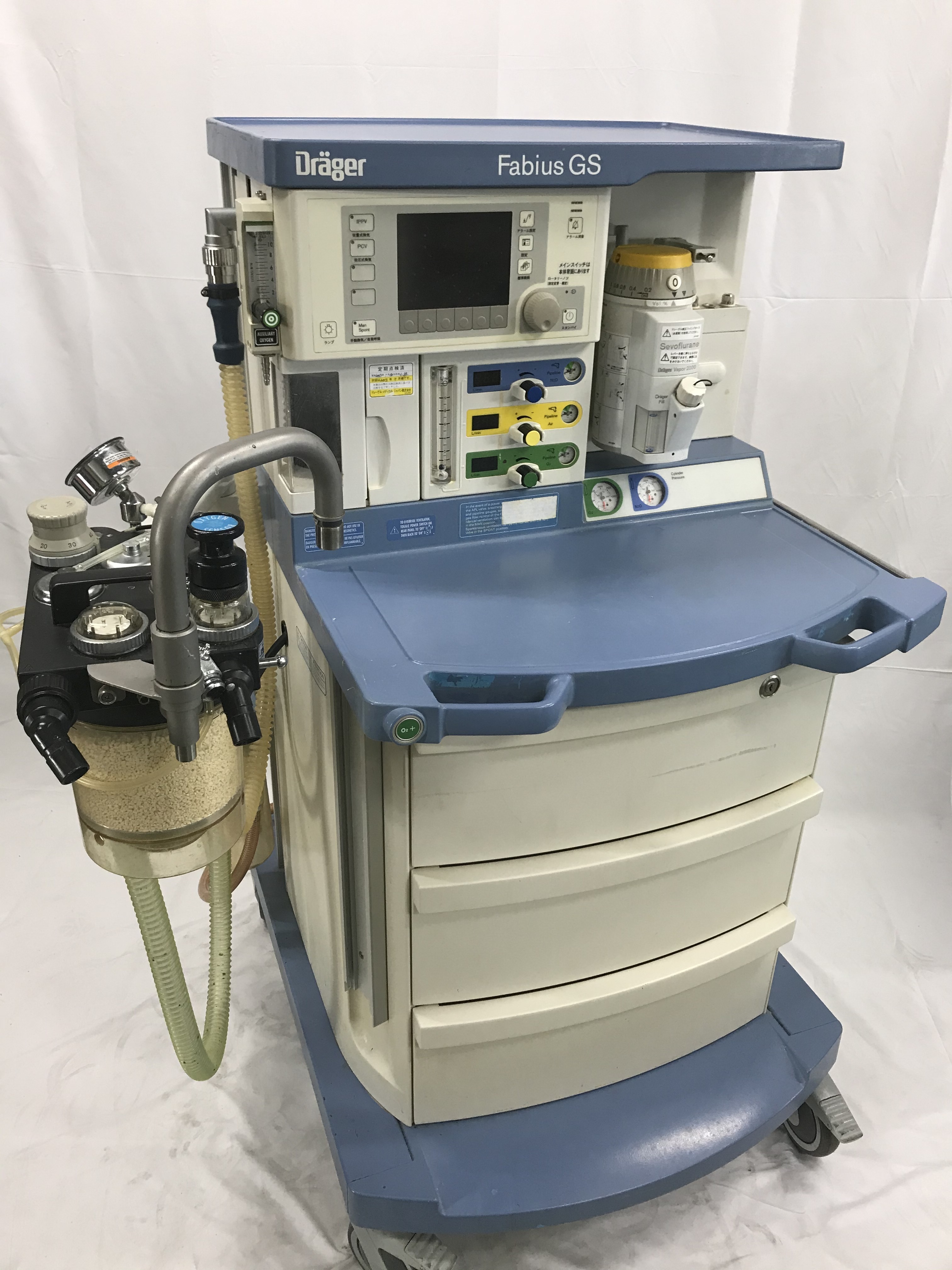
- Anesthesia Equipment Maintenance: Comprehensive training in the assembly, calibration, troubleshooting, and maintenance of anesthesia delivery systems, vaporizers, and monitors.
- Physics and Chemistry: Fundamental principles governing gas laws, pressure, and chemical reactions related to anesthesia administration.
- Aseptic Techniques and Safety: Strict adherence to infection control, hazardous material handling, and electrical safety in the surgical suite.
Clinical Rotation Quality and Placement
Classroom theory is only half of the educational equation. The quality of your clinical rotations will dictate your practical competence and professional network upon graduation. Prospective students must investigate how clinical sites are assigned. Are students required to find their own hospitals, or does the school maintain active affiliation agreements with major regional medical centers and level-one trauma units?
Ensure that the program guarantees enough clinical hours to meet ASATT eligibility requirements. A robust clinical rotation should expose you to diverse surgical specialties, including cardiothoracic, pediatric, obstetric, neurosurgical, and outpatient procedures.
Faculty Credentials and Student Support
Instructors should possess active professional credentials—such as Certified Anesthesia Technologists (Cer.A.T.T.)—alongside extensive real-world experience in the operating room. Low student-to-faculty ratios in laboratory settings are essential to ensure you receive adequate, hands-on supervision when handling complex medical equipment. Additionally, investigate support services such as tutoring, financial aid counseling, and career placement rates.
Comparing Program Pathways: Certificate vs. Associate Degree
| Feature | Certificate / Diploma Program | Associate of Applied Science (AAS) |
|---|---|---|
| Typical Duration | 12 to 18 months | 2 to 3 years (4-6 semesters) |
| Target Audience | Individuals with prior healthcare experience | First-time college students or career changers |
| General Education | Minimal or none | Includes English, math, psychology, and science |
| ASATT Eligibility | Qualifies if program is CAAHEP-accredited | Qualifies if program is CAAHEP-accredited |
| Career Advancement | Good entry-level preparation | Often provides stronger foundation for management roles |
Financial Planning, Tuition Costs, and Return on Investment
Pursuing specialized medical training requires a clear financial strategy. Tuition costs for anesthesia technician schools vary widely depending on whether the institution is public or private, in-state or out-of-state, and certificate- or degree-granting.
Beyond base tuition, students must budget for additional mandatory expenses:
- Textbooks and Digital Resources: Specialized medical and pharmacological texts.
- Clinical Requirements: Background checks, drug screenings, immunizations, mandatory health insurance, and CPR/BLS certification.
- Uniforms and Equipment: Medical scrubs, non-slip surgical footwear, and diagnostic tools.
- Credentialing Fees: ASATT membership and national board examination fees.
When calculating the return on investment (ROI), research regional employment data and entry-level salary expectations for certified personnel in your target market. Many hospitals offer tuition reimbursement programs or hiring bonuses for graduates of accredited anesthesia technology programs, which can significantly offset initial educational debts.
Navigating Certification and State-Specific Regulations
Graduating from a school is the first major milestone; securing professional credentials cements your employability. The ASATT offers two primary credentialing levels:
- Certified Anesthesia Technician (Cer.A.T.T.): Designed for individuals who have completed an accredited training program or met specific alternate eligibility pathways involving documented work experience.
- Certified Anesthesia Technologist (Cer.A.T.T. upgraded or Technologist level): Requires higher educational attainment, typically an associate degree or equivalent advanced training, coupled with comprehensive board examination scores.
While certification requirements vary by employer and state, holding an active national credential is the industry standard for risk management and professional credibility. Always verify that your chosen school's curriculum maps directly to the current ASATT examination blueprint.
Frequently Asked Questions
What is the difference between an Anesthesia Technician and an Anesthesia Technologist?
An Anesthesia Technician typically focuses on the preparation, maintenance, and troubleshooting of anesthesia equipment and basic inventory management. An Anesthesia Technologist possesses advanced education, often including a degree, and handles more complex physiological monitoring, leadership duties, clinical training of junior staff, and advanced technical support during high-risk surgical procedures.
Can I complete an anesthesia technician program entirely online?
No. While certain theoretical courses—such as medical terminology, anatomy, and pharmacology lectures—may be offered in an online format, anesthesia technology is an inherently hands-on profession. Comprehensive laboratory sessions and supervised clinical rotations inside actual hospital operating rooms are mandatory requirements for graduation and board eligibility.
Is certification mandatory to work in an operating room?
Certification is not federally mandated in every jurisdiction, but the vast majority of accredited hospitals and surgical centers require candidates to hold or quickly attain certification through the ASATT. Uncertified personnel often face limited hiring prospects, lower wage tiers, and restricted duties within the perioperative environment.
How do I verify if a school is properly accredited?
You can verify a program's accreditation status by visiting the official websites of the Commission on Accreditation of Allied Health Education Programs (CAAHEP) or the Committee on Accreditation for the Anesthesia Technologist and Technician Education (CoAATT). Always cross-reference the school's directory listing directly with these accrediting bodies rather than relying solely on marketing materials provided by the institution.
What background checks are required for clinical placement?
Hospitals maintain stringent compliance standards for anyone entering the sterile surgical suite. Students must successfully pass criminal background checks, multi-panel drug screenings, provide verified immunization records (including annual influenza and COVID-19 vaccinations where mandated), and maintain current Basic Life Support (BLS) certification for healthcare providers.
Next Steps for Prospective Students
Begin your journey by compiling a list of CAAHEP-accredited programs operating within your geographic region or institutions offering distance-hybrid models with local clinical partnerships. Contact admissions and program directors to request detailed curriculum sheets, clinical placement agreements, and recent board examination pass rates. Attend open houses or schedule campus tours to evaluate laboratory simulation facilities firsthand. By performing rigorous due diligence upfront, you will select a training program that safeguards your financial investment and prepares you for a rewarding career in modern surgical care.
Image Gallery