The History, Policy, and Public Intrigue Surrounding Kurt Cobain Autopsy Photographs
Official autopsy photographs of Nirvana frontman Kurt Cobain have never been publicly released by the Seattle Police Department. Decades after his tragic death in April 1994, public curiosity persists, driven by conspiracy theories and...
Official autopsy photographs of Nirvana frontman Kurt Cobain have never been publicly released by the Seattle Police Department. Decades after his tragic death in April 1994, public curiosity persists, driven by conspiracy theories and internet rumors. However, strict Washington state public records laws and strong legal protections championed by Courtney Love have successfully kept these sensitive images private.
Contents
Understanding the Public Fascination and Legal Reality
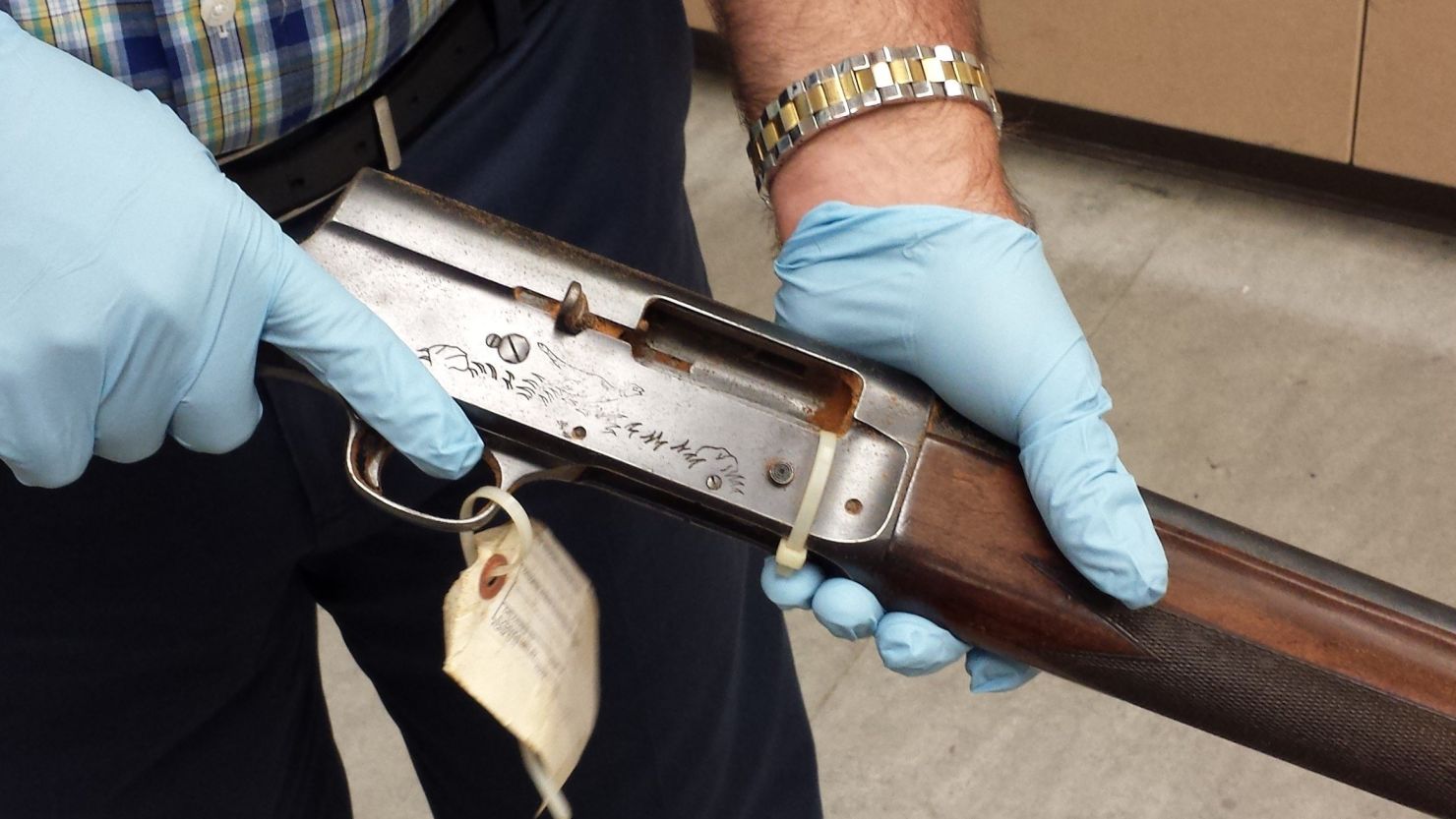
The death of Kurt Cobain on April 5, 1994, marked a devastating turning point in modern music history. As the leader of Nirvana, Cobain was an iconic voice of a generation, and his suicide at his Seattle home sent shockwaves across the globe. Almost immediately, an intense subculture of investigation, speculation, and conspiracy theories emerged. While official law enforcement agencies quickly concluded the death was a suicide resulting from a self-inflicted shotgun wound, skeptics and amateur sleuths demanded access to primary evidence, specifically focusing on the police files and autopsy photographs.
Despite the persistent demand from various independent investigators and tabloid media outlets, the complete visual record of the autopsy has remained strictly confidential. This confidentiality is not merely a matter of police discretion; it is anchored in state privacy laws and reinforced by the legal battles fought by Cobain's surviving family. Understanding the boundary between public interest and personal privacy requires examining how Washington state law governs police records, how media organizations have attempted to challenge these restrictions, and why the images continue to hold such a powerful, unattainable status in pop culture lore.
Washington State Public Records and Personal Privacy
The legal framework governing the accessibility of police and medical examiner files in Washington is rooted in the state's Public Records Act (PRA). While the PRA is designed to promote government transparency by granting citizens access to public agency documents, it also includes explicit exemptions designed to protect individual privacy and prevent the desecration of human dignity.
When an individual dies under suspicious or high-profile circumstances, investigative reports, toxicology screens, and preliminary notes often fall under different disclosure rules compared to graphic visual media. Under Washington law, photographs and video recordings depicting a person's body after death are treated with extreme sensitivity.
- Right to Privacy Exemption: State law allows agencies to withhold records when public disclosure would represent an unreasonable invasion of personal privacy.
- Family Protection Rights: Surviving family members possess legal standing to object to the release of graphic death images, arguing that publication inflicts severe emotional distress.
- Medical Examiner Discretion: Forensic pathologists and county coroners maintain strict control over photographic evidence generated during post-mortem examinations.
- Law Enforcement Custody: The Seattle Police Department (SPD) retains physical and digital custody of the case files, ensuring they are not integrated into general, easily accessible public archives.
Media Challenges and Legal Precedents
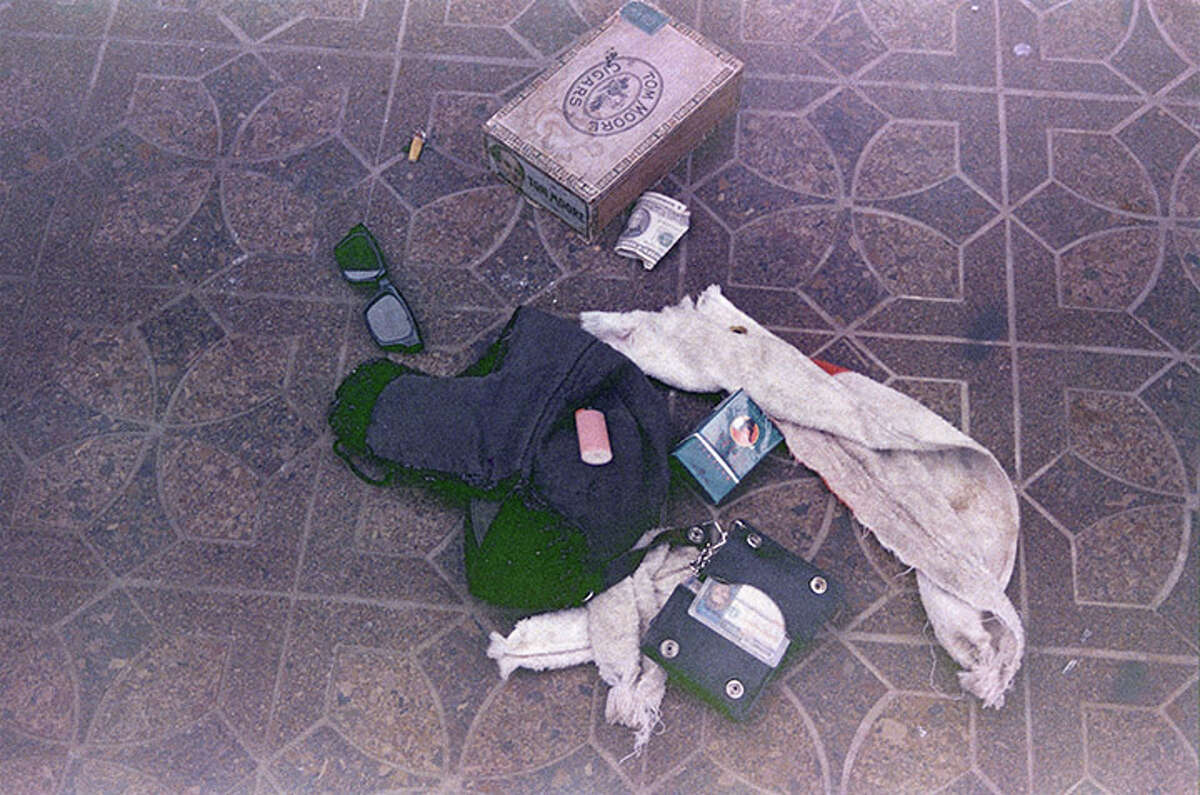
Over the years, media organizations, independent documentary filmmakers, and conspiracy researchers have filed numerous public records requests to obtain unredacted police files, including the roll of film shot at the scene and the autopsy photographs. These requests have consistently been denied by the Seattle Police Department and municipal legal representatives.
Legal battles in Washington have repeatedly reaffirmed that the public's right to know does not extend to the unauthorized publication of graphic post-mortem images. Courts have weighed the historical significance of a celebrity's death against the constitutional and statutory privacy rights of the decedent's family. In the case of Kurt Cobain, Courtney Love and members of the Cobain family successfully utilized legal safeguards to prevent the commercial exploitation or public exhibition of sensitive investigative materials.
| Requestor Type | Target Material | Legal Outcome | Primary Basis for Decision |
|---|---|---|---|
| Tabloid Media | Crime Scene Photos | Denied | Violation of privacy and public decency standards |
| Independent Researchers | Full Autopsy Report | Partially Released (Redacted) | Statutory protection of sensitive medical data |
| Documentary Filmmakers | Unedited Audio/Video | Denied | Protection against emotional harm to surviving family |
| Freedom of Information Advocates | Complete Case File | Restricted Access | Ongoing investigative file exemptions and privacy clauses |
Distinguishing Fact from Fiction in the Digital Age
The proliferation of the internet has created an environment where misinformation spreads rapidly. Over the past three decades, numerous images have surfaced on message boards, social media platforms, and dark web forums claiming to be the authentic autopsy photographs of Kurt Cobain. Forensic and digital verification analyses have repeatedly proven that these circulating images fall into distinct categories of fabrication.
Common Misidentifications and Fakes
- Staged Reenactments: Independent filmmakers and graphic artists have occasionally created dramatic reconstructions of the scene for television specials or true-crime documentaries, which viewers frequently mistake for real archival evidence.
- Unrelated Forensic Cases: Images from entirely different medical examiner cases, textbooks, or foreign crime scenes are frequently rebranded with deceptive captions to generate web traffic and clickbait revenue.
- AI-Generated Fabrications: Modern generative artificial intelligence tools have introduced a new wave of synthetic imagery, producing convincing but entirely fraudulent visual depictions of historical events.
Official documents that are legally accessible—such as the toxicology report, the police incident reports, and the coroner's summary—provide a definitive scientific record. These documents outline the presence of high levels of heroin and Valium in Cobain's bloodstream, alongside the physical trauma associated with the 20-gauge shotgun wound. However, the visual evidence remains securely archived within law enforcement vaults.
Ethical Dilemmas in True Crime and Celebrity Death Culture
The ongoing obsession with acquiring graphic images of deceased celebrities highlights a broader ethical debate within modern media consumption and true-crime culture. As public interest shifts toward digital sleuthing, the boundaries separating public accountability from voyeurism frequently blur.
| Ethical Dimension | Perspective of Investigators & Archivists | Perspective of Ethics Scholars & Family |
|---|---|---|
| Historical Transparency | Complete transparency ensures absolute public trust in official rulings and prevents institutional cover-ups. | Historical accountability can be achieved through written reports without relying on graphic visual exploitation. |
| Family Impact | Public figures belong to history, and their private tragedies become matters of intense public record. | Surviving relatives retain a fundamental human right to grieve without enduring public trauma or spectacle. |
| Digital Permanence | Information should flow freely in an open society without government censorship or gatekeeping. | Unrestricted digital access to graphic content creates permanent psychological wounds and normalizes morbid sensationalism. |
When evaluating the legacy of Kurt Cobain, the emphasis within musical and cultural discourse has progressively shifted away from the morbid details of his final hours and toward his enduring artistic contributions. Nirvana's catalog, including landmark albums like Nevermind and In Utero, continues to define alternative rock, overshadowing the sensationalist narratives that often dominate internet forums.
Conclusion and Responsible Information Seeking
The enduring unavailability of Kurt Cobain autopsy photographs serves as a legal and ethical boundary protecting personal dignity in death. While public curiosity regarding high-profile tragedies remains a fixture of contemporary media culture, Washington state law and familial protections ensure that these sensitive records remain private. Researchers, fans, and historians seeking to understand the events of April 1994 must rely on verified public records, official investigative summaries, and the extensive body of musical work Cobain left behind, rather than unverified digital myths.
Image Gallery