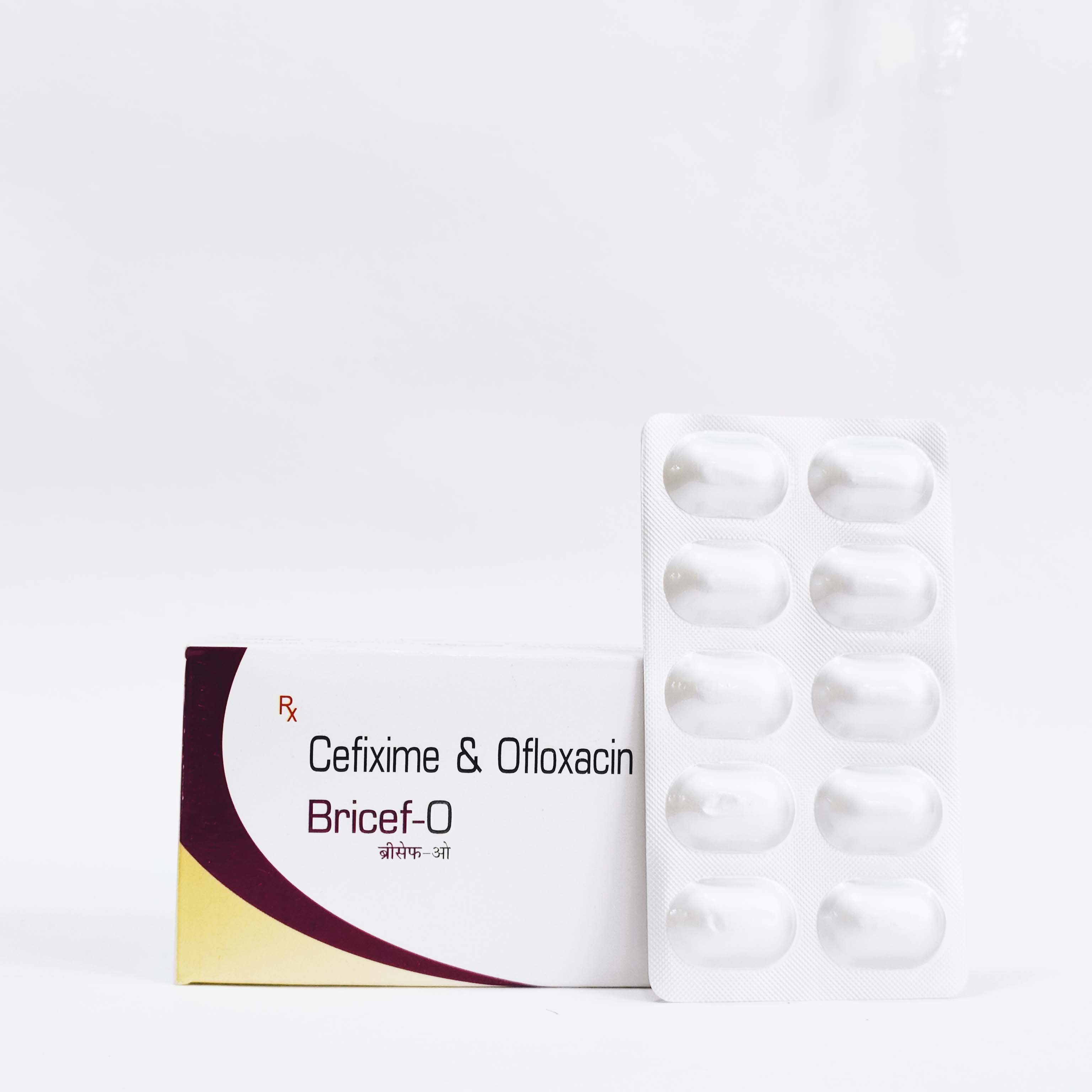
Common Uses of Cefixime: Indications, Dosage, and Clinical Applications
Cefixime is a potent third-generation cephalosporin antibiotic used primarily to treat a variety of bacterial infections. As of 2026, it remains a cornerstone of outpatient antimicrobial therapy, particularly for respiratory tract infe...
Cefixime is a potent third-generation cephalosporin antibiotic used primarily to treat a variety of bacterial infections. As of 2026, it remains a cornerstone of outpatient antimicrobial therapy, particularly for respiratory tract infections, uncomplicated urinary tract infections (UTIs), and middle ear infections (otitis media). By inhibiting bacterial cell wall synthesis, cefixime effectively neutralizes susceptible Gram-negative and some Gram-positive bacteria, providing a reliable oral alternative to intravenous therapies.
Contents
Understanding Cefixime: Mechanism of Action
Cefixime functions as a bactericidal agent, meaning it actively kills bacteria rather than merely inhibiting their growth. It belongs to the third-generation cephalosporin class, which is distinguished from first- and second-generation predecessors by its enhanced stability against beta-lactamase enzymes. These enzymes are produced by many bacteria to defend against antibiotics like penicillin and earlier cephalosporins.
The primary mechanism involves the inhibition of peptidoglycan synthesis. Peptidoglycan is a critical structural component of the bacterial cell wall. Cefixime binds to specific penicillin-binding proteins (PBPs) located inside the bacterial cell wall. This binding prevents the cross-linking of peptidoglycan chains, leading to structural instability. As the bacterial cell attempts to divide or maintain its integrity, the weakened wall ruptures due to osmotic pressure, resulting in bacterial cell death (lysis).
In the clinical landscape of 2026, cefixime is particularly valued for its extended spectrum of activity against Gram-negative organisms, including Haemophilus influenzae, Moraxella catarrhalis, and various Enterobacteriaceae. While it is less active against Staphylococcus aureus than first-generation cephalosporins, its efficacy against Streptococcus pneumoniae and Streptococcus pyogenes makes it a versatile tool for common community-acquired infections.
Primary Common Uses of Cefixime
Cefixime is FDA-approved for several specific indications. Its use is generally reserved for infections where the causative pathogen is known or highly suspected to be susceptible.
1. Respiratory Tract Infections
One of the most frequent uses of cefixime is in the management of upper and lower respiratory tract infections.
- Acute Bronchitis and Chronic Bronchitis Exacerbations: Cefixime is highly effective against Streptococcus pneumoniae and Haemophilus influenzae (including beta-lactamase-producing strains). In patients with chronic obstructive pulmonary disease (COPD) who experience acute bacterial exacerbations, cefixime helps reduce the bacterial load and accelerate recovery.
- Pharyngitis and Tonsillitis: While penicillin remains the first-line treatment for Group A Streptococcal (GAS) pharyngitis, cefixime is a robust alternative for patients who cannot tolerate penicillins or in cases where previous treatments have failed. It is effective in eradicating Streptococcus pyogenes from the nasopharynx, reducing the risk of rheumatic fever.
2. Urinary Tract Infections (UTIs)
Cefixime is frequently prescribed for uncomplicated urinary tract infections, typically involving the bladder (cystitis). It is particularly useful when the infection is caused by Escherichia coli or Proteus mirabilis.
Unlike some other oral antibiotics that have seen rising resistance rates, cefixime remains effective against many multi-drug resistant Gram-negative rods found in the urinary tract. However, it is generally not the first-line choice for pyelonephritis (kidney infection) unless susceptibility is confirmed via culture, as other agents may achieve better penetration in the renal parenchyma.
3. Otitis Media (Middle Ear Infections)
In pediatric medicine, cefixime in oral suspension form is a standard treatment for acute otitis media. It targets the three most common bacterial causes of ear infections: Streptococcus pneumoniae, Haemophilus influenzae, and Moraxella catarrhalis. Its once-daily or twice-daily dosing schedule significantly improves compliance in children compared to antibiotics requiring three or four doses per day.
Specialized and Off-Label Applications
Beyond the most common indications, cefixime plays a critical role in treating specific, more complex conditions.
Treatment of Gonorrhea
Historically, cefixime was a first-line oral treatment for uncomplicated gonococcal infections (Gonorrhea). Due to the emergence of antibiotic-resistant Neisseria gonorrhoeae, clinical guidelines in 2026 emphasize the use of injectable ceftriaxone. However, cefixime (usually at a high dose of 800 mg) remains an important alternative for patients who have a phobia of needles or when injectable options are unavailable. It is often administered in combination with other antibiotics (like azithromycin or doxycycline) to cover potential co-infection with Chlamydia.
Typhoid Fever (Enteric Fever)
In many parts of the world, Salmonella Typhi (the cause of typhoid fever) has developed resistance to older drugs like ampicillin and chloramphenicol. Cefixime has emerged as a vital oral option for treating multi-drug resistant typhoid fever, especially in outpatient settings or in regions with limited healthcare infrastructure. It is particularly effective in children and has been shown to reduce the duration of fever and prevent complications.
Dosage and Administration Guidelines
Cefixime is available in several oral formulations: film-coated tablets (200 mg and 400 mg), capsules (400 mg), and oral suspension (usually 100 mg/5 mL or 200 mg/5 mL).
| Indication | Adult Dosage | Pediatric Dosage (6 months+) |
|---|---|---|
| Uncomplicated UTI | 400 mg once daily or 200 mg every 12h | 8 mg/kg/day as a single or divided dose |
| Acute Bronchitis | 400 mg once daily or 200 mg every 12h | 8 mg/kg/day as a single or divided dose |
| Pharyngitis/Tonsillitis | 400 mg once daily or 200 mg every 12h | 8 mg/kg/day as a single or divided dose |
| Otitis Media | 400 mg once daily or 200 mg every 12h | 8 mg/kg/day (Suspension is preferred) |
| Uncomplicated Gonorrhea | 800 mg as a single oral dose | Not typically indicated for children |
Important Administration Tips
- Absorption: Cefixime can be taken with or without food. However, taking it with food may help decrease potential gastrointestinal upset.
- Suspension Stability: The oral suspension must be shaken well before each use. Once reconstituted by a pharmacist, it typically remains stable at room temperature or in the refrigerator for 14 days.
- Renal Adjustment: In patients with significant renal impairment (creatinine clearance < 20 mL/min), the dosage must be reduced, typically to 200 mg once daily, to prevent drug accumulation and toxicity.
Potential Side Effects and Safety Considerations
While cefixime is generally well-tolerated, users should be aware of potential adverse reactions. The most common side effects are gastrointestinal in nature.
- Gastrointestinal Distress: Diarrhea is the most frequently reported side effect (occurring in approximately 15-20% of patients). Nausea, abdominal pain, and dyspepsia may also occur.
- Hypersensitivity Reactions: Like all beta-lactams, cefixime can cause allergic reactions ranging from mild skin rashes and urticaria (hives) to severe anaphylaxis. Patients with a history of severe immediate hypersensitivity to penicillin should exercise extreme caution, as there is a risk of cross-reactivity (estimated at 1-10%).
- Clostridioides difficile-Associated Diarrhea (CDAD): As a broad-spectrum antibiotic, cefixime can disrupt the normal flora of the colon, leading to an overgrowth of C. difficile. This can result in severe, life-threatening colitis. Patients should seek medical attention if they develop persistent, watery, or bloody diarrhea.
- Hematologic Effects: Rarely, cephalosporins can cause transient changes in blood counts, such as leukopenia, thrombocytopenia, or eosinophilia.
Drug Interactions
Cefixime has relatively few major drug interactions. However, it can increase the effect of anticoagulants like Warfarin, leading to an increased Prothrombin Time (PT) or International Normalized Ratio (INR). Patients on blood thinners should be monitored closely when starting or stopping cefixime. Additionally, some studies suggest that carbamazepine levels may increase when taken concurrently with cefixime.
Antibiotic Stewardship and 2026 Trends
As we navigate 2026, the primary challenge in antibiotic therapy is the rise of antimicrobial resistance. Cefixime is a "Watch" group antibiotic according to the World Health Organization (WHO) classification. This means it should be used judiciously for specific indications to preserve its effectiveness.
Overuse of third-generation cephalosporins can drive the selection of Extended-Spectrum Beta-Lactamase (ESBL) producing organisms. These "superbugs" are resistant to most cephalosporins and penicillins, making infections much harder to treat. To combat this, healthcare providers are encouraged to:
- Perform culture and sensitivity testing before initiating therapy whenever possible.
- Prescribe the shortest effective duration of therapy.
- Educate patients on the importance of completing the full course of antibiotics, even if they feel better after a few days.
Frequently Asked Questions
Can cefixime treat a viral cold or the flu?
No. Cefixime is an antibiotic and is only effective against bacterial infections. It has no effect on viruses, such as those that cause the common cold, influenza, or COVID-19. Using antibiotics for viral infections contributes to antibiotic resistance and exposes the patient to unnecessary side effects.
Is cefixime safe to take during pregnancy?
Cefixime is generally considered safe during pregnancy (formerly categorized as FDA Pregnancy Category B). Animal studies have shown no evidence of harm to the fetus, but there are no adequate, well-controlled studies in pregnant women. It should be used during pregnancy only if clearly needed and prescribed by a physician. Cefixime is also excreted in breast milk in small amounts; nursing mothers should consult their doctor.
What should I do if I miss a dose?
If you miss a dose of cefixime, take it as soon as you remember. However, if it is almost time for your next scheduled dose, skip the missed dose and resume your regular dosing schedule. Do not double the dose to catch up, as this can increase the risk of side effects.
How long does it take for cefixime to start working?
Most patients begin to feel an improvement in symptoms within 24 to 48 hours of starting cefixime. However, it is essential to finish the entire prescribed course, even if symptoms disappear, to ensure the infection is completely eradicated and to prevent the development of resistant bacteria.
Practical Recommendation
When prescribed cefixime, ensure you provide your healthcare provider with a complete medical history, especially regarding allergies to penicillin or other cephalosporins. Monitor for changes in bowel habits and report any severe diarrhea or signs of an allergic reaction (rash, swelling, difficulty breathing) immediately. For the best therapeutic outcome, take the medication at the same time each day to maintain consistent levels in the bloodstream. Always utilize local pharmacy consultation services to confirm that your specific formulation (tablet vs. suspension) is administered correctly for the intended recipient.
Image Gallery