Understanding the Johnnie Walker Label Levels: A Comprehensive Guide to Every Color
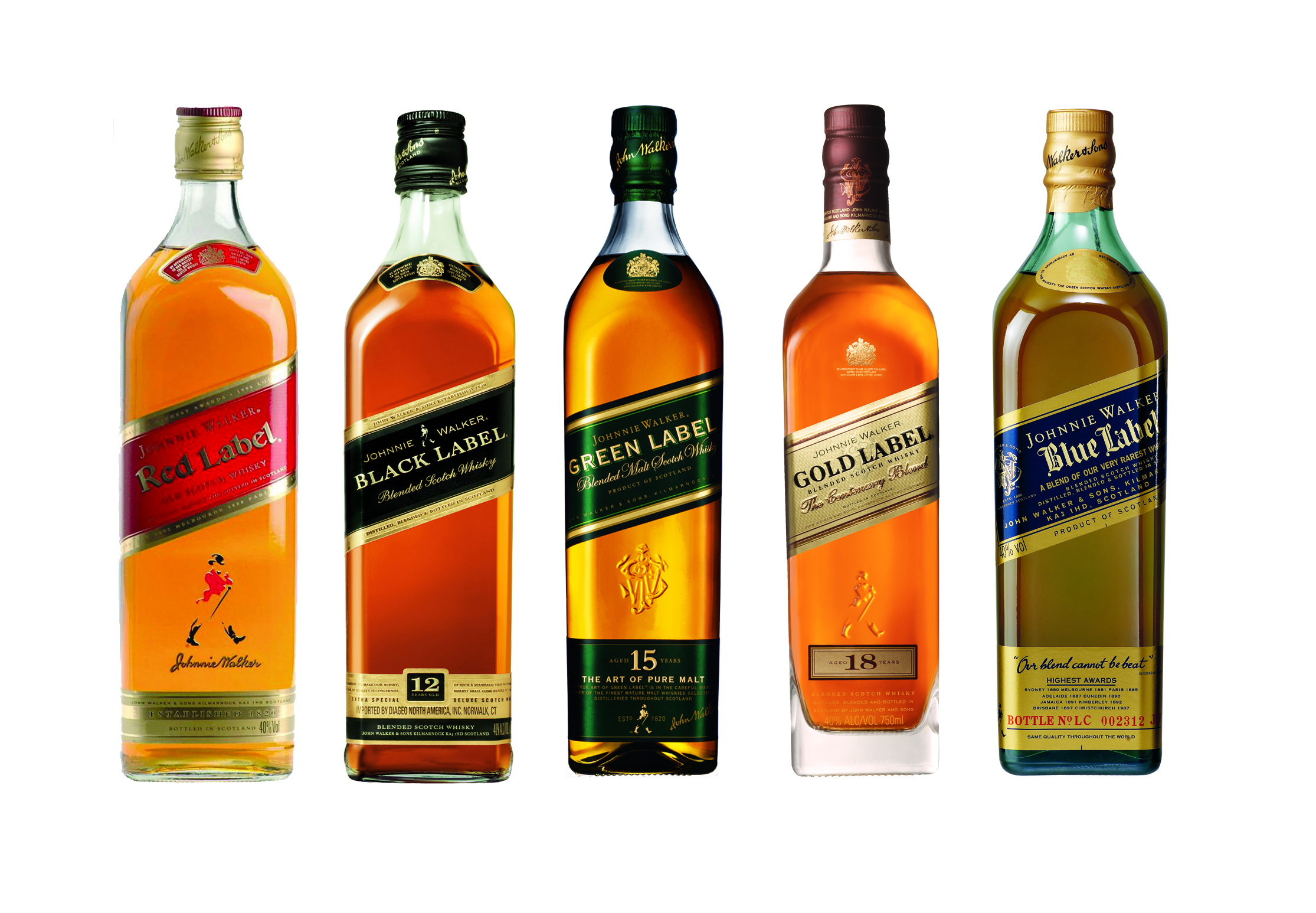
Understanding the Johnnie Walker label levels involves navigating a color-coded hierarchy ranging from the versatile Red Label to the prestigious Blue Label. Each tier represents a specific blend of malt and grain whiskies, categorized...
Understanding the Johnnie Walker label levels involves navigating a color-coded hierarchy ranging from the versatile Red Label to the prestigious Blue Label. Each tier represents a specific blend of malt and grain whiskies, categorized by age, rarity, and flavor profile—moving from vibrant mixers to complex, aged sipping spirits.
Contents
For over two centuries, Johnnie Walker has maintained its position as the world’s most widely distributed Scotch whisky. The brand’s success is rooted in its iconic "striding man" logo and a color-coded labeling system that simplifies the complex world of Scotch for consumers. While the colors may seem like simple marketing, they denote significant differences in production methods, maturation periods, and the scarcity of the constituent whiskies.
As of 2026, the core portfolio remains a benchmark for the industry, balancing tradition with modern blending techniques. To truly appreciate the lineup, one must understand the distinction between the "standard" expressions and the "premium" icons that define the brand.
The Art and Science of the Johnnie Walker Blend
Before diving into specific colors, it is essential to understand what makes Johnnie Walker a "Blended Scotch." Unlike a single malt, which is the product of one distillery using only malted barley, a blend combines various single malts with grain whiskies from multiple distilleries.
The Master Blender's role is to ensure consistency. Because individual casks of whisky age differently, the blender must adjust the "recipe" for every batch of Black Label or Gold Label to ensure it tastes exactly like the bottle purchased a decade ago. This process involves managing thousands of casks from across Scotland’s four main regions: the Highlands, Lowlands, Speyside, and Islay.
Blended Scotch vs. Blended Malt
In the Johnnie Walker hierarchy, most labels are Blended Scotch Whiskies (a mix of malt and grain). However, the Green Label is a Blended Malt, meaning it contains only single malts from different distilleries, with no grain whisky added. This distinction significantly impacts the texture and intensity of the spirit.
Johnnie Walker Red Label: The Vibrant Entry Point
Johnnie Walker Red Label is the most accessible bottle in the collection and the world’s best-selling Scotch. It was originally created by George and Alexander Walker in 1909 to be a "bold, characterful whisky" that could cut through mixers.
Profile and Best Use
Red Label is a No Age Statement (NAS) whisky, meaning the youngest spirits in the blend are generally at least three years old, but the focus is on vibrancy rather than maturity. It is known for its spicy, smoky, and slightly sweet profile. On the palate, it delivers notes of cinnamon, fresh black pepper, and a hint of fruity sweetness, followed by a signature smoky finish characteristic of Johnnie Walker.
In the 2026 market, Red Label remains the primary choice for highball cocktails. Because of its bold spice, it does not get "lost" when mixed with ginger ale, soda water, or cola. It is rarely recommended for neat sipping by connoisseurs, as the youthful grain whiskies can provide a sharper alcohol "burn" compared to the higher tiers.
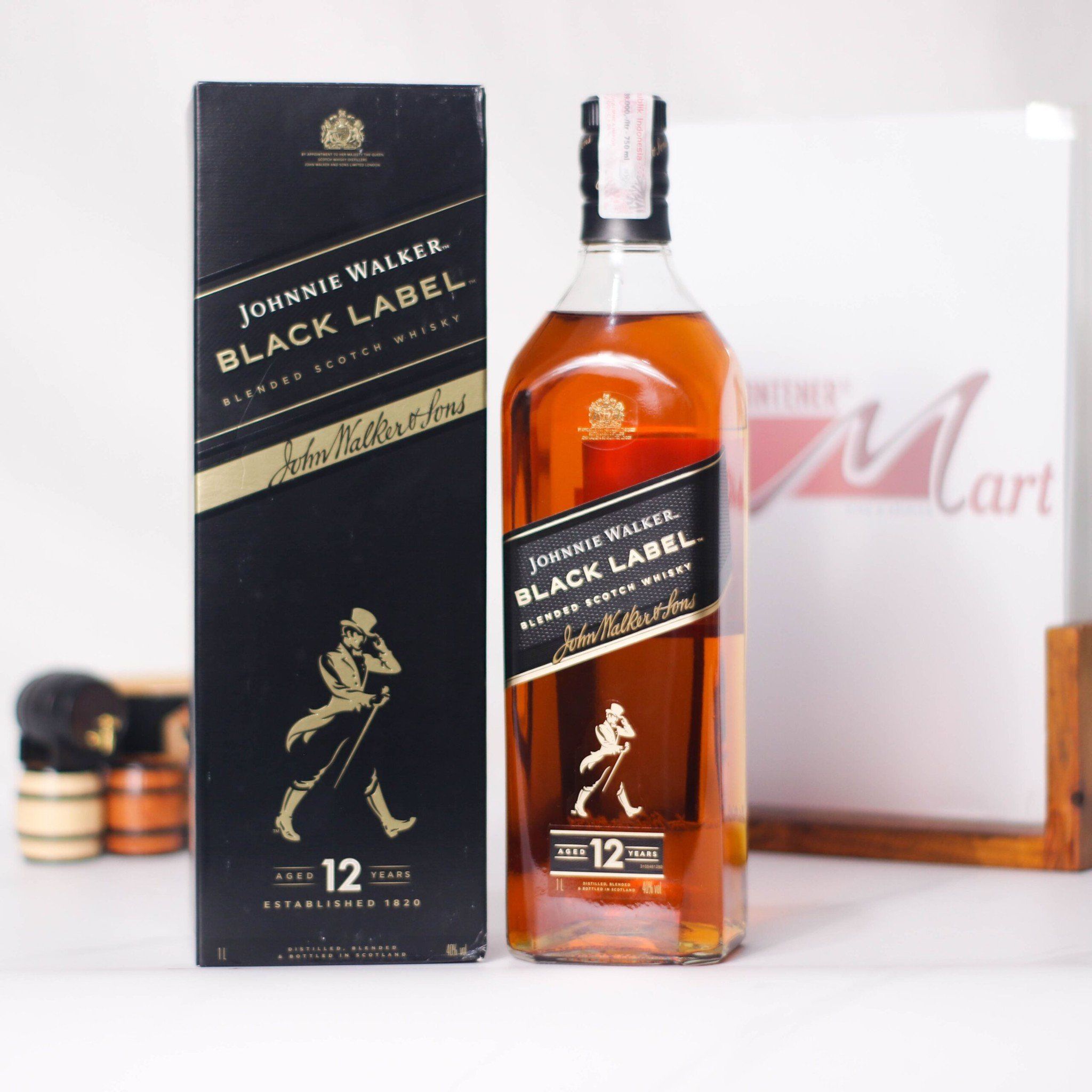
Johnnie Walker Black Label: The 12-Year-Old Benchmark
Often cited as the "gold standard" of blended Scotch, Black Label is a significant step up in complexity. Every whisky included in this blend has been aged for a minimum of 12 years.
The Flavor Architecture
Black Label uses roughly 40 different whiskies in its composition. The core of its flavor comes from Islay malts (providing peat and smoke) and Speyside malts (providing dark fruit and sherry notes).
- Aroma: Hints of dried fruit, vanilla, and citrus.
- Palate: Rich, smooth, and creamy with layers of sweet toffee and oak.
- Finish: Long, warming, and distinctly smoky.
Johnnie Walker Double Black
Introduced as a more intense sibling to the classic Black Label, Double Black does not carry an age statement. Instead, it focuses on "intensity." It uses a higher proportion of Islay whiskies and whiskies aged in "deeply charred" casks. The result is a profile that is significantly smokier and more medicinal than the standard Black Label, aimed at those who enjoy the campfire-ash characteristics of Islay single malts like Caol Ila or Lagavulin.
Johnnie Walker Green Label: The Blended Malt Outlier
The Green Label occupies a unique space in the lineup. It was discontinued globally for a brief period in the early 2010s (except in Taiwan) before being brought back due to popular demand. As a 15-year-old Blended Malt, it offers a purity of flavor that the grain-inclusive blends lack.
The Four Key Malts
Green Label is crafted from a palette of only four signature single malts:
- Talisker: Provides power, pepper, and sea salt.
- Linkwood: Adds floral notes and garden fruitiness.
- Cragganmore: Contributes a malty, sweet, and herbal complexity.
- Caol Ila: Introduces a refined, maritime smoke.
The absence of grain whisky makes Green Label feel "chewier" and more robust on the tongue. It is widely considered by enthusiasts to be the best value-for-money bottle in the entire Johnnie Walker range.
Johnnie Walker Gold Label Reserve and 18 Year Old
Moving into the premium tiers, the focus shifts from "smoke and spice" to "luxury and texture."
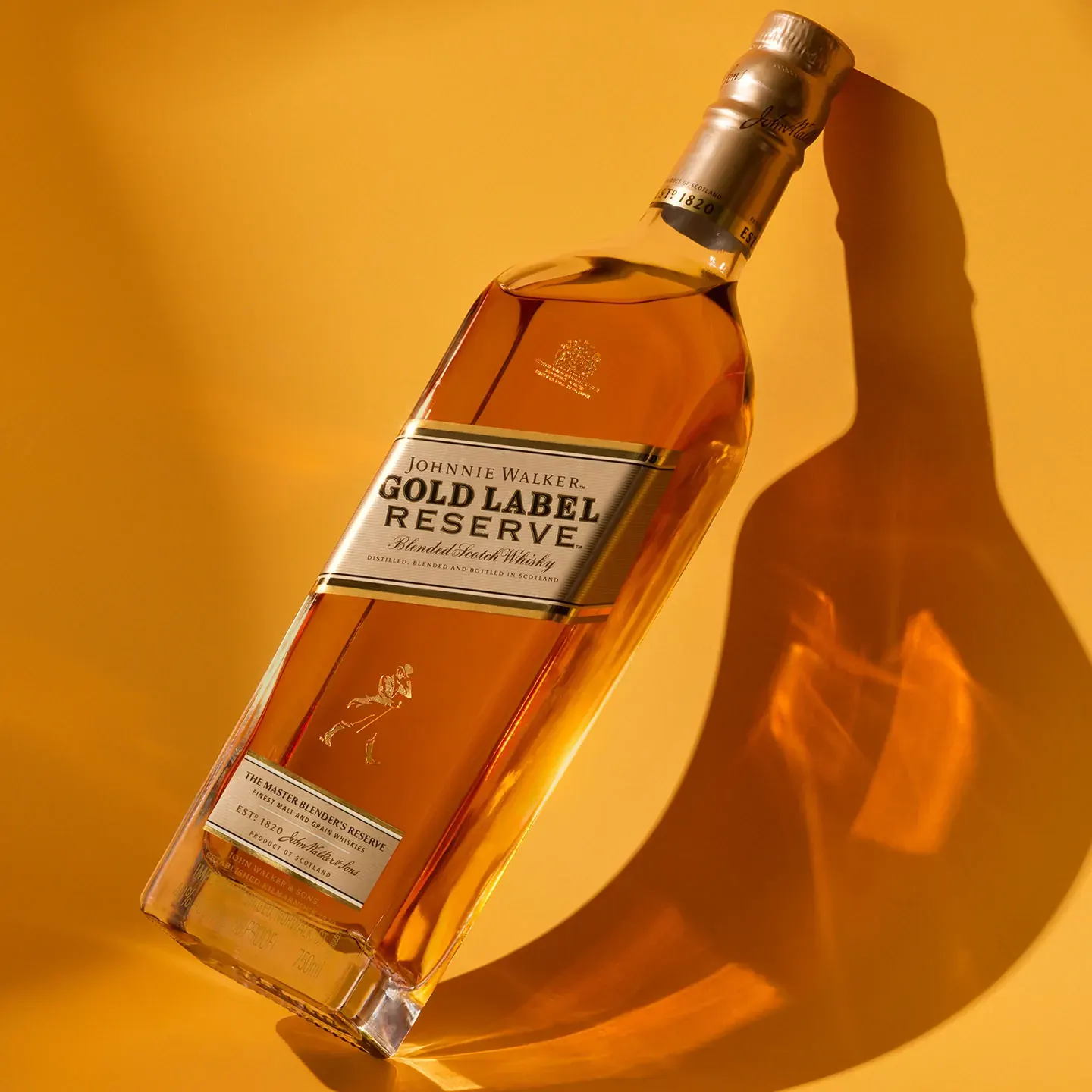
Gold Label Reserve
Gold Label Reserve is a No Age Statement blend designed for celebration. It is famous for its creamy, honeyed texture. The lead malt in this blend is often Clynelish, known for its "waxy" mouthfeel.
- Serving Suggestion: Traditionally, Gold Label Reserve is recommended to be served "extra cold." Placing the bottle in the freezer for a few hours before serving thickens the texture, making the honey and vanilla notes more pronounced on the palate.
Johnnie Walker 18 Year Old (Formerly Platinum Label)
For those seeking a specific age statement in the luxury category, the 18 Year Old is the choice. It was originally launched as Platinum Label but was rebranded to highlight its maturity. This blend is sophisticated and understated, featuring notes of stewed fruit, malt cereal, and a very soft, wispy smoke. It is designed for slow, neat sipping at the end of a meal.
Johnnie Walker Blue Label: The Pinnacle of Blending
Blue Label is the most famous luxury Scotch in the world. It does not carry an age statement, which often surprises new collectors. However, the brand justifies this by focusing on rarity.
The "1 in 10,000" Claim
The Master Blender selects casks based on their exceptional character, claiming that only one in every 10,000 casks in the Diageo reserves (which are the largest in Scotland) is of sufficient quality to make the Blue Label cut. This includes whiskies from "Ghost" distilleries—sites that have long since closed down, such as Port Ellen or Brora.
The Experience
Blue Label is engineered for maximum smoothness. It lacks the aggressive spice of Red or the heavy peat of Double Black. Instead, it offers a multi-layered experience:
- Initial Palate: Hazelnuts, honey, and orange.
- Mid Palate: Sandalwood, ginger, and dark chocolate.
- Finish: An incredibly long, soft, and tapering smoke that lingers without being harsh.
In 2026, Blue Label continues to be the preferred choice for corporate gifting and milestone celebrations, though it faces stiff competition from high-end single malt expressions.
Comparison of Johnnie Walker Label Levels
The following table provides a quick reference for comparing the core range based on age, type, and primary flavor characteristics.
| Label Color | Type | Age Statement | Primary Flavor Profile | Recommended Use |
|---|---|---|---|---|
| Red Label | Blended Scotch | NAS | Spicy, peppery, light smoke | Highballs and Mixing |
| Black Label | Blended Scotch | 12 Years | Balanced, fruity, smooth smoke | Neat, Ice, or Cocktails |
| Double Black | Blended Scotch | NAS | Intensely smoky, charred oak | Neat or with a splash of water |
| Green Label | Blended Malt | 15 Years | Forest fruits, sea salt, pepper | Neat or a few drops of water |
| Gold Label | Blended Scotch | NAS | Honey, vanilla, creamy texture | Frozen/Chilled or Neat |
| 18 Year Old | Blended Scotch | 18 Years | Rich fruit, dark toffee, elegant | Neat |
| Blue Label | Blended Scotch | NAS (Rare) | Multi-layered, ultra-smooth, silk | Neat (Palate-cleansing water) |
Selecting the Right Label for Your Palate
Choosing a Johnnie Walker bottle depends largely on how you intend to drink it and your familiarity with Scotch flavors.
- For the Beginner: Start with Black Label. It provides the most balanced introduction to the "Johnnie Walker style" without the harshness of the Red or the specialized intensity of the Double Black.
- For the Peat Lover: If you enjoy smoky whiskies like Laphroaig or Ardbeg, Double Black is the closest approximation within this brand’s portfolio.
- For the Texture Seeker: If you prefer a whisky that feels "thick" or oily, Green Label or Gold Label Reserve are the superior choices.
- For Gifting: Blue Label remains the gold standard for prestige. However, for a "whisky nerd," a bottle of Green Label is often more appreciated due to its unique status as a blended malt.
Frequently Asked Questions
Is Blue Label actually the "best" Johnnie Walker?
"Best" is subjective in the world of whisky. While Blue Label is the most expensive and rare, many enthusiasts prefer Green Label for its 15-year age statement and lack of grain whisky, or Black Label for its classic balance. Blue Label is designed for ultimate smoothness, which some connoisseurs find less "challenging" than bolder single malts.
Why does Double Black not have an age statement?
By removing the age statement, the Master Blender has the freedom to use younger whiskies that may have more vibrant, smoky characteristics from charred casks. In Scotch law, if an age is stated, it must reflect the youngest whisky in the bottle. Using a younger, very smoky whisky allows for a more intense profile that a strictly 12-year-old rule might prevent.
Can you drink Johnnie Walker with water?
Yes. Adding a few drops of room-temperature water to any Scotch (especially Green, 18-Year, or Blue) can "open up" the bouquet. Water reduces the alcohol prickle on the nose and allows subtle aromas like dried flowers or citrus zest to become more apparent. For Blue Label, it is often recommended to drink a sip of iced water first to cleanse the palate before taking a neat sip of the whisky.
What happened to Johnnie Walker Platinum?
Johnnie Walker Platinum Label was transitioned into the "Johnnie Walker 18 Year Old" several years ago. The liquid remains essentially the same—a rich, sophisticated blend of whiskies aged for at least 18 years—but the name was changed to clearly communicate the high age statement to consumers.
Which Johnnie Walker is best for a Highball?
Red Label is the traditional choice for a Highball because its spice profile complements ginger and citrus well. However, in recent years, Black Label has become a popular "premium" Highball choice, offering a smokier, more refined version of the classic drink.
Summary of Next Actions
To further explore the world of Johnnie Walker, consider the following steps:
- Vertical Tasting: Purchase a "Discovery Set" containing 200ml bottles of Black, Gold, and Blue to taste them side-by-side. This is the most effective way to understand the progression of quality and flavor.
- Official Resources: Visit the official Johnnie Walker website for details on limited-edition releases, such as the "Ghost and Rare" series, which are not part of the standard color hierarchy.
- Technical Standards: For a deeper understanding of what constitutes a "Blended Malt" vs. a "Blended Scotch," consult the Scotch Whisky Association guidelines.
Image Gallery