Understanding Busted Owensboro KY Mugshots and Local Public Records Access
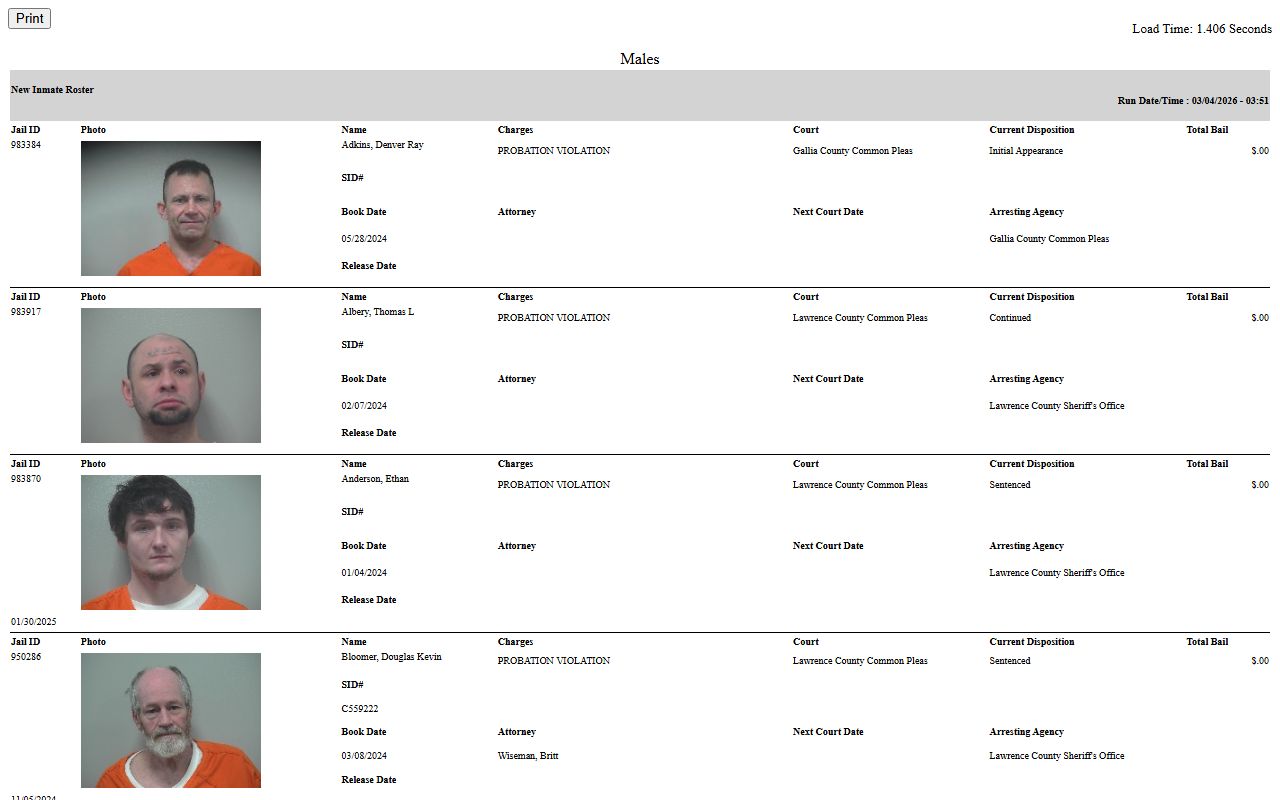
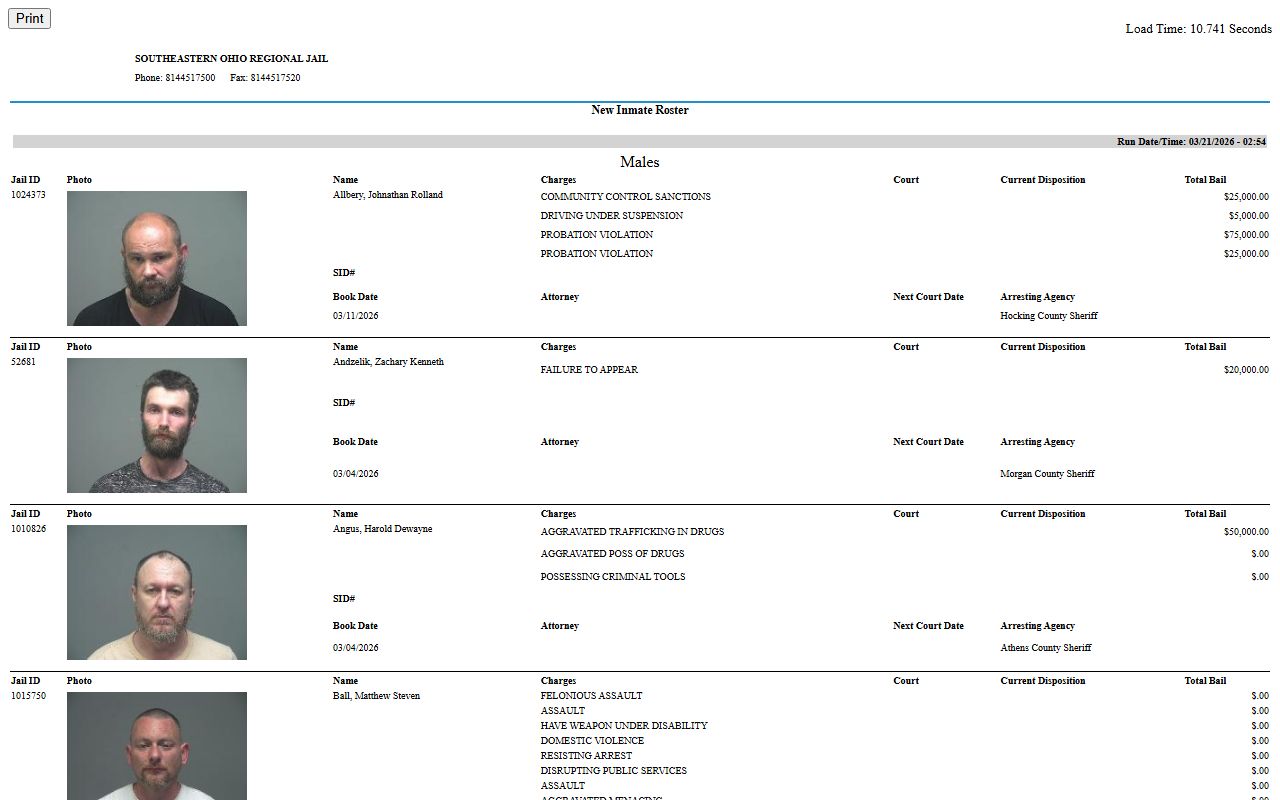
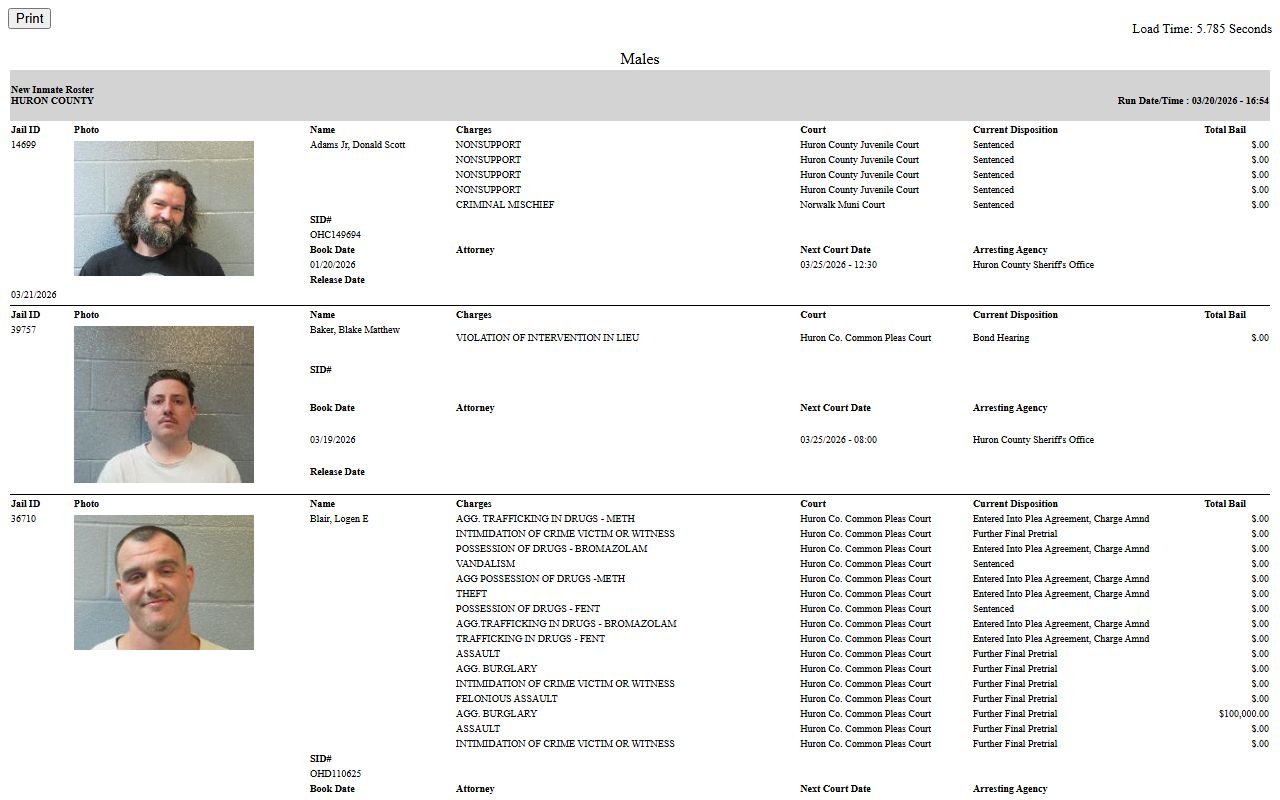
Navigating the availability of busted Owensboro KY mugshots requires understanding Kentucky's open records laws, local law enforcement procedures, and the distinction between official jail rosters and third-party publishing sites. Arre...
Navigating the availability of busted Owensboro KY mugshots requires understanding Kentucky's open records laws, local law enforcement procedures, and the distinction between official jail rosters and third-party publishing sites. Arrest records and booking photographs in Daviess County are matters of public record, managed primarily through local detention facilities and the Daviess County Sheriff's Office.
Contents
The Legal Framework of Public Records and Mugshots in Kentucky
Public access to government records in Kentucky is governed by the Kentucky Open Records Act (KORA), codified under KRS 61.870 to 61.884. This legislation establishes that free and open examination of public records is in the public interest, though certain exemptions exist to protect ongoing criminal investigations, juvenile privacy, and individual safety.
Booking photographs, commonly referred to as mugshots, and associated arrest charges are generally classified as public records once an individual is booked into a jail or detention center. However, the operational reality of how these records are distributed, displayed, and archived has shifted significantly. Law enforcement agencies balance transparency mandates with concerns regarding digital permanence, presumption of innocence, and commercial exploitation by third-party data aggregators.
Official Transparency vs. Commercial Aggregation: Public records laws ensure that citizens can monitor government and law enforcement actions. Independent websites often scrape these public databases to post mugshots for commercial gain or pay-to-remove schemes, which operates separately from official municipal transparency frameworks.
Where to Find Official Arrest Records in Daviess County
When seeking verified, accurate information regarding recent arrests in Owensboro, relying on official municipal and county channels is essential. Unauthorized websites often feature outdated, unverified, or legally expunged data.
The primary official entities responsible for detaining individuals and maintaining custody records in the Owensboro area include:
- Daviess County Detention Center: The primary local facility housing individuals arrested by the Owensboro Police Department, Daviess County Sheriff's Office, and Kentucky State Police within the jurisdiction.
- Owensboro Police Department (OPD): The local municipal law enforcement agency handling initial calls for service, crime reports, and local arrest processing.
- Daviess County Sheriff's Office: The county-level law enforcement agency responsible for executing warrants, court security, and civil process, alongside general policing duties.
To verify current inmate status or review recent bookings, official jail management systems and county portals provide the most accurate, real-time databases available to the public.
Official vs. Third-Party Inmate Search Platforms
Understanding the difference between official government databases and commercial mugshot publishing websites helps prevent misinformation and protects personal privacy rights.
| Feature | Official Government Portals | Third-Party Mugshot Sites |
|---|---|---|
| Data Accuracy | High; updated in real-time directly from booking software. | Low to Moderate; often delayed or unverified. |
| Legal Compliance | Complies strictly with state public records laws and expungement orders. | Frequently slow to remove records after legal expungement. |
| Monetization | Funded by tax revenue; free public access. | Often charges removal or "reputation management" fees. |
| Retention Policy | Managed according to state retention schedules and legal mandates. | Archives content indefinitely to drive web traffic and ad revenue. |
Understanding the Booking and Incarceration Process in Owensboro
The presence of an individual's photo and name on public arrest logs follows a standardized legal and administrative workflow. Comprehending this process helps contextualize why certain names appear on jail rosters and how cases proceed through the local judicial system.
- Arrest and Booking: Law enforcement takes an individual into custody based on probable cause or an active bench warrant. The suspect is transported to the Daviess County Detention Center for processing, which includes fingerprinting, background checks, and capturing the booking photograph.
- Initial Appearance and Arraignment: Within a designated timeframe, the detained individual appears before a judge in the Daviess County District Court. During this hearing, formal charges are read, constitutional rights are explained, and conditions of release or bail amounts are established.
- Case Adjudication: The case proceeds through the Kentucky Court of Justice system. Outcomes can range from dismissal and diversion programs to guilty pleas or trial verdicts.
- Expungement Eligibility: If a case is dismissed, results in an acquittal, or meets specific statutory criteria after conviction, individuals may petition the court to expunge their arrest and court records under Kentucky Revised Statutes.
Impact of Arrest Records on Employment and Housing
The digital footprint created by arrest records and published mugshots can create long-term personal and professional challenges, even if charges are eventually dropped or dismissed.
- Background Screening: Many employers and landlords utilize automated background check vendors that scrape public records. Outdated information can lead to unfair screening outcomes.
- Reputational Damage: Independent publishing networks often index rapidly on search engines, associating an individual's name with an arrest regardless of the ultimate legal outcome.
- Legal Protections: Recognizing these challenges, several states have enacted legislation restricting commercial mugshot websites from charging removal fees, and legal frameworks continue to evolve to safeguard privacy.
Frequently Asked Questions
Can I get my mugshot removed from official Owensboro jail databases?
Official government databases are legally mandated public records and generally cannot be removed unless an expungement order is granted by a Kentucky court. State agencies must comply with statutory retention and public access laws.
How do I request an expungement for an arrest in Daviess County?
To expunge an arrest record, you must file a petition through the Daviess County Circuit Court Clerk's office after obtaining a certificate of eligibility from the Kentucky Administrative Office of the Courts. Legal representation is often recommended to navigate the court requirements accurately.
Are all arrests in Owensboro published online immediately?
Not all arrests are published instantly, as processing times vary depending on investigative holds, juvenile status, or administrative backlogs at the detention center. Official portals prioritize verified booking data over rapid internet publishing.
Why do some third-party sites keep mugshots up after charges are dropped?
Commercial publishing platforms operate independently of law enforcement and often rely on ad revenue generated by web traffic. They may ignore or refuse removal requests unless legally compelled by state laws or court-ordered expungements.
Who operates the main detention facility in Owensboro, KY?
The Daviess County Detention Center manages the local jail facilities, housing individuals awaiting trial or serving local sentences under the authority of the Daviess County Fiscal Court and local corrections administration.
Securing Legal Guidance and Public Record Assistance
For individuals seeking verified information regarding local court cases or assistance with legal filings in Owensboro, utilizing official channels such as the Kentucky Court of Justice online portal or consulting with licensed local defense attorneys is the most reliable approach. Avoid utilizing unverified third-party services that demand payment for record removal or legal advice.
Image Gallery