Complete Guide to Getting a COVID Test at CVS in 2026
Getting a COVID-19 test at CVS involves scheduling an appointment online through the CVS MinuteClinic portal, choosing between rapid antigen or PCR testing, and arriving at the designated pharmacy drive-thru or walk-in clinic. Navigati...
Getting a COVID-19 test at CVS involves scheduling an appointment online through the CVS MinuteClinic portal, choosing between rapid antigen or PCR testing, and arriving at the designated pharmacy drive-thru or walk-in clinic. Navigating current diagnostic protocols, insurance coverages, and testing types ensures you receive accurate results efficiently without unexpected out-of-pocket costs.
Contents
Understanding Current CVS COVID-19 Testing Options
Testing protocols at retail pharmacies like CVS have evolved to prioritize self-testing and clinical point-of-care diagnostics depending on patient symptoms, exposure history, and public health guidelines. Understanding the differences between available testing modalities helps determine the most appropriate choice for your specific health situation.
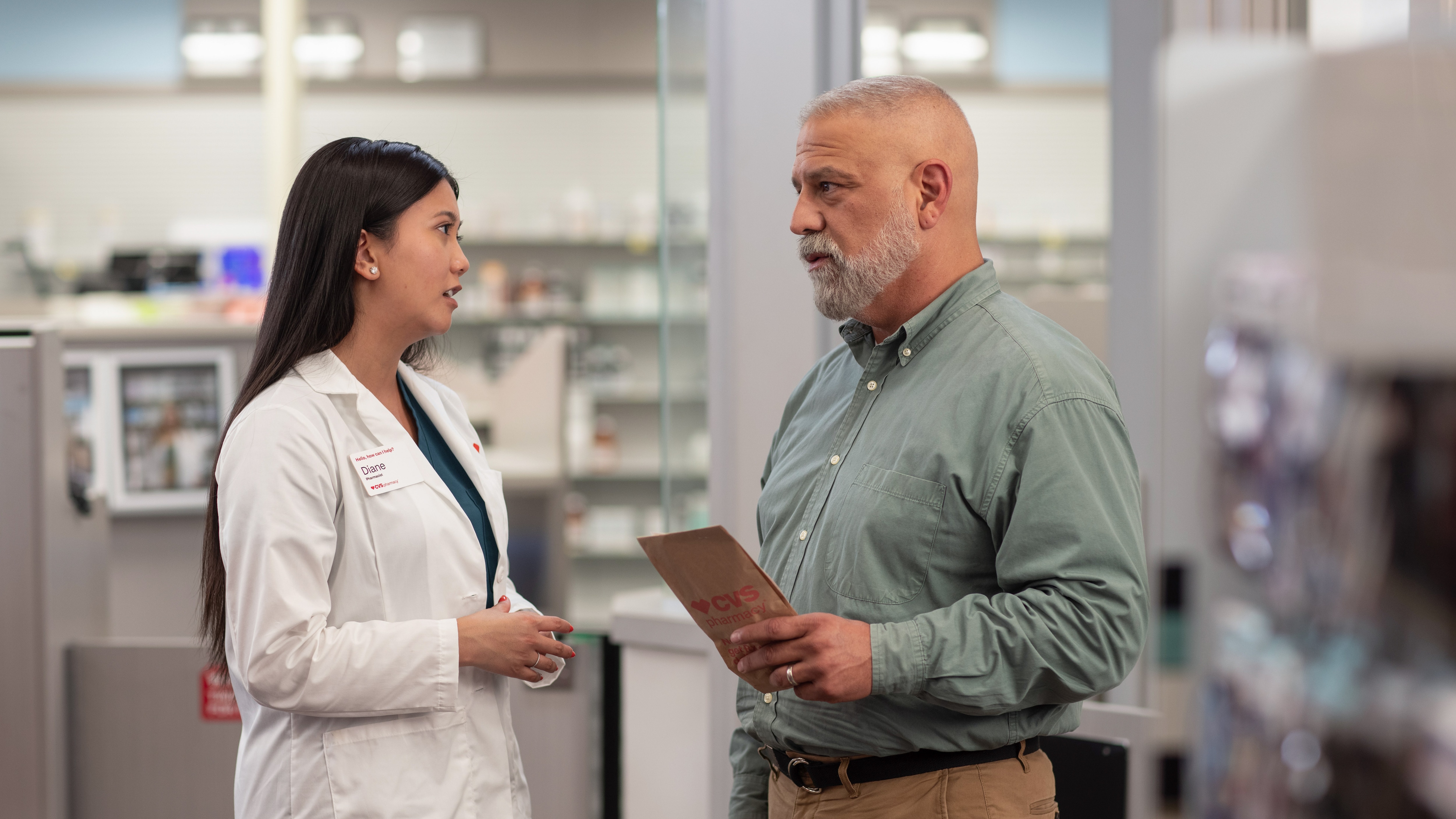
CVS Pharmacy locations generally provide two primary pathways for diagnostic evaluation: professional administration on-site and over-the-counter retail purchase. Professional testing is conducted by healthcare practitioners at select MinuteClinic locations, whereas self-testing kits can be purchased directly off the shelf or ordered for front-store pickup.
Professional vs. Over-the-Counter Testing Comparison
| Feature | MinuteClinic Professional Testing | Over-the-Counter (OTC) Rapid Tests |
|---|---|---|
| Administration | Performed by a licensed healthcare provider | Self-administered nasal swab by the user |
| Turnaround Time | 15–30 minutes for rapid; 24–48 hours for lab PCR | 15 minutes at home |
| Documentation | Official lab report suitable for travel or work | Personal use only (rarely accepted for official travel) |
| Insurance Coverage | Subject to clinical necessity and insurance terms | Generally out-of-pocket unless specified by employer/HSA |
| Age Restrictions | Varies by clinic; often down to 18 months or younger | Check individual product box labeling (typically 2+) |
Step-by-Step Guide to Scheduling and Taking a Test at CVS
Securing a professional COVID-19 test at a CVS MinuteClinic requires careful preparation and adherence to digital scheduling requirements. Walk-ins for clinical testing are rarely accepted, making online pre-registration mandatory.
1. Complete the Online Assessment
Navigate to the CVS health portal or MinuteClinic scheduling page. You will be prompted to complete a brief online screening questionnaire regarding your current symptoms, potential exposure to positive cases, and any travel requirements. This assessment determines whether you qualify for specific testing tracks.
2. Select Location, Date, and Time
Input your ZIP code to locate nearby CVS stores equipped with MinuteClinic testing services. Choose an available time slot. Make sure to note whether the testing is conducted via the pharmacy drive-thru window or inside the physical MinuteClinic waiting area.
3. Verify Insurance and Payment Details
Enter your health insurance information during the online registration process. While federal public health emergency declarations have expired, many insurance plans still cover diagnostic testing ordered by a physician or clinician when medically necessary. Uninsured individuals can review current cash-pay pricing options provided during checkout.
4. Prepare for the Appointment
Bring the following items to your scheduled appointment:
- A government-issued photo ID (driver's license or passport).
- Your health insurance card (if applicable).
- A printed or digital copy of your appointment confirmation barcode or email.
- A face mask, as healthcare facilities often maintain strict masking requirements for symptomatic patients.
5. Arrive and Administer or Receive the Swab
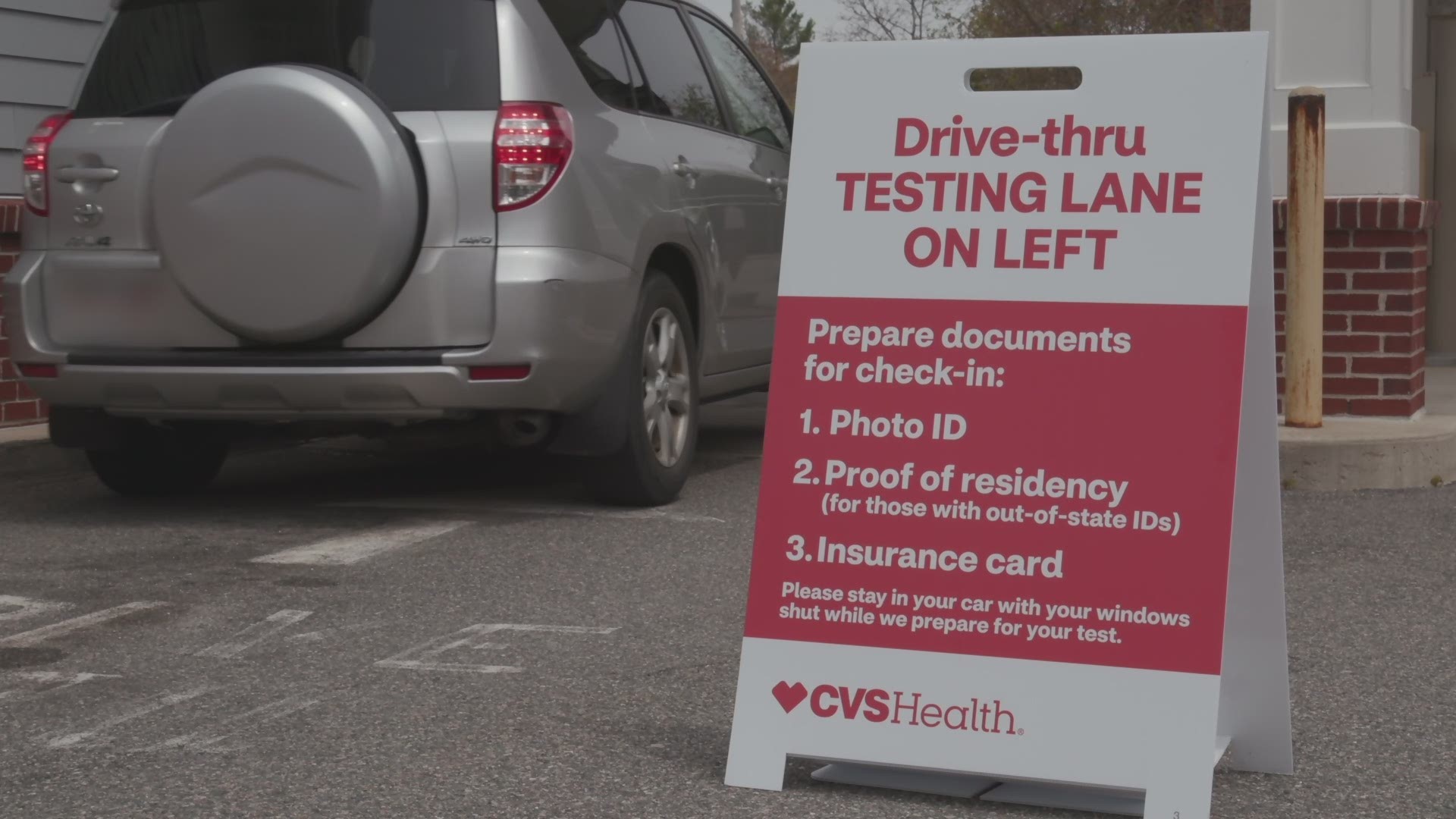
If your test is at a drive-thru location, follow the directional signage and remain in your vehicle with your windows rolled up until instructed otherwise. The clinician will guide you through self-swabbing under their observation or perform the swab directly.
Interpreting Your Results and Next Steps
Once the test is completed, the timeline for receiving results depends heavily on the specific diagnostic method selected.
Rapid antigen tests administered at a clinic or purchased over-the-counter deliver results within 15 to 30 minutes. These tests boast high specificity for active infections with high viral loads but carry a higher risk of false negatives during the early stages of symptom onset. If you test negative on a rapid antigen test but continue to exhibit prominent COVID-19 symptoms, clinical guidelines recommend repeating the test 48 hours later or opting for a molecular PCR test.
Laboratory-based PCR tests offer superior sensitivity, detecting minute fragments of viral genetic material. Results for CVS-processed PCR tests typically return via email or the MyChart/CVS health portal within 24 to 48 hours.
Important Public Health Advice Isolation and Quarantine Protocols: If you receive a positive test result, isolate immediately away from others in your household. Notify your primary care physician if you are at high risk for severe illness, as antiviral therapeutics such as Paxlovid may be prescribed if administered within the first five days of symptom onset.
Costs, Insurance Coverage, and Out-of-Pocket Expenses
Navigating the financial aspects of COVID-19 testing requires understanding current healthcare billing standards. Since the expiration of the federal public health emergency, COVID-19 testing is treated similarly to standard diagnostic lab work.
- Private Insurance: Coverage varies by carrier and plan type (HMO, PPO, HDHP). Diagnostic tests ordered by a clinician due to symptoms or known exposure are frequently covered, but routine screening for travel, employment, or events is often an out-of-pocket expense.
- Medicare and Medicaid: Original Medicare and Medicare Advantage plans generally cover diagnostic lab tests ordered by a physician with no beneficiary coinsurance or deductible, provided the clinical criteria are met.
- Uninsured Patients: Cash-pay pricing for professional rapid tests or PCR tests varies by location. Contact your local CVS MinuteClinic ahead of time to confirm current transparent pricing models. Flexible Spending Accounts (FSA) and Health Savings Accounts (HSA) frequently cover the purchase of over-the-counter rapid test kits.
Frequently Asked Questions About CVS COVID Testing
Can I just walk into a CVS without an appointment for a COVID test?
No, walk-ins for clinical testing are generally not accepted at CVS MinuteClinic locations. You must schedule your appointment online beforehand through the CVS digital portal to secure a testing slot and ensure clinical staff availability.
How long do CVS COVID-19 test results take?
Rapid antigen test results are typically available within 15 to 30 minutes. Molecular PCR test results processed through partner laboratories usually take between 24 and 48 hours to be delivered securely online.
Are CVS COVID-19 tests free?
Testing is no longer universally free. Insurance coverage depends on your specific health plan and whether the test is deemed medically necessary by a clinician. Out-of-pocket costs apply for routine screening, travel testing, or for uninsured individuals using cash-pay options.
What should I bring to my CVS drive-thru testing appointment?
You must bring a government-issued photo ID, your active health insurance card, and the confirmation email or barcode from your online registration. If utilizing the drive-thru option, remain in your vehicle with your windows closed until directed by staff.
Can I buy COVID-19 rapid tests off the shelf at CVS without an appointment?
Yes, over-the-counter at-home rapid antigen test kits are available for purchase directly from the pharmacy aisles or front registers without an appointment or prescription, subject to store inventory.
Image Gallery