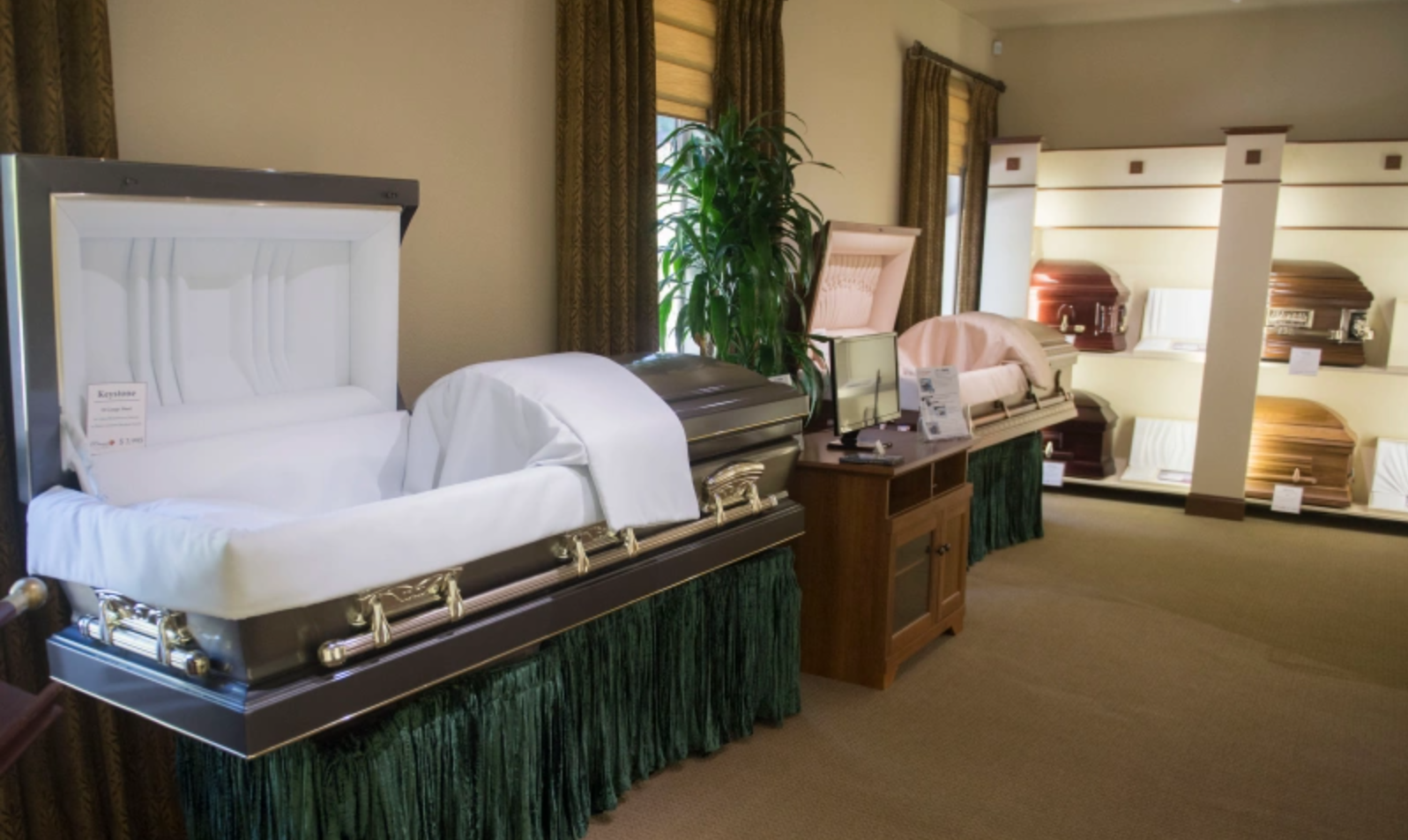
Navigating Services and Planning with McGowen Funeral Home
McGowen Funeral Home provides compassionate, professional end-of-life services, guiding families through funeral arrangements, memorial planning, and cremation options. Located to serve local communities with personalized support, the...
McGowen Funeral Home provides compassionate, professional end-of-life services, guiding families through funeral arrangements, memorial planning, and cremation options. Located to serve local communities with personalized support, the establishment helps families navigate logistical requirements, grief support resources, and customized tribute ceremonies during challenging times of bereavement.
Contents
Understanding the full scope of operations, service options, and pre-planning protocols associated with a funeral home is essential for families making arrangements. Whether coordinating an immediate need service following a passing or evaluating pre-need insurance and trust options for future peace of mind, knowing what to expect streamlines a complex process. This comprehensive guide outlines the offerings, administrative steps, financial considerations, and logistical coordination managed by funeral professionals.
Understanding Bereavement Services and Immediate Arrangements
When a death occurs, the immediate hours and days require swift decision-making while families are managing profound emotional stress. Professional funeral directors serve as administrative and logistical anchors, stepping in to coordinate the necessary steps between the place of passing, medical examiners, and final disposition sites.
The initial phase involves secure transportation of the deceased to the funeral home facility, followed by arrangements conferences. During these meetings, licensed directors gather vital statistics required for death certificates, discuss disposition preferences, and outline ceremony schedules. Families must decide between traditional burial, direct cremation, or anatomical donation, each carrying distinct regulatory requirements and timelines.
Immediate Action Checklist: Pronunciation and Permits: Secure the official medical certificate of death signed by a physician or coroner to initiate burial or transit permits. Vital Statistics Collection: Provide the deceased's full legal name, social security number, date of birth, parents' names (including mother's maiden name), and employment history. Wardrobe and Imagery: Select appropriate clothing for the deceased if viewing or visitation services are planned, along with photographs for memorial folders and video tributes.
Overview of Funeral Service Options and Customization
Modern funeral homes offer highly customizable packages designed to honor the unique life, beliefs, and cultural traditions of the deceased. Moving away from rigid, one-size-fits-all formats, contemporary services balance solemn tradition with personalized celebration.
Families can choose from traditional full-service funerals, which typically include public viewings or visitations, a formal funeral service in a chapel or place of worship, and a procession to the cemetery for committal rites. Alternatively, memorial services occur after the body has been cremated or buried, allowing more time for extended family to travel and gather.
Comparing Disposition and Service Pathways
| Service Type | Core Components | Typical Timeline | Customization Level |
|---|---|---|---|
| Traditional Burial | Embalming, casketing, visitation, formal service, cemetery burial | 3 to 7 days post-passing | High (music, eulogies, floral displays) |
| Direct Cremation | Immediate cremation without viewing or formal ceremony | 3 to 5 days post-passing | Low initially; memorial held later |
| Cremation with Memorial | Cremation performed first, followed by a service with the urn present | 1 to 3 weeks post-passing | High (custom urns, photo boards, scattering rites) |
| Celebration of Life | Uplifting, non-traditional gathering focusing on joyous memories | Variable (often weeks later) | Maximum (unique venues, themed decor, open-mic sharing) |
Financial Transparency and Cost Breakdown
Navigating funeral expenses requires clarity and open dialogue regarding pricing structures. Federal regulations, specifically the Funeral Rule enforced by the Federal Trade Commission, mandate that funeral homes provide clear, itemized General Price Lists (GPL) to consumers upon request, ensuring transparency before any contracts are signed.
Funeral costs generally divide into professional service fees, merchandise, and cash advance items. Professional fees cover the funeral director's overhead, licensing, and staff labor for coordinating permits and rites. Merchandise includes caskets, outer burial containers or vaults, urns, and printed memorial stationery. Cash advance items represent third-party fees paid on behalf of the family, such as cemetery opening and closing fees, clergy honorariums, floral arrangements, and newspaper obituary notices.
Strategic Financial Planning Considerations
- General Price List Review: Always request and review the physical GPL before selecting specific packages to identify optional versus mandatory fees.
- Veteran Benefits: Eligible military veterans may qualify for burial flags, presidential memorial certificates, and allowances for plot or interment expenses through the Department of Veterans Affairs.
- Insurance Assignment: Many funeral providers accept verified life insurance policies as a direct assignment to cover service costs, though processing fees may apply.
- Benevolent Assistance: In cases of financial hardship, inquire with local county social services, charitable organizations, or cultural associations that occasionally offer emergency burial grants.
The Value of Pre-Planning Your Final Arrangements
Pre-planning funeral arrangements removes a significant emotional and financial burden from surviving family members. By documenting personal preferences in advance, individuals ensure their exact wishes are honored while shielding loved ones from guesswork during a vulnerable time.
Pre-need planning involves meeting with a funeral director to record specific service choices, music selections, readings, and participant roles. Financially, pre-planning can be funded through guaranteed pre-need funeral trusts or insurance policies that lock in today's prices, protecting families from future inflation on service fees and merchandise.
Pre-Planning Advantages: Emotional Relief: Eliminates the stress of decision-making for grieving spouses and children who may otherwise disagree on appropriate tributes. Price Protection: Locks in service costs at current rates, insulating the estate from inflationary pressures over time. Personal Autonomy: Grants complete control over the final narrative, allowing individuals to design a memorial that truly reflects their values and personality.
Step-by-Step Guide to Coordinating a Funeral Service
Successfully organizing a meaningful farewell involves a systematic workflow executed alongside experienced funeral directors. Adhering to structured phases ensures no administrative detail is overlooked.
- Initial Notification and Transfer: Contact the funeral home immediately upon a passing to arrange secure transfer of the deceased to the care facility.
- Arrangements Conference: Schedule an in-person or virtual meeting with a licensed funeral director to review the GPL, select merchandise, and establish service dates.
- Drafting and Publishing Obituaries: Write and submit obituary notices to local newspapers and digital memorial platforms detailing service times and charitable donation preferences.
- Coordinate Officiants and Participants: Secure clergy, celebrants, pallbearers, and speakers, providing them with the order of service and timing expectations.
- Final Review of Documentation: Verify all details on the death certificate, permits, and billing statements prior to the execution of the services.
Frequently Asked Questions
What should I bring to the initial arrangement conference with the funeral home?
Bring the social security number of the deceased, veteran discharge papers (DD-214) if applicable, insurance policies for pre-funded plans, clothing for dressing, and recent photographs for identification or tribute creation. Having these items ready accelerates the completion of vital statistics and permits.
Is embalming required by law for all funerals?
Embalming is rarely required by state law, though many funeral homes enforce policy requirements for public viewings or open-casket services to ensure public health standards and aesthetic preservation. If immediate burial or direct cremation is chosen, embalming is generally unnecessary.
Can we hold a religious service even if the deceased was not a member of a local church?
Yes, many funeral directors maintain strong relationships with local clergy members, interfaith ministers, and independent celebrants who are willing to officiate services in the funeral home chapel, graveside, or alternative venues regardless of prior parish membership.
How are cremated remains handled after the cremation process?
Cremated remains are returned to the family in a temporary container or a purchased permanent urn. Families can choose to bury the urn in a cemetery plot, place it in a columbarium niche, scatter the ashes in a legally permitted scattering garden or natural body of water, or retain portions in memorial jewelry.
What happens to floral arrangements after a funeral service?
Families can choose to distribute floral arrangements among attending relatives, donate them to local nursing homes or hospitals, or have select arrangements transported to the cemetery for placement at the gravesite following the committal ceremony.
Can funeral arrangements be modified after a pre-plan contract is signed?
Revocable pre-need funeral trusts or contracts can typically be modified or canceled at any time, allowing individuals to update their preferences as personal circumstances change. Irrevocable trusts, often established for Medicaid spend-down purposes, generally cannot be altered once finalized.
Conclusion and Next Steps
Collaborating with a dedicated funeral provider ensures that final arrangements are handled with dignity, respect, and meticulous attention to logistical detail. Whether you are facing an immediate loss or exploring proactive pre-planning strategies, reaching out to licensed professionals provides the clarity and support necessary to honor a life properly. Contact your local funeral director to request a General Price List, schedule an arrangement consultation, or begin drafting a personalized memorial blueprint today.
Image Gallery