Understanding the Florida Auto Insurance Law for Permanent Injury
Navigating Florida’s auto insurance landscape following a serious accident requires understanding the "tort threshold" exception within the state’s no-fault system. While Florida mandates Personal Injury Protection (PIP) to cover initi...
Navigating Florida’s auto insurance landscape following a serious accident requires understanding the "tort threshold" exception within the state’s no-fault system. While Florida mandates Personal Injury Protection (PIP) to cover initial medical expenses regardless of fault, the law allows claimants to pursue damages for pain and suffering and other non-economic losses only if they meet the legal definition of permanent injury.
Contents
Florida’s No-Fault Framework
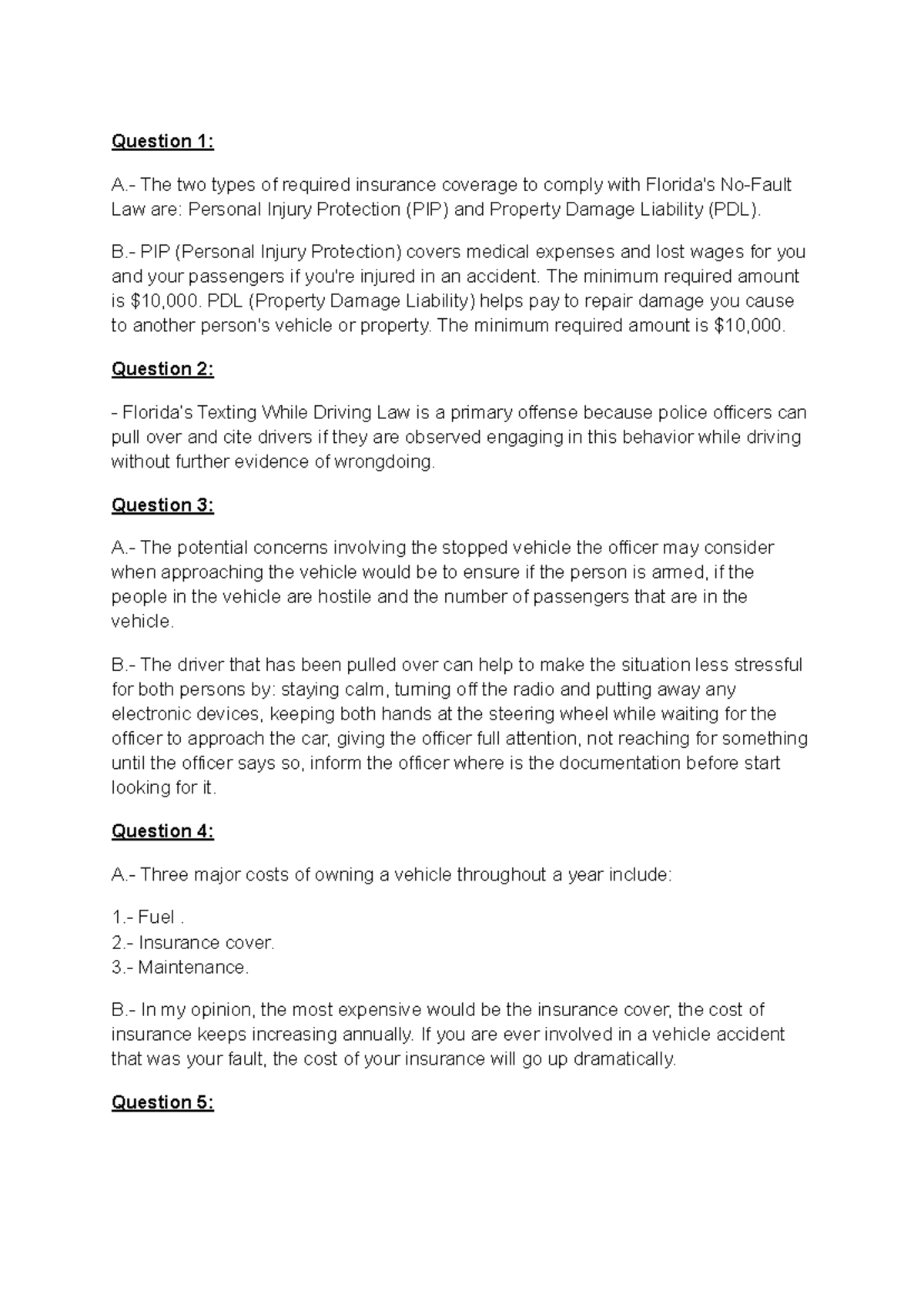
Florida operates under a "no-fault" insurance system, governed primarily by the Florida Motor Vehicle No-Fault Law (Florida Statutes § 627.7407). Under this framework, every driver is required to carry a minimum of $10,000 in Personal Injury Protection (PIP) coverage. The primary intent of this system is to ensure that immediate medical bills and lost wages are paid quickly by the driver’s own insurance company, regardless of who caused the collision.
The "no-fault" designation generally prohibits individuals from suing the at-fault driver for non-economic damages, such as pain, suffering, mental anguish, or inconvenience. However, this immunity is not absolute. Florida Statutes § 627.737 provides a critical pathway for victims to step outside the no-fault system and initiate a liability claim or lawsuit against an at-fault party: the threshold of permanent injury.
Defining Permanent Injury Under Florida Law
In the context of an auto accident, the state does not categorize every physical injury as "permanent." To meet the statutory requirements to move beyond the no-fault system, the victim must prove the injury consists of one of the following:
- Significant and permanent loss of an important bodily function.
- Permanent injury within a reasonable degree of medical probability, other than scarring or disfigurement.
- Significant and permanent scarring or disfigurement.
- Death.
The determination of whether an injury meets these criteria is typically made by a licensed physician. It is important to note that the law does not provide a rigid checklist of specific diagnoses that automatically qualify as "permanent." Instead, it relies on medical evidence and expert testimony to establish that the damage is enduring and impacts the victim's life significantly.
The Role of Medical Documentation
Because the "permanent injury" threshold is a legal gateway, the quality of your medical records is the most critical factor in your ability to seek compensation beyond PIP. Insurance adjusters and defense attorneys scrutinize medical documentation to determine if an injury has truly reached the stage of "maximum medical improvement" (MMI).
MMI is the date at which a physician determines that an injury has plateaued and is not expected to improve significantly with further treatment. Establishing MMI is often a prerequisite for a doctor to issue an opinion on permanent impairment. If you settle your case before reaching MMI, you may inadvertently waive your right to pursue further compensation for future medical costs or long-term disability related to the accident.
Comparing PIP Claims vs. Liability Claims
Understanding the distinction between filing a PIP claim and a liability claim against an at-fault party is essential for financial recovery.
| Feature | PIP (No-Fault) Claim | Liability (Tort) Claim |
|---|---|---|
| Primary Purpose | Cover immediate medical bills/lost wages | Cover pain, suffering, and excess damages |
| Fault Required | No fault needed | Must prove negligence by the other party |
| Threshold | None; available to all policyholders | Must meet "permanent injury" criteria |
| Payout Cap | Generally limited to $10,000 | Determined by damages and policy limits |
| Legal Status | Statutory insurance benefit | Civil litigation or settlement |
The "Serious Injury" Threshold in Practice
The burden of proof lies with the claimant. If you believe your injuries qualify under the permanent injury statute, you must be prepared to provide substantial evidence. This often includes:
- Diagnostic Imaging: MRIs, CT scans, and X-rays that provide objective evidence of structural damage (such as herniated discs or complex fractures).
- Physician Testimony: A sworn statement or deposition from your treating doctor confirming that the injury is permanent and was directly caused by the accident.
- Functional Impact Assessments: Documentation of how the injury restricts your ability to work, participate in daily activities, or maintain your previous quality of life.
Navigating the Litigation Process
If you meet the permanent injury threshold, you are entitled to seek damages for both economic losses (medical bills exceeding PIP limits and lost wages) and non-economic losses (pain and suffering). This process usually begins with a demand letter sent to the at-fault driver’s insurance carrier.
If the insurance carrier disputes the permanency of the injury, they may require an Independent Medical Examination (IME). An IME is an evaluation performed by a doctor chosen by the insurance company. It is vital to understand that the doctor performing an IME does not have a traditional patient-physician relationship with you. Their objective is to provide the insurance company with an assessment that may challenge your treating physician's findings regarding the permanence of your injury.
Common Pitfalls and Mistakes
Many claimants jeopardize their ability to pursue a permanent injury claim by failing to adhere to strict timelines or documentation standards.
- Delayed Treatment: Seeking medical care days or weeks after an accident can lead insurers to argue that your injuries were caused by something other than the collision.
- Gaps in Treatment: Stopping treatment prematurely can be interpreted by adjusters as evidence that the injury was minor and has fully resolved.
- Social Media Misuse: Insurance companies routinely monitor the social media accounts of claimants. Posting photos or videos that suggest physical activity inconsistent with a "permanent injury" claim can be used to discredit your testimony.
- Ignoring PIP Deadlines: You must seek medical attention within 14 days of the accident to be eligible for the full $10,000 in PIP benefits. Failure to meet this deadline can result in a significant loss of coverage.
Professional Advice Limitation
The complexities of Florida’s insurance laws, specifically regarding tort thresholds and permanent injury, are significant. This information is provided for educational purposes and does not constitute legal or medical advice. Because every case involves unique facts, medical histories, and insurance policies, you should consult with a licensed Florida personal injury attorney to evaluate the merits of your specific claim and ensure compliance with the current statutes of limitations and filing requirements in 2026.
Frequently Asked Questions
Does a herniated disc always count as a permanent injury in Florida? No. A herniated disc is not automatically classified as a permanent injury. To qualify, a physician must conclude that the injury causes a permanent, significant loss of an important bodily function. The severity of the symptoms and the impact on the patient's daily life are evaluated on a case-by-case basis.
Can I sue the other driver if my damages exceed my $10,000 PIP limit? The $10,000 PIP limit refers only to the coverage provided by your own policy. Exceeding the dollar amount of your PIP does not automatically grant you the right to sue. You must still meet the "permanent injury" threshold or other exceptions under Florida law to pursue a liability claim for remaining medical bills or pain and suffering.
What happens if the at-fault driver is uninsured? If the at-fault party lacks insurance, you may be able to turn to your own Uninsured/Underinsured Motorist (UM) coverage, if you purchased it. UM coverage is designed to pay for damages you would have been entitled to recover from the at-fault party had they been properly insured.
What is the statute of limitations for filing a personal injury lawsuit in Florida? As of 2026, Florida law generally provides a two-year statute of limitations for personal injury lawsuits. You must file your lawsuit within two years of the date of the accident; failure to do so will almost certainly result in the permanent forfeiture of your right to sue, regardless of the severity of your injuries.
Can I change doctors during my treatment? You have the right to choose your medical providers. However, frequent changes in medical teams can complicate your case. It is generally recommended to maintain a consistent team of specialists who can provide a comprehensive and longitudinal view of your recovery and the permanence of your impairment.
Next Actions
If you or a loved one have been involved in a serious accident, the immediate next step is to ensure that your medical records clearly document the duration and impact of your injuries. Request a formal evaluation from your treating physician regarding the permanence of your condition. Once you have established that your injury may meet the state's threshold, contact a legal professional to review your documentation and determine the viability of a liability claim against the at-fault party.
Image Gallery