The Elden Campbell Family: Understanding the Legacy of an NBA Professional
The Elden Campbell family is centered around the life and career of Elden Jerome Campbell, a former American professional basketball player who enjoyed a fifteen-season career in the National Basketball Association (NBA). While his pro...
The Elden Campbell family is centered around the life and career of Elden Jerome Campbell, a former American professional basketball player who enjoyed a fifteen-season career in the National Basketball Association (NBA). While his professional life as a center and power forward is well-documented through his statistics and team tenures, the family aspect of his life remains a private matter, characteristic of his understated professional demeanor.
Contents
The Professional Foundation of the Campbell Household
To understand the context of the Elden Campbell family, one must first examine the trajectory of Elden Campbell’s career, which spanned from 1990 to 2005. Born in 1968 in Inglewood, California, Campbell became a fixture in the NBA landscape shortly after his collegiate career at Clemson University. His professional life dictated the rhythm of his family life, as is common for elite athletes navigating the rigorous travel schedules and relocation demands of professional sports.
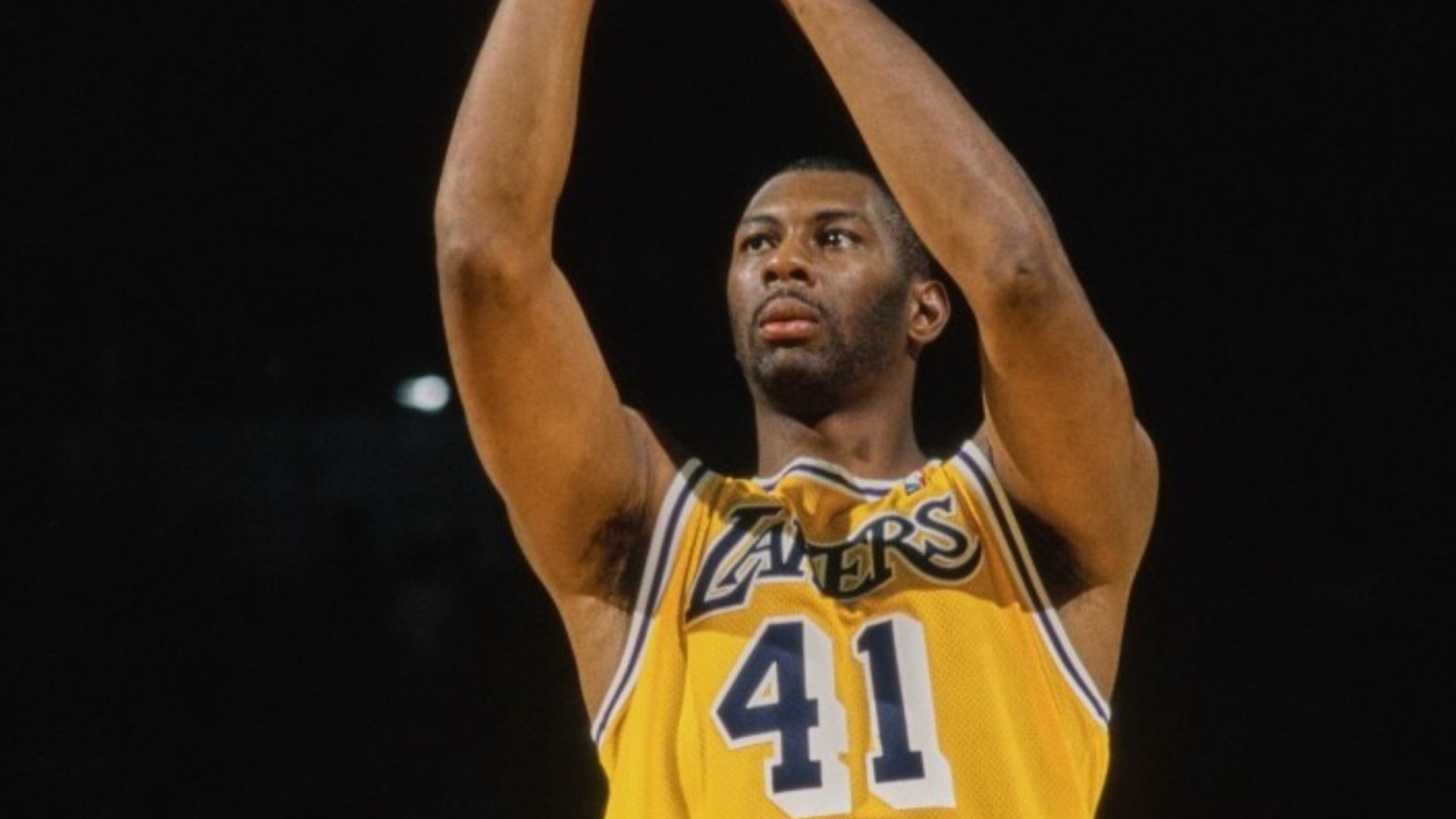
Campbell was selected 27th overall in the 1990 NBA Draft by the Los Angeles Lakers. This initial placement in the league provided the financial and professional foundation upon which his family life was built. During his tenure with the Lakers, which lasted until 1999, Campbell matured from a rookie prospect into a reliable interior presence. This period of stability in Southern California allowed for the establishment of deep roots in the Los Angeles area, a region where many NBA players eventually settle due to the concentration of opportunities and the lifestyle benefits of the West Coast.
Career Transitions and Geographical Relocation
The life of an NBA family is frequently defined by the dynamics of trades and free agency. After his nine-year tenure in Los Angeles, Campbell’s career took him across various organizations, including the Charlotte Hornets, New Orleans Hornets, Seattle SuperSonics, Detroit Pistons, and Brooklyn Nets (then the New Jersey Nets). Each of these transitions represented a significant adjustment period for the Campbell family.
- The Los Angeles Era (1990–1999): The primary formative years where Campbell established his reputation as a defensive anchor. This period was marked by the intense pressure of playing for a championship-contending franchise.
- The Middle Years (1999–2003): Transitions to Charlotte and later New Orleans required adapting to different team cultures and geographical environments, influencing how the family balanced school stability and social integration.
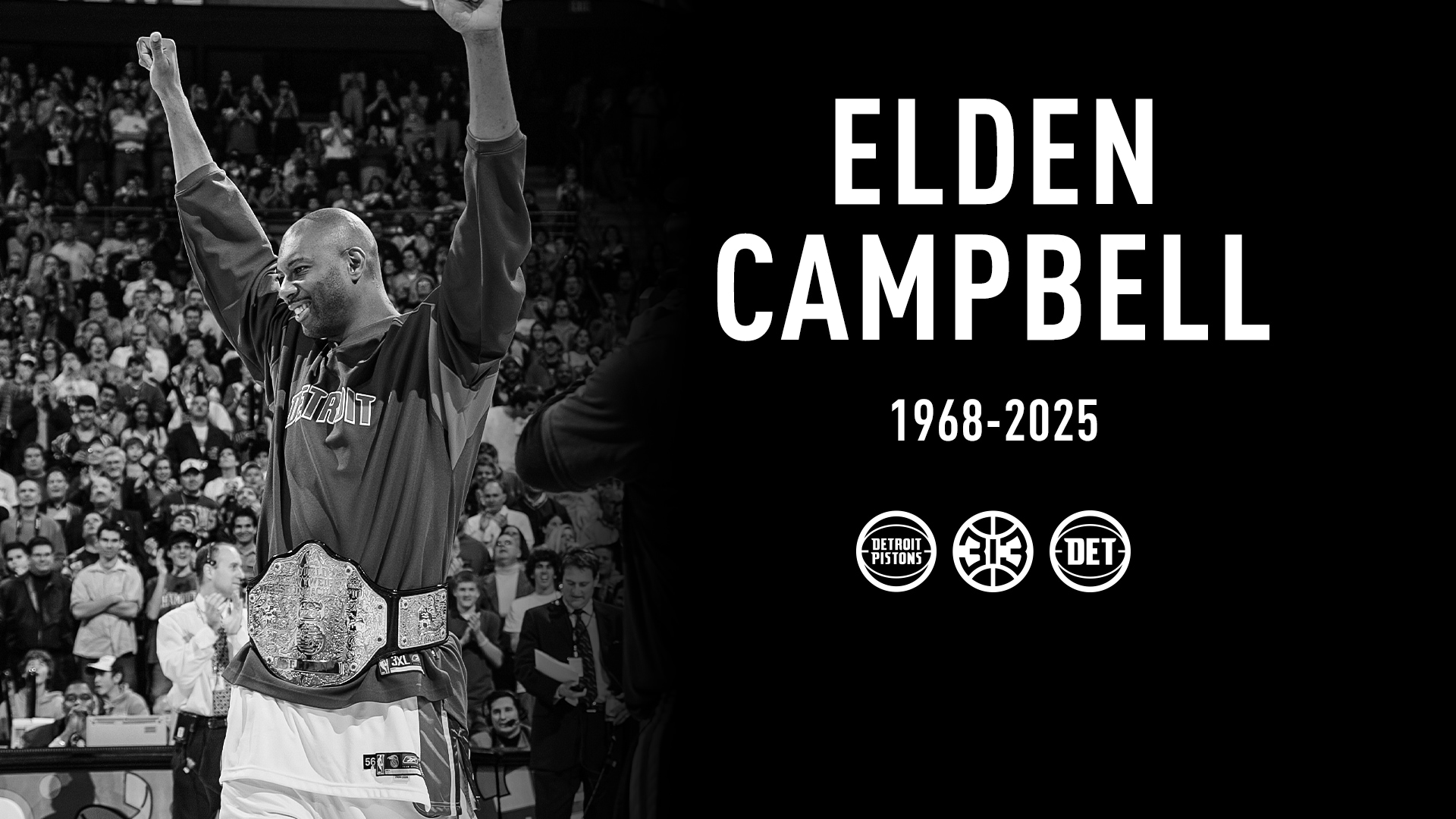
- The Championship Phase (2003–2004): Campbell was a key component of the 2004 Detroit Pistons roster that achieved an NBA Championship. This professional milestone marked the culmination of his years of labor in the league, bringing a level of security and legacy to the Campbell household.
- The Final Stretch (2004–2005): The conclusion of his active playing career, leading into his post-retirement transition.
Maintaining Privacy and Personal Values
A defining characteristic of the Elden Campbell family’s public profile is the intentional preservation of privacy. In an era where the lives of professional athletes are increasingly scrutinized through social media and constant digital reporting, Campbell has consistently maintained a low public profile regarding his children and domestic arrangements.
This approach serves as a protective measure for those outside the professional spotlight. For many professional athletes, keeping family life separate from the pressures of public performance is a deliberate strategy to provide a sense of normalcy. By limiting the presence of his family in media cycles, Campbell has ensured that his personal life does not become an extension of his professional brand, allowing his family to pursue their own interests outside of the public gaze.
The Impact of Elite Sports on Family Dynamics
The demands of an NBA career extend far beyond the game itself. For a player of Campbell's longevity, the physical toll and the time spent away from home are significant factors. The "Elden Campbell family experience" reflects the common challenges faced by professional athletes, including:
- Long-term Travel: The 82-game regular season, plus playoffs, requires significant time spent on the road, often forcing spouses and children to take on primary responsibility for day-to-day household management.
- The Transition Period: Retiring from professional sports is often described by former players as a major identity shift. Moving from the hyper-structured life of an NBA athlete—governed by practice schedules, team travel, and league mandates—to private life requires significant adjustment.
- Financial Stewardship: Managing the wealth generated during a fifteen-year professional career is a critical component of ensuring long-term family stability. This involves strategic planning, asset management, and preparing for the decades following the end of an athletic career.
Professional Comparison and Historical Context
To better understand the scale of Elden Campbell’s career and its contribution to his family’s stability, it is useful to view his performance statistics in context with his contemporaries.
| Season Range | Primary Teams | Notable Achievements |
|---|---|---|
| 1990–1999 | Los Angeles Lakers | Consistent double-digit scoring averages |
| 1999–2002 | Charlotte/New Orleans Hornets | Primary interior defender and veteran leader |
| 2003–2004 | Detroit Pistons | NBA Champion |
| 2004–2005 | New Jersey Nets | Final season and transition to retirement |
This table illustrates the longevity of his career, which spanned nearly two decades. Very few players manage to sustain a career of this length, and the ability to maintain employment across five different franchises indicates a high degree of adaptability—a trait likely reflected in the resilience of his family life.
Frequently Asked Questions
Who is Elden Campbell? Elden Campbell is a retired professional basketball player who played 15 seasons in the NBA. He is best known for his defensive versatility as a center and power forward and for winning an NBA championship with the Detroit Pistons in 2004.
Where does the Campbell family reside? While Elden Campbell established deep ties to Southern California during his long tenure with the Los Angeles Lakers, the family maintains a private residence, and their current exact location is not public information to ensure personal security and privacy.
How many children does Elden Campbell have? Elden Campbell has generally kept his children out of the public eye. Specific details regarding the names, ages, or paths of his children are not part of his public professional records.
What was the most significant professional achievement for the Campbell family? The 2004 NBA Championship victory with the Detroit Pistons is widely considered the peak of Campbell’s professional career, representing the culmination of his effort and dedication in the league.
Does Elden Campbell engage in public philanthropic work? Like many former professional athletes, Campbell has participated in various community initiatives and basketball clinics over the years, though he typically performs these duties with a focus on local community impact rather than seeking broad media exposure.
Legacy and Future Outlook
As of 2026, the legacy of the Elden Campbell family is one characterized by the quiet integrity of a long-term professional career. Elden Campbell’s transition from the hardwood to private life serves as a model for how athletes can manage the end of their professional journey while preserving the core of their personal life. By prioritizing stability and privacy, the family has navigated the volatile world of professional sports to maintain a life defined by its own internal values rather than external perception. For fans of the game, Campbell remains a respected figure from a highly competitive era of the NBA, recognized for his durability and the professionalism he brought to every team he served.
Image Gallery