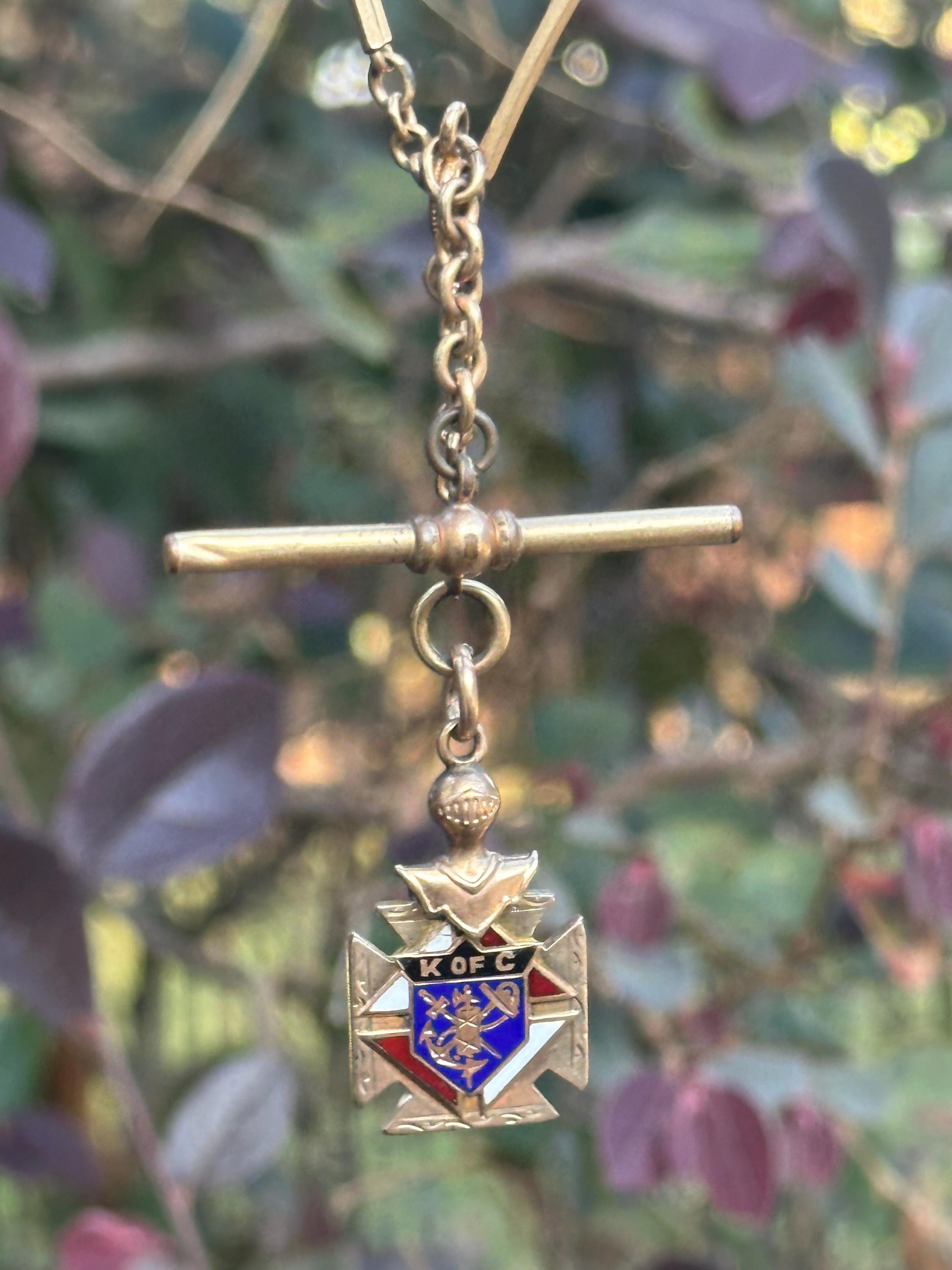
What Is a Knight of Columbus? Understanding the Catholic Fraternal Order
A Knight of Columbus is a member of the world’s largest Catholic fraternal service organization, dedicated to the principles of charity, unity, fraternity, and patriotism. Founded in 1882, the Knights function as a brotherhood of Catho...
A Knight of Columbus is a member of the world’s largest Catholic fraternal service organization, dedicated to the principles of charity, unity, fraternity, and patriotism. Founded in 1882, the Knights function as a brotherhood of Catholic men who support their parishes, provide financial protection to families through insurance, and engage in extensive global charitable works.
Contents
The Knights of Columbus (KofC) is more than just a social club; it is a "fraternal benefit society" that combines religious devotion with civic action. With over 2 million members worldwide as of 2026, the organization serves as a pillar of the Catholic Church, offering men a structured way to practice their faith through service. Whether providing disaster relief, funding ultrasound machines for pregnancy centers, or supporting the Special Olympics, a Knight of Columbus is defined by his commitment to "Faith in Action."
The Historical Foundations of the Order
To understand what a Knight of Columbus is today, one must look back to the social climate of late 19th-century America. In 1882, Father Michael J. McGivney, a young assistant pastor at St. Mary’s Church in New Haven, Connecticut, gathered a small group of men in the church basement. His goal was twofold: to strengthen the faith of Catholic laymen and to provide a financial safety net for families who lost their breadwinners.
At the time, Catholic immigrants faced severe discrimination and dangerous working conditions in factories. When a father died, his family often faced destitution. Father McGivney envisioned an organization that could provide life insurance to protect widows and orphans while preventing men from joining secret societies that were antithetical to Church teaching.
In 2020, Father McGivney was beatified by the Catholic Church, moving him one step closer to sainthood. By 2026, his legacy continues to drive the mission of the Knights, as they remain one of the most influential lay organizations in the world, maintaining deep roots in the immigrant experience while evolving into a global powerhouse of philanthropy.
The Four Core Principles of a Knight
The identity of a Knight is built upon four pillars, often referred to as the "degrees" of the Order. These principles guide every activity, from local pancake breakfasts to international relief efforts.
1. Charity
Charity is the foremost principle of the Knights of Columbus. Members believe that their faith is dead without works. In a typical year leading up to 2026, the Knights donate over $180 million to various causes and volunteer more than 75 million hours of service. This charity is not limited to Catholic causes; it extends to anyone in need, regardless of their religious affiliation.
2. Unity
The principle of unity recognizes that more can be accomplished together than alone. In a local council, Knights support one another in their spiritual lives and their roles as fathers and husbands. This unity extends to the parish level, where Knights often serve as the "right arm" of the pastor, assisting with facilities, events, and liturgical needs.
3. Fraternity
Father McGivney started the Knights to provide a sense of brotherhood. Fraternity among Knights involves mutual support during times of sickness or death. It also includes the "fraternal benefits" of the organization, specifically the top-rated insurance program that remains a cornerstone of the KofC identity.
4. Patriotism
The Fourth Degree of the Order is dedicated to patriotism. Knights are encouraged to be productive, law-abiding citizens who love their country. This principle is most visible through the "Color Corps," the members seen in official regalia at civic and religious ceremonies, honoring the military and the flag.
Membership Requirements and Eligibility
Becoming a Knight of Columbus is a specific calling that requires meeting certain religious and gender-based criteria. As of 2026, the requirements for membership remain steadfast:
- Gender: Membership is limited to men. While women cannot become Knights, the Ladies Auxiliary and various family-based programs ensure that wives and daughters are deeply involved in the Order’s charitable life.
- Age: A candidate must be at least 18 years old.
- Religious Standing: A candidate must be a "practical Catholic" in union with the Holy See. This means the man must accept the teaching authority of the Catholic Church, attend Mass regularly, and be in good standing with the Church.
- Process: Entry typically begins by joining a local council. In the modern era, the Knights have introduced Online Membership, allowing men to join digitally before transitioning to a local council for ceremonial induction.
The Structure of the Order: From Local to Supreme
The Knights of Columbus operate under a hierarchical structure that allows for both local autonomy and global impact.
Local Councils
The local council is the heartbeat of the organization. Most are based out of a specific parish, though some are "community councils" that draw from several churches. Each council is led by a Grand Knight, who oversees the various directors of programs such as Faith, Family, Community, and Life.
District and State Councils
Local councils are grouped into districts, overseen by a District Deputy. These districts roll up into State Councils. State-level leadership coordinates large-scale initiatives, such as state-wide Special Olympics sponsorships or regional retreats.
The Supreme Council
Based in New Haven, Connecticut, the Supreme Council is the governing body for the entire international organization. It is headed by the Supreme Knight. The Supreme Council manages the Order’s massive insurance portfolio, sets global policy, and maintains the Knights' relationship with the Vatican.
The Four Degrees of Knighthood
As a man progresses through the Knights of Columbus, he takes part in ceremonies known as "degrees." Each degree focuses on one of the core principles.
| Degree | Principle | Focus and Meaning |
|---|---|---|
| First Degree | Charity | Focuses on the duty of every Catholic man to help those in need. |
| Second Degree | Unity | Teaches that a brotherhood united in faith is stronger than individuals. |
| Third Degree | Fraternity | Emphasizes the bond between members as brothers in Christ. |
| Fourth Degree | Patriotism | The highest degree; focuses on the member's duty to God and Country. |
In recent years, the Order has streamlined the first three degrees into a single, public "Exemplification" ceremony. This change was designed to allow families to witness the induction of their fathers, sons, and husbands, moving away from the "secret" rituals of the past to a more transparent and family-oriented approach.
The Knights of Columbus Insurance Program
A defining feature of the Knights of Columbus is its status as a Fortune 1000 fraternal benefit society. This is not merely an add-on service; it is central to the mission of protecting Catholic families.
The KofC insurance program is consistently ranked as one of the most financially sound in North America. Unlike commercial insurers, the Knights operate as a non-profit for the benefit of their members. The "dividends" or profits generated by the insurance side are frequently poured back into the organization's charitable endeavors.
Available products typically include:
- Permanent Life Insurance: Providing lifelong coverage and building cash value.
- Term Life Insurance: Affordable protection for specific periods, such as while children are young.
- Long-Term Care Insurance: Helping families manage the costs of nursing home or in-home care.
- Annuities: Helping members secure a retirement income that aligns with Catholic moral values.
One of the unique selling points of KofC insurance is its commitment to Ethical Investing. The Knights do not invest in companies that deal in abortion, contraception, human cloning, or other activities that conflict with Catholic social teaching.
Charitable Initiatives and "Faith in Action"
The "Faith in Action" model is the framework through which Knights serve their communities in 2026. It categorizes all activities into four distinct areas:
Faith
Knights support the spiritual growth of their members through "Into the Breach" video series, Holy Hours, and spiritual reflection programs. They are also major donors to the Vatican’s communications efforts and various seminaries.
Family
The Order promotes the "Family of the Month" and "Family of the Year" awards, encouraging strong domestic churches. They also provide "Consecration to the Holy Family" programs for parishes.
Community
This includes the "Coats for Kids" program, which has distributed hundreds of thousands of coats to children in cold climates, and the Global Wheelchair Mission, which provides mobility to those in developing nations.
Life
The Knights are a leading voice in the pro-life movement. Their Ultrasound Initiative has placed over 1,500 ultrasound machines in pregnancy resource centers globally, helping women see their unborn children and choose life.
Common Misconceptions
Because of their history and regalia, several myths persist about the Knights.
- Are they a secret society? No. While their initiation ceremonies were private for many years, the Knights are a public-facing Catholic organization. Their current initiation ceremonies are often held in the presence of family and friends.
- Is it just for old men? While the demographic has historically skewed older, the 2020s have seen a surge in "College Councils" and young professional recruitment. The focus on "manly virtue" and "servant leadership" has resonated with younger Catholic men seeking community.
- Are they a political group? The Knights are non-partisan and do not endorse candidates. However, they are active in the public square regarding issues of religious liberty, the protection of the unborn, and aid to persecuted Christians in the Middle East.
Frequently Asked Questions
Can a non-Catholic join the Knights of Columbus?
No, membership is restricted to practical Catholic men. However, non-Catholics are frequently invited to volunteer at KofC charitable events and participate in many of the social activities organized by local councils.
What does "Practical Catholic" actually mean?
A practical Catholic is a man who lives in accordance with the Precepts of the Catholic Church. This includes attending Mass on Sundays and Holy Days of Obligation, receiving the Sacraments of Eucharist and Reconciliation regularly, and adhering to the Church’s moral and dogmatic teachings.
Do Knights still wear the capes and feathered hats?
The traditional Fourth Degree regalia (tuxedo, cape, and chapeau) was officially retired in 2019. The modern uniform consists of a blue blazer with the Fourth Degree emblem, a white shirt, a Fourth Degree necktie, and a beret. This change was made to modernize the image of the Order and make it more accessible to a new generation.
Is the Knights of Columbus a global organization?
Yes. While founded in the United States, there are active councils in Canada, Mexico, the Philippines, Poland, Ukraine, South Korea, and various nations across the Caribbean. The Knights have been particularly active in Ukraine in the mid-2020s, providing millions of dollars in humanitarian aid.
How much does it cost to be a member?
Dues are set by the local council and are generally very modest, often ranging from $30 to $60 per year. These funds help cover the administrative costs of the council and support local charitable efforts.
Next Steps for Prospective Members
If you are a Catholic man looking to deepen your faith and serve your community, the Knights of Columbus offer a proven path. The first step is typically to visit the official Knights of Columbus website to find a council near you or to sign up for online membership.
Engaging with a local council allows you to see firsthand how the Knights in your specific parish are making a difference. Whether it is through a parish service project, a spiritual retreat, or simply a fraternal gathering, joining the Knights provides a unique opportunity to stand in solidarity with millions of brothers who share your values and your faith.
Image Gallery