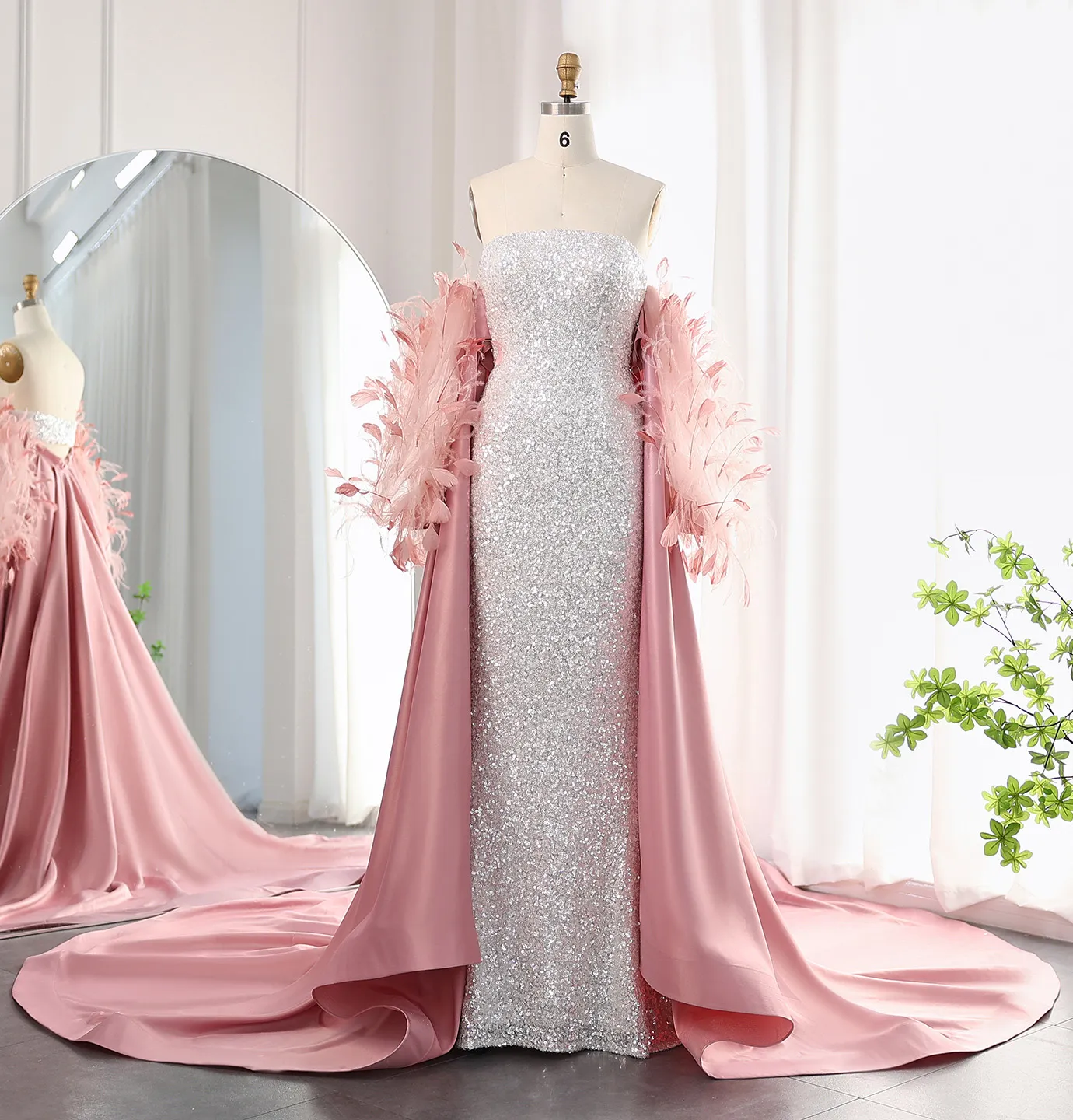
Mastering the Glamorous Pink Dress for High Profile Occasions
Selecting the perfect glamorous pink dress for high profile occasions requires a precise balance of color theory, fabric selection, and an acute understanding of the event’s specific dress code. Whether navigating a black-tie gala or a...
Selecting the perfect glamorous pink dress for high profile occasions requires a precise balance of color theory, fabric selection, and an acute understanding of the event’s specific dress code. Whether navigating a black-tie gala or a high-stakes corporate reception, the choice of pink serves as both a bold statement of confidence and a sophisticated exercise in sartorial discipline, provided the silhouette and texture align with the formality of the venue.
Contents
Understanding the Spectrum of Formal Pink
Pink is far from a singular shade; it functions as a diverse color palette ranging from soft, ethereal blushes to intense, saturated magentas. For high profile occasions, the intensity of the hue often dictates the perceived level of formality.
- Blush and Rose Quartz: These lighter, muted tones convey an air of understated elegance. They are ideal for daytime high-profile events, such as charity luncheons or garden-based diplomatic receptions. These shades harmonize well with metallic accents like rose gold or soft silver.
- Fuchsia and Magenta: These high-saturation tones command attention and project authority. They are particularly effective for evening galas, award ceremonies, or stage appearances. When opting for such vibrant hues, it is often best to keep the silhouette architectural and clean to avoid overwhelming the visual impact.
- Dusty Rose and Mauve: These deep, desaturated pinks offer a sophisticated, modern alternative to traditional formal colors. They possess a grounded quality that works exceptionally well with heavy fabrics like velvet or silk crepe, making them suitable for autumn and winter engagements.
Fabric Selection and Structural Integrity
The fabric chosen for a high-profile dress is the primary determinant of how the garment interacts with light and movement. For formal events, the material must possess both substance and finish.
Silk, specifically silk gazar or heavy charmeuse, remains the gold standard. Silk gazar, famously utilized by couture designers for its ability to hold structural shapes, is ideal for ballgowns or dresses requiring architectural volume. Conversely, heavy silk charmeuse provides a fluid, liquid drape that is better suited for bias-cut gowns that rely on the natural silhouette of the wearer.
Velvet is another premium choice for colder months. Its ability to absorb light gives pink a deep, regal quality that is rarely achieved with matte fabrics. However, when selecting velvet, ensure the nap is of high quality to prevent crushing during extended wear at a sit-down function. For warmer, high-profile environments, look toward high-twist crepe or wool-silk blends; these fabrics resist wrinkling, which is a critical consideration for events that involve significant travel or prolonged periods of seated activity.
Navigating Dress Codes and Formality
High profile occasions often come with strict dress code terminology that dictates the length and complexity of your attire. Understanding these terms prevents the common error of being either underdressed or inappropriately flamboyant.
| Dress Code | Expectations for Pink Attire |
|---|---|
| White Tie | Floor-length ballgown in silk or satin; avoid overly modern or casual pink shades. |
| Black Tie | Elegant floor-length gown; bold pinks are acceptable if the silhouette remains formal. |
| Black Tie Optional | Sophisticated floor-length or high-quality cocktail-length dress in refined fabrics. |
| Cocktail/Business Formal | Knee-length to midi-length dresses; focus on sharp tailoring and modest necklines. |
When in doubt, prioritize length. A floor-length gown in a muted or sophisticated pink almost always satisfies the requirements of a high-profile event, whereas a shorter garment may be subject to stricter scrutiny depending on the cultural expectations of the host organization.
Tailoring and Fit: The Hidden Architecture
A glamorous pink dress is only as effective as its fit. In high-profile settings, the difference between a garment that looks "off the rack" and one that appears bespoke is found in the internal construction.
Always prioritize a professional fitting at least three weeks prior to your event. This allows for adjustments to the hemline, which must be perfectly calibrated to the height of your chosen footwear. If the dress features complex detailing, such as intricate draping or internal boning, ensure your tailor has experience with delicate formal textiles.
Internal support systems, such as hidden corsetry or integrated bra cups, are vital for maintaining the intended silhouette throughout the evening. They prevent the need for constant adjustments, allowing the wearer to focus on engagement rather than wardrobe maintenance.
Strategic Accessories and Color Theory
Accessorizing a pink dress requires a balanced hand. Because pink acts as a strong color anchor, the secondary elements should enhance rather than compete with the primary garment.
- Metallic Pairing: Gold tends to warm up blush and peach-toned pinks, while silver and platinum provide a crisp, cooling contrast to fuchsia and berry tones.
- Monochromatic Depth: For a fashion-forward approach, pair your dress with accessories in deeper shades of the same color family. A deep burgundy pump or clutch can provide an anchor to a lighter pink dress.
- Neutral Grounding: If the dress is highly embellished or voluminous, utilize nude or metallic footwear to draw the eye back to the wearer’s face. Avoid overly decorative shoes that distract from the structural design of the dress.
Common Mistakes to Avoid
Avoiding these pitfalls ensures your ensemble remains polished throughout the event:
- Fabric Clutter: Do not mix too many textures. If the dress is made of a heavy, textured fabric, keep the accessories smooth and simple.
- Underestimation of Lighting: High-profile venues often use aggressive lighting. Test your dress under harsh indoor lighting—not just natural light—to ensure the fabric does not become transparent or appear washed out.
- Neglecting the Environment: If you are attending an outdoor high-profile event, avoid fabrics that trap heat excessively, such as heavy velvet, and prioritize breathable, high-twist fibers.
Frequently Asked Questions
What is the best way to determine if a shade of pink is appropriate for a black-tie event? Assess the depth and finish of the fabric. Generally, darker, richer, or jewel-toned pinks (like magenta or deep rose) paired with formal textiles (satin, silk, velvet) are universally appropriate for black-tie, while lighter, neon, or chalky pinks are better suited for cocktail or daytime attire.
Can I wear patterns for a high-profile pink dress? Pattern usage should be limited to sophisticated jacquards or tone-on-tone embroidery. Avoid large, distracting floral prints, as they can inadvertently lower the formality level of the ensemble and appear more suited for social daytime functions.
How do I handle the transition between afternoon and evening events in the same dress? Opt for a sophisticated midi or floor-length dress in a versatile, neutral-leaning pink. Layering with a tailored evening coat or a high-quality pashmina allows for an immediate shift in formality, while changing your jewelry from daytime minimalist to evening statement pieces can redefine the look.
Are there specific footwear rules for floor-length gowns? The hem of your gown should hover just above the floor, ideally covering the front of your shoe while remaining mobile. If you are prone to fatigue, prioritize a block heel or a high-quality kitten heel that provides stability, as you may be standing for extended periods of social interaction.
What is the etiquette for wearing pink to a corporate-hosted event? Stick to clean, architectural lines. Corporate high-profile events favor understated power. Choose a structured silhouette and avoid excessive ruffles or overly whimsical detailing, which can appear unprofessional in a high-stakes business context.
Final Recommendation
The most successful strategy for wearing a glamorous pink dress is to focus on the silhouette's fit and the fabric's quality above all else. For your next high-profile engagement, secure a floor-length gown in a high-twist silk or crepe fabric, ensure it is professionally tailored to your specific measurements, and anchor the look with metallic accessories that complement the specific undertone of your pink. By treating the dress as a refined architectural piece rather than a seasonal trend, you ensure an enduring, confident presence.
Image Gallery