Why Basic Foundation Repair Insurance Matters for Homeowners
Understanding why basic foundation repair insurance matters comes down to financial risk management. Standard homeowners policies routinely exclude gradual foundation settling, soil movement, and normal wear and tear. Securing basic fo...
Understanding why basic foundation repair insurance matters comes down to financial risk management. Standard homeowners policies routinely exclude gradual foundation settling, soil movement, and normal wear and tear. Securing basic foundation riders, structural endorsements, or specialized coverage protects home equity, prevents minor slab or stem-wall cracks from cascading into structural failure, and offsets foundation restoration costs that often reach tens of thousands of dollars.
Contents
The Reality of Foundation Damage and Standard Home Insurance
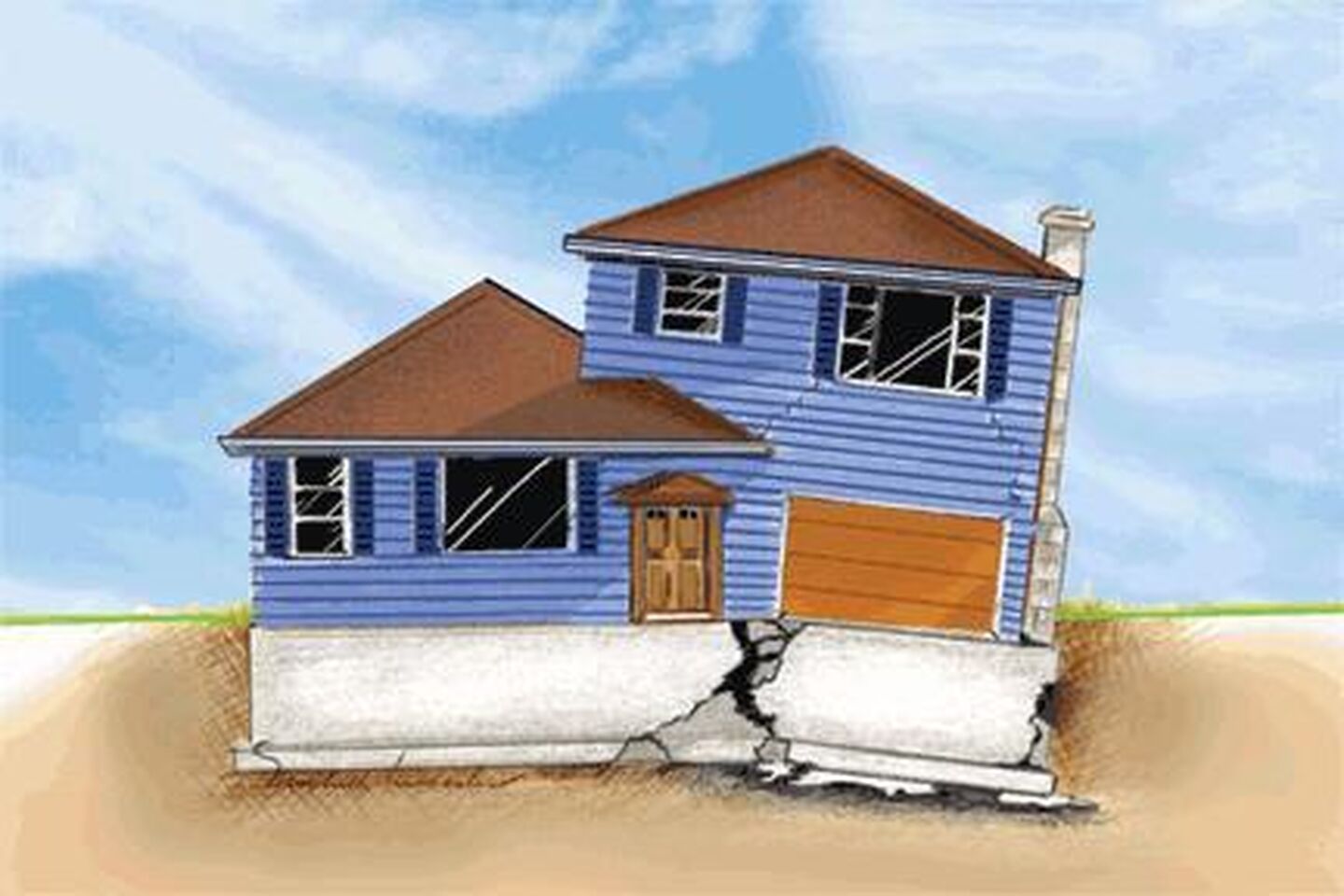
A home's foundation supports its entire weight, distributing load forces evenly across the underlying soil. When ground conditions change or structural elements deteriorate, the structural integrity of the entire building is compromised. Many homeowners incorrectly assume that standard home insurance policies—such as the widely used HO-3 special form—provide automatic coverage for any structural foundation failure.
In practice, standard property policies operate on a distinction between sudden and accidental perils and gradual perils. If an explosion, vehicle impact, or covered fire damages a foundation, standard dwelling coverage (Coverage A) generally pays for repairs. However, if foundation cracking or shift results from expansive clay soil, settling, shifting earth, hydrostatic pressure, or long-term water seepage, standard policies explicitly exclude coverage.
This exclusion creates a significant protection gap. Basic foundation repair insurance—whether structured as a policy endorsement, slab leak tear-out rider, or specialized structural insurance policy—bridges this gap by transferring specific high-cost risks away from the property owner.
Key Reasons Why Basic Foundation Coverage Is Essential
- Foundation Structural Instability
- Secondary Interior & Exterior Damage
- Devaluation of Home Equity & Resale Value
- Complete Loss of Mortgage Eligibility
1. Protection Against High Out-of-Pocket Repair Costs
Foundation stabilization is among the most expensive residential repairs. Minor cosmetic repairs or epoxy crack injections may cost $1,500 to $3,000, but deep structural repairs requiring hydraulic push piers, helical piers, or underpinning typically range from $10,000 to over $40,000. Without basic insurance riders or specific structural protection, the property owner must fund these capital-intensive repairs entirely out of pocket.
2. Prevention of Secondary Structural Damage
A compromised foundation rarely remains an isolated problem. As concrete slabs or foundation walls shift, structural movement trickles upward through the framing, resulting in severe interior and exterior issues:
- Drywall and Plaster Cracking: Diagonal cracks radiating from door and window frames.
- Door and Window Misalignment: Frames warping out of square, preventing proper locking or operation.
- Roof Trusses and Load-Bearing Shear: Framing offset that compromises roof loads and ceiling joists.
- Plumbing Line Shearing: Under-slab drain and supply lines snapping under shear stress, creating secondary flooding.
Carrying adequate foundation coverage ensures repairs happen quickly, preventing minor foundation displacement from causing widespread secondary structural damage throughout the residence.
3. Preserving Real Estate Value and Resale Marketability
When selling a residential property, real estate disclosure laws require owners to report known structural defects and past foundation repairs. A documented history of unaddressed foundation settling drastically reduces market value and deters prospective buyers. Furthermore, prospective buyers relying on conventional or government-backed mortgage loans (such as FHA or VA loans) may find lenders unwilling to approve financing until foundation defects are professionally remediated and certified by a structural engineer.
What Standard Policies Cover vs. Exclude
The table below highlights how typical insurance protections apply to common foundation issues:
| Peril / Cause of Damage | Standard HO-3 Policy | Optional Endorsement / Rider | Specialized Policy / Warranty |
|---|---|---|---|
| Fire, Explosion, Falling Objects | Covered under Dwelling (Coverage A) | Included in standard policy | N/A |
| Slab Leak (Water Pipe Rupture) | Water damage covered; foundation slab removal often excluded | Covered with Water Line / Tear-Out Endorsement | Covered under selective home warranties |
| Gradual Soil Expansion / Settling | Excluded | Excluded in standard riders | Requires specialized engineering rider |
| Earthquake / Earth Movement | Excluded | Available via Earthquake Rider | Standalone Earthquake Insurance |
| Sinkhole Activity | Excluded (Unless mandated by state law) | Available via Sinkhole Endorsement | Mandatory option in states like FL & TN |
| Sump Pump Backup / Drainage Failure | Excluded | Covered via Water Backup Rider | N/A |
Key Endorsements and Riders for Foundation Coverage
Because comprehensive coverage is rarely offered in a single, off-the-shelf policy, property owners must build protection using targeted policy endorsements.
Water Line and Slab Leak Tear-Out Endorsements
One of the most common causes of hidden foundation failure is a plumbing leak underneath a concrete slab. While a standard policy may pay to dry out damaged interior flooring, it frequently excludes the costly process of jackhammering through the slab to access the broken pipe and restoring the concrete afterward. A Tear-Out and Replace Endorsement explicitly covers the access cost to repair supply or waste pipes embedded in the foundation.
Water Backup and Sump Pump Endorsements
Excess water pooling near foundation walls increases hydrostatic pressure, which can bow basement walls inward and force water through micro-fractures. Adding a water backup endorsement protects against damages resulting from drain or sump pump failures, helping remediate basement wall saturation before permanent structural failure occurs.
Earth Movement, Earthquake, and Sinkhole Riders
For homeowners living in geologically active regions or areas with heavy clay deposits, earth movement exclusions present the greatest threat. Earthquake insurance and sinkhole endorsements (regulated by agencies such as the Federal Emergency Management Agency and state insurance departments) cover structural collapse and ground displacement that standard policies reject.
| Policy Category | Coverage Details |
|---|---|
| Standard Dwelling Policy (Coverage A) | Covered: Sudden Perils (Fire, Burst Pipes, Explosions) |
| Water & Slab Riders | Covered: Plumbing Tear-Out, Sump Pump Backup, Hidden Seepage |
| Geologic / Specialty Coverage | Covered: Earthquakes, Sinkholes, Landslides, Major Soil Shift |
Common Causes of Foundation Failure and Repair Solutions
Understanding the root cause of foundation distress helps homeowners select appropriate policy add-ons and preventive maintenance strategies.
- Clay Soil Saturation / Drought
- Hydrostatic Pressure / Soil Shrinkage
- Differential Settlement & Wall Cracking
- Helical/Push Piers (Underpinning Load)
- Carbon Fiber Straps (Wall Stabilization)
1. Expansive Clay Soils
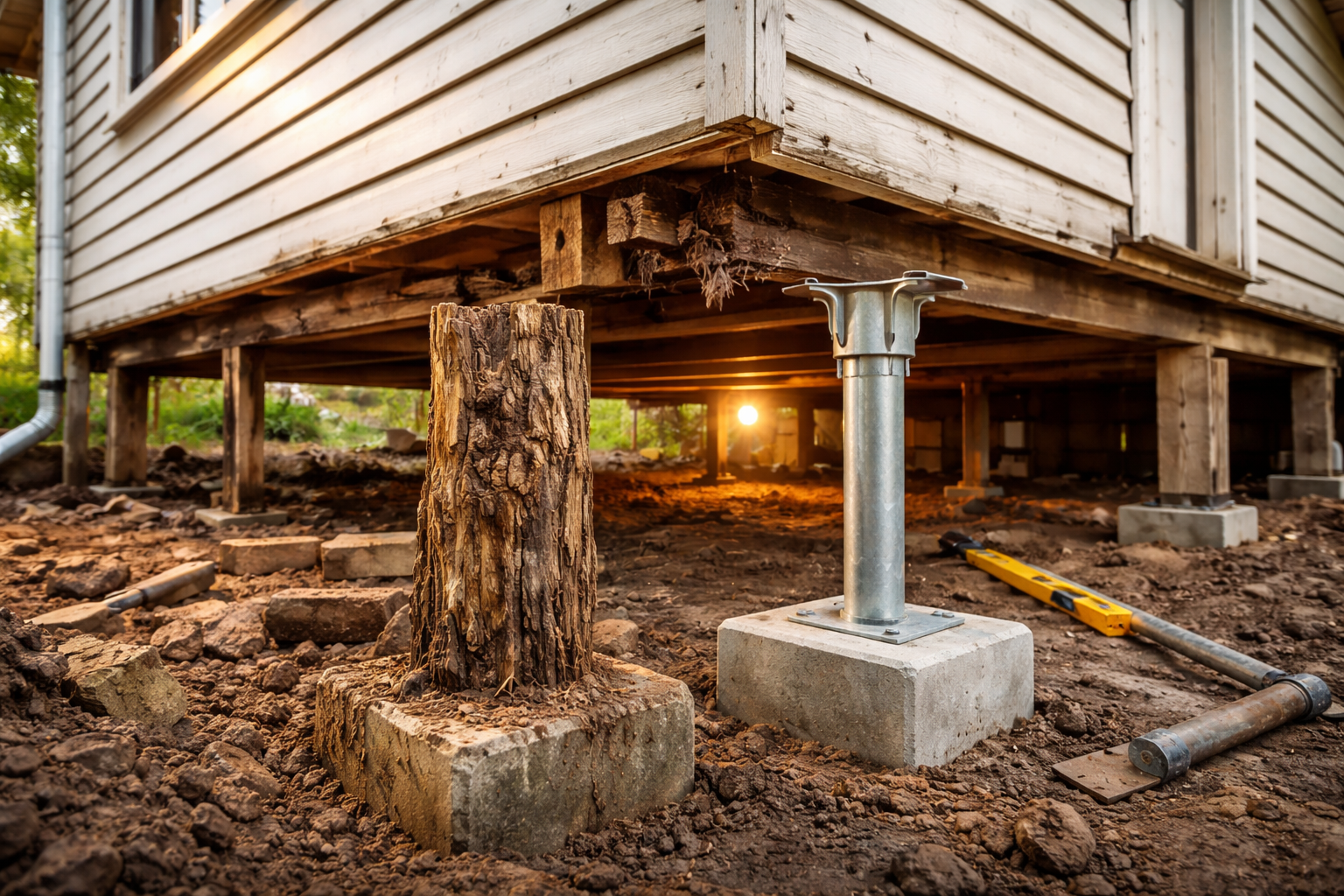
Expansive clay expands when wet and contracts during dry spells. This repeated movement creates differential settlement, where one corner of the home sinks faster than the rest. Remediation requires deep underpinning using steel push piers or helical piers anchored into stable bedrock or deep soil strata.
2. Hydrostatic Pressure and Poor Drainage
When rainwater accumulates around foundation footings due to improper grading or clogged gutters, water pressure builds against subterranean walls. Over time, this pressure causes basement walls to bow inward. Repair methods include installing basement carbon fiber reinforcement straps, wall anchors, or interior wall-drain systems.
3. Under-Slab Plumbing Leaks
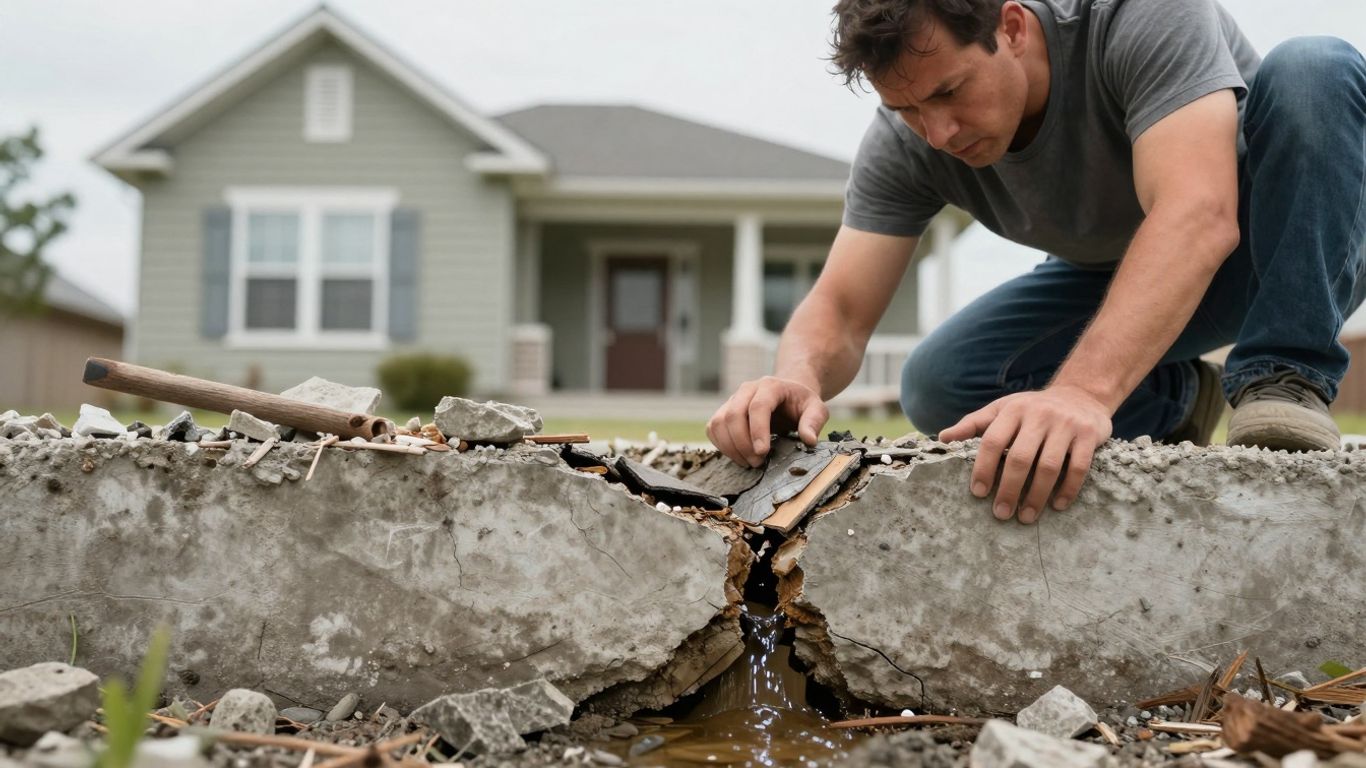
Slow water leaks beneath concrete slabs saturate supporting soil, washing away load-bearing fill and leaving voids under the concrete. Once the slab loses sub-grade support, it cracks and sags under the dwelling's weight.
Cost Comparison: Maintenance and Insurance vs. Out-of-Pocket Restoration
Investing in preventive maintenance and insurance endorsements is significantly more cost-effective than paying for unassisted structural repairs out of pocket.
- Basic Endorsement Package (Annual Cost): Adding water backup, plumbing tear-out, and localized drainage riders typically adds $150 to $450 per year to a standard homeowners policy premium.
- Underpinning and Pier Installation: Installing 8 to 12 push piers to stabilize a sinking foundation costs between $12,000 and $25,000.
- Slab Leak Repair with Foundation Access: Locating, breaking through, repairing, and re-pouring concrete slabs around plumbing lines runs between $4,000 and $10,000 without tear-out coverage.
- Basement Wall Anchoring: Securing bowed basement walls using wall anchors or carbon fiber strips ranges from $5,000 to $15,000 depending on linear footage.
Actionable Steps to Secure and Maintain Coverage
To protect structural investments and avoid denied claims, homeowners should follow a structured approach to risk management:
- Review Policy Exclusions Annually: Examine the policy's structural exclusions, focusing on terms like "earth movement," "settling," "wear and tear," and "water seepage."
- Add Key Policy Riders: Consult an insurance advisor to add endorsements for water backup, slab leak tear-out, and regional ground movement. Policyholders can consult resources from the National Association of Insurance Commissioners to understand state-specific rider options.
- Conduct Regular Structural Inspections: Check exterior brickwork for stair-step cracks, basement walls for horizontal cracking, and interior doors for sticking. Address soil slope issues so water drains away from the foundation footings.
- Maintain Plumbing Integrity: Monitor water bills for unexplained spikes that indicate hidden under-slab leaks. Perform annual pressure tests on older plumbing systems.
- Document Home Condition: Keep digital records, photographs, and professional inspection reports. If a sudden event damages the home, documented baseline conditions support claim approval.
Frequently Asked Questions
Does standard homeowners insurance cover foundation repair?
Standard homeowners insurance only covers foundation repair if the damage is directly caused by a covered "named peril," such as a fire, explosion, or vehicle crash. It excludes damage from gradual settling, soil contraction, earth movement, and routine wear and tear.
What is a slab leak tear-out endorsement?
A slab leak tear-out endorsement is a policy add-on that pays for the labor and structural work required to break through a foundation slab to access and repair damaged plumbing pipes beneath the home, as well as restoring the concrete afterward.
Can I buy a policy that covers gradual foundation settling?
Generally, standard insurance companies do not offer coverage for gradual foundation settling caused by natural soil movement or age. However, homeowners can purchase structural warranties (for new builds) or specialized ground-movement endorsements to protect against major structural failures.
How do I know if my foundation damage is structural or cosmetic?
Hairline surface cracks (less than 1/16 inch wide) are usually cosmetic settlement issues. Horizontal cracks on concrete basement walls, stair-step cracks in exterior brickwork, diagonal drywall cracks over door frames, or sticking doors typically indicate structural movement that requires professional engineering evaluation.
How much do foundation repair riders typically cost?
Basic foundation-related riders—such as water backup and plumbing tear-out endorsements—generally cost between $100 and $500 annually, depending on the home's location, age, and policy limits.
Practical Recommendations
Homeowners should inspect their foundation annually and review their insurance policy terms before structural problems arise. Contact your insurance provider to confirm whether your current policy includes slab leak access and tear-out coverage. If your home rests on expansive clay soil or is located in a high-risk geological zone, purchase specialized riders for water backup, sinkhole, or earthquake risks. Pairing proper home maintenance—such as functional gutters and correct soil grading—with target insurance endorsements provides the best defense against structural damage and financial loss.
Disclaimer: Insurance coverage rules, policy availability, and statutory mandates vary by state and jurisdiction. This article is for informational purposes only and does not constitute formal legal, financial, or engineering advice. Consult a licensed insurance agent and professional structural engineer regarding your specific property conditions.
Image Gallery