Understanding the Volvo XC90 Maintenance Schedule and Costs
The Volvo XC90 is a sophisticated luxury SUV that requires strict adherence to a manufacturer-recommended maintenance schedule to ensure longevity, safety, and optimal performance. Owners should anticipate regular service intervals eve...
The Volvo XC90 is a sophisticated luxury SUV that requires strict adherence to a manufacturer-recommended maintenance schedule to ensure longevity, safety, and optimal performance. Owners should anticipate regular service intervals every 10,000 miles or annually, with costs varying significantly based on whether services are performed at a dealership or an independent shop and the specific model year and powertrain variant.
Contents
The Importance of the Volvo Scheduled Maintenance Plan
Volvo’s engineering philosophy emphasizes long-term reliability through preventative care. The XC90 uses advanced electronic systems, complex turbocharging or supercharging components (in internal combustion models), and high-voltage battery systems (in Recharge plug-in hybrid variants). Ignoring service intervals does more than void potential warranty claims; it risks the degradation of sensitive components that are expensive to replace.
The manufacturer’s service intervals are designed to address wear-and-tear items before they lead to catastrophic mechanical failure. By following the Volvo maintenance schedule, you ensure that vital fluids—such as synthetic motor oil, brake fluid, and coolant—are replaced before they lose their lubricating or cooling properties. Furthermore, regular inspections allow technicians to identify software updates, which are increasingly critical for the XC90’s Sensus or Google-integrated infotainment systems and ADAS (Advanced Driver Assistance Systems) features.
Breaking Down the Service Intervals
Volvo generally mandates service every 10,000 miles. However, driving conditions influence the wear on your vehicle. If you frequently tow, drive in extreme temperatures, or operate the vehicle in dusty environments, Volvo recommends more frequent fluid and filter changes.
- The 10,000-Mile/1-Year Service: This is typically an entry-level service focused on an oil change, filter replacement, and a comprehensive multi-point inspection. Technicians check the underbody, lighting, battery health, and tire pressure.
- The 20,000-Mile/2-Year Service: This interval is more intensive. In addition to oil changes, technicians often replace the cabin air filter and conduct a more rigorous inspection of the brake pads, rotors, and suspension bushings.
- The 40,000-Mile/4-Year Service: This represents a major service interval. Expect the replacement of spark plugs (for gasoline-powered engines), brake fluid flushing, and a thorough inspection of the drivetrain. For plug-in hybrid models, this may also include specific checks on the high-voltage cable connectors and cooling systems for the electric motor.
Estimated Maintenance Costs in 2026
Maintenance costs for the XC90 are positioned within the premium luxury segment. In 2026, owners should budget based on a mix of labor rates and parts availability. Dealership service centers typically charge higher labor rates than independent European-specialist shops but offer the benefit of OEM (Original Equipment Manufacturer) parts and certified technicians with direct access to Volvo’s diagnostic software (VIDA).
| Service Interval | Typical Dealership Cost (Estimate) | Scope of Service |
|---|---|---|
| 10k / Annual | $300 – $500 | Oil, Filter, Inspection |
| 20k / 2-Year | $500 – $800 | Oil, Cabin Filter, Brakes Check |
| 40k / 4-Year | $900 – $1,400 | Spark Plugs, Brake Fluid, Major Inspect |
| 60k / 6-Year | $1,200 – $1,800 | Belts, Fluids, Comprehensive Tune-up |
Note: These figures are estimates based on 2026 market averages. Costs vary significantly by region, local labor rates, and the specific engine configuration (e.g., T6, T8, or B6 mild-hybrid).
Understanding Powertrain Variations
The XC90 has evolved through several powertrain iterations, including the Drive-E engines (T5, T6, T8) and the newer B-series mild-hybrid powertrains.
- Mild-Hybrid (B5/B6): These models feature a 48V battery system. While they offer improved efficiency, the maintenance schedule includes additional inspections of the 48V integrated starter generator.
- Plug-in Hybrid (Recharge): The T8 Recharge models require specific attention to the electric cooling system and charging port hardware. Failure to maintain the hybrid battery’s cooling system can lead to range reduction and potential warning lights on the driver display.
Factors Influencing Long-Term Ownership Costs
While scheduled maintenance is predictable, long-term ownership costs are also influenced by "wear items."
- Tires: Due to the weight of the XC90, it is notorious for consuming tires faster than lighter sedans. High-performance tires with softer compounds may need replacing every 25,000–30,000 miles.
- Braking Systems: The XC90’s weight also puts significant strain on the braking system. Ensure your mechanic checks the thickness of both pads and rotors at every oil change.
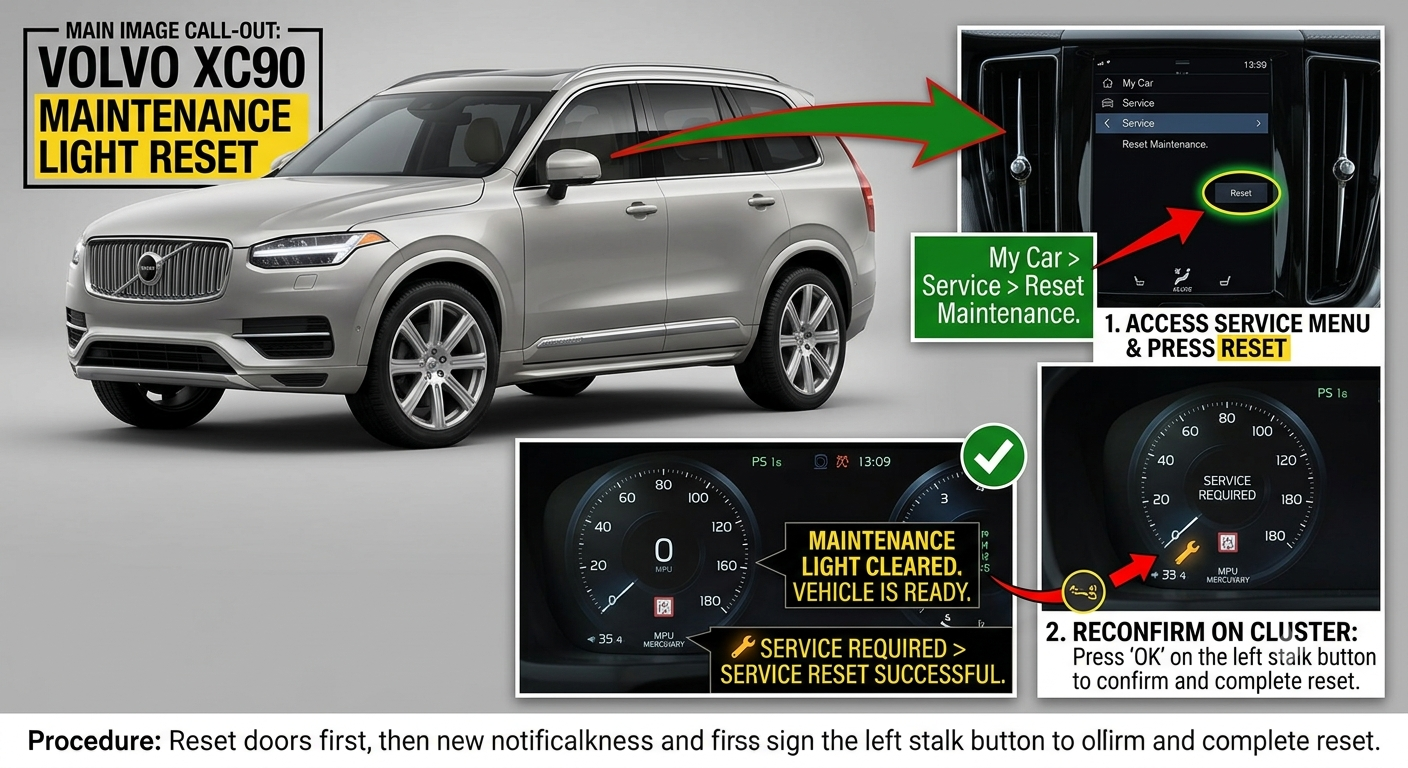
- Independent vs. Dealership: If your vehicle is out of warranty, an independent shop specializing in Volvo vehicles can often save you 20% to 30% on labor compared to a dealership. However, ensure they have the proper diagnostic tools to reset the "Service Required" light, which is a proprietary system.
Troubleshooting Common Maintenance Queries
If you see a "Service Required" message on your dashboard, do not ignore it. It is often triggered by a mileage-based timer or a specific sensor reading. If the message appears prematurely, check your oil level via the digital dipstick in the infotainment menu; low oil levels can trigger urgent maintenance alerts.
Frequently Asked Questions
Does the Volvo XC90 require synthetic oil? Yes. All modern Volvo XC90 engines require full synthetic oil to meet the specific viscosity and chemical requirements of the turbocharger and hybrid systems. Using conventional oil can lead to sludge buildup and catastrophic engine failure.
Can I perform my own oil changes? While you can, it is technically demanding. The XC90 lacks a physical dipstick, requiring you to use the vehicle's onboard software to verify oil levels. Furthermore, the oil filter housing requires specialized tools, and you must have access to a system that can reset the maintenance light.
What happens if I miss a service interval? Missing an interval by a few hundred miles is unlikely to cause immediate damage, but consistently skipping service will void your powertrain warranty and significantly reduce the vehicle’s resale value, as buyers prioritize vehicles with a documented service history.
Is it worth purchasing a Pre-Paid Maintenance Plan? If you plan to service your vehicle exclusively at a dealership, a pre-paid plan often acts as an inflation hedge. It locks in the price of parts and labor at current 2026 rates, shielding you from future price increases during the duration of the contract.
How do I verify if a service was performed correctly? Always request a multi-point inspection report that includes brake pad measurements in millimeters, tire tread depth in 32nds, and a list of any software updates performed. This document serves as your proof of maintenance for warranty claims or future sale.
Recommendation for Owners
To manage your XC90 maintenance effectively, keep a physical or digital folder containing every invoice and service record. If you are approaching the end of your factory warranty, consider a professional third-party inspection to identify any potential issues that can be resolved under the original coverage. Always prioritize OEM parts for critical components—especially sensors and cooling system parts—as aftermarket alternatives often lack the precision required for the XC90’s complex electronic architecture.
Image Gallery