How to Access and Remove Mug Shots in Maricopa County: Official MCSO Process and Legal Rights
Maricopa County booking photos (mug shots) are classified as public records under Arizona law, managed primarily by the Maricopa County Sheriff's Office. While MCSO no longer publishes an unmonitored online photo gallery for public bro...
Maricopa County booking photos (mug shots) are classified as public records under Arizona law, managed primarily by the Maricopa County Sheriff's Office. While MCSO no longer publishes an unmonitored online photo gallery for public browsing, records can be officially requested through the MCSO Public Records Unit or managed legally under state privacy statutes.
Contents
Navigating Maricopa County Arrest Records and Public Record Laws
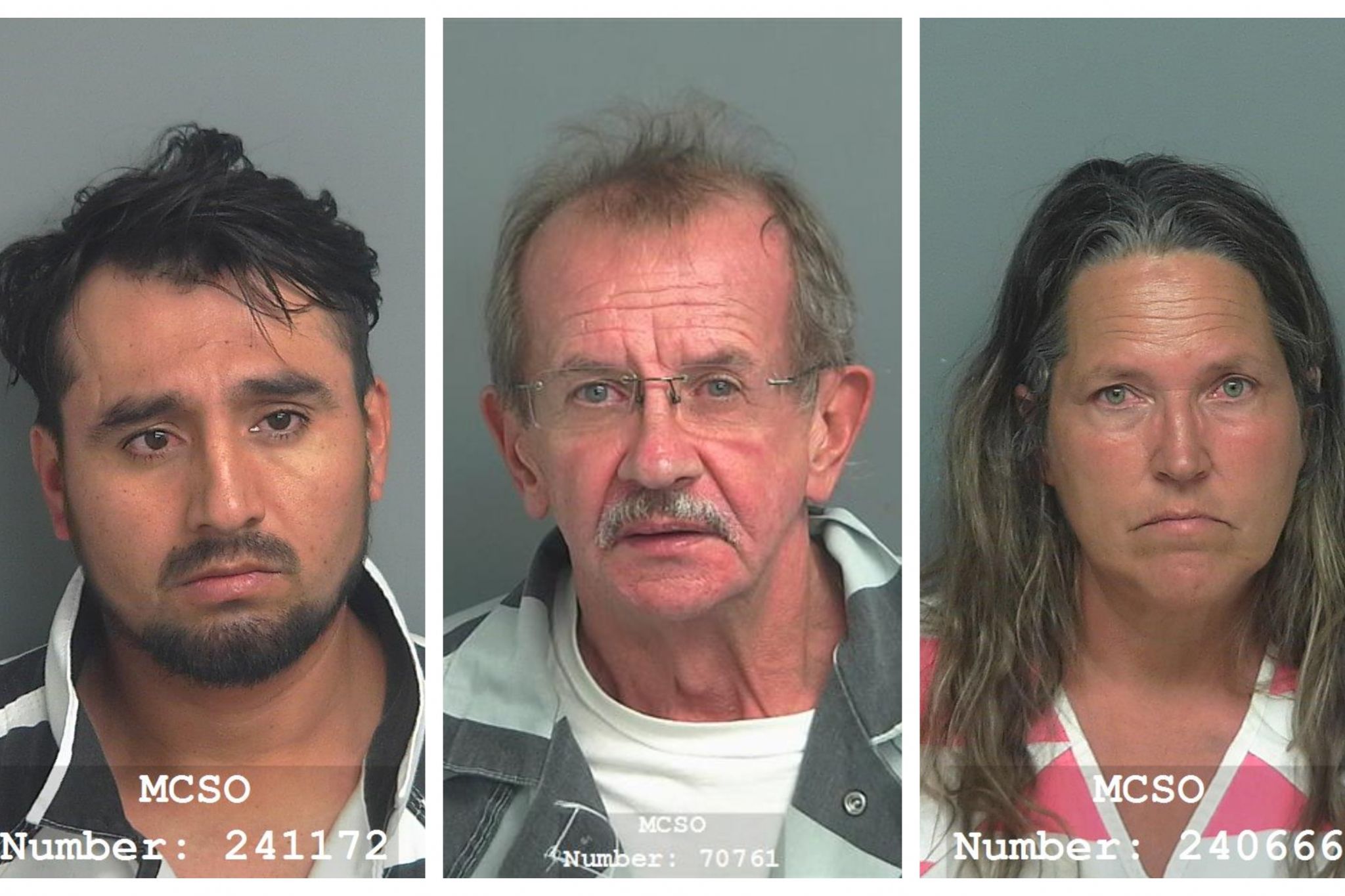
In Maricopa County, Arizona, booking photos—commonly referred to as mug shots—are generated during the formal intake process at county correctional facilities, primarily the Intake, Transfer, and Release (ITR) facility in Phoenix. When an individual is processed by the Maricopa County Sheriff's Office (MCSO) or local municipal police departments (such as Phoenix, Mesa, Scottsdale, or Tempe), a digital booking record is created. This record includes demographic data, active criminal charges, a unique booking number, and a photographic record of the individual at the time of arrest.
The governance of these records falls under the Arizona Public Records Law (Arizona Revised Statutes Title 39). Under A.R.S. § 39-121, public records and duties are open to inspection by any person, subject to specific statutory exemptions, judicial privacy balancing tests, and law enforcement restrictions. Historically, law enforcement agencies in Maricopa County published active booking photographs to open-access public portals. However, administrative policies evolved to prevent the commercial exploitation of arrest records by unaccredited third-party websites.
While arrest records remain public domain in a broad legal sense, accessing official booking photographs now requires navigating specific administrative request procedures. Understanding the distinction between active inmate lookup data, historical court dockets, and official public record fulfillment is essential for individuals searching for records or seeking to mitigate the online visibility of booking photographs.
Official Channels to Access Booking Photos in Maricopa County
Obtaining an official booking photograph requires contacting the designated custodian of records for Maricopa County. The primary entity responsible for maintaining detention and intake photographs is the Maricopa County Sheriff's Office.
1. The MCSO Public Records Unit
The MCSO Public Records Unit handles all formal requests for law enforcement documents, incident reports, and booking photographs. Booking photos are not automatically emailed or displayed on general inmate search portals due to administrative policy updates designed to protect personal privacy and public security.
To request a specific mug shot, requests must be submitted directly through the official MCSO Public Records Portal or delivered in person/via mail to the MCSO Records Division in downtown Phoenix.
2. The MCSO Active Inmate Information Search
The Sheriff’s Office maintains an online Inmate Information Search tool designed to provide real-time updates regarding individuals currently detained within the Maricopa County jail system (such as the Fourth Avenue Jail or the ITR Facility).
The online search tool provides:
- Full legal name and known aliases.
- Date of birth and physical characteristics.
- Booking number and housing location.
- Arresting agency and specific criminal charges.
- Scheduled court dates and judicial bond amounts.
Note: The public online inmate lookup interface displays custody details and charge descriptions, but standard public views withhold full-resolution booking images unless an explicit public record request has been processed and approved.
3. Maricopa County Superior Court Records
While the court system does not directly host law enforcement booking photos on its public case search portals, criminal case filings, minute entries, and case dockets are accessible through the Clerk of the Superior Court in Maricopa County. If a booking photograph has been submitted into evidence during formal court proceedings, it becomes part of the permanent judicial record, accessible via court record inspection procedures unless sealed by a judge.
How to Submit a Formal Public Records Request for MCSO Mugshots
To obtain an official copy of a booking photo from the Maricopa County Sheriff's Office, requesters must complete a formal public record request. Standard processing requires adherence to specific administrative steps to ensure compliance with Arizona public records statutes.
Request Preparation -> Online/Mail Submission -> Verification & Review -> Payment Processing -> Record Delivery
Step 1: Gather Mandatory Identifying Information
To prevent delays or rejected requests, compile precise identifiers regarding the arrest event. The MCSO Public Records Unit requires at least two of the following key details:
- The full legal name of the arrested individual (including correct spelling and known aliases).
- Date of Birth (DOB).
- Specific Booking Number (a 7-digit identifier assigned at intake).
- Exact date and location of the arrest.
- The arresting agency (e.g., MCSO, Phoenix Police Department, Arizona Department of Public Safety).
Step 2: Access the MCSO Public Records Request Portal
Navigate to the official Maricopa County Sheriff's Office Public Records Request portal. Requesters must create a user account to track the status of their application. Alternatively, requests can be submitted in writing via postal mail or in person at the MCSO Records Center.
Step 3: Specify the Requested Records
Clearly state that you are requesting the official booking photograph (mug shot) associated with the specific booking number or incident report. If you also require the accompanying arrest report, PC (Probable Cause) statement, or disposition record, indicate these additional items in the request form.
Step 4: Record Review and Statutory Redaction
Once received, the MCSO Records Division reviews the file. Under Arizona case law (such as Carlson v. Pima County), law enforcement agencies may redact or withhold booking photos if disclosure poses a threat to an ongoing criminal investigation, compromises jail security, or violates personal privacy rights that outweigh the public interest in disclosure.
Step 5: Pay Processing Fees and Receive File
Administrative fees for public records vary based on the format requested (digital download vs. physical hard copy). Upon approval and fee payment, digital records are delivered directly through the secure online portal.
Commercial Web Display vs. Official Records: Arizona Mugshot Laws
The proliferation of commercial third-party "mugshot websites" led the State of Arizona to pass legislation protecting citizens from predatory publishing practices. These websites scrape public law enforcement portals, index booking photos on major search engines, and historically demanded payment to remove the images.
Commercial Mugshot Extortion Prohibitions (A.R.S. § 44-7902)
Arizona law strictly addresses commercial mugshot publishing under A.R.S. § 44-7902. This statute establishes clear legal boundaries regarding how commercial entities may handle booking photographs:
Prohibition of Fee-Based Removal: It is unlawful for any commercial entity that publishes, redistributes, or disseminates a booking photograph on a website or print publication to require the payment of a fee or other consideration to remove, edit, or suppress the photograph.
Mandatory Removal Requirements: If an individual whose mugshot was published submits a written request for removal—along with proof that the arrest resulted in an acquittal, dismissal, non-filing of charges, or complete record sealing—the commercial publisher must remove the image free of charge within a statutorily defined timeframe.
Failure to comply with A.R.S. § 44-7902 constitutes an unlawful practice under Arizona Consumer Fraud statutes (A.R.S. § 44-1522), exposing non-compliant site operators to civil penalties, enforcement actions by the Arizona Attorney General, and private lawsuits.
Access Methods and Record Types in Maricopa County
Understanding where and how to search for arrest information determines the speed, cost, and legal validity of the retrieved records.
| Information Access Channel | Mugshot Availability | Primary Purpose | Cost Structure | Official Authority Status |
|---|---|---|---|---|
| MCSO Public Records Unit | Available via formal request | Official legal documentation, court use, background checks | Standard administrative copy fee | Official Government Record |
| MCSO Online Inmate Search | Text custody data only (Photos withheld) | Locating active inmates, checking bail/bond and release dates | Free online access | Official Active Custody System |
| Maricopa Superior Court Docket | Generally no (Unless admitted as evidence) | Reviewing criminal charges, case status, trial schedules | Free online lookup; copy fees apply for certified records | Official Judicial Record |
| Arizona DPS Criminal History | Standard fingerprint criminal history record | Comprehensive statewide background checks | Fixed statutory state processing fee | Official State Repository |
| Third-Party Background Websites | Varies (Scraped public web data) | Commercial background aggregations | Monthly subscription or per-report fee | Unofficial Commercial Entity |
Steps to Remove or Suppress Mugshots from Search Engines and Commercial Sites
If an arrest photo appears on public search engine results through commercial aggregator sites, several administrative and legal avenues are available to force removal or suppress visibility.
1. Leverage Arizona Record Sealing Laws (A.R.S. § 13-911)
Arizona's comprehensive record-sealing statute (A.R.S. § 13-911) allows individuals who have completed their sentence, had charges dismissed, or were acquitted to petition the court to seal their arrest records, court files, and mugshots.
Once a judge grants an order under A.R.S. § 13-911:
- The arrest and conviction records are sealed from general public inspection.
- State and local agencies (including MCSO and the Arizona Department of Public Safety) must update their databases.
- You are legally permitted to state that the arrest or conviction never occurred in most public and employment applications.
- Serving a certified copy of the court order on commercial websites obligates them to remove the booking photo immediately under state consumer protection statutes.
2. Issue a Formal Cease-and-Desist under A.R.S. § 44-7902
If a website demands money to remove a Maricopa County mugshot, send a written Notice of Violation citing A.R.S. § 44-7902. Include the relevant case documentation (such as a dismissal order, certificate of innocence, or proof of charge non-filing). State clearly that demanding payment for record removal constitutes consumer fraud under Arizona law.
3. Request Search Engine De-Indexing
Major search engines maintain strict content policies regarding mugshots and personal identification records:
- Submit a formal removal request directly to search engine webmaster portals citing state statutory protections.
- Provide documentation showing that the website charging for removal or displaying the photo violates local laws or search engine editorial policies regarding predatory removal practices.
- Once approved, the search engine will remove the URL from public search results, effectively breaking the link between your legal name and the booking photo.
Frequently Asked Questions
Can I look up a Maricopa County mugshot online for free?
You can search the free MCSO Online Inmate Search tool to view current custody details, criminal charges, and bail information. However, actual booking images are not published directly on the initial public web portal and must be formally requested through the MCSO Public Records Unit.
How long does it take MCSO to process a public records request for a booking photo?
Processing times vary depending on request volume, staff availability, and whether statutory redactions are required. Standard requests generally take between 5 to 15 business days to complete through the official online portal.
Is it legal for a website to charge money to remove a Maricopa County mugshot?
No. Under A.R.S. § 44-7902, it is strictly illegal for commercial websites to demand a fee to remove or suppress booking photos in Arizona. Violations can be reported to the Arizona Attorney General’s Office as consumer fraud.
Does getting charges dismissed automatically delete a mugshot from Maricopa County databases?
No. A dismissal does not automatically purge law enforcement databases. To officially restrict public access to your booking record, you must file a petition to seal your arrest record under A.R.S. § 13-911 in the appropriate Maricopa County court.
Can law enforcement withhold a booking photo from a public records request?
Yes. The Maricopa County Sheriff's Office may withhold or redact booking photographs if disclosure would compromise an active criminal investigation, endanger the safety of law enforcement personnel or victims, or breach judicial privacy protections.
Legal Compliance and Public Record Resources
Navigating public records and protecting personal privacy requires using official government channels. For formal record requests, inmate tracking, or judicial petitions in Maricopa County, consult the primary agency portals directly:
- Maricopa County Sheriff's Office (MCSO) Records Division: Submit official public record requests for arrest documentation and booking photographs.
- Clerk of the Superior Court, Maricopa County: Access criminal dockets, minute entries, and information regarding record sealing petitions under A.R.S. § 13-911.
- Arizona Attorney General’s Office (Consumer Protection Division): File formal complaints against commercial websites attempting to charge fees for mugshot removal in violation of state law.
Image Gallery