The Comprehensive History of Western & Southern Life Insurance: From 1888 to 2026
The Western & Southern Financial Group, originating as The Western and Southern Life Insurance Company in 1888, has evolved from a regional industrial insurer into a diversified Fortune 500 financial services leader. Over its nearly 14...
The Western & Southern Financial Group, originating as The Western and Southern Life Insurance Company in 1888, has evolved from a regional industrial insurer into a diversified Fortune 500 financial services leader. Over its nearly 140-year history, the company has maintained stability through conservative fiscal management, strategic acquisitions like Gerber Life, and a commitment to its mutual-interest heritage.
Contents
The Foundations of a Cincinnati Legacy (1888–1900)
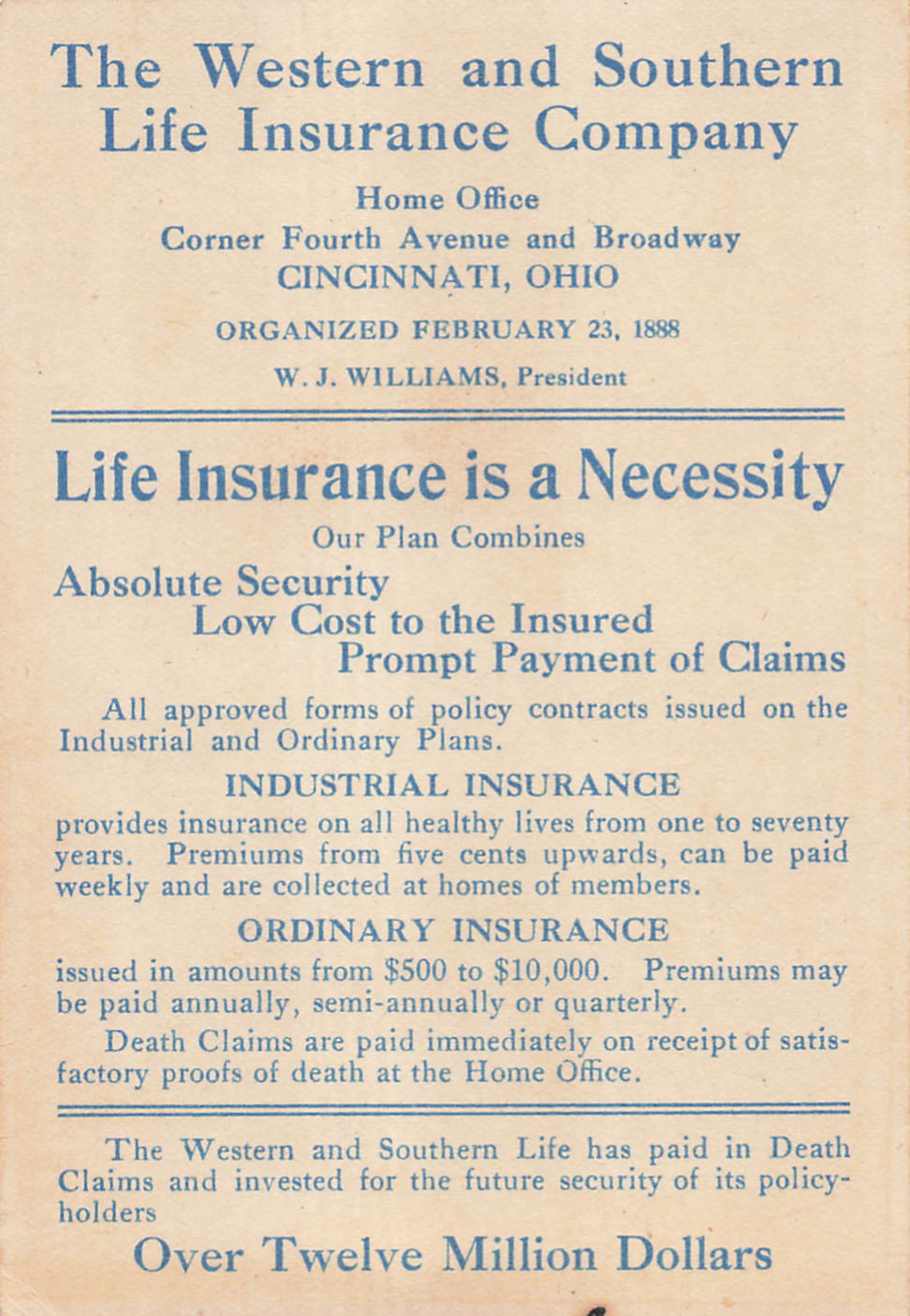
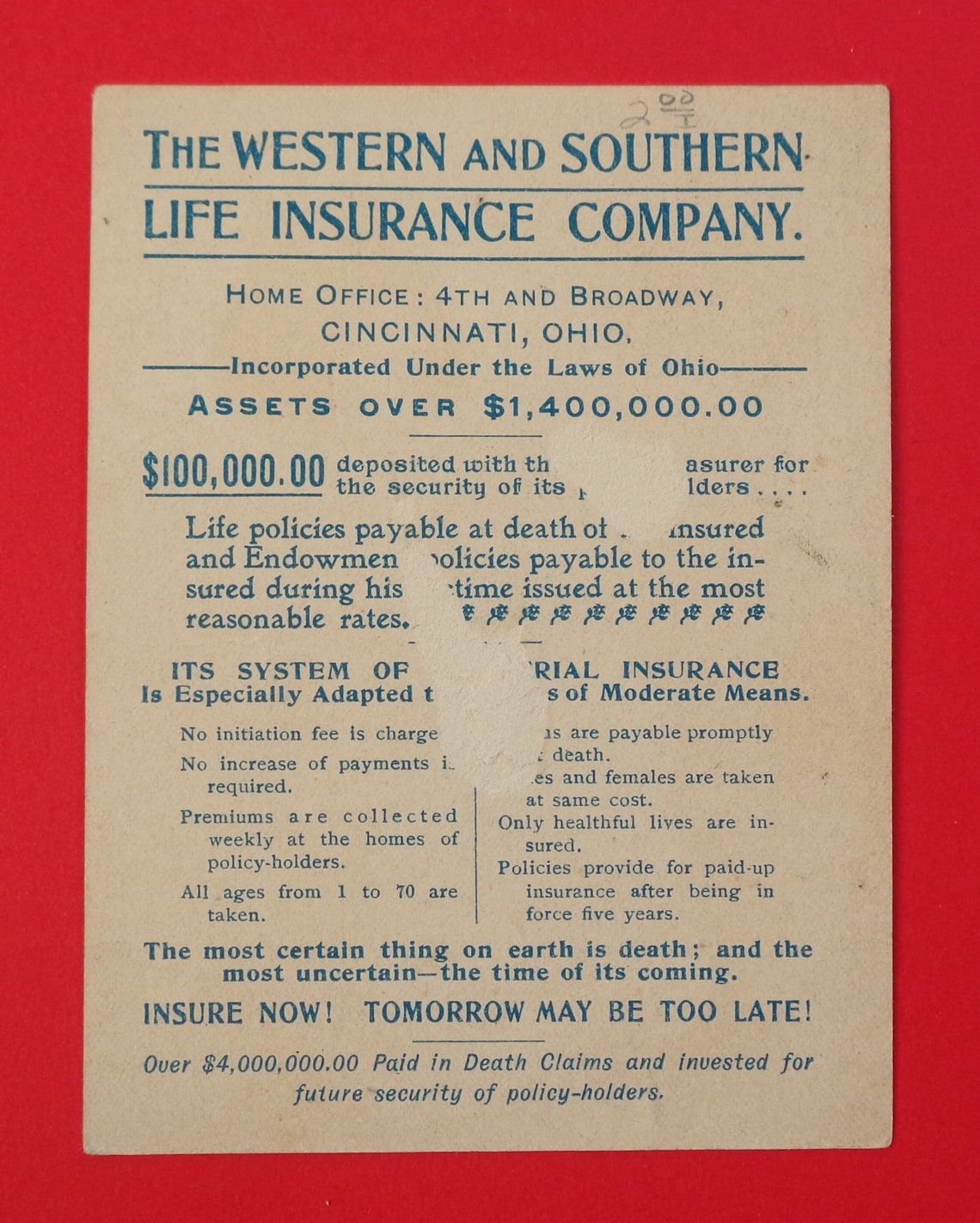
The history of Western & Southern Life Insurance began in a modest office in Cincinnati, Ohio. Founded by William J. Williams and Richard A. Ryan, the company was incorporated on February 23, 1888. At the time, the insurance landscape was vastly different from the digital "www" interface customers use in 2026. The primary product was "industrial insurance," a specialized type of coverage designed for the working class.
Industrial insurance was characterized by small face amounts—often just enough to cover funeral expenses—and weekly premium collections. Agents would literally walk the neighborhoods of Cincinnati, knocking on doors to collect nickels and dimes. This high-touch, community-based model allowed Western & Southern to build deep trust within the local population. By the end of its first year, the company had issued 3,500 policies, a significant feat for a startup in a competitive Midwestern market.
Geographic Expansion and the Transition to Ordinary Life
As the 20th century dawned, Western & Southern began to outgrow its Cincinnati roots. The leadership recognized that while industrial insurance provided a stable base, the growing middle class required "Ordinary" life insurance—policies with larger face values and monthly or annual premiums.
Throughout the early 1900s, the company expanded its footprint across the "North Central" United States, moving into Kentucky, Indiana, Pennsylvania, and Illinois. This expansion was not merely about sales; it required a massive administrative undertaking. Before the age of the internet and the modern web portal, every policy was hand-recorded in massive ledgers. The company’s commitment to meticulous record-keeping during this era laid the groundwork for the financial accuracy that defines its modern operations.
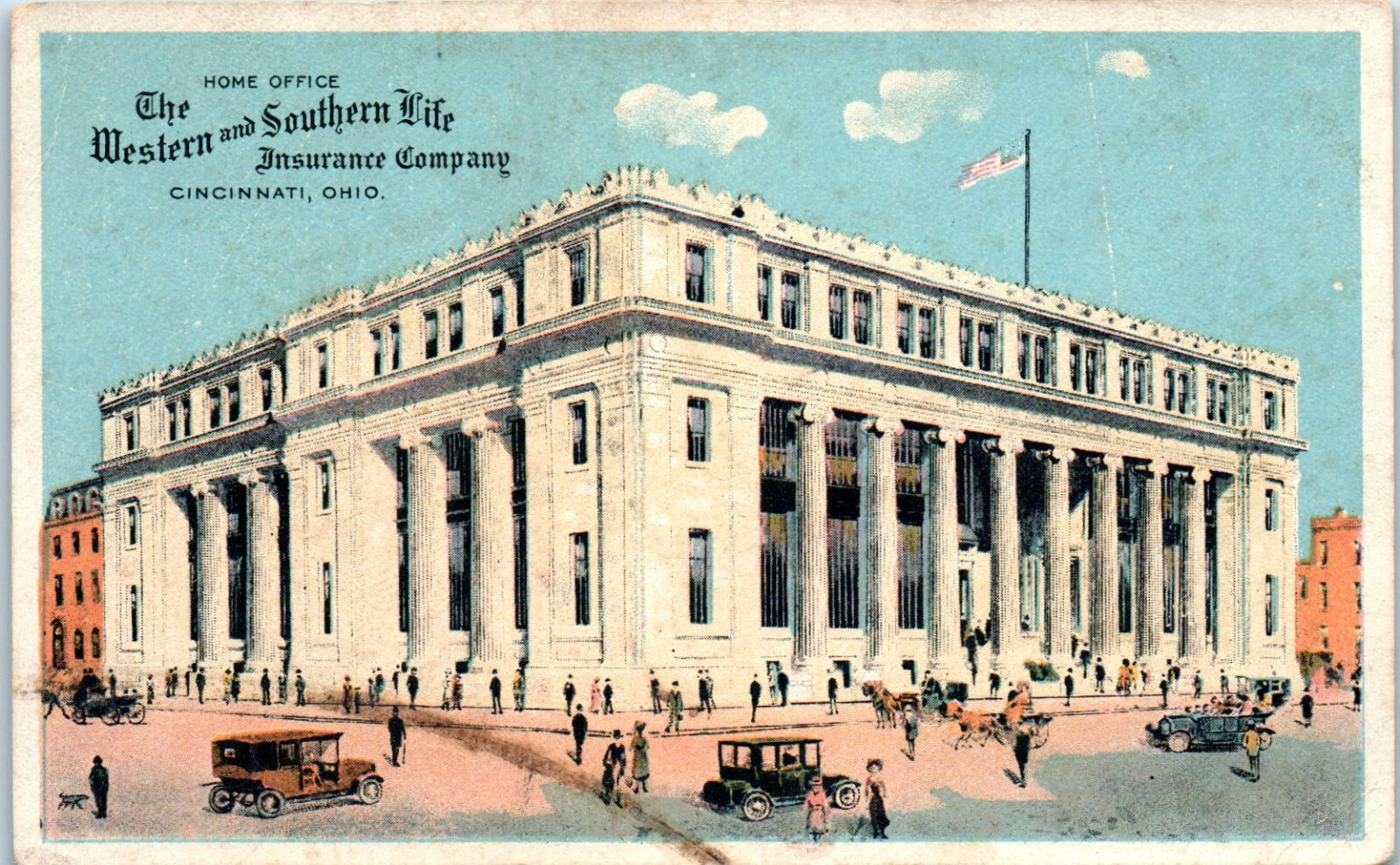
By the 1920s, Western & Southern had established itself as a pillar of the Cincinnati skyline. The construction of its iconic headquarters on Broadway Street symbolized its permanence. Even during the volatile years leading up to the Great Depression, the company maintained a highly conservative investment portfolio, focusing on high-quality bonds and mortgages, a strategy that would soon be put to the ultimate test.
Resilience Through the Great Depression and Mutualization
The 1930s were a defining period for the American life insurance industry. While many financial institutions failed, Western & Southern remained solvent. Its focus on industrial insurance actually provided a degree of protection, as the small weekly premiums were often the last thing families would stop paying, viewing the coverage as a vital safety net for their loved ones.
A pivotal moment in the company’s history occurred in 1948: the transition to a mutual company. In a mutual structure, the company is technically "owned" by its policyholders rather than outside stockholders. This shift allowed Western & Southern to prioritize long-term stability and policyholder dividends over short-term quarterly earnings. This philosophy remains a cornerstone of the organization in 2026, though it later evolved into a mutual holding company structure to allow for more flexible capital management and acquisitions.
The Modern Era: Diversification and the "Group" Identity
In the late 20th century, under the leadership of executives like John F. Barrett, Western & Southern began a rapid transformation. The goal was to move beyond being a simple life insurance provider to becoming a diversified financial services "Group." This era saw the acquisition of several high-profile subsidiaries, expanding the company’s reach into annuities, mutual funds, and institutional investment management.
The "www" era—the digital transformation of the company—began in earnest in the late 1990s and early 2000s. Western & Southern recognized that the traditional door-to-door collection model was no longer viable. The company invested heavily in digital infrastructure, allowing policyholders to manage accounts, pay premiums, and file claims via the web. This modernization ensured that the company could compete with younger, "insurtech" firms while maintaining its century-old reputation for reliability.
Key Milestones in the Western & Southern Evolution
| Year | Event | Significance |
|---|---|---|
| 1888 | Incorporation in Cincinnati | Established the foundation of the company by Williams and Ryan. |
| 1948 | Mutualization | Transformed the company into a policyholder-owned entity. |
| 1980s | Diversification Strategy | Began acquiring financial firms to expand beyond life insurance. |
| 2018 | Acquisition of Gerber Life | Added a massive direct-to-consumer brand for juvenile life insurance. |
| 2021 | Fabric Acquisition | Accelerated digital transformation by acquiring a modern fintech platform. |
| 2026 | Current Status | A Fortune 500 leader with over $100 billion in assets under management. |
Strategic Acquisitions: Building a Powerhouse
Western & Southern’s growth in the 21st century has been defined by its ability to integrate diverse companies into its portfolio while allowing them to maintain their unique brand identities.
- Columbus Life Insurance Company: This acquisition strengthened the group’s position in the high-net-worth market, offering sophisticated universal life and term products.
- The Lafayette Life Insurance Company: Focused on small business owners and the middle market, Lafayette Life added a robust network of independent agents to the group.
- Integrity Life and National Integrity Life: These entities expanded the group’s reach into the annuity market, providing essential retirement income solutions.
- Gerber Life Insurance Company: In 2018, Western & Southern completed the acquisition of Gerber Life from Nestlé. This was a transformative move, bringing one of the most recognized consumer brands in the world into the fold and significantly increasing the group’s scale in the juvenile life insurance space.
Financial Strength and Ratings
In 2026, the historical narrative of Western & Southern is inseparable from its financial ratings. Life insurance is a long-term promise—sometimes spanning 50 or 60 years. Therefore, the company's "strength" is its most important product.
Western & Southern consistently maintains some of the highest ratings in the industry from agencies such as Standard & Poor’s, A.M. Best, and Fitch. These ratings reflect the company’s very strong capital position and its history of navigating economic downturns without compromising its obligations to policyholders. The company’s "capital-to-asset" ratio has historically been among the highest in the life insurance industry, a metric that serves as a buffer against market volatility.
The Digital Transformation (www.westernsouthern.com)
The "www" prefix in the company’s history represents more than just a website; it represents the transition from a paper-based organization to a data-driven enterprise. By 2026, Western & Southern has fully integrated artificial intelligence and machine learning into its underwriting processes.
However, unlike some digital-only competitors, Western & Southern has maintained a hybrid approach. While customers can purchase policies entirely online via their various platforms (including the acquired Fabric by Gerber Life tech), they also maintain access to a network of financial professionals. This "phygital" (physical + digital) strategy acknowledges that while simple term life insurance can be bought on a smartphone, complex estate planning still requires a human touch.
Community and Civic Impact
One cannot discuss the history of Western & Southern without mentioning its impact on its home city, Cincinnati. The company has been instrumental in the revitalization of the city’s downtown district. It is the title sponsor of the Western & Southern Open, one of the premier tennis tournaments in the world, which brings significant global attention and economic activity to the region.
Furthermore, the company’s real estate arm, Eagle Realty Group, has been responsible for major developments, including the Great American Tower at Queen City Square—the tallest building in Cincinnati. This physical presence serves as a constant reminder of the company's historical role as a stabilizer and builder within its community.
FAQs About the History of Western & Southern
Is Western & Southern a public or private company?
Western & Southern is a private, policyholder-owned mutual holding company. Unlike a publicly traded company on the NYSE, it does not have shareholders. This structure allows the leadership to focus on long-term solvency and policyholder benefits rather than short-term stock price performance.
How did the acquisition of Gerber Life change the company?
The 2018 acquisition of Gerber Life was a major historical turning point. It provided Western & Southern with a massive, household-name brand and a direct-to-consumer channel. This supplemented their traditional agency-based distribution and gave them a leading position in the "Grow-Up® Plan" juvenile life insurance market.
What are the current financial strength ratings for Western & Southern in 2026?
Western & Southern continues to hold "Excellent" or "Very Strong" ratings from the major agencies. Specifically, they typically maintain an A+ or higher from A.M. Best and an AA- or higher from Standard & Poor’s. These ratings are verified annually and reflect the company's ability to meet its ongoing insurance obligations.
Why was the company founded in Cincinnati?
In the late 19th century, Cincinnati was a major industrial and transportation hub, often called the "Queen City of the West." The dense population of industrial workers provided the ideal environment for the "industrial insurance" model that the founders, Williams and Ryan, intended to launch.
Does Western & Southern only sell life insurance?
While life insurance is the historical core, the company has expanded significantly. In 2026, the Western & Southern Financial Group offers a wide array of products including fixed and variable annuities, mutual funds, institutional investment management, and real estate services through its various subsidiaries.
Final Recommendations for Policyholders and Historians
When researching the history of Western & Southern Life Insurance, it is essential to view the company as a "financial fortress." For current or prospective policyholders in 2026, the historical takeaway is the company’s consistent conservative management. While other firms chased high-risk returns in the early 2000s, Western & Southern’s adherence to high-quality assets ensured it emerged from the 2008 financial crisis and the 2020 pandemic in a position of strength.
If you are managing a policy today, utilize the official digital portal at westernsouthern.com to verify your coverage details, but do not hesitate to leverage their historical "high-touch" service by speaking with a representative. The company's legacy proves that while technology changes, the fundamental need for financial security remains constant.
Image Gallery