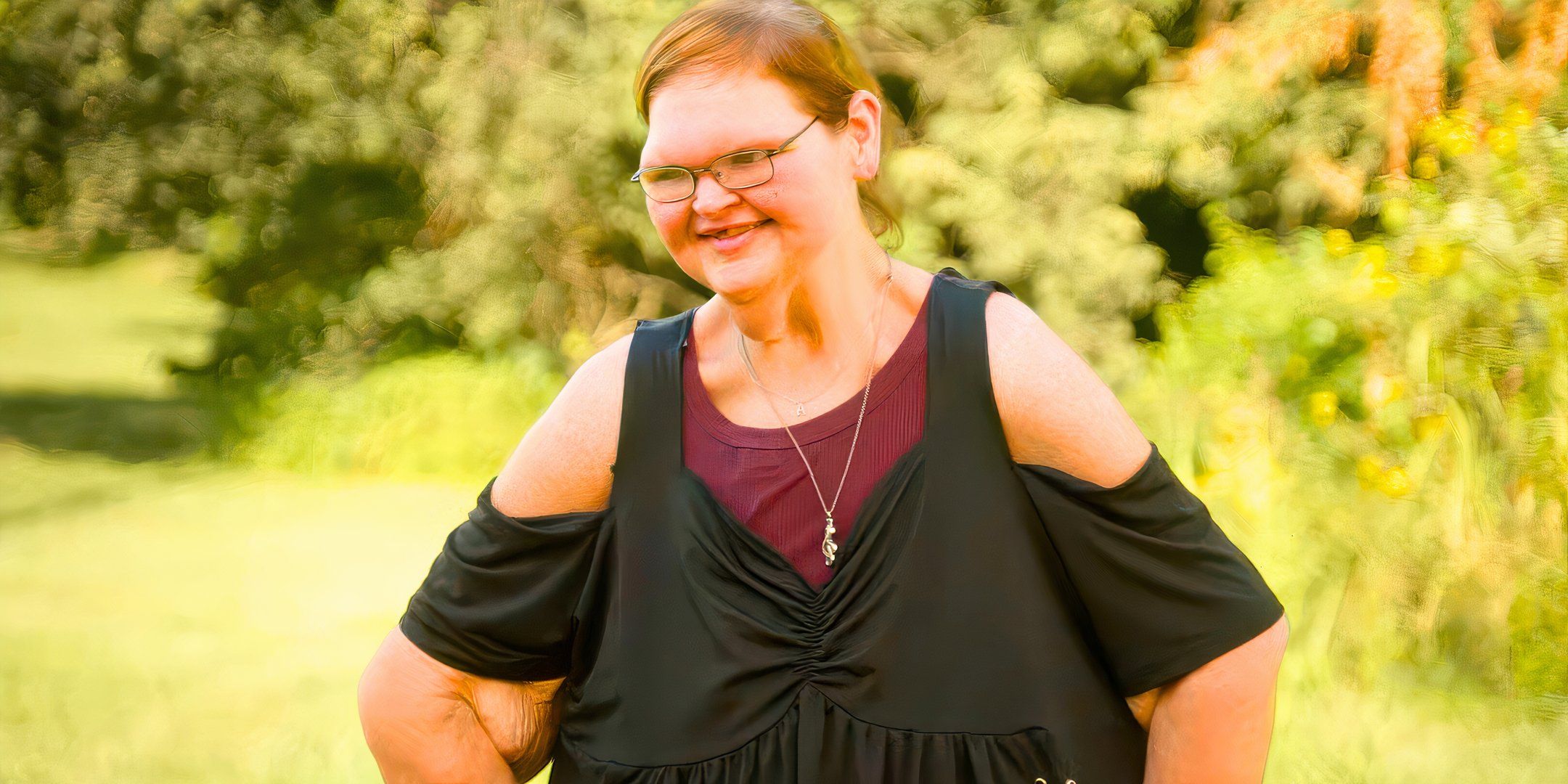
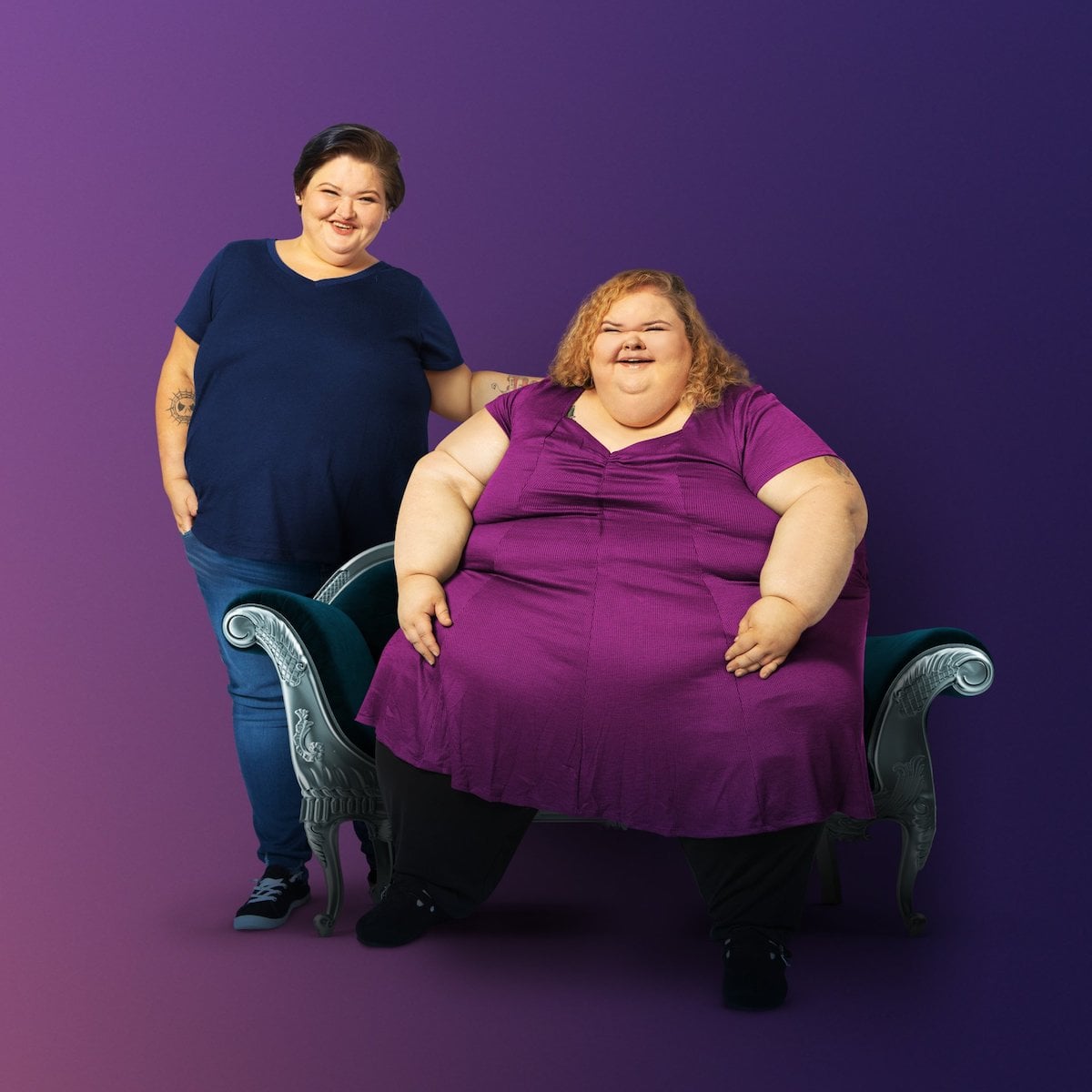
The Story of Tammy and Her Sister in Popular Culture: A Media Analysis
The story of Amy Slaton and Tammy Slaton, often colloquially referenced through the lens of their familial weight-loss journey in popular culture, refers to the narrative arc established by the TLC reality series 1000-lb Sisters. This...
The story of Amy Slaton and Tammy Slaton, often colloquially referenced through the lens of their familial weight-loss journey in popular culture, refers to the narrative arc established by the TLC reality series 1000-lb Sisters. This cultural phenomenon examines the sisters’ complex health challenges, interpersonal dynamics, and their public struggle with extreme obesity, which has become a landmark case study in reality television’s treatment of medical conditions and familial dependency.
Contents
The Genesis of 1000-lb Sisters
The public trajectory of the Slaton sisters began not on traditional broadcast television, but through the nascent influence of YouTube. In the mid-2010s, Tammy and Amy Slaton gained a significant following on the platform by sharing videos of their daily lives, which included unconventional challenges, humor, and transparent discussions regarding their weights. This grassroots digital presence caught the attention of production companies, eventually leading to the development of the reality series 1000-lb Sisters, which premiered in 2020.
The show was structured around a specific medical objective: assisting the sisters in meeting the necessary health benchmarks required for bariatric surgery. The narrative tension is built upon the contrast between the two sisters—Amy, who often adopts a more proactive, albeit occasionally inconsistent approach to weight management, and Tammy, who historically faced greater resistance to dietary and lifestyle modifications. This dynamic provided producers with a recurring conflict mechanism, effectively anchoring the show’s success in the vulnerability and volatile relationship between the siblings.
The Role of Reality Television in Medical Narratives
Popular culture has long utilized reality television to commodify the personal hardships of individuals. The story of the Slaton sisters fits within the subgenre of "docu-soaps" focused on extreme health crises. By focusing on weight as the primary driver of the narrative, the show engages with the ethical boundaries of reality TV.
Critics and media scholars often debate whether such programs provide educational value regarding bariatric healthcare or if they primarily serve as spectacles of human suffering. In the context of the Slaton family, the "story" is characterized by the tension between:
- Clinical Realism: The inclusion of actual consultations with bariatric surgeons, nutritionists, and physical therapists.
- Narrative Conflict: The editing focus on the arguments, emotional outbursts, and interpersonal friction between the sisters that often occurs during high-stress periods of diet compliance.
This combination of medical necessity and domestic drama is a hallmark of the genre, designed to maintain audience retention while simultaneously navigating the realities of chronic, life-threatening obesity.
Developmental Stages of the Public Narrative
The narrative surrounding the sisters has evolved significantly since the show’s inception. Early seasons centered almost exclusively on the logistical and physical obstacles of their obesity. As the series progressed through 2026, the focus shifted toward the long-term psychological impacts of their upbringing and the ongoing process of recovery after bariatric interventions.
| Phase of Narrative | Primary Focus | Key Obstacles |
|---|---|---|
| Foundational | Introduction to daily life | Lack of medical oversight, extreme weight thresholds |
| Interventional | Pre-surgical prep | Dependency issues, mental health hurdles |
| Post-Surgical | Life changes and maintenance | Body image, family dynamics shift, health complications |
The transition from the "foundational" phase to the "post-surgical" phase represents a critical shift in the audience's perception. Viewers often view the sisters not merely as characters, but as subjects in a multi-year longitudinal study of behavioral modification, which has cemented their status as pop-culture icons within the medical reality TV landscape.
Ethical Considerations in Consumption
The popularity of the Slaton sisters’ story raises broader questions regarding the ethics of "fat-focused" entertainment. When an audience consumes the story of a person struggling with extreme weight, the lines between empathy and exploitation frequently blur. In 2026, social media discourse continues to dissect the portrayal of the sisters, highlighting how the show highlights the complexities of co-dependency.
One significant element of their story is the concept of "caregiver fatigue," where family members—often Amy in the earlier seasons—carry the burden of physical and emotional support for the other. This dynamic has resonated with many viewers who face similar domestic situations, moving the conversation beyond the singular issue of weight to the broader topic of familial responsibility and boundary setting.
Impact on Public Perception and Health Awareness
While the show has been criticized for its sensationalist editing, it has inadvertently served to highlight the severe, systemic barriers to healthcare for individuals suffering from morbid obesity. Through the sisters' journey, viewers have been exposed to:
- The Complexity of Bariatric Surgery: The reality that surgery is not a "magic bullet" but requires strict, lifelong adherence to lifestyle changes.
- Psychological Barriers: The role of trauma and emotional eating as major contributors to weight management failures.
- Medical Gaslighting: Instances where the sisters have discussed the difficulties of being heard by medical professionals who may hold implicit biases against patients with higher weights.
By placing these issues in the living rooms of millions, the show has forced a more nuanced, albeit sometimes uncomfortable, conversation about how society treats and manages severe health crises.
Frequently Asked Questions
What was the original intent behind the Slaton sisters' YouTube presence?
The sisters initially used YouTube to document their lives and share their personalities. The "weight" aspect was a central component of their reality, and the viral nature of their content ultimately signaled to TV networks that there was an audience interested in their specific, high-stakes medical journey.
How did the sisters' relationship evolve during the show?
The relationship shifted from a shared struggle to one of distinct, individual paths. As Amy pursued motherhood and independent living, the dynamic with Tammy became increasingly strained, forcing them to establish healthier boundaries that were previously non-existent due to their deep-rooted co-dependency.
Is the medical advice given on the show considered accurate?
The medical advice provided by the surgeons on the program is generally consistent with standard clinical bariatric practices. However, the show often omits the mundane, day-to-day administrative realities of medical care in favor of dramatic moments, meaning the "medical narrative" is a heavily curated version of reality.
How does the public define the "success" of their story?
Public opinion on "success" is divided. Some viewers define success as achieving a specific weight goal, while others—and the sisters themselves in later seasons—have moved toward defining success as mental health stability, increased mobility, and independence from family support systems.
What are the main ethical criticisms of the show?
The primary criticism is that the series relies on "poverty porn" or the exploitation of vulnerable individuals for entertainment. Critics argue that the editing often emphasizes emotional meltdowns to drive ratings, which may exacerbate the participants' existing mental health issues.
Are the sisters still actively involved in public media?
As of 2026, the sisters continue to maintain a digital footprint. Their narrative has transitioned from purely reality-television-based content to more personal, social media-driven updates, allowing them to exert more control over their personal stories than during the initial seasons of the production.
Recommendations for Further Contextual Understanding
To gain a deeper understanding of the subject, it is recommended to contrast the edited versions of these events with the participants' own documented personal accounts provided on their verified social media platforms. By observing the difference between the produced, episodic format and the raw, unedited updates provided by the subjects themselves, one can gain a more comprehensive perspective on how reality television constructs the "story" of an individual’s life. If you are researching this from a media studies perspective, focusing on the tension between the editorial narrative of the production company and the primary source material provided by the sisters is the most effective approach.
Image Gallery