Quality Commercial Mold Remediation Services NJ: 2026 Professional Standards
Quality commercial mold remediation in New Jersey involves a systematic process of identifying, containing, and removing fungal growth according to IICRC S520 standards. In 2026, top-tier NJ providers must offer certified microbial rem...
Quality commercial mold remediation in New Jersey involves a systematic process of identifying, containing, and removing fungal growth according to IICRC S520 standards. In 2026, top-tier NJ providers must offer certified microbial remediation, rigorous moisture control strategies, and third-party clearance testing to ensure structural integrity and occupant safety in compliance with state indoor air quality guidelines.
Contents
The Landscape of Commercial Mold Remediation in New Jersey
Commercial properties in New Jersey—ranging from high-rise office buildings in Jersey City to sprawling warehouse complexes in the Meadowlands—face unique environmental challenges. The state’s humid subtropical climate, characterized by moisture-heavy summers and damp winters, creates an ideal breeding ground for microbial growth. For facility managers and property owners, mold is not merely a cosmetic issue; it is a significant liability that impacts structural integrity, employee health, and regulatory compliance.
In 2026, the standard for "quality" has shifted from simple cleaning to comprehensive environmental management. Quality commercial mold remediation services in NJ now integrate advanced diagnostic tools, such as infrared thermography and laser particle counters, to locate hidden moisture plumes within building envelopes. These services are essential for preventing the long-term degradation of building materials like gypsum board, cellulose-based insulation, and HVAC components.
Understanding New Jersey’s Regulatory and Safety Framework
While New Jersey historically relied on federal EPA guidelines, recent years have seen a tightening of state-level oversight regarding indoor air quality (IAQ) in commercial and public buildings. The 2026 regulatory environment emphasizes the "Mold Safe Housing Act" principles adapted for commercial use, focusing on the protection of occupants and the verification of remediation success.
Quality service providers must navigate the complexities of local building codes and health department requirements. In a commercial setting, "remediation" is defined as the physical removal of mold and the correction of the underlying moisture problem. This distinguishes professional services from "mold cleaning," which often involves superficial treatments that fail to address the root cause. Professionals in NJ are expected to follow the Institute of Inspection Cleaning and Restoration Certification (IICRC) S520 Standard, which provides the procedural framework for professional mold remediation.
The Technical Process: IICRC S520 Protocols in Practice
A high-quality remediation project follows a strict sequence of operations designed to prevent cross-contamination and ensure a permanent solution. This process is generally divided into several critical phases.
Phase 1: Assessment and Site Characterization
Before any removal begins, a thorough assessment is conducted. This includes identifying the source of moisture—whether it be a persistent roof leak, HVAC condensate failure, or rising damp in a basement. Professionals categorize the mold contamination into "Conditions":
- Condition 1 (Normal Ecology): An indoor environment that may contain settled spores but no actual growth.
- Condition 2 (Settled Spores): An area contaminated with settled spores that were dispersed from a Condition 3 area.
- Condition 3 (Actual Growth): An area with active fungal growth and associated spores and fragments.
Phase 2: Engineering Controls and Containment
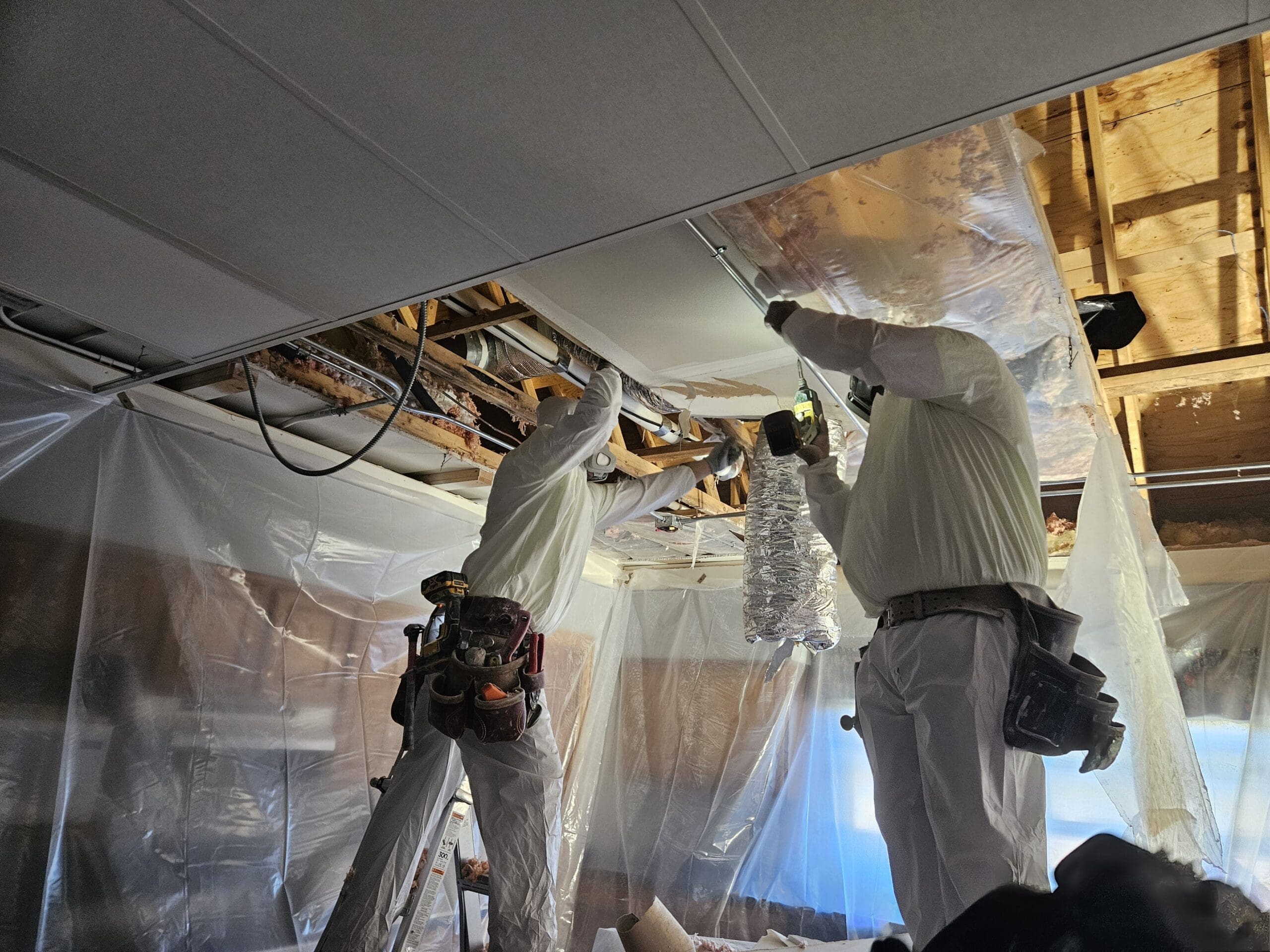
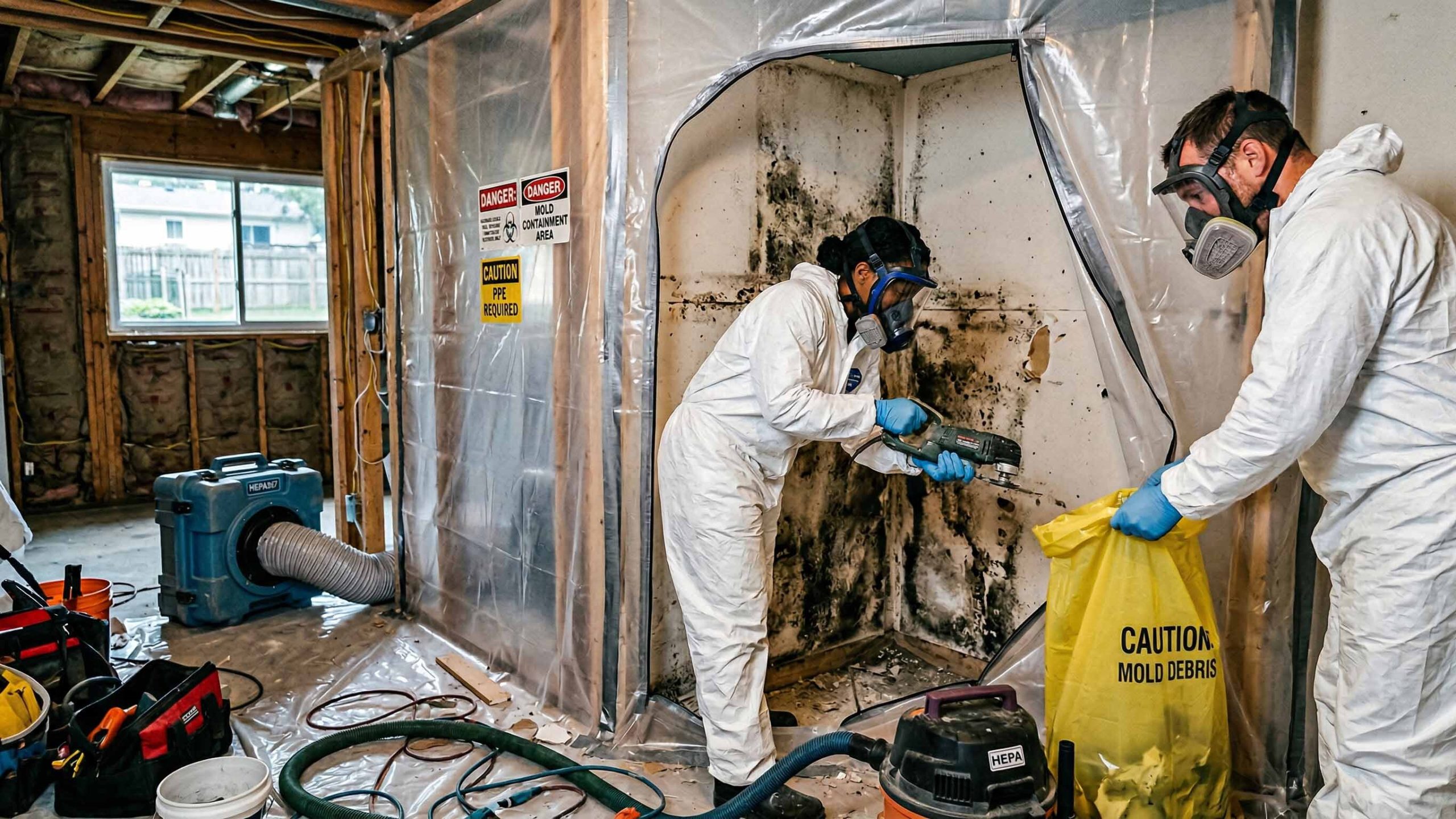
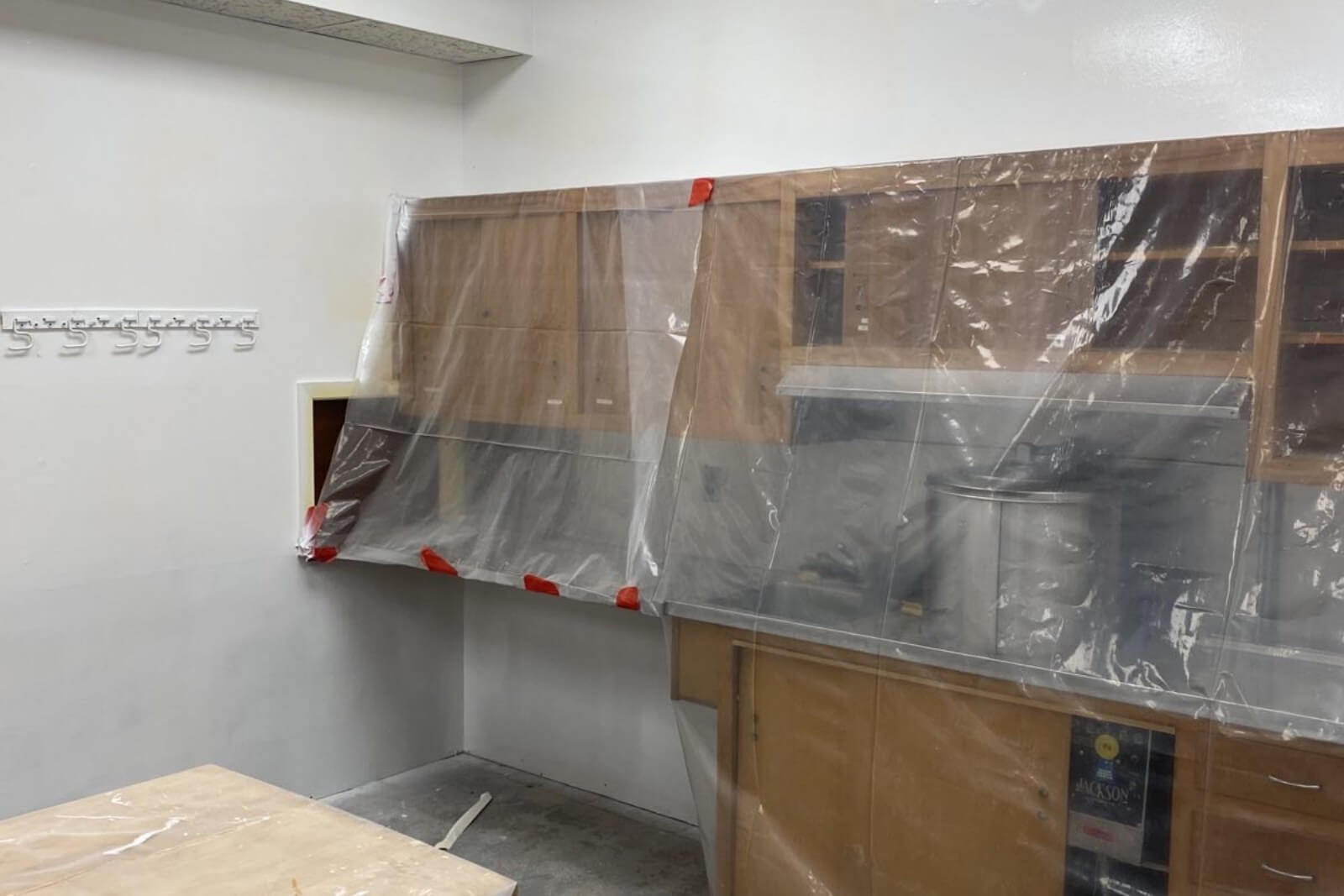
The hallmark of a quality NJ contractor is the implementation of rigorous containment. This involves using 6-mil fire-retardant polyethylene sheeting to seal off the affected area. Negative Air Pressure is maintained using HEPA-filtered air scrubbers to ensure that any spores disturbed during the cleaning process are not vented into the rest of the building. In 2026, contractors utilize digital manometers to provide real-time monitoring of pressure differentials, ensuring the containment remains intact throughout the project.
Phase 3: Controlled Removal and HEPA Vacuuming
Materials that cannot be salvaged, such as mold-infested drywall or insulation (porous materials), are carefully removed and double-bagged for disposal. Non-porous and semi-porous materials (metal, concrete, wood framing) are cleaned using a "HEPA sandwich" technique:
- HEPA vacuuming of all surfaces.
- Damp wiping with an EPA-registered antimicrobial agent.
- A final round of HEPA vacuuming once the surfaces are dry.
This labor-intensive process ensures that the "micro-debris"—the invisible fragments of mold that can cause allergic reactions—is removed rather than just killed.
Comparing Commercial Remediation Approaches
When evaluating quality commercial mold remediation services in NJ, it is helpful to compare the professional standards against common but inadequate practices.
| Feature | Professional Commercial Remediation (2026) | Standard "Handyman" Cleaning |
|---|---|---|
| Containment | Physical barriers with negative air pressure | No containment or simple plastic drop cloths |
| Certification | IICRC, ACAC, or NJ State Licensed | None or general contractor license only |
| Equipment | HEPA 500 air scrubbers, calibrated manometers | Standard shop-vacs and box fans |
| Verification | Third-party Post-Remediation Verification (PRV) | Visual inspection only |
| Liability Coverage | Pollution/Mold-specific professional liability | General liability only (often excludes mold) |
| Methodology | Source removal (S520 Standards) | Encapsulation or "killing" with bleach |
The Economic Impact: Cost vs. Value in NJ Commercial Spaces
In 2026, the cost of quality mold remediation in New Jersey is influenced by labor rates, disposal fees for hazardous materials, and the sophistication of the equipment required. For a commercial facility, the "cost" is not just the invoice from the remediation firm; it includes the cost of business interruption.
Quality firms prioritize "surgical" remediation—removing only what is necessary to minimize downtime. They also coordinate with HVAC specialists to ensure that the building's air handling systems are not contributing to the problem. Investing in a higher-tier service often results in a lower Total Cost of Ownership (TCO) because it prevents "recurrence liability." If a mold problem returns because the root cause was ignored, the business may face secondary remediation costs, legal fees from tenant lawsuits, and increased insurance premiums.
According to data from the Environmental Protection Agency (EPA), moisture control is the key to mold control. Quality providers in NJ integrate moisture management advice into their final reports, providing facility managers with a roadmap to maintain a mold-free environment.
Due Diligence: Selecting the Right Provider
For New Jersey business owners, the selection process should involve a rigorous review of credentials. In 2026, the American Council for Accredited Certification (ACAC) remains the gold standard for individual certifications, such as the Council-certified Microbial Remediation Supervisor (CMRS).
Furthermore, a quality provider should never perform the initial testing and the final clearance testing themselves. This is a conflict of interest. A reputable NJ firm will recommend an independent Environmental Consultant or Industrial Hygienist to perform the Post-Remediation Verification (PRV). This ensures that the air quality and surface samples meet the required safety standards before the containment is removed and the space is reoccupied.
Prevention and HVAC Integration
The most common culprit for mold in NJ commercial buildings is the HVAC system. Poorly maintained cooling coils, clogged drain pans, and improper humidity levels (above 60%) create a perfect environment for mold to thrive within the ductwork. Quality remediation services often include or partner with commercial duct cleaning specialists who use HEPA-filtered vacuum systems to clean the ventilation infrastructure.
Maintaining indoor relative humidity (RH) between 30% and 50% is the primary defense against mold. In the humid NJ summers, this often requires the installation of commercial-grade dehumidification systems or the optimization of the existing building management system (BMS) to prioritize latent cooling.
Frequently Asked Questions
How long does a typical commercial mold remediation project take in NJ?
Most commercial projects take between three to seven days, depending on the square footage and the "Condition" of the contamination. Complex projects involving structural drying or extensive HVAC cleaning may take longer. Quality firms provide a detailed timeline that accounts for containment setup, active remediation, and the 24-48 hour window required for clearance testing results.
Can our employees stay in the building during remediation?
In many cases, yes. By using advanced containment and negative air pressure, remediation can be localized to specific zones, allowing the rest of the building to remain operational. However, if the HVAC system is contaminated or if the mold is present in high-traffic common areas, a temporary relocation of staff or after-hours work schedules may be necessary to ensure safety and minimize disruption.
What is Post-Remediation Verification (PRV)?
PRV is an inspection and testing process conducted after remediation is complete but before containment is removed. It typically involves a visual inspection for dust and debris, as well as air and surface sampling. The project is considered successful only if the indoor fungal ecology is lower than or comparable to the outdoor air and no active growth is detected.
Why is bleach not recommended for commercial mold removal?
Bleach is generally ineffective on porous materials like wood and drywall. While it may kill surface mold, its high water content can actually soak into the material, feeding the internal mold roots (hyphae) and leading to a rapid regrowth. Furthermore, bleach fumes can be a significant respiratory irritant in a commercial setting with limited ventilation.
Does NJ law require a specific license for mold remediation?
As of 2026, New Jersey has implemented specific standards through the Department of Community Affairs (DCA). While general contractors may offer mold services, quality commercial work should be performed by firms that hold specialized certifications from the IICRC or ACAC and carry specific environmental/pollution insurance.
Final Recommendation for NJ Property Managers
To ensure the highest standard of air quality and structural safety, do not treat mold as a simple janitorial task. Engage a specialized commercial mold remediation service that provides a written scope of work based on the IICRC S520 standards. Always insist on a separate, third-party environmental professional to conduct clearance testing. This dual-professional approach provides the legal and safety documentation necessary to protect your investment and the health of your occupants in the New Jersey commercial real estate market.
Image Gallery