How Alaska Workers’ Compensation Insurance Rates Compare: 2026 Market Analysis
Alaska consistently ranks among the most expensive states in the U.S. for workers' compensation insurance. As of 2026, premium rates in the Last Frontier remain significantly higher than the national median, primarily driven by high me...
Alaska consistently ranks among the most expensive states in the U.S. for workers' compensation insurance. As of 2026, premium rates in the Last Frontier remain significantly higher than the national median, primarily driven by high medical provider costs, the extreme expense of remote healthcare delivery, and a labor market dominated by high-risk industrial sectors.
Contents
The Landscape of Alaska Workers' Compensation in 2026
To understand how Alaska's workers' compensation insurance rates compare, one must first look at the unique geographical and economic constraints of the state. Unlike the contiguous United States, Alaska faces logistical hurdles that directly inflate the cost of claims. When an injury occurs on a remote North Slope oil rig or a commercial fishing vessel in the Bering Sea, the "medical" portion of a workers' compensation claim often includes astronomical medevac expenses before the patient even reaches a surgical suite.
In 2026, the Alaska Department of Labor and Workforce Development, through the Division of Workers' Compensation, continues to oversee a system that is largely "voluntary market" driven, though heavily influenced by the National Council on Compensation Insurance (NCCI). The NCCI provides the "loss cost" filings—the portion of the rate intended to cover indemnity and medical benefits—which insurers then use as a foundation to set their final manual rates.
Alaska’s market is characterized by high volatility. Because the pool of insured employees is smaller than in states like California or Texas, a few catastrophic claims can have a disproportionate impact on the statewide rate average. Consequently, Alaskan employers often pay premiums that are 40% to 70% higher than the national average, depending on the specific industry classification.
Comparative Analysis: Alaska vs. The National Average
When evaluating how Alaska workers' compensation insurance rates compare to the rest of the nation, the state frequently lands in the top five most expensive jurisdictions. Historically, only states like New Jersey, New York, or Vermont compete with Alaska for the highest premium indices.
The Premium Index Factor
The premium index is a standardized measure used to compare what a hypothetical "average" employer would pay across different states for the same set of risk classifications. In 2026, if the national median rate is $1.40 per $100 of payroll, Alaska’s index often sits well above $2.10.
This disparity is not merely a reflection of higher risk, but of the "cost of care." Alaska has some of the highest medical fee schedules in the country. Because there are fewer specialists and hospitals, the lack of competition allows for higher billing rates for procedures ranging from MRIs to orthopedic surgeries. For an insurer, a broken leg in Anchorage is significantly more expensive to resolve than the same injury in Des Moines or Phoenix.
Regional Comparisons (Pacific Northwest and Beyond)
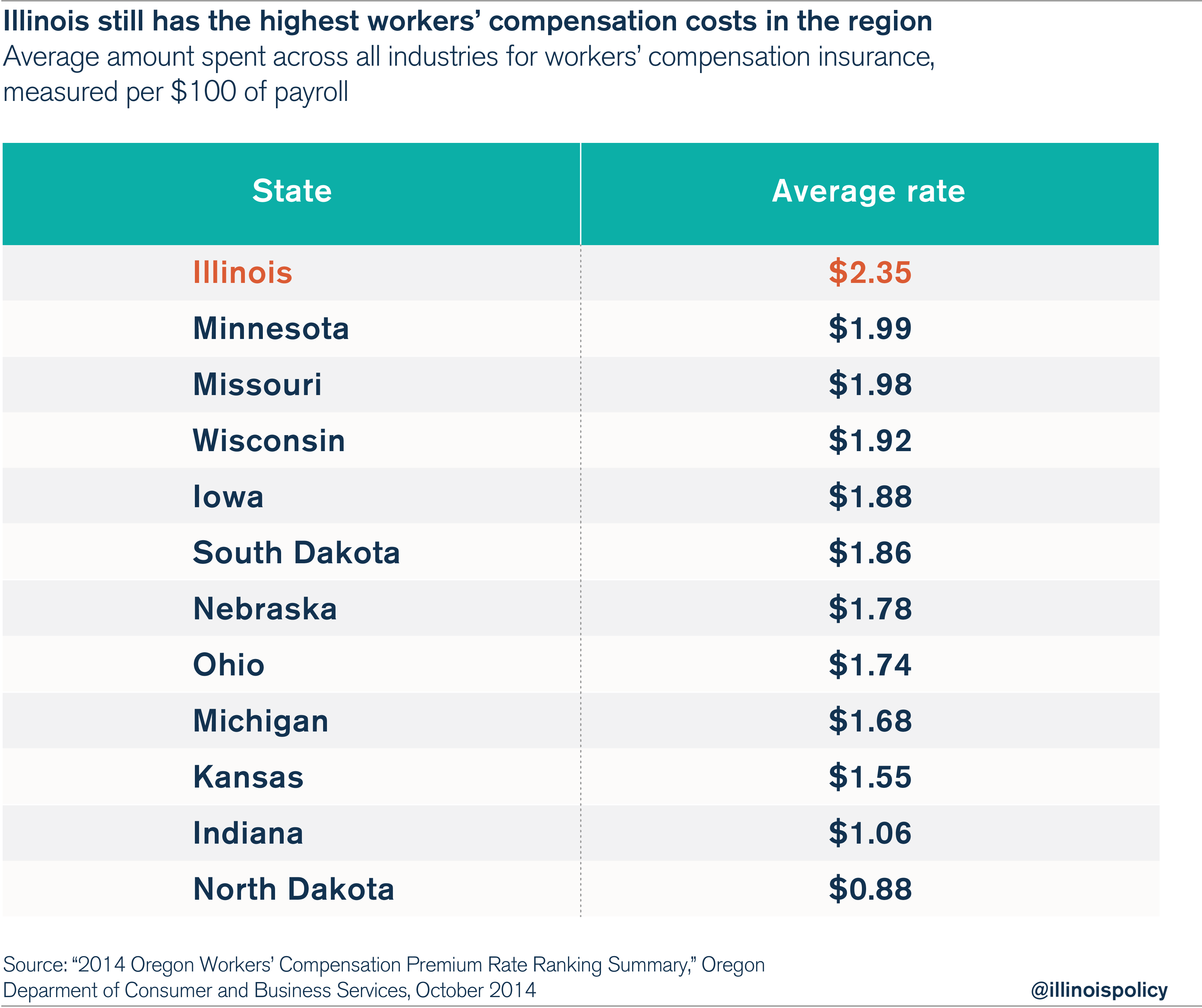
Comparisons with neighboring states in the Pacific Northwest reveal a stark contrast. Washington operates a monopolistic state fund, which creates a different pricing structure entirely. Oregon, conversely, is often cited as a national leader in workers' compensation reform, maintaining rates that are frequently among the lowest in the country. Alaska’s rates are often double those of Oregon, a fact that remains a point of contention for Alaskan business advocacy groups in 2026.
| State | Estimated Premium Rank (1 = Most Expensive) | Comparison to National Median | Primary Driver of Cost |
|---|---|---|---|
| Alaska | 3rd | ~55% Above Median | Remote Logistics & Medical Fees |
| Oregon | 46th | ~25% Below Median | Managed Care & Reform Efficiency |
| Washington | 15th | ~10% Above Median | State-Run Fund Structure |
| California | 5th | ~45% Above Median | High Litigation & Permanent Disability |
| Texas | 40th | ~20% Below Median | Voluntary System Participation |
Key Drivers Behind Alaska's Premium Disparity
To accurately assess how Alaska workers' compensation insurance rates compare, we must examine the specific variables that prevent the state from achieving parity with the Lower 48.
1. The Medical Fee Schedule
Alaska’s medical fee schedule is designed to ensure that healthcare providers remain in the state and continue to accept workers' compensation patients. However, the result is a system where the "usual and customary" charges are significantly higher than the national average. In 2026, legislative efforts continue to debate the balance between lowering these fees to help businesses and maintaining high enough reimbursement rates to prevent a "physician flight" to the contiguous U.S.
2. High-Risk Industry Concentration
Alaska’s economy is heavily weighted toward industries with high "hazard grades." Logging, commercial fishing, oil and gas extraction, and aviation are the pillars of the state's GDP. These industries have high frequency and high severity of injuries. Even though an office-based business in Anchorage might have a lower individual risk, the overall "cost of the pool" is driven up by these high-risk sectors, affecting the base loss costs for the entire state.
3. Vocational Rehabilitation and Indemnity
Alaska law provides robust benefits for injured workers, including mandatory vocational rehabilitation if a worker cannot return to their previous trade. While these benefits are vital for worker protection, the administrative and tuition costs associated with retraining a worker in a high-cost state like Alaska add layers of expense to each permanent partial disability (PPD) claim.
Understanding the Role of the NCCI in 2026
The National Council on Compensation Insurance (NCCI) serves as the licensed rating organization for Alaska. Every year, the NCCI analyzes years of claims data to suggest whether rates should rise or fall. In 2026, the NCCI filings for Alaska have shown a trend of "stabilized highs." While the frequency of accidents has decreased due to improved safety technology and stricter OSHA enforcement, the severity (the cost per claim) continues to rise, offsetting any potential savings for employers.
For Alaskan business owners, the NCCI "loss cost" is only the starting point. Insurance companies then apply a "loss cost multiplier" (LCM) to cover their overhead, commissions, and profit. In Alaska’s competitive but expensive market, LCMs typically range from 1.2 to 1.6.
How Class Codes Influence Rate Comparisons
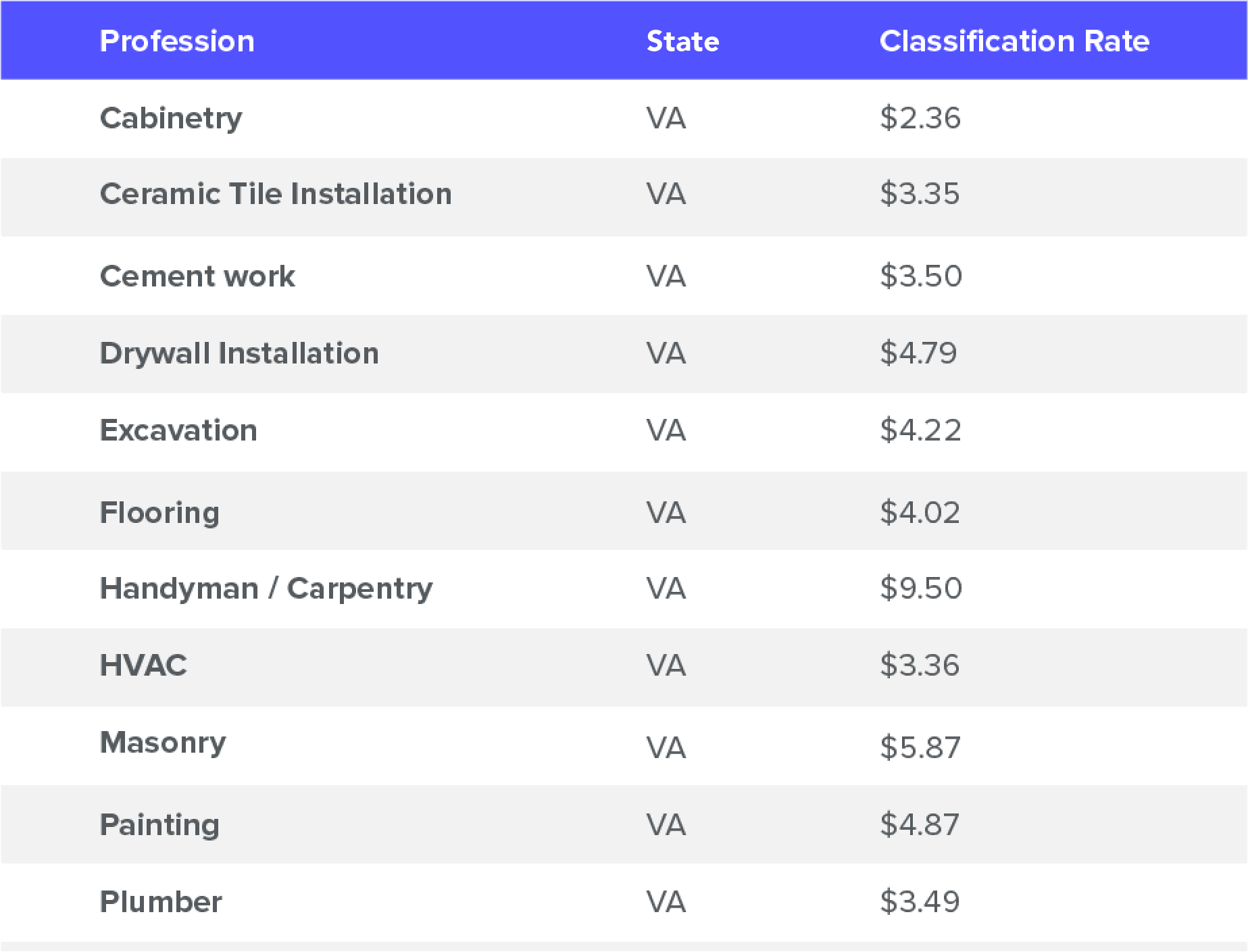
Not every business in Alaska pays exorbitant rates. The "rate" is highly dependent on the NCCI class code assigned to the business.
- Clerical Office Employees (Code 8810): Even in Alaska, office workers enjoy relatively low rates, often under $0.50 per $100 of payroll. However, when compared to the same code in a state like Texas, the Alaskan rate may still be 30% higher due to the aforementioned medical cost inflation.
- Seafood Processing (Code 2111): This is a high-risk category where Alaska's rates are among the highest in the world. The combination of heavy machinery, wet environments, and seasonal, high-intensity labor creates a risk profile that few insurers are willing to touch, leading to limited competition and higher premiums.
- Aviation (Code 7421): Small aircraft transportation is the lifeblood of rural Alaska. The insurance rates for pilots and ground crew in Alaska are significantly higher than for commercial pilots in the Lower 48, reflecting the extreme terrain and weather conditions.
The Impact of the Alaska Assigned Risk Pool
For businesses that cannot find coverage in the "voluntary market"—usually due to a high history of claims or operating in an ultra-hazardous industry—they must enter the Alaska Assigned Risk Pool. In 2026, the Assigned Risk Pool remains a "market of last resort."
Rates in the pool are typically much higher than in the voluntary market because they include a "Surcharge Plan." If an Alaskan business is forced into the pool, their rates no longer compare favorably even to the most expensive voluntary policies in other high-cost states. Currently, about 15% to 20% of Alaskan employers find themselves in this pool, emphasizing the difficulty of the state's insurance climate.
Strategies for Alaskan Employers to Lower Costs
Despite the high baseline, employers are not powerless. When comparing your specific rates to state averages, the most important metric is your Experience Modification Rate (E-mod).
- Safety Management: The E-mod is a multiplier applied to your premium based on your claims history. An E-mod of 1.0 is average. If your safety programs keep injuries low, you could earn an E-mod of 0.80, effectively giving you a 20% discount on the state's high base rates.
- Return-to-Work Programs: Alaska’s system rewards employers who bring injured workers back in "light-duty" capacities. This reduces the "indemnity" (lost wages) portion of the claim, which is a major factor in the E-mod calculation.
- Auditing Class Codes: Many Alaskan businesses are overcharged because they are misclassified into a higher-risk category than necessary. Ensuring that your payroll is correctly split between "field work" and "clerical work" can save thousands of dollars.
- Self-Insurance Groups: Large Alaskan entities or trade associations sometimes form self-insurance groups. By pooling their own risks and bypassing traditional insurance company overhead, they can occasionally achieve rates that compare more favorably to the national average.
FAQ: Alaska Workers’ Compensation Rates
Why is Alaska’s workers' comp more expensive than Washington’s?
While both states have high costs of living, Washington uses a state-funded system where the government is the sole provider. This allows for different administrative efficiencies and a different "funding" model via both employer and employee contributions. Alaska’s system is private-market based and relies heavily on medical fee schedules that are significantly higher than Washington's.
Does every Alaskan business need workers' comp?
Yes. Under the Alaska Workers’ Compensation Act, any employer with one or more employees (including part-time workers) must provide coverage. There are very limited exceptions for certain executive officers or sole proprietors, but generally, the mandate is universal.
How often do the rates change in Alaska?
The NCCI usually files for rate changes annually, typically taking effect on January 1st of each year. In 2026, these filings are closely watched by the Alaska Division of Insurance to ensure they are neither inadequate nor unfairly discriminatory.
How do Alaska's medical costs specifically impact my premium?
In Alaska, medical costs represent approximately 60% to 70% of the total claim cost, which is higher than the national average. Because your premium is designed to cover these future costs, the high price of Alaskan healthcare is baked directly into your monthly or annual insurance bill.
Can I buy workers' comp from an out-of-state provider?
You can use a national insurance carrier, but they must be licensed to write business in Alaska and must use the Alaska-specific rates and forms filed with the Division of Insurance. You cannot simply apply a "Florida rate" to an Alaskan employee.
Strategic Recommendation for 2026
For businesses operating in Alaska in 2026, the most effective way to manage high insurance costs is to focus on internal loss control. Since Alaska's base rates are high due to external factors (medical fees and geography), the only way to gain a competitive advantage is to lower your Experience Modification Rate.
Employers should conduct quarterly safety audits and maintain a formal relationship with an occupational medicine clinic to streamline the "Return-to-Work" process. Additionally, businesses should work with a specialized broker who understands the "Assigned Risk" market vs. the "Voluntary" market to ensure they are being placed with the most competitive carrier available for their specific NCCI class code.
Image Gallery