Understanding the Brain’s Reward Center: Mechanisms of Motivation and Reinforcement
The brain’s reward center, primarily anchored in the mesolimbic pathway, is a sophisticated neurobiological system designed to reinforce behaviors essential for survival. It functions through the release of the neurotransmitter dopamin...
The brain’s reward center, primarily anchored in the mesolimbic pathway, is a sophisticated neurobiological system designed to reinforce behaviors essential for survival. It functions through the release of the neurotransmitter dopamine, which encodes the value of stimuli, motivates goal-directed actions, and facilitates learning by strengthening neural associations between specific behaviors and positive outcomes.
Contents
Anatomy of the Reward System
The reward system is not a single anatomical structure but a functional circuit involving several interconnected regions. At its core, the system relies on the communication between the midbrain and the forebrain.
The Ventral Tegmental Area (VTA)
The VTA is the primary origin point for dopamine-producing neurons. Located in the midbrain, it serves as the command center for the reward system. When an individual encounters a stimulus that the brain identifies as potentially rewarding—such as food, social interaction, or novel experiences—the VTA initiates the release of dopamine.
The Nucleus Accumbens (NAc)
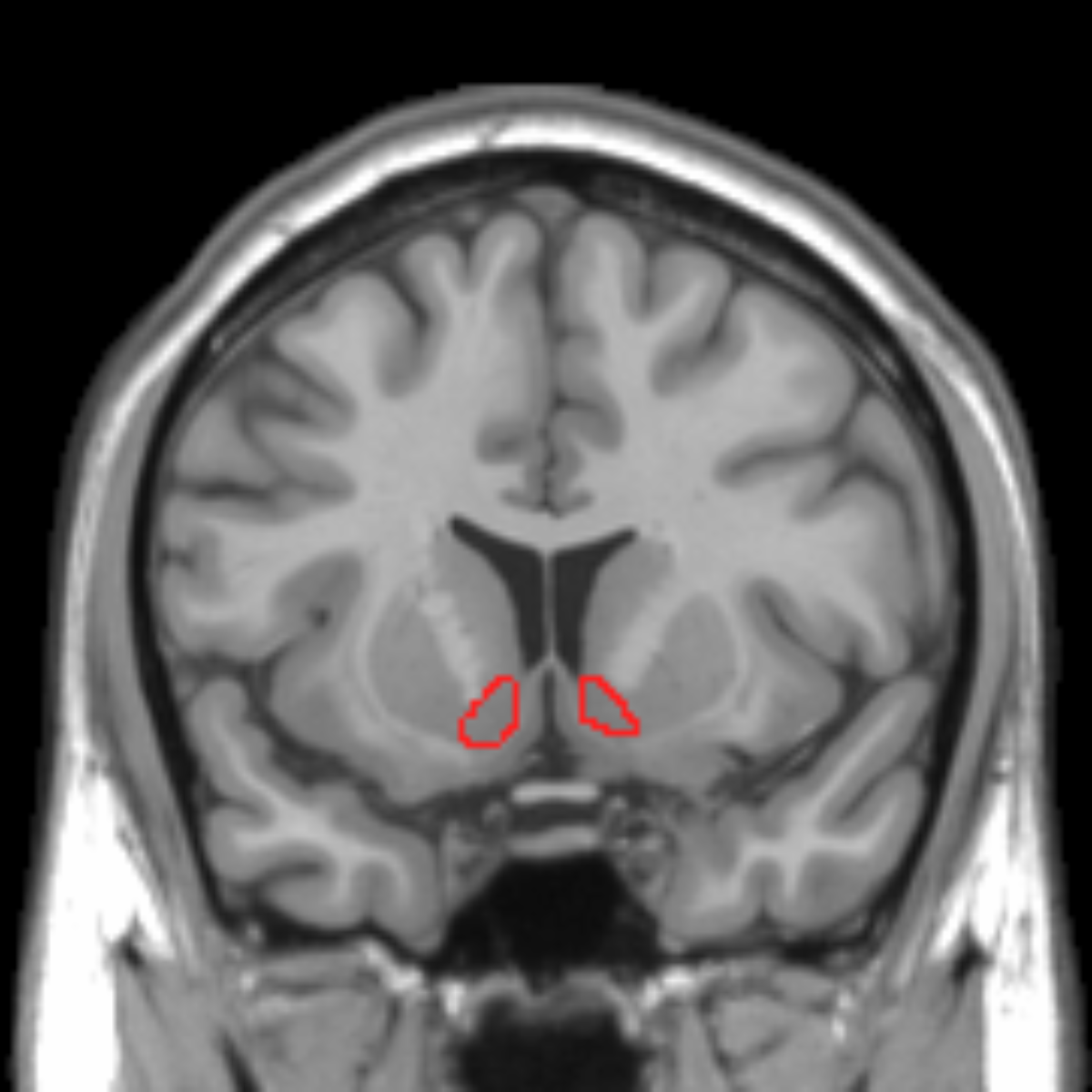
The nucleus accumbens is the primary target for dopamine projections from the VTA. Often described as the brain's "pleasure center," the NAc plays a critical role in the processing of reward, motivation, and hedonic impact. It evaluates the incentive salience of a stimulus—essentially determining how much a person "wants" a particular reward—and helps translate that motivation into physical action.
The Prefrontal Cortex (PFC)
While the VTA and NAc handle the biological drive, the prefrontal cortex provides the necessary "brakes" and context. It is responsible for executive functions, including decision-making, impulse control, and the evaluation of long-term consequences. This area helps regulate the reward system, allowing an individual to override immediate impulses in favor of delayed rewards or social norms.
The Role of Dopamine in Reinforcement Learning
Dopamine is frequently misunderstood as a chemical that causes "pleasure." In biological terms, it is more accurately described as a signaling molecule for "prediction error."
When an unexpected reward occurs, dopamine levels spike, signaling to the brain that the preceding action was beneficial. This process reinforces the behavior, making it more likely to be repeated. If the outcome is exactly as expected, dopamine levels remain baseline. If a predicted reward fails to occur, dopamine levels dip below baseline, signaling a negative prediction error and informing the brain to adjust its future expectations. This iterative process is the foundation of habit formation and learning.
Incentive Salience vs. Hedonic Value
Neuroscientists often distinguish between "liking" (the actual sensory experience of pleasure) and "wanting" (the motivational drive to obtain the reward). Dopamine is primarily associated with the "wanting" component. This explains why an individual might feel a powerful, uncontrollable urge to engage in a behavior that provides little actual satisfaction, a phenomenon highly relevant to the study of addictive disorders.
Comparing Natural Rewards and Artificial Stimuli
The brain’s reward system evolved to prioritize survival-essential activities. However, it cannot inherently distinguish between survival-critical stimuli and artificial triggers that exploit the same biological pathways.
| Feature | Natural Rewards | Artificial Stimuli (e.g., Addictive Substances) |
|---|---|---|
| Dopamine Response | Gradual, controlled release | Rapid, high-magnitude "flood" |
| Biological Purpose | Survival (Food, Procreation) | None (Hijacks normal functioning) |
| Regulatory Feedback | Self-limiting (Satiety) | Often bypasses satiation mechanisms |
| Long-term Impact | Stable neural maintenance | Potential for down-regulation/tolerance |
The table above illustrates how the reward system encounters different types of stimuli. While natural rewards trigger a steady release of dopamine that is modulated by physiological feedback (such as hunger levels), addictive substances or behavioral traps often bypass these biological limits, leading to a state of overstimulation.
Neuroplasticity and System Adaptation
The reward system is highly adaptive, exhibiting what researchers call neuroplasticity. When the system is chronically overstimulated, the brain attempts to regain homeostasis (balance) by reducing the number of dopamine receptors (D2 receptors) or decreasing dopamine production. This leads to a state of tolerance, where the individual requires higher levels of stimulation to achieve the same motivational effect.
This adaptive change is a core component of the pathology observed in substance use disorders and certain behavioral addictions. When the baseline reward threshold shifts, mundane daily activities—which were once sufficiently rewarding—may begin to feel hollow or uninteresting, leading to increased pursuit of the specific high-stimulation trigger.
Practical Implications for Behavioral Health
Understanding the reward center has profound implications for how we approach motivation, habit change, and mental health.
- Environmental Cues: The reward system is highly sensitive to context. Cues that have been historically paired with a reward can trigger a dopamine release before the reward is even obtained. This is why changing one's environment is often a prerequisite for breaking unhealthy habits.
- Cognitive Reframing: Because the prefrontal cortex can influence the VTA, cognitive interventions that focus on long-term goal setting can help dampen the urgency of immediate reward-seeking.
- Restorative Practices: Activities that naturally regulate the system, such as consistent exercise, sleep hygiene, and social engagement, help stabilize dopamine signaling, making the brain more resilient against impulsive behaviors.
Frequently Asked Questions
Can you "reset" your brain's reward center?
The brain is constantly undergoing plastic changes. While you cannot "reset" it to a factory setting, engaging in consistent, low-stimulation behaviors and abstaining from high-intensity triggers allows for the gradual upregulation of dopamine receptors and the recalibration of reward thresholds over time.
Does social media use affect the reward center?
Yes. Modern social media platforms utilize variable reward schedules—similar to slot machines—to trigger dopamine releases. Because the "reward" (a notification, a like, or a new comment) is unpredictable, it can become highly reinforcing, leading to habitual checking behaviors that are driven by the reward system's prediction-error mechanism.
Is the reward center the same as the limbic system?
The reward system is a specialized subset within the broader limbic system. While the limbic system is largely associated with emotional processing and memory (including the amygdala and hippocampus), the reward center specifically refers to the pathways responsible for reinforcement, motivation, and appetitive behavior.
Why do some people find certain activities more rewarding than others?
Individual differences in dopamine receptor density, genetic variations in neurotransmitter regulation, and early life experiences all influence how an individual's reward system responds to specific stimuli. What is highly rewarding to one person may be neutral or even aversive to another.
Can diet impact the reward center?
Dietary choices influence the availability of the precursor to dopamine, an amino acid called tyrosine. Furthermore, chronic consumption of ultra-processed foods, which are engineered to trigger high-intensity dopamine responses, can lead to similar tolerance effects as other addictive substances, potentially altering reward sensitivity.
Next Steps for Behavioral Management
If you find that your motivational focus is being disproportionately captured by high-stimulation activities, consider a systematic approach to re-engaging your reward system with low-stimulation, long-term rewards. Start by tracking the specific cues—times of day, physical locations, or emotional states—that trigger your most intense impulsive behaviors. Once identified, replace the immediate gratification loop with a behavior that provides a sustained, incremental sense of accomplishment. If concerns regarding addictive behaviors or severe lack of motivation persist, consult a mental health professional for a clinical evaluation of your neurobiological patterns.
Image Gallery