Navigating Life After Tragedy: The Inspiring Story of Stefanie Schaffer
Stefanie Schaffer is widely recognized for her incredible resilience and survival following a devastating, multi-fatality tour bus crash in the Canadian Rockies in 2018. Her journey from critical care and bilateral leg amputation to re...
Stefanie Schaffer is widely recognized for her incredible resilience and survival following a devastating, multi-fatality tour bus crash in the Canadian Rockies in 2018. Her journey from critical care and bilateral leg amputation to rehabilitation and advocacy highlights profound themes of physical recovery, medical adaptation, and personal endurance in the face of sudden tragedy.
Contents
The 2018 Canadian Rockies Tour Bus Tragedy
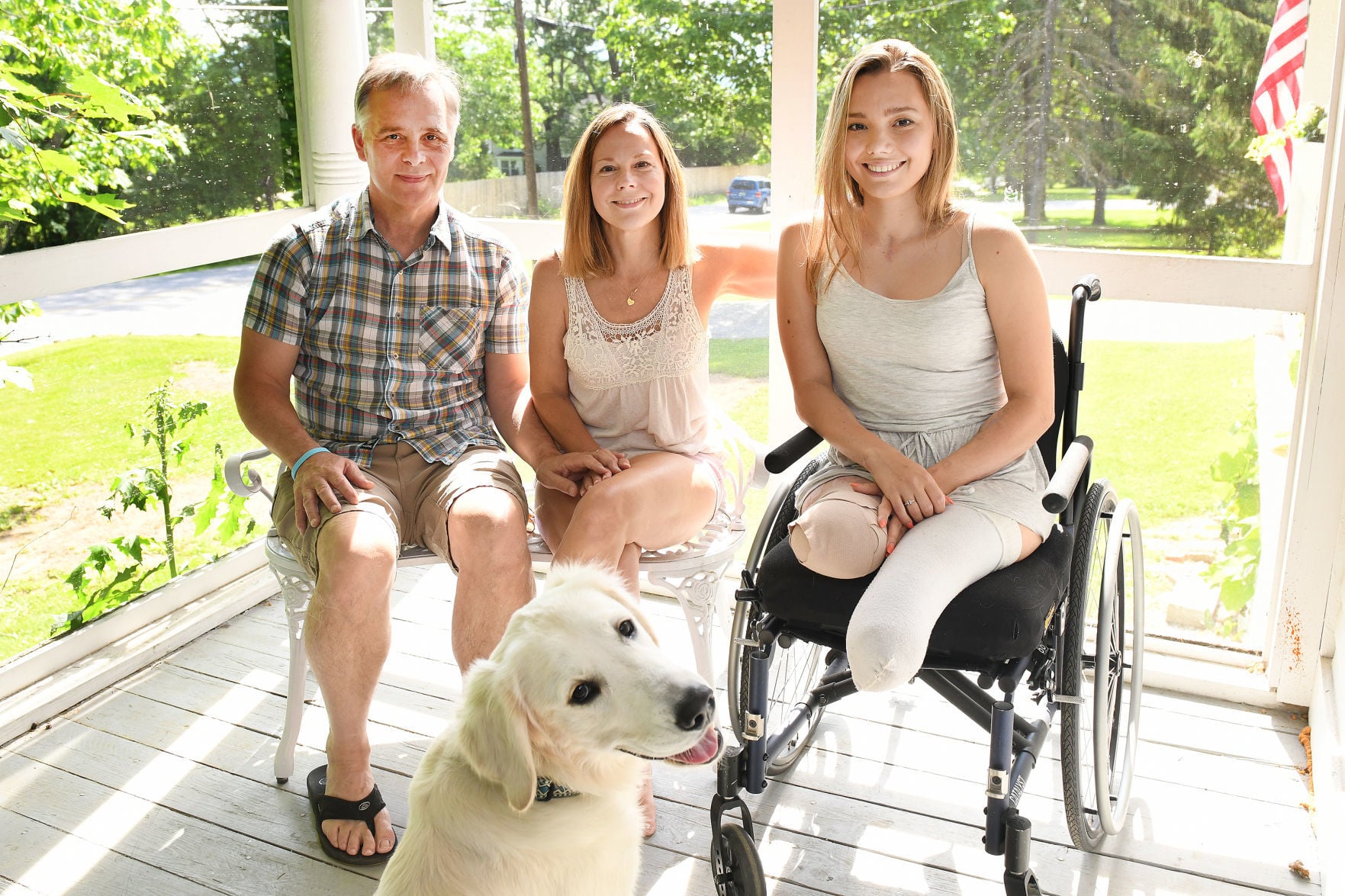
On June 25, 2018, a routine vacation for a family from Vermont turned into a catastrophic event. Stefanie Schaffer, along with her mother, sister, and stepfather, was traveling on a tourist bus near the Columbia Icefield in the Canadian Rockies. Due to mechanical failure or driver loss of control, the vehicle veered off the road and rolled over multiple times.
The accident resulted in immediate fatalities and numerous critical injuries among the passengers. Stefanie Schaffer sustained catastrophic, life-threatening trauma that required emergency medical evacuation via air ambulance to a specialized trauma center. The severity of the impact trapped her for an extended period, causing massive internal damage, severe fractures, and irreparable vascular trauma to her lower extremities.
Immediate Medical Intervention and Trauma Care
Upon arrival at the hospital, medical teams faced an immediate crisis regarding Schaffer’s survival. She was placed into a medically induced coma and subjected to multiple emergency surgeries to stabilize her vital signs and manage internal bleeding.
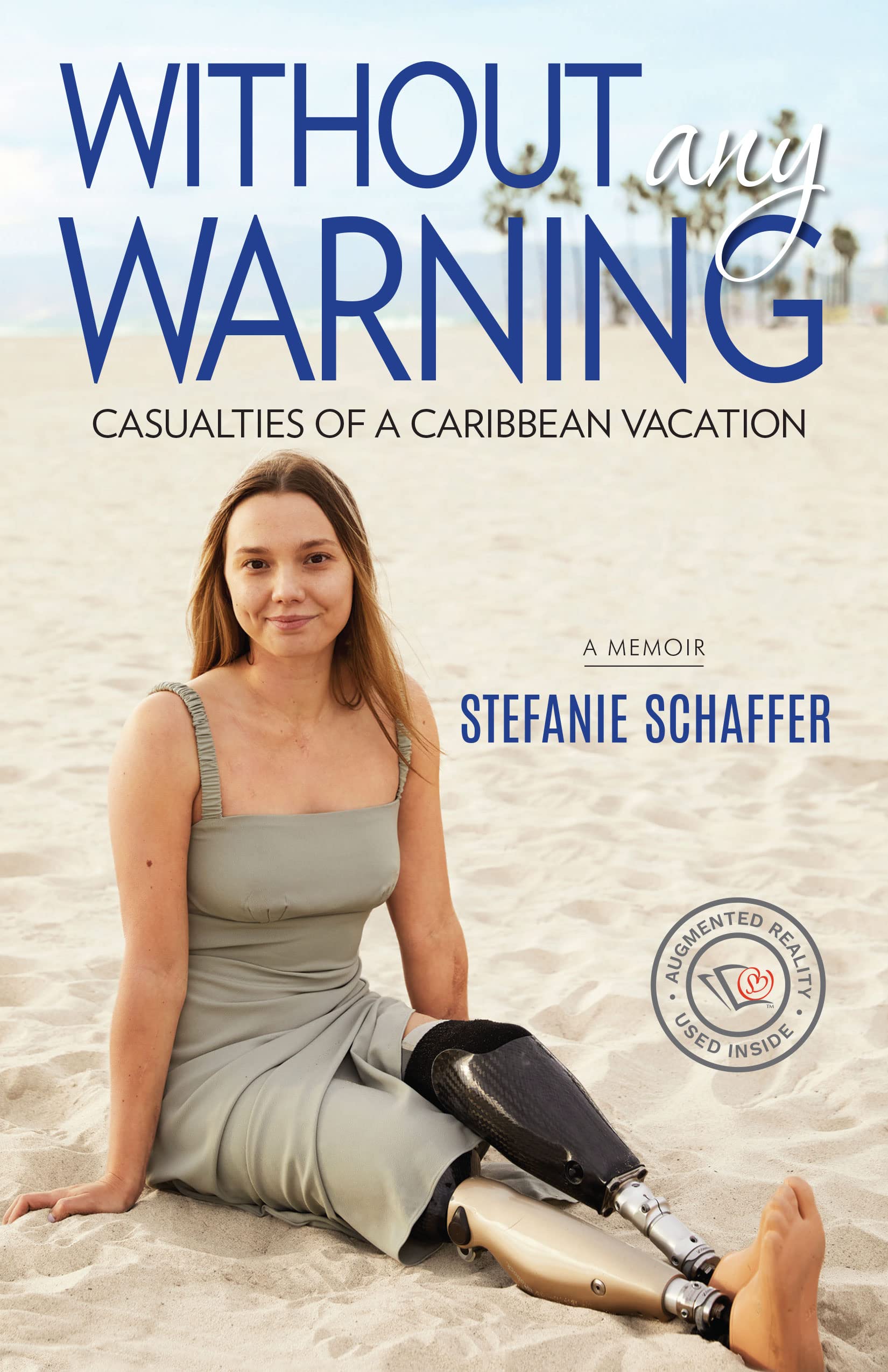
Given the extent of the vascular destruction in her legs, life-saving measures superseded limb preservation. Surgeons had to perform bilateral leg amputations—one above the knee and one below the knee—to prevent systemic infection, sepsis, and organ failure. Her survival during the initial seventy-two hours remains a testament to the swift execution of remote-area trauma protocols and the dedication of Canadian critical care specialists.
The Long Road of Physical Recovery and Rehabilitation
Surviving the initial accident was only the first phase of an arduous journey. Stefanie Schaffer faced months of intensive in-patient rehabilitation, physical therapy, and psychological counseling. Transitioning from an active young adult to a double amputee required an entirely new paradigm of physical movement and daily living strategies.
Rehabilitation began with basic core strengthening, wound management, and learning to sit upright without severe dizziness or blood pressure drops. Physical therapists worked meticulously to manage phantom limb pain, a common and debilitating neurological phenomenon where the brain continues to register sensory inputs from the missing limbs. Occupational therapy focused on functional independence, teaching Schaffer how to transfer from a bed to a wheelchair, navigate uneven surfaces, and adapt her living environment for long-term accessibility.
Prosthetic Fitting and Mobility Training
The introduction of prosthetic limbs marked a major milestone in Schaffer’s recovery. This process involved:
- Limb Volume Stabilization: Waiting for post-surgical swelling to subside completely to ensure accurate socket fitting.
- Casting and Custom Fabrication: Creating mold impressions of the residual limbs to engineer carbon-fiber sockets.
- Gait Training: Collaborating with specialized prosthetists to learn weight distribution, balance control, and proper walking mechanics.
- Advanced Component Selection: Transitioning from training legs to dynamic, microprocessor-controlled knees and energy-storing feet that allow for natural walking patterns.
| Recovery Phase | Primary Medical Focus | Typical Challenges | Expected Outcomes |
|---|---|---|---|
| Acute Trauma | Life stabilization, surgeries, infection control | Hemorrhage, coma, multi-organ failure | Survival and stabilization of vitals |
| Inpatient Rehab | Wound healing, pain management, core strength | Phantom limb pain, muscle atrophy | Basic self-transfer and independence |
| Prosthetic Fitting | Socket casting, initial standing, gait training | Skin breakdown, balance issues | Unassisted standing and short walks |
| Community Reintegration | Advanced mobility, vocational training, mental health | Psychological trauma, public anxiety | Independent living and renewed autonomy |
Navigating Financial and Legal Complexities
A catastrophe of this magnitude inevitably brings severe financial and legal challenges. Medical evacuation, emergency surgeries, months of intensive hospitalization, specialized prosthetics, and home modifications accumulated millions of dollars in expenses. Navigating cross-border healthcare insurance claims between the United States and Canada required extensive legal intervention.
Furthermore, tour bus liability laws involve complex cross-jurisdictional considerations. Legal representatives had to file claims against the tour operators, bus maintenance contractors, and transport authorities to secure compensation for ongoing medical care, loss of future earnings, and pain and suffering. These legal battles highlight the systemic difficulties accident survivors face when trying to secure financial stability while simultaneously fighting for physical recovery.
Resilience, Advocacy, and Inspiring Others
Beyond her personal survival, Stefanie Schaffer transitioned into an advocate for individuals with disabilities and trauma survivors. By sharing her story publicly, she brought awareness to the mental fortitude required to rebuild a life after sudden, life-altering trauma.
Her public appearances emphasize that recovery is not a linear process. Setbacks, emotional fatigue, and physical pain remain permanent components of her daily reality, yet she actively chooses to focus on what remains possible rather than what was lost. This philosophy has resonated deeply with amputee support groups, trauma survivors, and individuals facing seemingly insurmountable physical obstacles.
Common Questions About Stefanie Schaffer's Story
What caused the accident that injured Stefanie Schaffer?
The accident was a severe tour bus rollover that occurred in June 2018 near the Columbia Icefield in the Canadian Rockies. Investigators examined mechanical factors and driver actions, which led to widespread discussions about safety standards and seatbelt usage on commercial tour buses.
How did Stefanie Schaffer lose her legs?
Due to extreme crushing injuries and irreparable vascular damage sustained during the bus rollover, surgeons had to perform bilateral leg amputations to save her life from complications such as hemorrhage and infection.
How long did her rehabilitation take?
Initial acute rehabilitation spanned many months in specialized centers. However, physical adaptation, prosthetic adjustments, and functional conditioning are ongoing processes that continue to evolve years after the initial incident.
Where is Stefanie Schaffer from?
She is originally from Rutland, Vermont, where her family rallied community support following the tragedy to assist with mounting medical bills and accessibility home renovations.
How does she manage phantom limb pain?
Management typically involves a multidisciplinary approach combining prescription medications, mirror therapy, transcutaneous electrical nerve stimulation (TENS), and specialized physical therapy techniques aimed at retraining the brain's sensory pathways.
Next Actions and Support Resources
For individuals or families navigating sudden trauma, catastrophic injury, or limb loss, accessing structured support networks is essential. Organizations such as the Amputee Coalition provide specialized resources, peer-to-peer mentoring, and advocacy tools designed to help survivors reclaim their independence. Ensuring access to qualified trauma-informed psychological care alongside physical rehabilitation remains the most effective pathway toward long-term recovery and well-being.
Image Gallery