Navigating High Performance Car Insurance in 2026: A Comprehensive Guide
High performance car insurance is a specialized type of vehicle coverage designed for cars that exceed standard power-to-weight ratios, top speeds, and market values. Unlike standard policies, these plans focus on agreed value, special...
High performance car insurance is a specialized type of vehicle coverage designed for cars that exceed standard power-to-weight ratios, top speeds, and market values. Unlike standard policies, these plans focus on agreed value, specialized repair networks, and tailored risk assessments to protect high-end assets that typical consumer insurance providers often refuse to cover or significantly under-insure.
Contents
What Defines a High Performance Vehicle for Insurance?
In the 2026 automotive landscape, the definition of a high performance vehicle has shifted due to the ubiquity of high-torque electric vehicles (EVs) and advanced turbocharging technology. Insurance underwriters typically classify vehicles into the "high performance" or "prestige" category based on several technical and financial metrics rather than just aesthetics.
Power-to-Weight Ratio and Displacement
Historically, engine displacement (CCs) was the primary metric. However, modern insurers now look at the power-to-weight ratio. A vehicle producing over 400 horsepower—or any EV capable of 0-60 mph in under four seconds—is generally flagged for a performance-based policy. This includes traditional supercars, "hyper-hatches," and high-output electric sedans.
Valuation Thresholds
High performance insurance is often triggered when a vehicle’s market value exceeds a certain threshold, typically around $100,000. For these vehicles, "Actual Cash Value" (ACV) policies used by standard insurers are inadequate because they do not account for the appreciation of limited-run models or the high cost of specialized carbon-fiber repairs.
Modification Status
Vehicles with significant aftermarket modifications—such as forced induction upgrades, ECU remapping, or aerodynamic body kits—automatically fall into this category. Standard insurers often view modifications as an unquantifiable risk, whereas high performance specialists employ adjusters who understand the value and safety implications of high-end tuning.
Key Differences Between Standard and High Performance Policies
Understanding the structural differences between a standard auto policy and a high performance policy is essential for ensuring you are not under-insured in the event of a total loss or a complex repair.
Agreed Value vs. Actual Cash Value
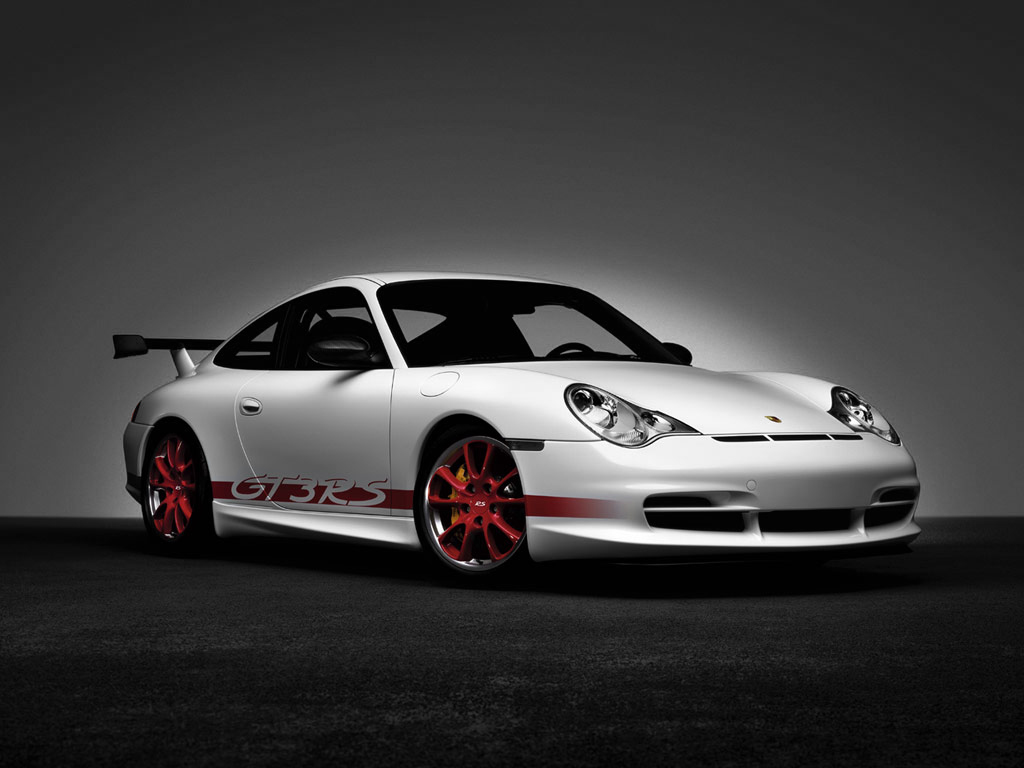
The most critical distinction is Agreed Value. In a standard policy, the insurer pays the "market value" at the time of the loss, which includes heavy depreciation. In a high performance policy, you and the insurer agree on the vehicle's value at the start of the policy year. If the car is totaled in 2026, you receive that specific amount, regardless of market fluctuations. This is vital for vehicles like the Porsche 911 or Ferrari SF90, which may actually appreciate or hold steady in value.
Choice of Repairer
Standard policies often restrict you to a network of "approved" shops that use aftermarket or refurbished parts to save costs. High performance insurers recognize that a supercar requires specialized technicians and Original Equipment Manufacturer (OEM) parts to maintain its integrity and resale value. These policies usually grant the owner the right to choose a certified marque-specific repair center.
Usage Limits and Storage Requirements
Because high performance cars are often not "daily drivers," these policies offer lower premiums in exchange for strict mileage limits (e.g., 3,000 or 5,000 miles per year). However, they also impose stricter security requirements. Owners are often required to store the vehicle in a locked, brick-and-mortar garage and may need to install 24/7 monitored tracking systems.
Factors Influencing Premiums in 2026
The cost of insuring a high performance vehicle remains high, but the factors influencing those costs have evolved. In 2026, underwriters are placing more emphasis on technology and driver history than on the car’s top speed alone.
The Rise of High Performance EVs
High-output electric vehicles like the Tesla Model S Plaid or the Lucid Air Sapphire present unique risks. While they lack traditional engine components, their battery packs are incredibly expensive to replace, and their instant torque increases the statistical likelihood of low-speed collisions. Insurers in 2026 now use specific "EV Performance Scales" to determine risk based on battery chemistry and chassis repairability.
Telematics and Driver Behavior
Advanced telematics have become a standard requirement for many high performance providers. By 2026, insurers are using real-time data to monitor "lateral G-forces" and braking patterns. Drivers who demonstrate "mechanical sympathy"—avoiding excessive track-like behavior on public roads—can see significant premium reductions.
Geographic and Storage Risk
Where the vehicle is kept is as important as how it is driven. Proximity to high-theft areas or regions prone to extreme weather (like hail or flooding) will spike premiums. Conversely, vehicles kept in climate-controlled, high-security facilities may qualify for "storage-only" coverage during winter months, significantly reducing the annual cost.
Comparison: Standard Auto vs. High Performance Insurance
| Feature | Standard Auto Insurance | High Performance Insurance |
|---|---|---|
| Valuation Method | Actual Cash Value (Depreciated) | Agreed Value (Fixed) |
| Parts | Aftermarket/Refurbished allowed | OEM Parts guaranteed |
| Repair Shop | Insurer-directed network | Owner's choice of specialist |
| Mileage | Unlimited/Commuter focused | Restricted (e.g., <5,000 miles) |
| Modifications | Often excluded or capped | Fully covered if disclosed |
| Track Coverage | Strictly excluded | Available as a "bolt-on" or day-pass |
| Security Req. | Standard alarm/immobilizer | Trackers and garaging mandatory |
Specialized Coverage Add-ons
A basic high performance policy might not cover all the scenarios an enthusiast encounters. In 2026, several "add-on" coverages have become popular to fill these gaps.
Track Day Insurance
Most performance policies explicitly exclude damage sustained on a race circuit. Owners who attend "HPDE" (High Performance Driver Education) events or open track days must purchase a specific endorsement. This covers physical damage to the car while on the track, though it usually carries a much higher deductible (often 10% of the car's value).
Diminished Value Coverage
Even if a high performance car is repaired perfectly, its "accident history" on reports like CARFAX can reduce its resale value by 15-20%. Diminished Value coverage compensates the owner for this loss in market appeal, a feature rarely found in standard insurance products.
Cyber and Software Protection
As vehicles become "computers on wheels," the risk of software hacking or "bricking" during an over-the-air (OTA) update has grown. Some 2026 policies now include cyber-protection to cover the costs of restoring a vehicle’s software systems if they are compromised.
Eligibility and Underwriting Requirements
Securing a policy for a high performance vehicle is more akin to applying for a mortgage than buying a standard insurance product. Underwriters perform a deep dive into the "human element" of the risk.
- Driver Experience and Age: Most specialized insurers require the primary driver to be at least 25 or 30 years old. They also look for "experience with similar power." A driver moving from a 150-hp sedan to a 700-hp supercar may be denied coverage unless they have a history of owning high-performance cars.
- Driving Record: A clean record is mandatory. Even a single "reckless driving" or high-speed moving violation within the last five years can lead to an automatic rejection by specialized carriers.
- The "Second Car" Requirement: Many high performance insurers will only issue a policy if the applicant can prove they have a separate, standard vehicle for daily commuting. This ensures the performance car is used primarily for leisure, reducing road exposure.
- Verification of Storage: In 2026, insurers may request photos or a video walkthrough of the garage where the car will be kept, ensuring it meets fire safety and security standards.
Frequently Asked Questions
Can I get high performance insurance if I am under 25?
It is extremely difficult, but not impossible. Younger drivers usually face "prohibitive" premiums and may be required to complete an advanced driver training course certified by the insurer. Some companies may also require a higher deductible—often $5,000 or more—to mitigate the risk.
Does high performance insurance cover my modifications?
Yes, provided they are disclosed at the time of application. Unlike standard insurers who may cancel a policy for an undeclared exhaust system, performance specialists expect modifications. However, they will adjust the "Agreed Value" and the premium to reflect the increased performance and replacement cost of those parts.
What happens if I exceed my annual mileage limit?
Most insurers offer a "grace buffer," but consistently exceeding your limit can void your coverage or result in a claim being denied. In 2026, many policies are linked to the car’s telematics, which automatically update the insurer on mileage. If you plan to drive more, it is better to call the broker and adjust the limit mid-term.
Is track day insurance included in the annual premium?
Usually, no. Standard high performance policies cover the car on public roads only. Track day coverage is typically purchased as a separate, short-term policy or as a specific "per-event" add-on. Using a car on a track without this specific coverage will almost certainly result in a denied claim if an accident occurs.
How do I prove the "Agreed Value" of my car?
For modern supercars, the bill of sale or current market listings are usually sufficient. For vintage performance cars or highly modified vehicles, the insurer may require a professional appraisal from a recognized expert to verify that the requested coverage amount is realistic.
Expert Recommendation for 2026
If you are purchasing a high performance vehicle in 2026, do not rely on "big box" insurance companies. Their algorithms are not designed for the nuances of high-value, high-power machinery. Instead, work with a specialist broker who has access to "surplus lines" or prestige insurers. Ensure your policy includes an Agreed Value clause and a Choice of Repairer provision. Finally, consider a telematics-based policy if you only drive the vehicle on weekends, as this is currently the most effective way to lower premiums without sacrificing coverage depth.
Image Gallery