Understanding Zoo Escapes: Safety Protocols, Emergency Response, and Risk Mitigation
In the rare event of an escape from a zoo, the primary objective is the immediate protection of human life, followed by the safe recovery of the animal. Modern zoological facilities utilize multi-layered containment systems and special...
In the rare event of an escape from a zoo, the primary objective is the immediate protection of human life, followed by the safe recovery of the animal. Modern zoological facilities utilize multi-layered containment systems and specialized Dangerous Animal Response Teams (DART) to manage these high-stakes emergencies, which are typically triggered by human error, structural failure, or extreme weather.
Contents
The Engineering of Modern Zoo Containment
Zoological architecture in 2026 has evolved to prioritize "invisible" barriers that provide naturalistic habitats while maintaining rigorous safety standards. An escape from a zoo is almost always a failure of one of three specific containment layers. Understanding these layers is essential for both facility operators and the public to appreciate the complexity of wildlife management.
Primary Containment: The Habitat Barrier
The primary barrier is the first line of defense. For large carnivores, this often consists of reinforced tempered glass, which as of 2026, is frequently engineered to withstand impacts exceeding 2,000 pounds of force. In other habitats, "Ha-ha" walls—deep, wide trenches that are invisible from the visitor’s perspective—prevent animals like elephants or rhinos from crossing. These moats are calculated based on the specific jumping and stretching capabilities of the species housed within.
Secondary Containment: Perimeter Security
The secondary barrier is the zoo’s outer boundary. This is usually a fence at least 8 to 12 feet high, often topped with outriggers or electric wiring. Its purpose is twofold: to keep the general public out after hours and to act as a "catch-all" if an animal breaches its primary enclosure. In high-security facilities, these perimeters are monitored by infrared sensors and AI-integrated camera systems that can detect "non-standard" movement patterns near the fence line.
Redundant Locking Systems
Technological failure and human error are the leading causes of containment breaches. To mitigate this, accredited institutions employ double-entry "airlock" systems for keeper access. This requires one gate to be fully closed and locked before the second can be opened. Many modern gates now use biometric verification or magnetic interlocks that prevent accidental simultaneous opening, a critical advancement in preventing the most common "escape from zoo" scenarios.
Why Escapes Occur: Root Cause Analysis
Despite advanced engineering, escapes remain a statistical possibility. Forensic analysis of historical and contemporary incidents identifies three primary vectors for a breach.
- Human Error: This remains the most significant vulnerability. It includes failing to secure a latch, leaving a service door propped open during cleaning, or misjudging an animal's proximity during a gate transition.
- Structural Integrity Failures: Natural disasters, such as high-wind events or seismic activity, can compromise even the most robust fencing. In 2026, zoos increasingly focus on "climate-hardening" their enclosures to account for the increased frequency of extreme weather that can fell trees onto perimeter fences.
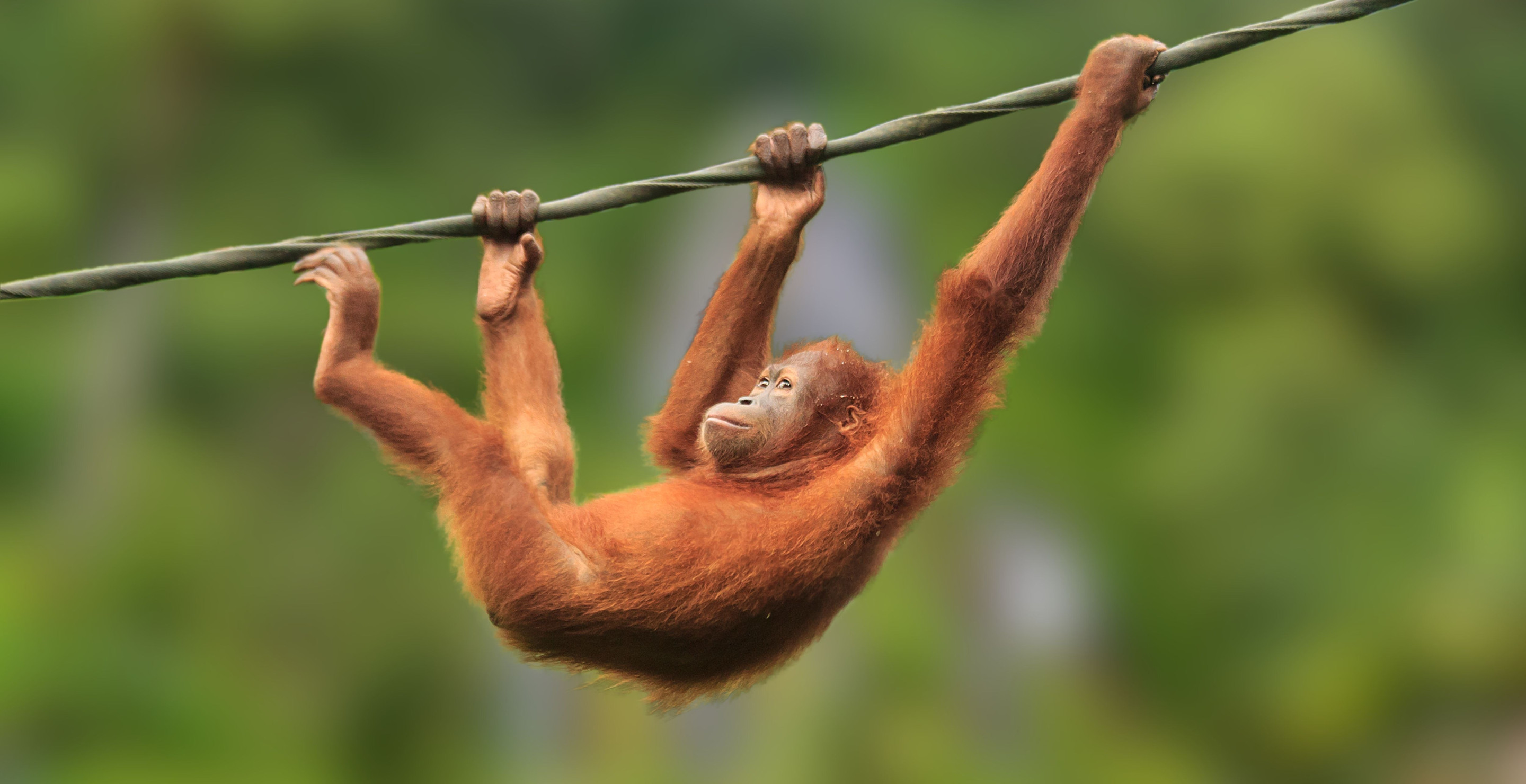
- Animal Ingenuity and Strength: Species like orangutans and chimpanzees possess high cognitive abilities and can sometimes dismantle hardware or use "tools" (like fallen branches) to bridge gaps. Large felids may find unexpected purchase on surfaces that were previously deemed too smooth to climb.
Immediate Safety Guidelines for Visitors
If you are present during an escape from a zoo, your actions in the first 60 seconds are critical. Zoos use standardized alarm codes—often broadcast over PA systems or signaled via staff radios—to indicate the level of threat.
Recognize the Signal
Most institutions use a "Code Red" or "Code 1" to indicate a dangerous animal is out of its primary containment. If you hear an alarm or see staff urgently ushering people toward buildings, do not stop to take photographs or look for the animal.
Seek Hard Shelter
The safest place during an animal escape is inside a permanent structure with a locking door. This includes gift shops, indoor restaurants, or restrooms. If you are in an open area and cannot reach a building, enter the nearest vehicle if available, even if it is not your own, provided it is unlocked.
Minimize Visual and Auditory Stimuli
If you encounter an escaped animal, avoid direct eye contact, which many species perceive as a challenge or a threat. Do not scream or run blindly; sudden movements can trigger a predatory chase instinct. Back away slowly and quietly, keeping the animal in your peripheral vision without staring.
Institutional Response: The Dangerous Animal Response Team (DART)
When an "escape from zoo" event is confirmed, the facility’s internal DART is activated. This team consists of highly trained keepers, veterinarians, and security personnel who undergo regular drills for various escape scenarios.
Chemical Immobilization (Darting)
The preferred method of recovery is chemical immobilization. However, this is not as instantaneous as depicted in popular media. Depending on the drug used (often a combination of Medetomidine and Ketamine or Telazol), it can take 5 to 15 minutes for an animal to become unconscious. During this "induction period," the animal may become more agitated and dangerous, which is why clearing the area of bystanders is the first priority.
The Use of Lethal Force
Standard operating procedures at Association of Zoos and Aquariums (AZA) accredited institutions dictate that lethal force is a last resort, used only when there is an immediate, life-threatening risk to a human that cannot be mitigated by other means. The decision to use lethal force is typically made by a designated Incident Commander.
Post-Incident Recovery
Once the animal is secured—either through sedation or physical crates—it is moved to a secure holding area for veterinary evaluation. The zoo then enters a "lockdown" phase to conduct a thorough forensic audit of the breach point before reopening to the public.
Comparison of Containment and Response Levels
The following table outlines how containment strategies vary based on the classification of the animal and the resulting response protocols.
| Animal Category | Typical Primary Barrier | Response Level | Primary Recovery Method |
|---|---|---|---|
| Category 1 (Apex Predators) | Reinforced Glass / Deep Moat | Code Red (Highest) | Chemical Immobilization / Lethal Backup |
| Category 2 (Large Herbivores) | Heavy Bollards / Ha-Ha Walls | Code Red/Orange | Physical Herding / Chemical Support |
| Category 3 (Primates) | Mesh Netting / Glass / Water | Code Orange | Enrichment Luring / Chemical Darting |
| Category 4 (Small/Non-Lethal) | Standard Fencing / Aviaries | Code Yellow | Hand Netting / Food Luring |
Legal and Regulatory Framework in 2026
As of 2026, the legal requirements for zoological facilities have tightened significantly. In many jurisdictions, zoos must hold comprehensive liability insurance that specifically covers "animal escape" events. Regulatory bodies like the AZA or the EAZA (European Association of Zoos and Aquaria) require mandatory annual "escape from zoo" drills as a condition of accreditation.
Failure to maintain these standards can result in the revocation of USDA (in the United States) exhibition licenses or equivalent international permits. Furthermore, institutions are now often required to share "incident reports" in a centralized global database to ensure that a containment failure in one facility leads to engineering upgrades in others worldwide.
Frequently Asked Questions
What should I do if I am stuck outside during a Code Red?
If you cannot find a building or vehicle, try to put a large physical object between yourself and the animal, such as a trash receptacle or a thick tree. Avoid corners where you might be trapped. If the animal is a large carnivore, remain as still and quiet as possible; if it is a large herbivore (like a rhino), try to move upwind and stay out of its direct line of sight.
How do zoos prevent birds from escaping open-top aviaries?
Many zoo birds are either housed in fully netted enclosures or have undergone "wing clipping," a painless procedure that trims primary flight feathers to prevent long-distance flight. However, modern 2026 standards prefer large-scale walkthrough aviaries with double-door entry systems to allow for natural flight while maintaining containment.
Are "zoo escapes" becoming more common?
Statistically, no. While social media makes incidents more visible, the integration of smart sensors and automated locking systems in 2026 has reduced the frequency of major escapes compared to the early 2000s. Most "escapes" today involve small, non-dangerous animals like birds or small primates.
Can an animal be "scared" back into its enclosure?
In some cases, yes. DART teams may use "hazcing" techniques, such as noise makers or fire extinguishers, to create a sensory barrier that encourages the animal to retreat toward a known secure area. However, this is only done by professionals, as it can also cause an animal to panic and charge.
Does the zoo compensate visitors if an escape happens during their visit?
Most accredited zoos have policies for providing refunds or "rain checks" if a facility must be evacuated. For any injuries or psychological distress, the zoo’s liability insurance protocols would be initiated, usually involving a formal claims process through their legal department.
Practical Recommendation for Zoo Visitors
Before visiting a zoological park, familiarize yourself with the facility's map and identify the locations of major indoor buildings. Upon arrival, take a moment to look at the safety signage, which often lists emergency contact numbers or describes the alarm signals. In the event of any emergency, the most effective action you can take is to comply immediately with staff instructions without hesitation. Professional zoo staff are trained to prioritize your exit while the specialized response teams handle the animal containment.
Image Gallery