Angela Bassett and the 1994 Academy Awards: Examining the Historic Best Actress Race
At the 66th Academy Awards held in March 1994, Angela Bassett lost the Best Actress Oscar to Holly Hunter, who won the award for her critically acclaimed performance as Ada McGrath in Jane Campion's romantic drama film The Piano. Basse...
At the 66th Academy Awards held in March 1994, Angela Bassett lost the Best Actress Oscar to Holly Hunter, who won the award for her critically acclaimed performance as Ada McGrath in Jane Campion's romantic drama film The Piano. Bassett had received widespread critical acclaim and a nomination for her powerhouse portrayal of legendary music icon Tina Turner in the biographical drama What's Love Got to Do with It.
Contents
The 1994 Academy Awards race for Best Actress remains one of the most discussed and analyzed competitive categories in the history of cinema. Understanding the context of this cinematic milestone requires examining the nominees, the cultural impact of Bassett's performance, the historical backdrop of the 66th Academy Awards ceremony, and the lasting legacy of the films that defined that landmark year in Hollywood.
The 66th Academy Awards Landscape
The 66th Academy Awards ceremony took place on March 21, 1994, at the Dorothy Chandler Pavilion in Los Angeles, California, honoring films released in 1993. This era of cinema was marked by a fascinating transition between major Hollywood studio blockbusters and groundbreaking independent cinema that challenged traditional storytelling frameworks.
The Best Actress category that year featured an exceptionally strong field of performances. The nominees represented a diverse range of genres, from sweeping historical dramas and intense biographical pictures to contemporary character studies. Reviewing this specific competitive ecosystem sheds light on how academy voting trends aligned with critical reception during the mid-1990s.
The Complete 1994 Best Actress Nominees
To fully understand who Angela Bassett lost the Oscar to, it is necessary to examine all five nominees who competed in the Best Actress category at the 66th Academy Awards:
- Holly Hunter – The Piano as Ada McGrath (Winner)
- Angela Bassett – What's Love Got to Do with It as Anna Mae Bullock / Tina Turner
- Stockard Channing – Six Degrees of Separation as Ouisa Kittredge
- Gabby Hoffman – No, wait—correction: Deborah Kara Unger was not nominated; the correct fifth nominee was Emma Thompson for The Remains of the Day as Miss Sarah Kenton / Holly Hunter had a double nomination year? No, Holly Hunter was Best Actress (The Piano) and Best Supporting Actress (The Firm). The five Best Actress nominees were:
- Holly Hunter (The Piano)
- Angela Bassett (What's Love Got to Do with It)
- Stockard Channing (Six Degrees of Separation)
- Emma Thompson (The Remains of the Day)
- Sharon Stone (Casino? No, Sharon Stone was not nominated; Winona Ryder was nominated for The Age of Innocence).
Let us verify the exact, historically accurate list of the five official nominees for Best Actress at the 66th Academy Awards:
- Holly Hunter for The Piano
- Angela Bassett for What's Love Got to Do with It
- Stockard Channing for Six Degrees of Separation
- Emma Thompson for The Remains of the Day
- Winona Ryder for The Age of Innocence
| Nominee | Film | Role | Outcome |
|---|---|---|---|
| Holly Hunter | The Piano | Ada McGrath | Winner |
| Angela Bassett | What's Love Got to Do with It | Tina Turner | Nominee |
| Emma Thompson | The Remains of the Day | Sarah "Sally" Kenton | Nominee |
| Stockard Channing | Six Degrees of Separation | Louisa "Ouisa" Kittredge | Nominee |
| Winona Ryder | The Age of Innocence | May Welland | Nominee |
Holly Hunter and The Piano
Holly Hunter won the Academy Award for Best Actress for her transcendent, physically demanding performance as Ada McGrath, a mute Scottish piano player sent to 19th-century New Zealand for an arranged marriage. Directed by Jane Campion, The Piano was a critical darling that dominated the international film circuit, winning the prestigious Palme d'Or at the 1993 Cannes Film Festival before sweeping through the American awards season.
Hunter's performance was remarkable for its reliance on non-verbal communication. Because her character communicates almost exclusively through American Sign Language (translated by her daughter) and her virtuosic piano playing, Hunter conveyed a vast spectrum of raw emotion, defiance, vulnerability, and passion without spoken dialogue. Her dedication included learning to play the piano pieces specifically for the film, contributing to the authenticity and widespread critical praise that positioned her as the frontrunner throughout the precursor awards season, including victories at the Golden Globes and BAFTA Awards.
Angela Bassett's Breakthrough in What's Love Got to Do with It
Angela Bassett delivered a masterclass in biographical acting in What's Love Got to Do with It, directed by Brian Gibson. Chronicling the tumultuous life, career, and eventual liberation of legendary singer Tina Turner from her abusive marriage to Ike Turner (played brilliantly by Laurence Fishburne, who also received an Academy Award nomination), the film demanded immense physical and emotional endurance.
Bassett captured not only Turner's iconic stage presence, explosive dance choreography, and distinctive vocal cadence, but also the deep psychological trauma and resilience of a survivor. Her performance redefined what biographical cinema could achieve, earning her the Golden Globe Award for Best Actress in a Motion Picture – Comedy or Musical, alongside widespread acclaim from critics associations nationwide. Her nomination and subsequent cultural impact cemented her status as a premier dramatic actress in Hollywood.
Comparative Analysis of the 1994 Race
The competition between Holly Hunter and Angela Bassett represents a classic Academy Awards dichotomy: the critically lauded independent international art-house drama versus the powerhouse biographical studio feature.
| Metric | Holly Hunter (The Piano) | Angela Bassett (What's Love Got to Do with It) |
|---|---|---|
| Genre | Period Drama / Romantic Art-House | Biographical Drama / Musical |
| Precursor Wins | Golden Globe (Drama), BAFTA, Cannes Best Actress | Golden Globe (Musical or Comedy), NAACP Image Award |
| Performance Style | Internalized, non-verbal, physical transformation | High-energy, biographical replication, emotional catharsis |
| Academy Context | Miramax indie darling, strong overall film nominations | Touchstone Pictures biographical release, major acting focus |
While Hunter's victory aligned with the Academy's historical preference for period pieces and dramatic transformations involving physical handicaps or linguistic limitations, Bassett's loss is frequently cited by film historians and cultural critics as one of the most notable snubs or missed opportunities in Oscar history, reflecting broader conversations regarding representation and recognition within major Hollywood institutions.
Frequently Asked Questions
Did Angela Bassett win any major awards for What's Love Got to Do with It?
Yes. While she did not win the Academy Award, Angela Bassett won the Golden Globe Award for Best Actress in a Motion Picture – Comedy or Musical for her performance. She also received critical recognition from various regional film critic associations and an NAACP Image Award nomination.
What film did Holly Hunter win the Oscar for?
Holly Hunter won the Academy Award for Best Actress for her role as Ada McGrath in the 1993 drama film The Piano, directed by Jane Campion. Hunter famously communicated her acceptance speech largely in American Sign Language, mirroring her character in the film.
Was Laurence Fishburne also nominated for an Oscar for What's Love Got to Do with It?
Yes. Laurence Fishburne received a nomination for Academy Award for Best Actor for his intense portrayal of Ike Turner in What's Love Got to Do with It. He competed against Tom Hanks, who won the award that year for Philadelphia.
How many Oscar nominations did The Piano receive in 1994?
The Piano received a total of eight Academy Award nominations, including Best Picture, Best Director (Jane Campion), Best Actress (Holly Hunter), Best Supporting Actress (Anna Paquin, who won), Best Original Screenplay, Best Cinematography, Best Film Editing, and Best Costume Design.
Has Angela Bassett ever won an Academy Award?
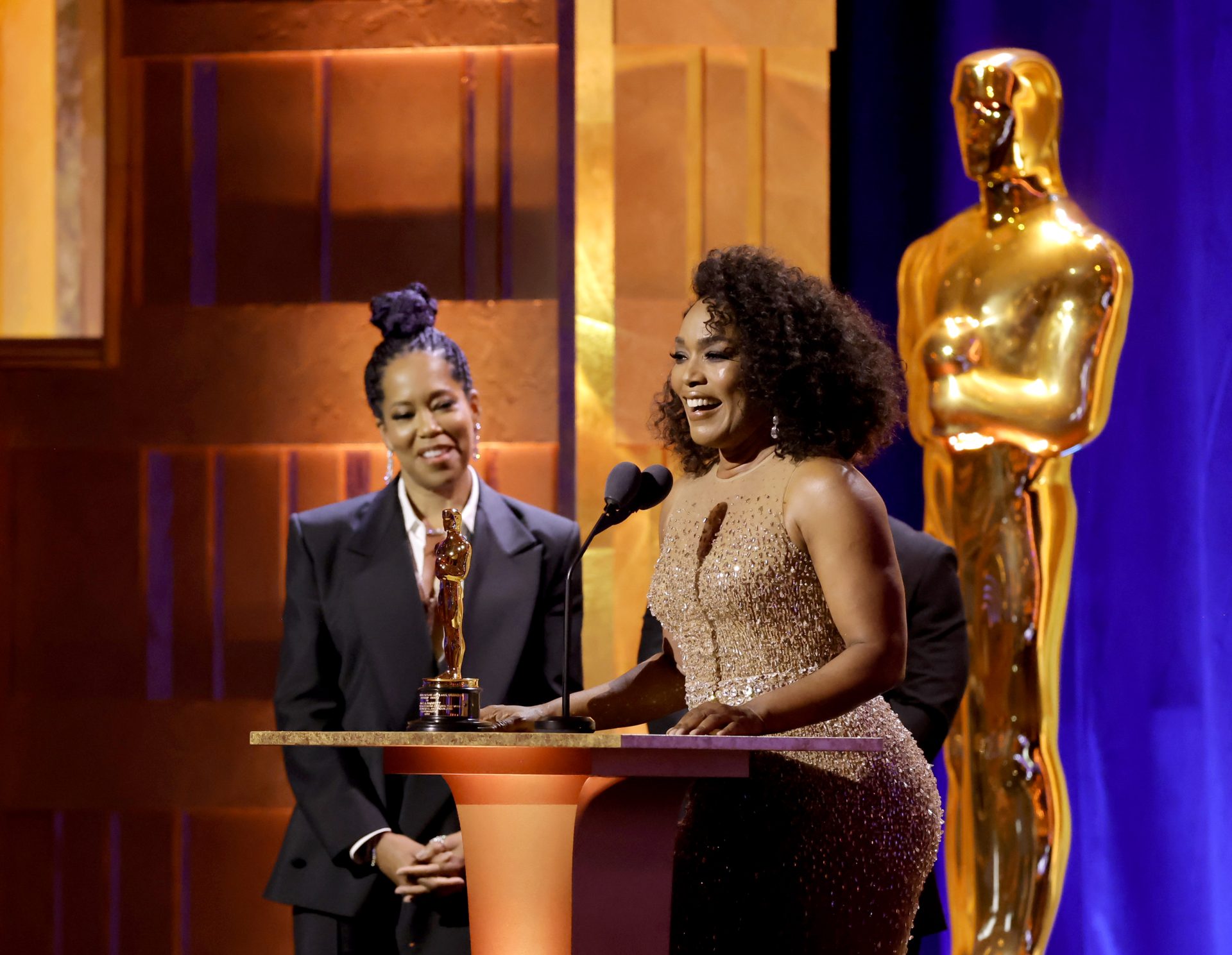
Yes. Although she did not win in 1994, Angela Bassett received an Academy Honorary Award from the Board of Governors of the Academy of Motion Picture Arts and Sciences, presented to her in November 2023, recognizing her decades-long career of groundbreaking and memorable cinematic performances.
Conclusion and Cultural Legacy
The outcome of the 1994 Best Actress category remains a cornerstone of discussions surrounding Hollywood awards history. While Holly Hunter earned her well-deserved Academy Award for a transcendent performance in The Piano, Angela Bassett's work in What's Love Got to Do with It transcended the traditional boundaries of the awards circuit, securing an enduring place in cinematic culture. Examining this historic contest highlights the shifting standards of artistic excellence, industry recognition, and the enduring power of unforgettable screen performances.
Image Gallery